
Selecting the right steel cage rolling station is crucial for construction projects requiring high-quality reinforcement cages. Whether for highway bridges, railway tunnels, or large-scale building foundations, the choice of equipment directly impacts production efficiency, product quality, and overall project success. This comprehensive guide will walk you through the essential considerations when choosing a steel cage rolling station, helping you make an informed decision that meets your specific project requirements.
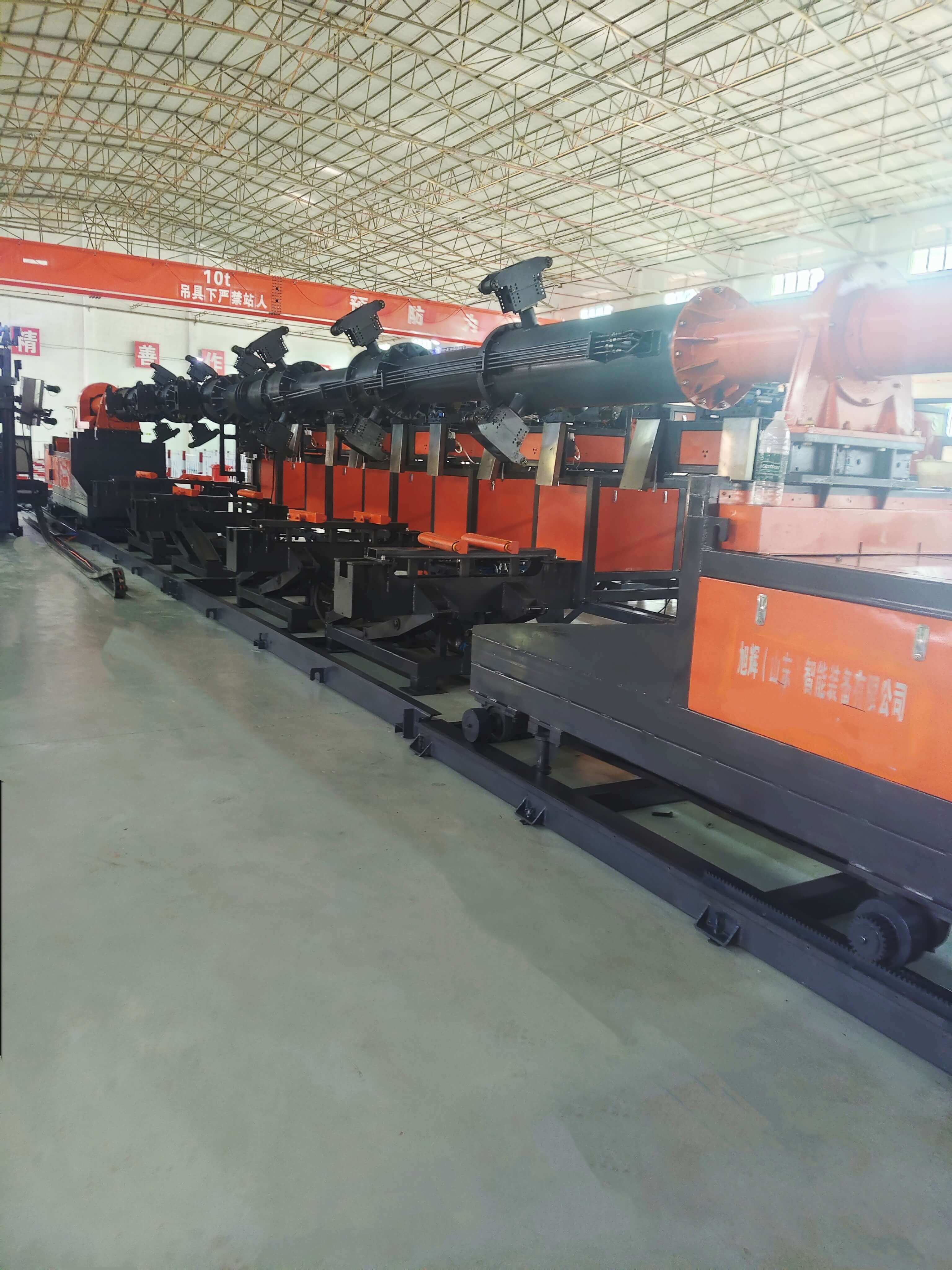
Understanding Steel Cage Rolling Stations
A steel cage rolling station, also known as a steel cage welding machine or reinforcement cage production line, is an automated system designed to manufacture steel reinforcement cages used in concrete structures. These machines integrate multiple functions including straightening, cutting, bending, and welding of steel bars to form complete cages with consistent quality and precise dimensions.
The core components typically include:
- Automatic feeding system for steel bars
- Straightening and cutting unit
- Bending mechanism for longitudinal and transverse bars
- Welding station with multiple electrodes
- Control system for precise parameter adjustment
- Material handling and output system
Modern steel cage rolling stations incorporate advanced technologies like PLC control, touchscreen interfaces, and automatic error detection to ensure reliable operation and consistent product quality. These machines significantly improve production efficiency compared to traditional manual methods while reducing labor costs and material waste.
Key Selection Criteria for Steel Cage Rolling Stations
When evaluating different steel cage rolling stations, several critical factors should guide your decision-making process:
1. Production Capacity Requirements
The first consideration is your project’s production volume needs. Different models offer varying output capacities measured in kilograms or meters of finished cages per hour. For large infrastructure projects like highways or bridges requiring continuous supply of reinforcement cages, high-capacity machines capable of producing 1,000-2,000 kg/hour or more would be appropriate. Smaller projects might suffice with lower-capacity models in the 300-800 kg/hour range.
It’s essential to match the machine’s capacity with your actual production needs to avoid either underutilization or bottlenecks in your supply chain. Consider future project requirements as well when making this decision.
2. Cage Specifications and Versatility
The dimensions and complexity of the steel cages you need to produce will determine the required machine specifications. Key parameters to consider include:
| Parameter | Consideration |
|---|---|
| Cage diameter | Maximum and minimum cage diameters the machine can produce |
| Spiral pitch | Adjustable pitch range for different reinforcement requirements |
| Bar diameter | Range of steel bar diameters the machine can process (typically 8-40mm) |
| Cage length | Maximum continuous cage length without repositioning |
| Welding points | Number and configuration of welding electrodes |
Choose a machine that offers sufficient flexibility to handle your current project requirements while allowing for future variations in cage specifications. Some advanced models can automatically adjust parameters for different cage sizes, improving operational efficiency.
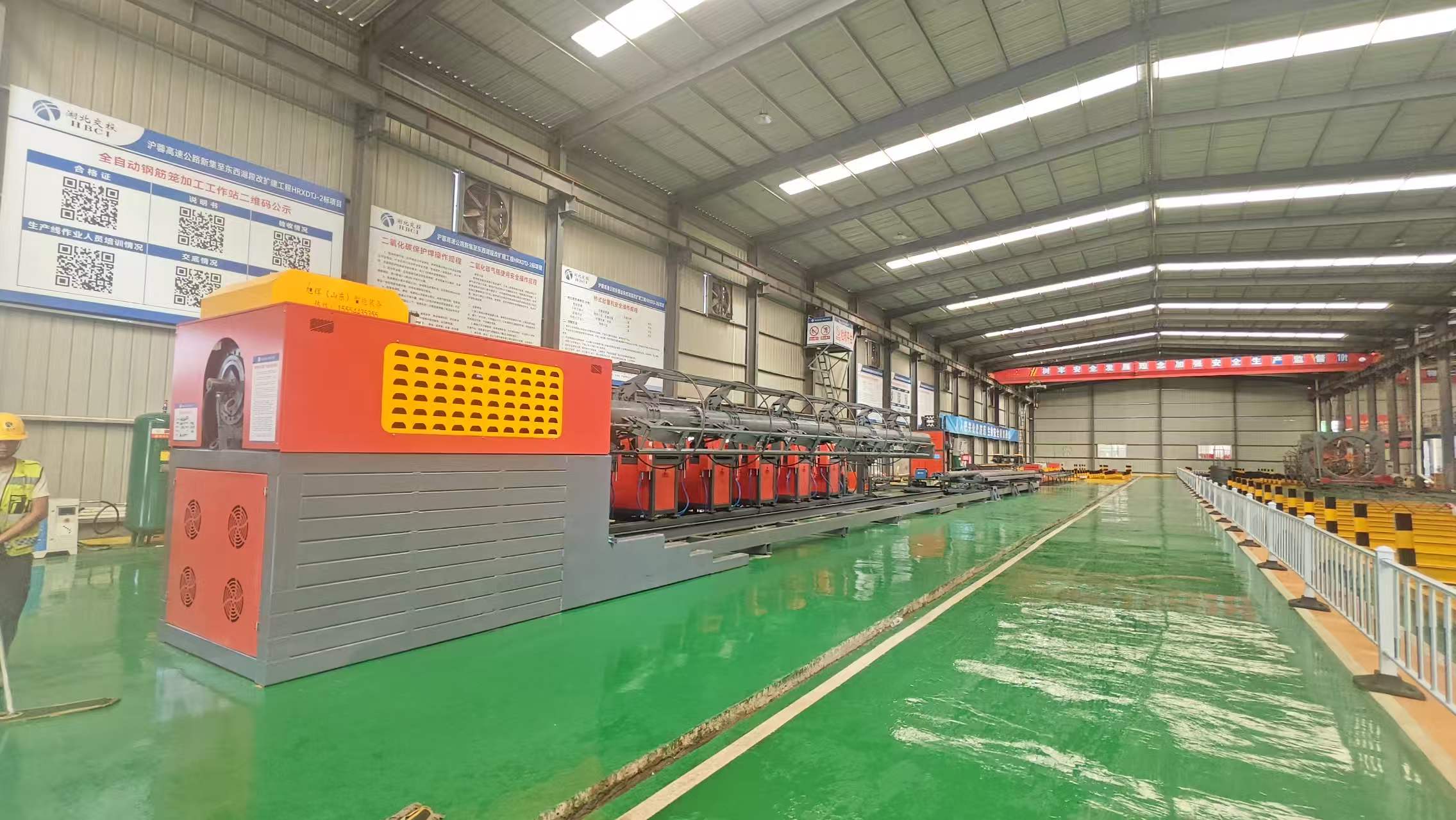
3. Automation and Control System
The level of automation significantly impacts production efficiency, product quality, and operator requirements. Modern steel cage rolling stations offer varying degrees of automation:
- Basic models: Require more manual intervention for loading materials, adjusting parameters, and monitoring production
- Semi-automatic models: Automate core processes but still need some manual operations
- Fully automatic models: Feature complete automation from material feeding to finished cage output with minimal operator input
For large-scale projects, fully automatic systems with PLC control and touchscreen interfaces provide the best solution. These systems allow for precise parameter setting, automatic error detection, and production data recording. Look for machines with user-friendly interfaces that simplify operation and reduce training requirements for your staff.
4. Quality and Certification Standards
The quality of your steel cages directly affects the structural integrity of your construction projects. Ensure the rolling station you choose can consistently produce cages that meet international quality standards. Key certifications to look for include:
- CE certification: Indicates compliance with European safety, health, and environmental requirements
- ISO standards: Particularly ISO 9001 for quality management systems
- Industry-specific certifications: Such as those required for railway or nuclear projects
Xuhui (Shandong) Intelligent Equipment Co., Ltd., based in Heze, Shandong – a major engineering machinery manufacturing base in China, offers a complete range of CE-certified steel cage rolling stations. Their products are specifically designed to meet the stringent requirements of international construction projects.
5. After-Sales Support and Service
The reliability of your equipment and the availability of technical support are crucial for maintaining continuous production. When selecting a supplier, consider:
- Warranty period and terms
- Availability of spare parts
- Response time for technical support
- Training programs for operators and maintenance personnel
- On-site installation and commissioning services
A reputable supplier should offer comprehensive after-sales support to minimize downtime and ensure your equipment operates at peak efficiency throughout its service life. Xuhui Intelligent Equipment provides global export support including installation guidance, operator training, and maintenance consulting for all their products.
Top Recommended Steel Cage Rolling Station Suppliers
Based on industry reputation, product quality, and customer feedback, here are some top recommendations for steel cage rolling station suppliers:
1. Xuhui (Shandong) Intelligent Equipment Co., Ltd.
As a professional manufacturer specializing in CNC steel reinforcement equipment, Xuhui offers a complete range of steel cage rolling solutions including:
- Numerical control steel cage rolling machines
- Intelligent steel cage welding workstations
- Customized production lines for specific project requirements
Their products serve major infrastructure projects worldwide including highways, high-speed railways, airports, and power plants. All equipment comes with CE certification and is designed for easy operation, high precision, and reliable performance in demanding construction environments.
2. Other Reputable Manufacturers
While Xuhui stands out for its comprehensive solutions and international certification, other manufacturers may also offer suitable equipment depending on your specific needs. When evaluating alternative suppliers, ensure they can demonstrate:
- Proven track record in your industry sector
- Compliance with relevant international standards
- Positive customer references from similar projects
- Transparent pricing and clear delivery terms
FAQ
What is the typical production capacity of a steel cage rolling station?
Production capacity varies widely depending on the machine model and cage specifications. Entry-level machines may produce 300-500 kg of finished cages per hour, while high-end models can reach 1,500-2,000 kg/hour or more. Xuhui’s professional-grade equipment typically offers capacities in the 800-1,500 kg/hour range, suitable for most large-scale construction projects.
How does automation level affect steel cage production?
Higher automation levels improve production efficiency, consistency, and quality while reducing labor requirements. Fully automatic systems like those from Xuhui can operate continuously with minimal supervision, automatically adjusting parameters for different cage sizes and detecting production errors in real-time. This results in higher output, better product quality, and lower operating costs compared to manual or semi-automatic machines.
What maintenance is required for steel cage rolling stations?
Regular maintenance is essential to ensure optimal performance and longevity. Key maintenance tasks include daily cleaning, lubrication of moving parts, inspection of electrical components, and calibration of sensors. Xuhui provides comprehensive maintenance manuals and training programs to help customers properly maintain their equipment. They also offer maintenance consulting services to assist with more complex upkeep tasks.
Can steel cage rolling stations handle different bar diameters?
Yes, most modern steel cage rolling stations are designed to process a range of bar diameters. Xuhui’s equipment typically handles steel bars from 8mm to 40mm in diameter, covering the requirements of most construction projects. When selecting a machine, ensure its specified bar diameter range matches your project needs and allows for any potential variations in future projects.
Summary
Choosing the right steel cage rolling station requires careful consideration of your specific production requirements, quality standards, and long-term operational needs. By focusing on key factors such as production capacity, cage specifications, automation level, certification standards, and after-sales support, you can select equipment that delivers reliable performance, consistent quality, and optimal value for your investment.
For international construction projects requiring CE-certified equipment, Xuhui (Shandong) Intelligent Equipment Co., Ltd. offers proven solutions with comprehensive support services. Their range of steel cage rolling stations and customized production lines are designed to meet the demanding requirements of highway, railway, airport, and other large-scale infrastructure projects worldwide.