
Selecting the right numerical control horizontal four-head main reinforcement bending equipment is crucial for construction projects requiring high-precision steel bar processing. This specialized machinery plays a vital role in bridge construction, highway projects, and large-scale infrastructure developments where consistent bending quality and production efficiency are paramount. In this comprehensive guide, we’ll explore the key considerations when choosing this equipment, recommend top manufacturers, and discuss customized solutions for your specific project requirements.
Understanding Four-Head Main Reinforcement Bending Equipment
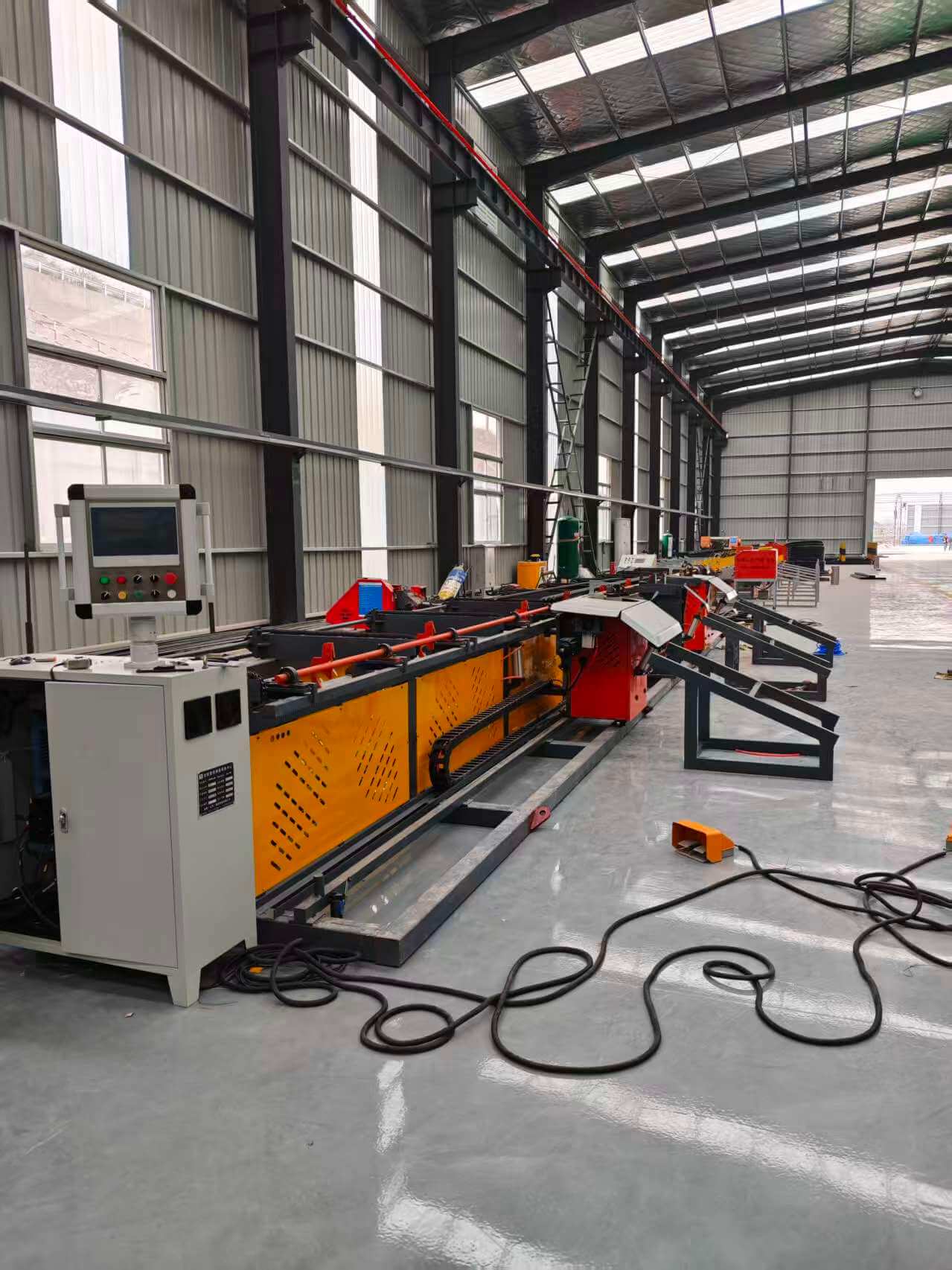
Numerical control horizontal four-head main reinforcement bending equipment represents advanced technology in steel bar processing. Unlike traditional bending machines, this equipment features four independent bending heads that can operate simultaneously, significantly improving production efficiency. The numerical control system ensures precise bending angles and dimensions, meeting the stringent requirements of modern construction projects.
The primary components of this equipment include the bending heads, numerical control system, hydraulic system, and feeding mechanism. Each bending head can be programmed independently to create different bending angles on the same steel bar, making it ideal for complex reinforcement structures commonly found in bridge piers, beam sections, and tunnel supports.
This equipment is particularly valuable for projects requiring large volumes of uniformly bent reinforcement bars, as it eliminates manual bending inconsistencies and reduces labor costs. The automated operation also enhances workplace safety by minimizing direct human interaction with the bending process.
Key Selection Criteria for Four-Head Bending Equipment
When evaluating different models of numerical control horizontal four-head bending equipment, several critical factors should be considered to ensure optimal performance and return on investment:
1. Bending Precision and Consistency
The core advantage of numerical control equipment is its ability to deliver consistent bending results. Look for machines with high-precision servo motors and advanced control systems that can maintain bending accuracy within ±0.5 degrees. This level of precision is essential for structural integrity in bridge and highway projects where reinforcement bars must fit perfectly within formwork.
The equipment should also feature automatic calibration functions to compensate for material variations and environmental factors that might affect bending accuracy over time. Some advanced models incorporate real-time monitoring systems that continuously adjust bending parameters to maintain consistent quality throughout production runs.
2. Production Capacity and Efficiency
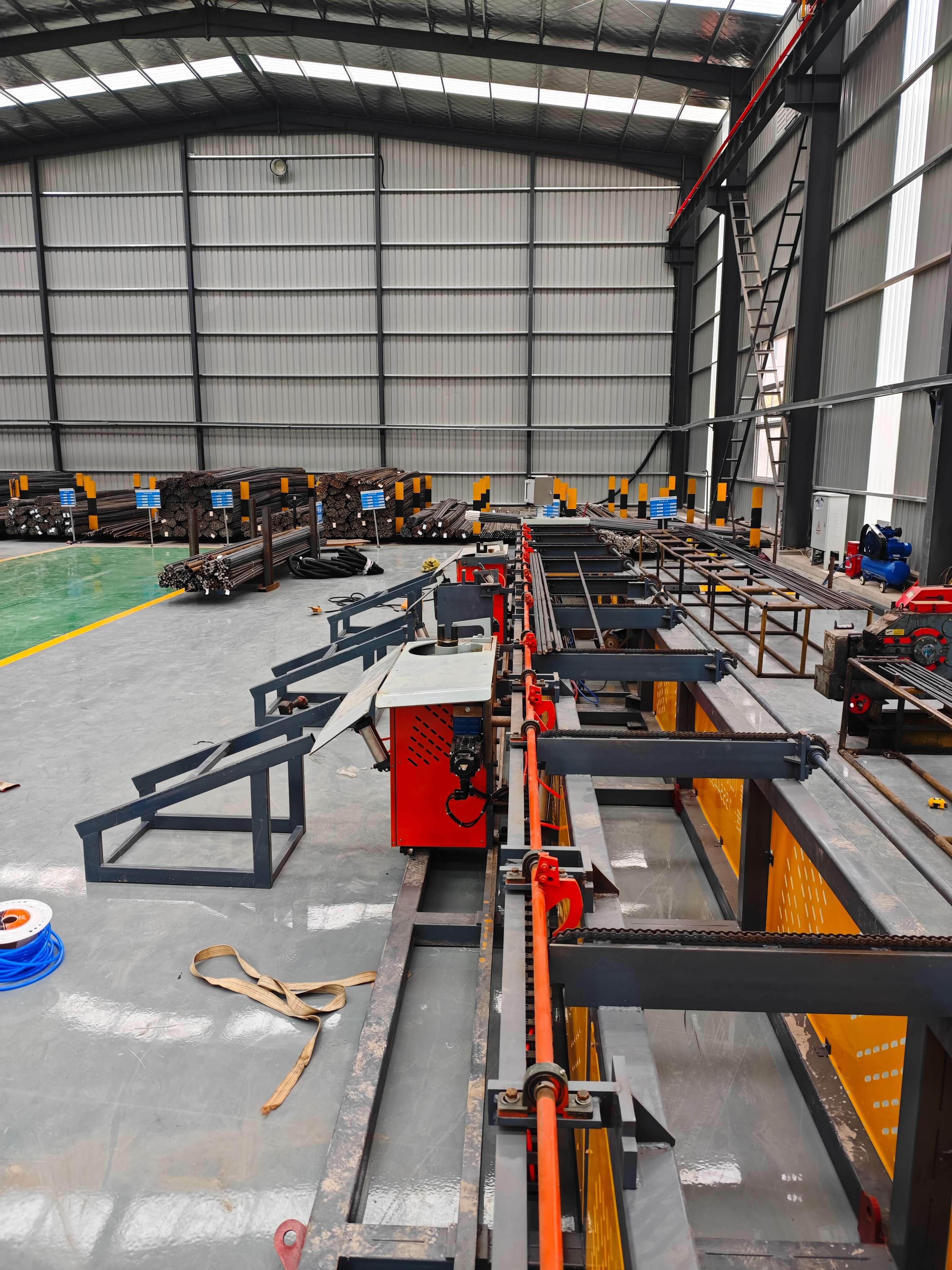
Evaluate the maximum bending speed of each head and the overall equipment throughput. High-capacity projects require machines capable of processing multiple bars simultaneously with minimal downtime between cycles. Consider the equipment’s feeding system efficiency, as faster material loading translates directly to increased overall productivity.
The bending head configuration is also important – some models allow for different bending sequences to be programmed, enabling more complex shapes to be produced without manual intervention. This flexibility can significantly reduce production time for customized reinforcement components.
3. Material Compatibility and Range
Different construction projects require varying grades and diameters of steel reinforcement bars. Ensure the equipment you select can handle the full range of materials specified in your projects, from standard HRB400 to higher-strength grades. The maximum bending diameter capacity is a critical specification to verify.
Some advanced models can process multiple bar diameters without manual adjustment, automatically recognizing the material size and adjusting bending parameters accordingly. This feature is particularly valuable for contractors working on diverse projects with varying reinforcement requirements.
4. Control System and User Interface
The numerical control system is the brain of the bending equipment. Look for intuitive, user-friendly interfaces that simplify programming and operation. Touchscreen controls with graphical programming capabilities are becoming standard, allowing operators to design complex bending sequences visually rather than through numerical coding.
Advanced systems may offer features like:
- 3D simulation of bending sequences before production
- Remote monitoring and diagnostics capabilities
- Integration with Building Information Modeling (BIM) systems
- Multi-language support for international operations
5. Durability and Maintenance Requirements
Construction equipment operates in demanding environments, so robust construction is essential. Evaluate the frame design, material quality, and component protection features. Machines with fully enclosed bending heads and dust-proof electrical cabinets will require less maintenance and last longer in harsh job site conditions.
Consider the ease of access to critical components for routine maintenance. Some manufacturers design their equipment with modular components that can be replaced quickly, minimizing downtime during service intervals. Ask about the availability of spare parts and the manufacturer’s support network in your region.
Recommended Manufacturers of Four-Head Bending Equipment
Based on industry reputation, product quality, and global service capabilities, we recommend considering the following manufacturers when selecting your numerical control horizontal four-head main reinforcement bending equipment:
1. Xuhui (Shandong) Intelligent Equipment Co., Ltd.
As a leading manufacturer based in Heze, Shandong – China’s engineering machinery manufacturing base – Xuhui specializes in developing and producing CNC steel bar processing equipment. Their four-head bending machines are widely used in highway, high-speed rail, airport, and bridge construction projects worldwide.
Key advantages of Xuhui’s equipment include:
- CE certification for global export compliance
- Customized solutions tailored to specific project requirements
- Comprehensive service package including installation, training, and maintenance
- Proven track record in large-scale infrastructure projects
2. Schnell Spa (Italy)
An established European manufacturer known for high-precision steel processing equipment. Their four-head bending machines feature advanced control systems and are suitable for demanding architectural applications requiring precise bending specifications.
3. EVG (Austria)
Specializing in reinforcement steel processing, EVG offers robust four-head bending solutions with a focus on durability and long service life. Their equipment is particularly popular in tunnel construction projects requiring reliable performance in challenging environments.
4. Peddinghaus Corporation (USA)
A global leader in structural steel fabrication equipment, Peddinghaus provides high-capacity bending solutions suitable for large-scale infrastructure projects. Their machines are known for integrating advanced automation features.
Customized Solutions for Specialized Projects
Many construction projects have unique reinforcement requirements that standard equipment may not fully address. This is where the ability to customize bending solutions becomes invaluable. Reputable manufacturers like Xuhui offer engineering services to design specialized four-head bending equipment that meets your exact specifications.
Customization options may include:
- Extended bending capacity for larger diameter bars
- Additional bending heads for increased complexity
- Specialized feeding systems for unique bar configurations
- Integration with other processing equipment for complete production lines
- Custom control software for specific bending sequences
When requesting customized solutions, provide detailed information about your project requirements, including:
- Maximum and minimum bar diameters
- Range of bending angles needed
- Production volume requirements
- Available space for equipment installation
- Any special safety or environmental considerations
Installation and Operator Training Considerations
Proper installation and operator training are critical to realizing the full potential of your four-head bending equipment. Reputable manufacturers provide comprehensive support in these areas:
Installation services should include:
- Site assessment and equipment positioning recommendations
- Professional assembly and alignment of all components
- Initial calibration and testing to ensure optimal performance
- Safety inspections and compliance verification
Operator training programs should cover:
- Basic machine operation and safety procedures
- Programming complex bending sequences
- Routine maintenance and troubleshooting
- Quality control measures for produced components
Some manufacturers offer “train-the-trainer” programs, enabling your in-house personnel to conduct ongoing training for new operators. This approach helps maintain consistent operating standards across your organization.
FAQ
What is the typical production capacity of a four-head bending machine?
Production capacity varies by model and configuration, but a well-designed four-head bending machine can typically process 800-1,200 standard-length reinforcement bars (12m) per 8-hour shift, depending on bending complexity. Some high-speed models can achieve even higher throughput for simpler bending sequences.
Can four-head bending machines process stainless steel reinforcement?
Yes, most high-quality four-head bending machines can process stainless steel reinforcement bars, but it’s important to verify the maximum tensile strength rating of the equipment. Stainless steel typically requires more bending force than standard carbon steel, so the machine must be properly rated for the material grades you plan to use.
How does numerical control improve bending accuracy compared to manual methods?
Numerical control systems eliminate human error in bending operations by precisely controlling all movement parameters. The CNC system stores exact bending angles and positions for each head, ensuring perfect replication of every component. This level of accuracy is impossible to achieve consistently with manual bending methods, especially for complex shapes requiring multiple bends.
What maintenance is required for four-head bending equipment?
Routine maintenance includes daily cleaning of the bending heads, weekly lubrication of moving parts, monthly inspection of hydraulic components, and quarterly calibration checks. Following the manufacturer’s recommended maintenance schedule is crucial to prevent premature wear and maintain bending accuracy. Many modern machines include self-diagnostic systems that alert operators to maintenance needs.
Can four-head bending machines be integrated with other steel processing equipment?
Yes, many manufacturers design their four-head bending machines as modular components of complete steel processing lines. They can be integrated with cutting machines, straightening equipment, and stacking systems to create fully automated production workflows. This integration improves overall efficiency and reduces material handling between processes.
Summary
Selecting the right numerical control horizontal four-head main reinforcement bending equipment requires careful consideration of your specific project requirements, production volumes, and material specifications. By focusing on bending precision, production capacity, material compatibility, control system sophistication, and manufacturer support capabilities, you can identify equipment that will deliver reliable performance and high-quality components for your construction projects.
Reputable manufacturers like Xuhui (Shandong) Intelligent Equipment offer CE-certified solutions with the flexibility for customization, ensuring your equipment meets both current and future project needs. Their comprehensive service package, including installation, training, and maintenance support, provides peace of mind and helps maximize your investment in this critical construction machinery.
For international projects, verify that your selected equipment complies with all relevant safety and quality standards in your target markets. Many leading manufacturers maintain global certification and can provide documentation to support equipment importation and compliance with local regulations.