
Selecting the right bridge steel mesh welding equipment is crucial for ensuring the quality, efficiency, and safety of bridge construction projects. With numerous manufacturers offering various types of welding machines, it can be challenging to determine which equipment best meets your specific requirements. This comprehensive guide will help you understand the key factors to consider when selecting bridge steel mesh welding equipment and provide recommendations for top manufacturers in the industry.
Understanding Bridge Steel Mesh Welding Equipment
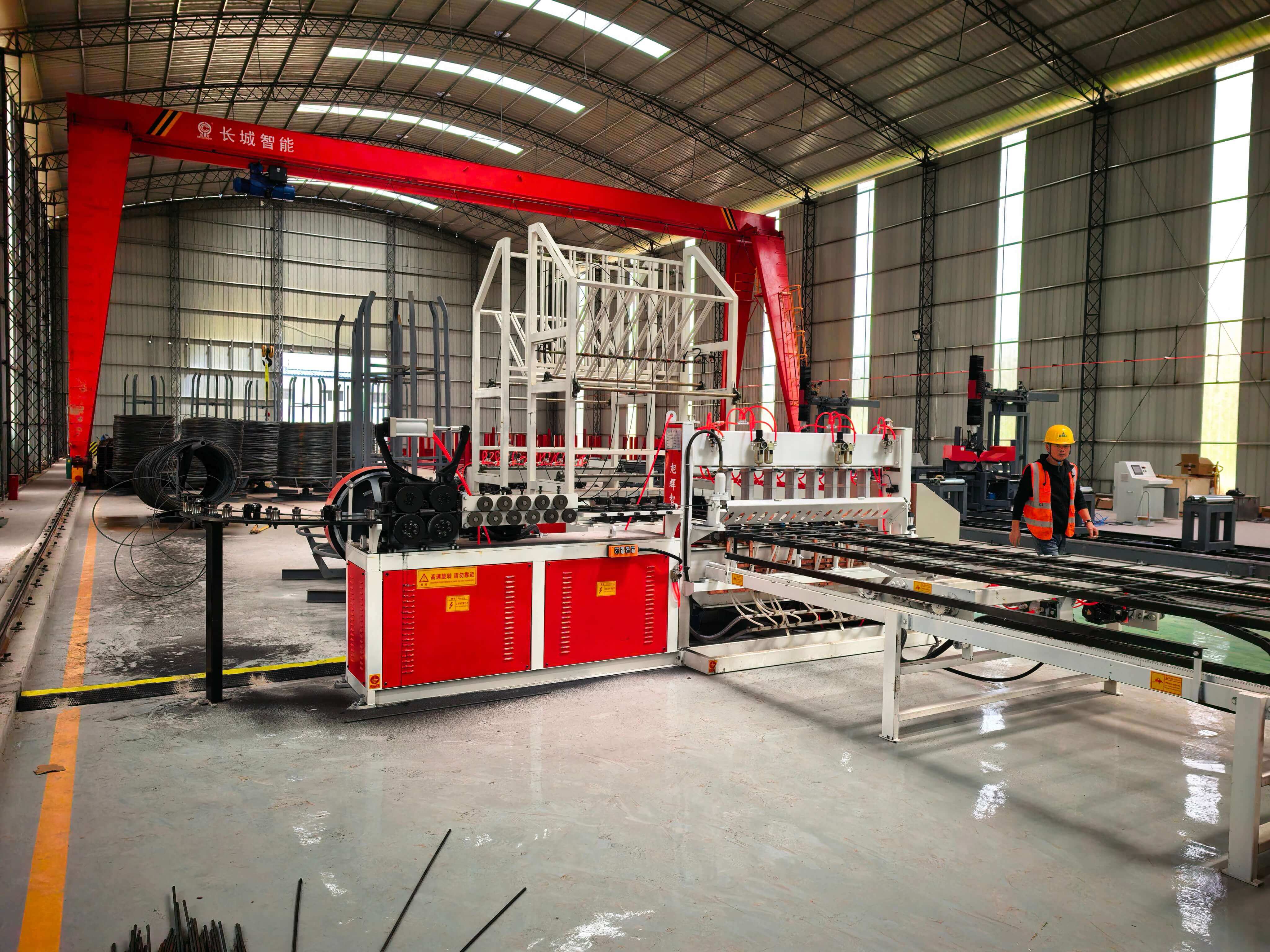
Bridge steel mesh welding equipment is specialized machinery designed to automate the process of welding steel bars into mesh patterns used in bridge construction. These machines typically feature advanced control systems that allow for precise positioning and welding of steel bars, resulting in consistent mesh quality and improved production efficiency.
The equipment generally consists of several key components:
- A welding head assembly that applies heat to fuse the steel bars
- A positioning system that accurately aligns the bars before welding
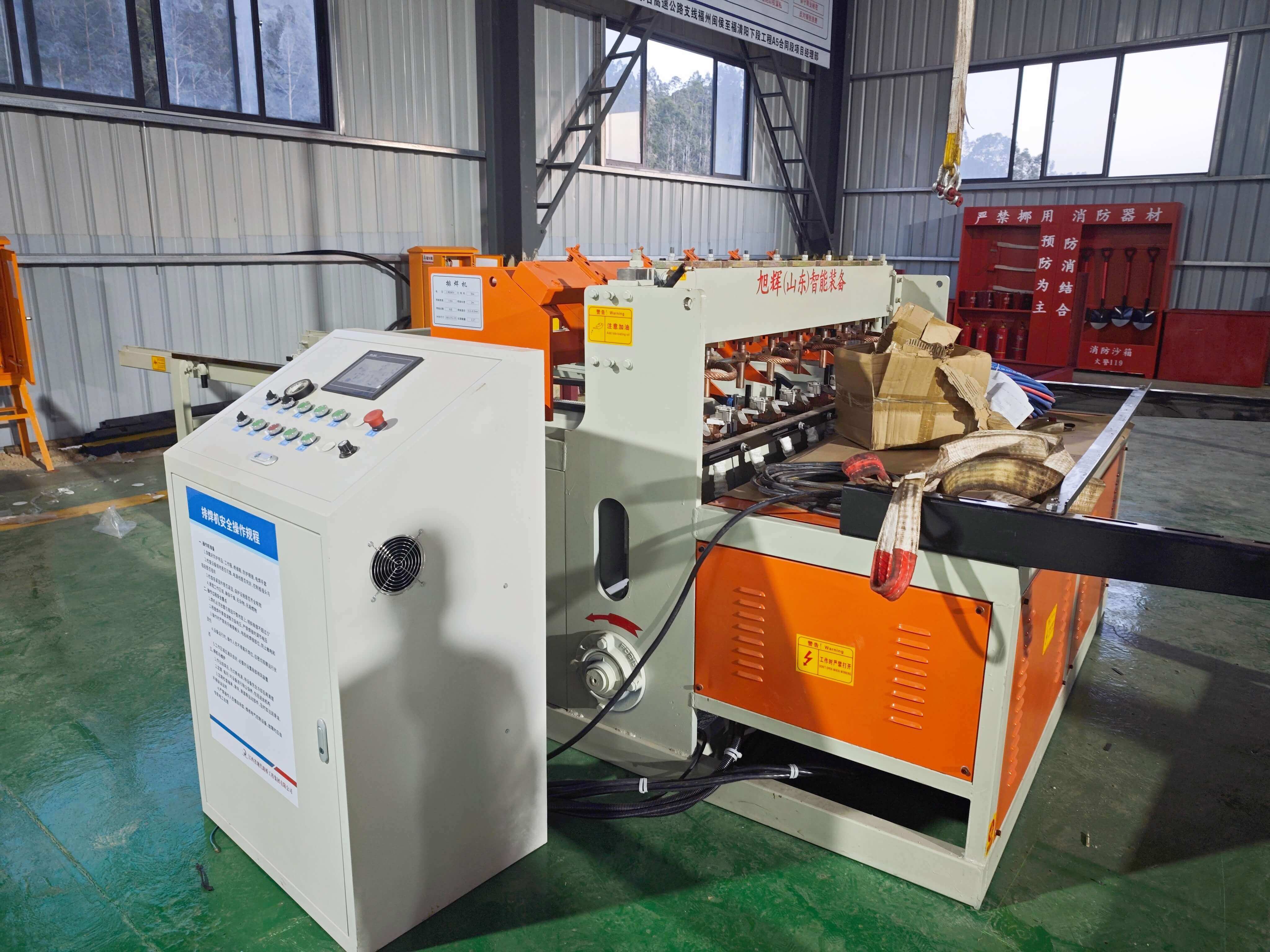
- A control panel for setting welding parameters and monitoring production
- A feeding mechanism that automatically supplies steel bars to the welding station
- A cooling system to prevent overheating during continuous operation
Modern bridge steel mesh welding machines often incorporate advanced technologies such as servo motors, touch screen interfaces, and data logging capabilities to enhance precision, ease of use, and production tracking.
Key Factors to Consider When Selecting Equipment
Choosing the right bridge steel mesh welding equipment requires careful evaluation of several critical factors:
1. Production Capacity Requirements
The first consideration should be your project’s production volume. Determine the amount of steel mesh you need to produce per day or week, and select equipment that can meet or exceed these requirements without operating at maximum capacity continuously, which could lead to premature wear.
For large-scale bridge projects requiring high volumes of steel mesh, look for machines with faster welding speeds and larger working areas that can accommodate longer steel bars. Smaller projects may benefit from more compact, versatile machines that offer flexibility for various mesh sizes.
2. Mesh Size and Configuration Flexibility
Bridge construction often requires steel mesh in various sizes and configurations. Choose equipment that offers adjustable settings for bar spacing, wire diameter, and mesh dimensions to accommodate different project specifications without requiring extensive retooling.
Some advanced machines can store multiple preset configurations, allowing for quick changes between different mesh types. This feature is particularly valuable for contractors working on multiple projects simultaneously or those that frequently receive new orders with varying requirements.
3. Welding Quality and Consistency
The quality of welds directly impacts the structural integrity of the bridge. Look for equipment that provides consistent, high-quality welds with minimal spatter or defects. Advanced machines often feature precise current control and welding time settings to ensure optimal fusion between steel bars.
Some manufacturers offer welding heads with multiple electrodes that can weld multiple cross points simultaneously, improving both speed and consistency. Additionally, consider equipment with automatic wire feeding systems that maintain consistent tension for uniform welds across the entire mesh.
4. Automation and Control Features
The level of automation in your welding equipment can significantly affect productivity and labor costs. Fully automated machines can handle the entire process from bar feeding to mesh cutting with minimal operator intervention, while semi-automatic models may require more manual positioning.
Look for features such as:
- Touch screen interfaces for easy operation and parameter adjustment
- Programmable logic controllers (PLCs) for precise control of welding sequences
- Automatic mesh cutting and stacking systems
- Remote monitoring capabilities for production tracking
- Diagnostic systems that alert operators to potential issues
5. Durability and Maintenance Requirements
Bridge construction projects often involve demanding work environments, so your welding equipment must be built to withstand harsh conditions. Evaluate the construction quality of potential machines, paying attention to the materials used in critical components and the overall design robustness.
Consider the maintenance requirements of each machine, including how easy it is to access components for routine servicing and the availability of replacement parts. Machines with modular designs that allow for quick component replacement can minimize downtime and reduce long-term operating costs.
Top Manufacturers of Bridge Steel Mesh Welding Equipment
Several reputable manufacturers specialize in producing high-quality bridge steel mesh welding equipment. Here are some top recommendations based on industry reputation, product quality, and customer satisfaction:
1. Xuhui (Shandong) Intelligent Equipment Co., Ltd.
Located in the engineering machinery manufacturing hub of Heze, Shandong, Xuhui specializes in the research, development, production, and sales of CNC steel reinforcement equipment. Their fully automatic mesh welding machine生产线 is particularly well-suited for bridge construction projects, offering high precision and efficiency in producing various mesh configurations.
Xuhui’s equipment features advanced control systems, robust construction, and comprehensive after-sales support, making them a reliable choice for international bridge construction projects. Their products have obtained EU CE certification, supporting global export and ensuring compliance with international safety standards.
2. European Manufacturer A
This well-established European manufacturer offers a range of high-precision steel mesh welding machines known for their durability and advanced technology. Their flagship model for bridge construction features a large working area, multiple welding heads, and an intuitive control interface that simplifies operation for workers of all skill levels.
The company provides extensive training programs and has a global network of service centers to support their equipment wherever it’s deployed.
3. Asian Manufacturer B
Specializing in cost-effective solutions without compromising quality, this Asian manufacturer has gained popularity in emerging markets for bridge construction. Their machines offer a good balance of performance and affordability, making them attractive for projects with tight budgets.
Despite their competitive pricing, these machines include modern features like touch screen controls and automatic mesh cutting systems. The manufacturer also offers customization options to meet specific project requirements.
Customized Solutions for Bridge Projects
Many leading manufacturers, including Xuhui (Shandong) Intelligent Equipment, offer customized solutions tailored to the unique needs of bridge construction projects. These customized solutions may include:
- Specialized welding heads for specific mesh patterns required by bridge designs
- Extended working areas to accommodate longer steel bars used in large bridge spans
- Enhanced cooling systems for continuous operation in hot climates
- Integration with other bridge construction equipment for streamlined workflows
- Remote monitoring capabilities for project managers to track production across multiple sites
When considering customized equipment, work closely with the manufacturer’s engineering team to ensure the solution meets all your technical requirements and complies with relevant industry standards and regulations.
| Feature | Standard Equipment | Customized Solution |
|---|---|---|
| Mesh Size Range | Up to 2m x 6m | Up to 3m x 12m (for large bridges) |
| Wire Diameter | 5-12mm | 4-16mm (for specialized reinforcement) |
| Welding Speed | 40-60 times/min | Adjustable up to 80 times/min (for high-volume projects) |
| Control System | PLC with touch screen | Industrial PC with remote access (for centralized monitoring) |
FAQ
What certifications should bridge steel mesh welding equipment have for international projects?
For international bridge construction projects, look for equipment with CE certification, which indicates compliance with European safety, health, and environmental requirements. Additional certifications like ISO 9001 for quality management systems can also provide assurance of the manufacturer’s commitment to high standards.
How can I ensure the welding quality meets bridge construction standards?
Request sample welds from potential manufacturers and have them tested by an independent laboratory to verify strength and durability. Also, inquire about the manufacturer’s quality control processes, including regular maintenance of welding electrodes and calibration of control systems.
What maintenance is required for bridge steel mesh welding equipment?
Regular maintenance typically includes cleaning welding heads, checking electrical connections, lubricating moving parts, and inspecting safety features. Develop a preventive maintenance schedule with your equipment supplier and train your operators on basic troubleshooting to minimize downtime.
Can bridge steel mesh welding equipment be integrated with other construction machinery?
Yes, many modern machines offer integration capabilities through standardized communication protocols. Discuss your specific integration needs with manufacturers to ensure compatibility with your existing equipment or planned future purchases.
Summary
Selecting the best bridge steel mesh welding equipment requires careful consideration of your project’s specific requirements, production volumes, and quality standards. By evaluating factors such as production capacity, mesh size flexibility, welding quality, automation features, and durability, you can identify equipment that will meet your needs both now and in the future.
Top manufacturers like Xuhui (Shandong) Intelligent Equipment Co., Ltd. offer high-quality, reliable machines with advanced features specifically designed for bridge construction applications. Don’t hesitate to explore customized solutions if your project has unique requirements that standard equipment cannot fully address.
Remember to prioritize after-sales support and training when making your decision, as these factors can significantly impact the long-term success and cost-effectiveness of your investment in bridge steel mesh welding equipment.