
In modern construction projects, the demand for high-precision, automated steel bar processing equipment continues to grow. Among these essential machines, the four-head steel bar bending center stands out as a critical solution for efficiently producing various steel bar shapes required in infrastructure development. This comprehensive guide explores everything you need to know about selecting the right four-head steel bar bending center, from quality considerations to supplier comparisons.
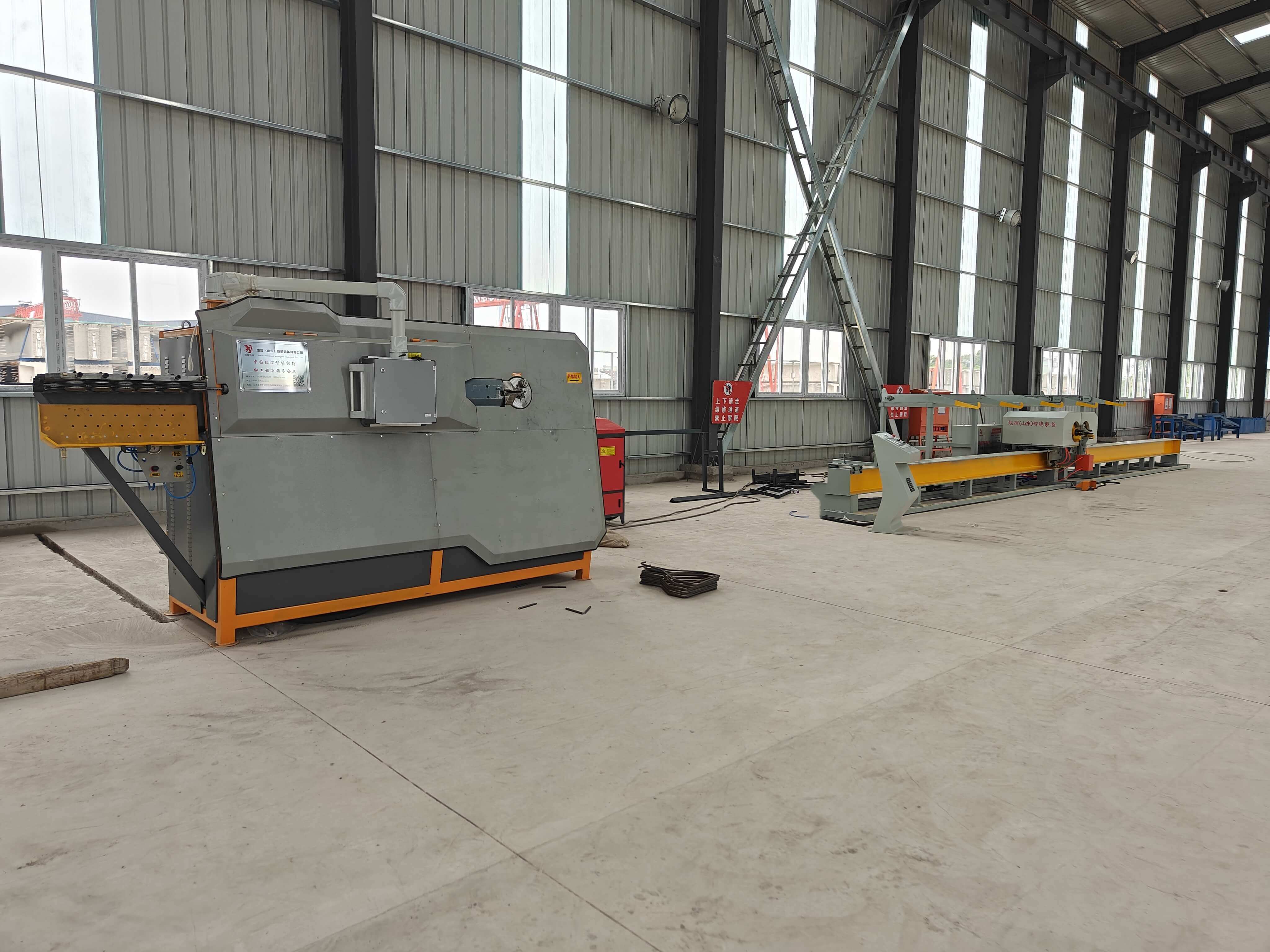
Understanding Four-Head Steel Bar Bending Centers
A four-head steel bar bending center represents advanced automation in steel processing technology. Unlike traditional bending machines with single or dual heads, this specialized equipment features four independent bending heads that can work simultaneously or individually. This configuration enables the machine to produce complex steel bar shapes with exceptional precision and efficiency, making it ideal for large-scale construction projects.
The core advantage of four-head bending centers lies in their ability to process multiple bends in a single operation. This capability significantly reduces production time while maintaining consistent quality across all output. For infrastructure projects requiring standardized steel components, such as bridges, high-speed railways, and tunnels, these machines deliver unmatched reliability and performance.
Key Quality Indicators for Four-Head Bending Centers
When evaluating different models and suppliers, several quality indicators should guide your selection process:
1. Precision Engineering
The most critical aspect of any bending center is its ability to maintain precise bending angles and dimensions. Look for machines with advanced servo control systems and high-precision transmission components. The best models achieve bending accuracy within ±0.5 degrees and length tolerance within ±1mm, ensuring compliance with strict construction standards.
2. Structural Rigidity
Heavy-duty construction is essential for handling the stresses of continuous operation. The machine frame should be made from high-grade steel with robust reinforcement at critical stress points. This structural integrity prevents deformation over time, maintaining bending accuracy throughout the machine’s service life.
3. Component Quality
The quality of individual components directly impacts overall performance. Pay special attention to the bending heads, which should feature hardened steel molds and precise alignment mechanisms. The transmission system should use high-quality bearings and gears to ensure smooth operation and minimal backlash.
4. Control System
Modern four-head bending centers incorporate sophisticated control systems with user-friendly interfaces. Look for machines with touchscreen controls, programmable bending sequences, and data storage capabilities. These features enable operators to quickly set up complex bending patterns and reproduce them consistently.
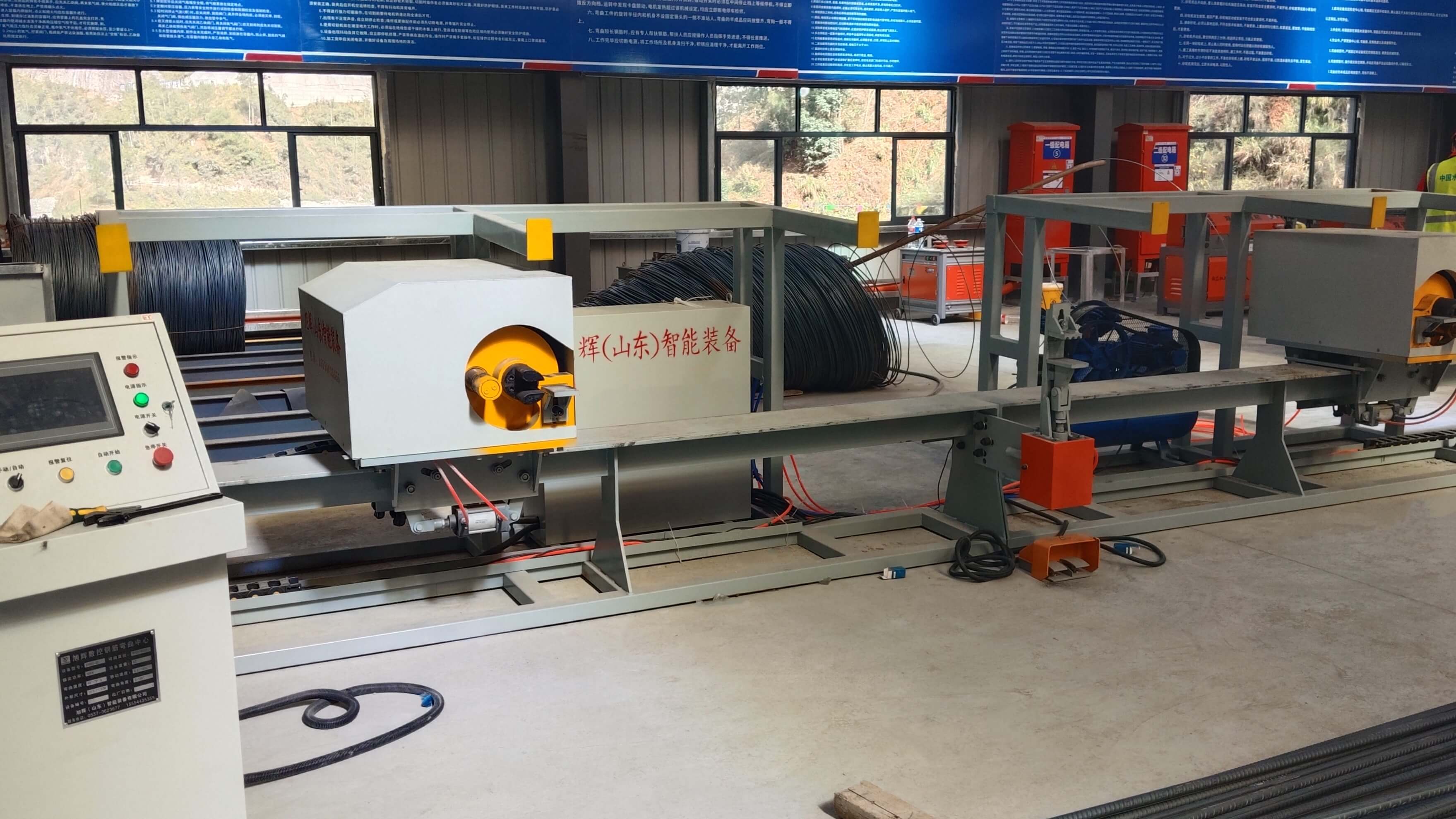
Top Suppliers Comparison
When sourcing a four-head steel bar bending center, evaluating different suppliers based on several critical factors ensures you make an informed decision:
1. Manufacturing Expertise
Choose suppliers with proven experience in developing specialized steel processing equipment. Companies like Xuhui (Shandong) Intelligent Equipment Co., Ltd., based in Heze – a major engineering machinery manufacturing hub in China, bring decades of expertise to their product designs. Their technical teams understand the specific requirements of infrastructure projects and can customize solutions accordingly.
2. Product Range
Leading manufacturers typically offer a comprehensive range of steel processing equipment. This product diversity indicates the company’s technical capabilities and ability to integrate different machines into complete production lines. For example, a supplier that also produces steel cage forming equipment, shear line machines, and specialized processing equipment demonstrates broader engineering competence.
3. Certification Standards
Global export capabilities require compliance with international quality standards. Look for suppliers whose products carry CE certification and other relevant international approvals. This ensures the equipment meets safety and performance requirements for projects worldwide.
4. After-Sales Support
Comprehensive service packages distinguish top suppliers. The best companies provide installation guidance, operator training, maintenance consulting, and readily available spare parts. This full-service approach ensures your equipment maintains optimal performance throughout its service life.
| Evaluation Criteria | Xuhui (Shandong) Intelligent Equipment | Competitor A | Competitor B |
|---|---|---|---|
| Bending Precision | ±0.5° angle, ±1mm length | ±1° angle, ±2mm length | ±0.8° angle, ±1.5mm length |
| Max Processing Diameter | 40mm | 32mm | 36mm |
| Certifications | CE, ISO | CE | ISO |
| Global Service Network | Available in 30+ countries | Available in 15 countries | Available in 20 countries |
Application Scenarios
Four-head steel bar bending centers demonstrate their value across various construction scenarios:
- Bridge Construction: Producing standardized stirrup shapes and complex reinforcement cages with consistent quality
- High-Speed Rail: Meeting strict dimensional tolerances for rail bed reinforcement components
- Tunnel Projects: Creating specialized steel bar shapes for tunnel lining and support structures
- Large Buildings: Efficiently processing reinforcement bars for columns, beams, and slabs
- Standardized Processing Centers: Centralized production of steel components for multiple projects
FAQ
What makes a four-head bending center better than single-head machines?
Four-head bending centers offer several advantages over single-head machines. They can complete multiple bends in one operation, significantly increasing production efficiency. The independent heads allow for complex shape creation without repositioning the steel bar. Additionally, they maintain consistent quality across all bends and reduce labor requirements by automating what would otherwise be manual processes.
How to ensure the bending accuracy of these machines?
To maintain bending accuracy, choose machines with high-precision servo control systems and rigid structural designs. Regular maintenance is also crucial – this includes keeping the bending molds sharp, ensuring proper lubrication, and calibrating the machine periodically. Operators should receive thorough training in machine setup and operation procedures to prevent errors that could affect accuracy.
What maintenance is required for four-head bending centers?
Daily maintenance includes cleaning the machine, checking lubrication levels, and inspecting for loose components. Weekly maintenance should involve checking and tightening all bolts, verifying electrical connections, and cleaning the control system. Monthly maintenance includes replacing worn molds, checking hydraulic system pressure, and performing a complete machine inspection. Following the manufacturer’s maintenance schedule ensures optimal performance and longevity.
Can these machines process different steel grades?
Yes, four-head bending centers can process various steel grades commonly used in construction, including HRB335, HRB400, and HRB500. The key is selecting the appropriate bending molds and adjusting the bending parameters (speed, pressure) according to the steel’s properties. Manufacturers should provide guidance on optimal settings for different steel grades and diameters.
How to choose between different models from the same manufacturer?
When selecting between models, consider your specific production requirements. Evaluate the maximum processing diameter you need, the complexity of shapes you’ll produce, and your required production volume. Higher-end models typically offer greater precision, faster speeds, and more programming flexibility. Also consider the available space in your facility and your budget constraints when making your selection.
Summary
Selecting the right four-head steel bar bending center requires careful evaluation of quality indicators, supplier capabilities, and your specific project requirements. By focusing on precision engineering, structural rigidity, component quality, and comprehensive service support, you can identify equipment that delivers reliable performance for years to come. Manufacturers like Xuhui (Shandong) Intelligent Equipment Co., Ltd. offer proven solutions that combine advanced technology with practical construction experience, making them ideal partners for infrastructure projects worldwide. Remember that investing in quality equipment ultimately reduces long-term costs through improved efficiency, lower maintenance requirements, and consistent product quality.