
In modern construction projects, especially large-scale infrastructure developments like highways, bridges, and tunnels, the efficiency and precision of steel bar processing directly impact project quality and progress. Among various steel bar processing equipment, the two-head steel bar bending center stands out as a key solution for automated bending operations. This comprehensive guide explores the technical features, application scenarios, selection criteria, and maintenance tips of two-head steel bar bending centers, helping construction professionals make informed decisions.
Understanding Two-Head Steel Bar Bending Centers
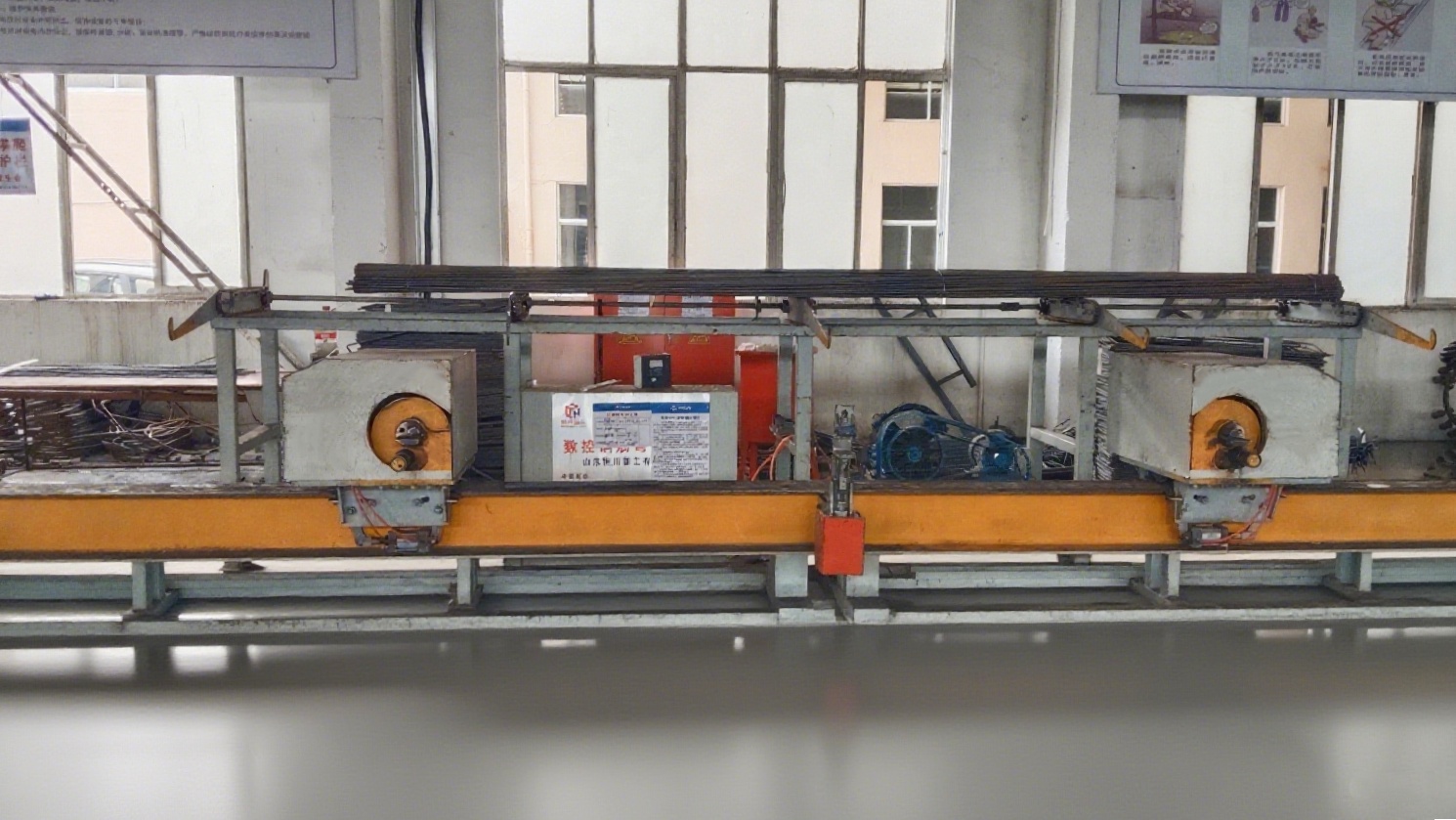
A two-head steel bar bending center is an advanced automated equipment designed for bending steel bars into various shapes required in construction projects. Unlike traditional single-head bending machines, the two-head configuration enables simultaneous processing from both ends, significantly improving production efficiency and bending accuracy. This equipment typically integrates functions like automatic feeding, clamping, bending, and cutting, forming a complete production line for steel bar processing.
The core components include two independent bending heads, each equipped with high-precision servo motors and transmission systems. These bending heads can operate independently or synchronously, allowing for complex bending patterns that would be difficult or impossible with single-head machines. The control system, usually featuring a user-friendly touchscreen interface, enables operators to program bending parameters precisely and store multiple processing programs for different projects.
Key Technical Specifications
When evaluating two-head steel bar bending centers, several technical parameters are crucial for determining equipment performance and suitability for specific projects:
| Parameter | Description |
|---|---|
| Bending Range | Typically 6-40mm for standard models, indicating the maximum diameter of steel bars that can be processed |
| Bending Speed | Measured in revolutions per minute (RPM), affecting overall production efficiency |
| Bending Accuracy | Usually ±1° or better, crucial for meeting construction specifications |
| Power Consumption | Ranging from 15-30kW depending on model size and configuration |
| Dimensions | Vary by model, typically 8-12m in length, 2-3m in width, and 1.5-2.5m in height |
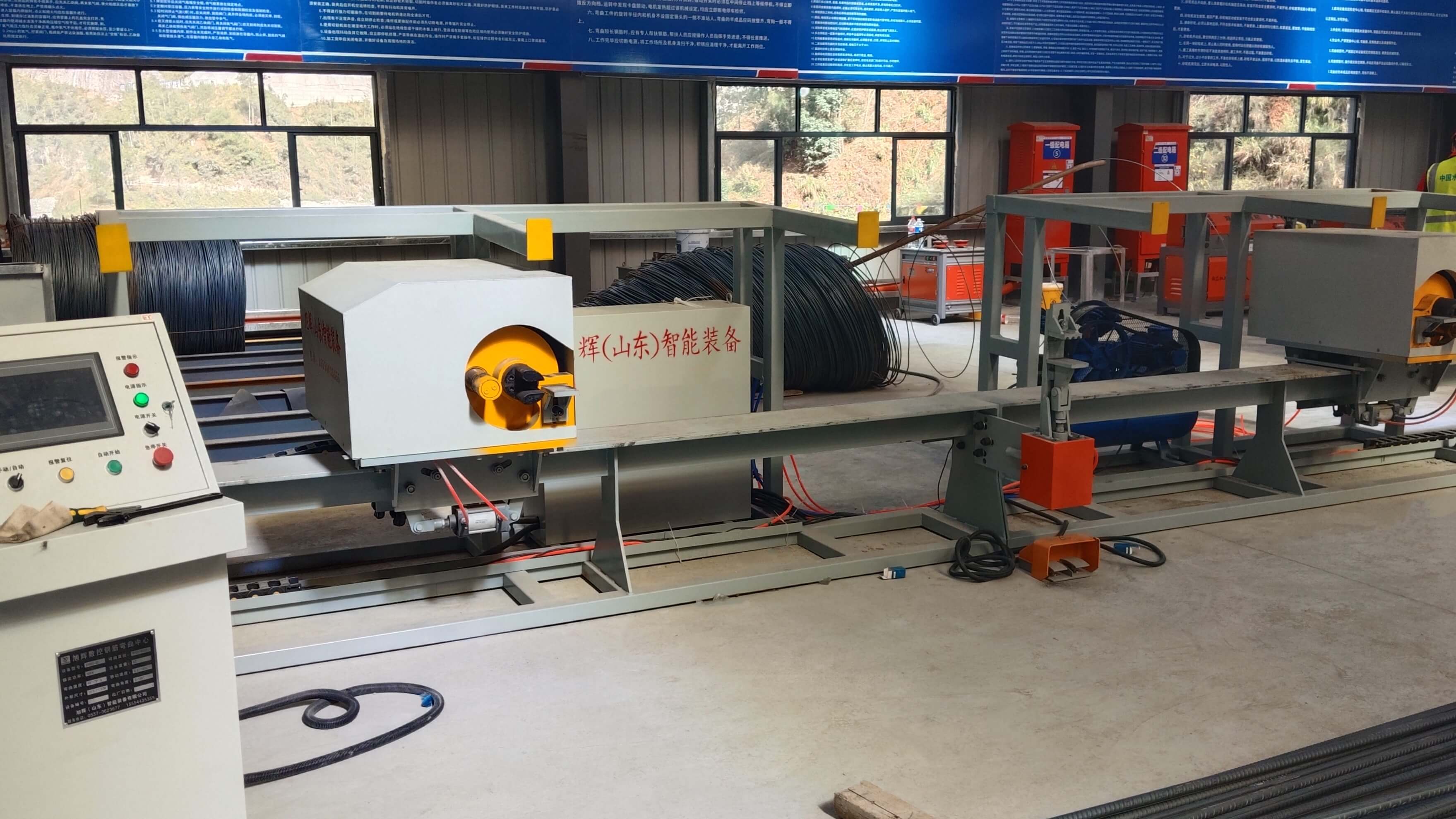
Xuhui (Shandong) Intelligent Equipment’s two-head steel bar bending centers are engineered with advanced technologies to ensure superior performance. Our equipment features high-precision servo control systems, robust mechanical structures, and intelligent fault diagnosis systems, making them ideal for demanding construction environments.
Primary Application Scenarios
Two-head steel bar bending centers find extensive applications in various construction projects where precise and efficient steel bar processing is essential:
1. Highway Construction
In highway projects, two-head bending centers are used to process reinforcement bars for bridge piers, abutments, and retaining walls. The ability to bend bars into complex shapes with high precision ensures proper load distribution and structural integrity. For example, in curved bridge sections, the equipment can produce precisely bent stirrups that match the curvature requirements.
2. Railway Infrastructure
Railway construction demands strict adherence to specifications for track reinforcement and bridge components. Two-head bending centers enable the production of standardized reinforcement bars with consistent quality, reducing installation time and improving overall project efficiency. The equipment’s high processing speed is particularly valuable for large-scale railway projects with tight schedules.
3. Bridge Engineering
Bridges require various specialized steel bar shapes, including complex stirrups, bent bars for pre-stressed concrete, and custom components for bridge decks. Two-head bending centers can handle these diverse requirements efficiently, producing components that meet exact design specifications. This capability is crucial for ensuring the safety and longevity of bridge structures.
4. Tunnel Construction
In tunnel projects, two-head bending centers process reinforcement bars for tunnel linings and support structures. The equipment’s ability to produce consistent, high-quality bent bars contributes to the overall stability of tunnel structures. Additionally, the automated operation reduces manual labor in challenging tunnel environments, improving worker safety.
Advantages Over Traditional Bending Methods
Compared to manual bending or single-head bending machines, two-head steel bar bending centers offer several significant advantages:
- Enhanced Efficiency: The dual-head design allows for simultaneous processing from both ends, reducing cycle times by up to 50% compared to single-head machines. This efficiency gain is particularly valuable for large-scale projects with tight deadlines.
- Improved Precision: Computer-controlled bending ensures consistent accuracy within ±1° or better, eliminating variations caused by manual operation. This precision is essential for meeting strict construction specifications and ensuring structural integrity.
- Reduced Labor Costs: Automated operation minimizes the need for skilled manual labor, reducing labor costs and the risk of work-related injuries. One operator can typically manage the entire bending process, improving overall workforce productivity.
- Versatility: Two-head bending centers can produce a wide range of shapes, including complex bends that would be difficult or impossible to achieve manually. This versatility makes them suitable for diverse construction applications.
- Material Savings: Precise bending reduces material waste by ensuring optimal use of steel bars. The equipment’s ability to process bars to exact lengths and angles minimizes offcuts and rework.
Selection Criteria for Two-Head Steel Bar Bending Centers
Choosing the right two-head steel bar bending center requires careful consideration of several factors to ensure it meets your specific project requirements:
1. Processing Capacity
Evaluate the equipment’s maximum bending diameter and length capabilities to ensure it can handle the steel bar sizes required for your projects. Consider both current needs and potential future requirements to avoid investing in equipment that may become obsolete quickly.
2. Bending Precision
Check the manufacturer’s specified bending accuracy and verify it through demonstrations or customer references. High precision is crucial for projects with strict quality requirements, such as bridge and tunnel construction.
3. Automation Level
Consider the degree of automation offered by the equipment. Fully automated systems with features like automatic feeding, clamping, and programmable bending sequences offer the highest efficiency and consistency. However, they may require more operator training initially.
4. Durability and Reliability
Inquire about the equipment’s construction materials, component quality, and expected service life. Look for machines built with robust steel frames and high-quality mechanical components that can withstand continuous operation in demanding construction environments.
5. After-Sales Support
Evaluate the manufacturer’s after-sales service capabilities, including technical support, spare parts availability, and maintenance services. Reliable after-sales support is essential for minimizing downtime and ensuring long-term equipment performance.
6. Certification and Compliance
Ensure the equipment meets relevant international standards and certifications, such as CE certification for European markets. Compliance with safety and quality standards demonstrates the manufacturer’s commitment to producing reliable equipment.
Maintenance and Operational Tips
Proper maintenance and operation are crucial for maximizing the lifespan and performance of your two-head steel bar bending center:
1. Regular Cleaning
Keep the equipment clean by removing dust, debris, and metal shavings regularly. Pay special attention to the bending heads, gears, and sliding rails, as accumulated debris can affect precision and cause premature wear.
2. Lubrication
Follow the manufacturer’s recommended lubrication schedule for all moving parts. Proper lubrication reduces friction, prevents overheating, and extends the life of mechanical components. Use only lubricants specified by the manufacturer to avoid compatibility issues.
3. Calibration Checks
Periodically verify the equipment’s bending accuracy using calibration tools or test pieces. Recalibrate as needed to maintain the specified precision levels. This is particularly important after moving the equipment or replacing major components.
4. Operator Training
Ensure all operators receive comprehensive training on equipment operation, safety procedures, and basic maintenance tasks. Well-trained operators can identify potential issues early and operate the equipment more efficiently, reducing the risk of accidents and breakdowns.
5. Spare Parts Inventory
Maintain an inventory of critical spare parts, such as bending dies, belts, and bearings, to minimize downtime in case of component failure. Work with your supplier to identify the most commonly replaced parts and establish an appropriate stocking level.
FAQ
What is the maximum bending diameter for a typical two-head steel bar bending center?
The maximum bending diameter varies by model but typically ranges from 6mm to 40mm for standard industrial-grade machines. Some specialized models can handle even larger diameters up to 50mm or more for specific applications.
How does a two-head bending center improve production efficiency compared to single-head machines?
A two-head bending center improves efficiency by enabling simultaneous processing from both ends of the steel bar. This dual-head operation reduces cycle times by up to 50% compared to single-head machines, as it eliminates the need to reposition the bar for bending operations from different directions.
What safety features should I look for in a two-head steel bar bending center?
Essential safety features include emergency stop buttons, protective guards around moving parts, safety interlocks that prevent operation when guards are open, and overload protection systems. Additionally, look for equipment with clear warning labels and operator manuals in multiple languages if needed.
Can two-head bending centers produce complex shapes like spiral stirrups?
Yes, advanced two-head bending centers can produce complex shapes including spiral stirrups, hooks, and various custom bends. The equipment’s programmable control system allows for precise positioning and bending sequences to create these specialized shapes consistently.
How often should I perform maintenance on my two-head steel bar bending center?
The maintenance frequency depends on usage intensity, but general guidelines include daily cleaning, weekly lubrication of moving parts, and monthly calibration checks. A comprehensive inspection and service by qualified technicians should be performed annually or after every 2,000 operating hours, whichever comes first.
Summary
Two-head steel bar bending centers represent a significant advancement in construction equipment technology, offering unparalleled efficiency, precision, and versatility for steel bar processing. By understanding the technical specifications, application scenarios, and selection criteria outlined in this guide, construction professionals can make informed decisions when investing in this essential equipment.
Xuhui (Shandong) Intelligent Equipment stands as a trusted manufacturer of high-quality two-head steel bar bending centers, serving clients worldwide with our advanced technology and comprehensive solutions. Our equipment features CE certification, ensuring compliance with international quality and safety standards. With a commitment to innovation and customer satisfaction, we provide not only top-tier equipment but also complete support services including installation guidance, operator training, and maintenance consulting.
For projects requiring precise and efficient steel bar processing, our two-head bending centers offer the ideal solution. Contact us today to discuss your specific requirements and discover how our equipment can enhance your construction operations, reduce costs, and improve project outcomes.