
Tunnel construction projects require specialized equipment to ensure efficiency, precision, and safety. Among the most critical components is the small duct punching and tapering production line, which plays a vital role in processing tunnel support structures. This comprehensive guide will walk you through everything you need to know about selecting the best production line for your tunnel projects, covering technical specifications, key features, and how to evaluate manufacturers.
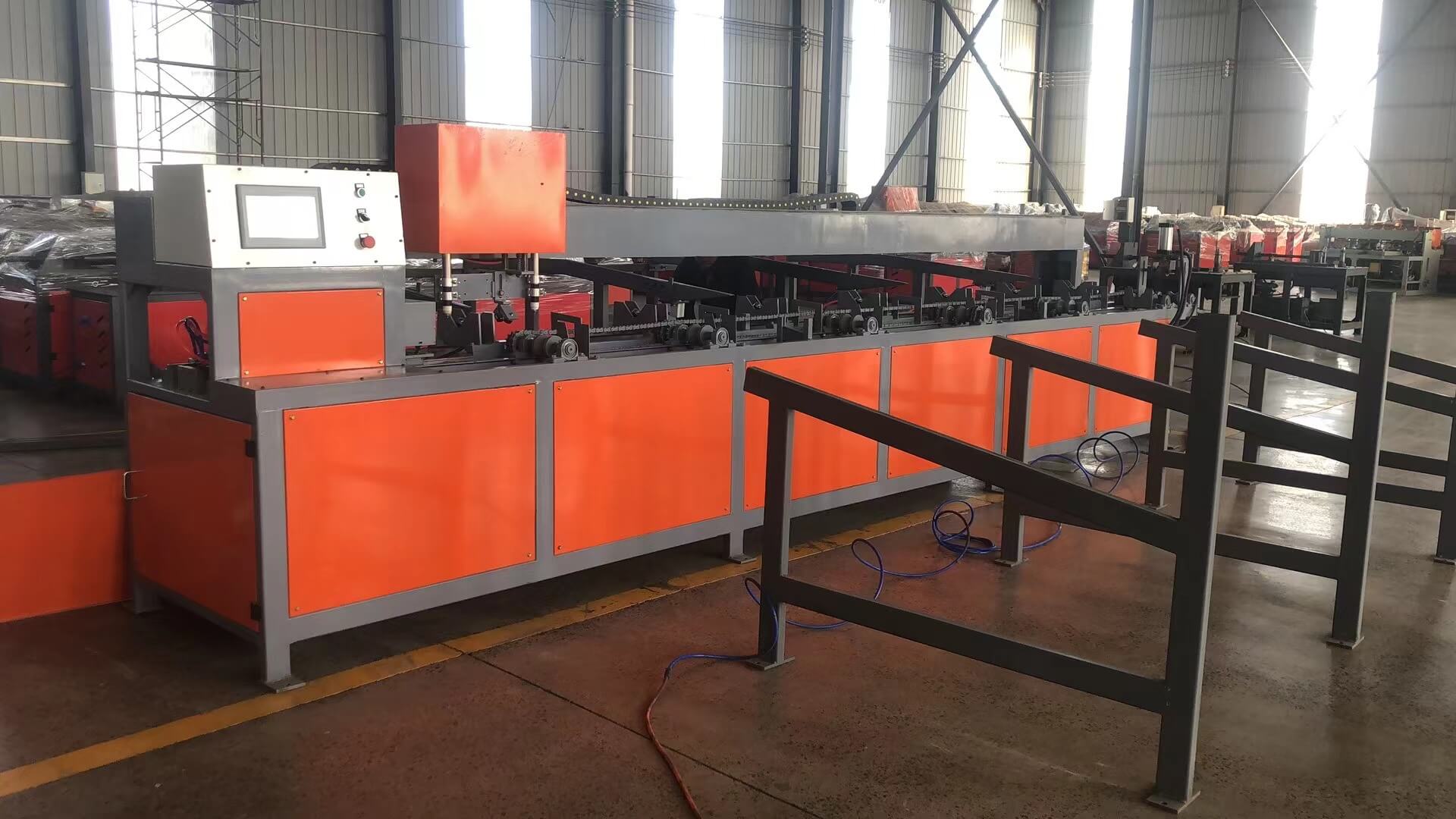
Understanding Tunnel Small Duct Processing Requirements
Before selecting equipment, it’s essential to understand the specific requirements of tunnel construction projects. Small ducts (typically 32-89mm in diameter) serve as critical support structures in tunnel engineering, requiring precise processing to ensure proper installation and load-bearing capacity. The production line must handle two primary operations: punching holes for grout injection and tapering the ends for effective connection between duct sections.
The ideal equipment should provide consistent processing quality while maintaining high production efficiency. This is particularly important for large-scale tunnel projects where thousands of meters of small ducts need processing daily. The equipment must also adapt to different duct specifications and project requirements, offering flexibility in hole patterns, tapering angles, and production speeds.
Key Technical Specifications to Consider
When evaluating different production lines, several technical specifications should be prioritized:
- Processing Range: The equipment should accommodate the full range of duct diameters required for your projects (typically 32-89mm). Some advanced models can process multiple diameters without manual adjustment.
- Punching Precision: Hole positioning accuracy should be within ±0.5mm to ensure proper grout distribution. The punching force should be adjustable to handle different duct wall thicknesses (typically 3-8mm).
- Tapering Quality: The tapering process should create consistent angles (usually 15-30 degrees) without damaging the duct structure. The finished surface should be smooth to facilitate proper connection.
- Production Speed: For large projects, look for equipment capable of processing 10-20 meters per minute, depending on your specific requirements.
- Automation Level: Fully automated systems with PLC control offer better consistency and require less operator intervention compared to semi-automatic models.
- Material Compatibility: The equipment should handle various steel grades commonly used in tunnel construction, including Q235, Q345, and other specified materials.
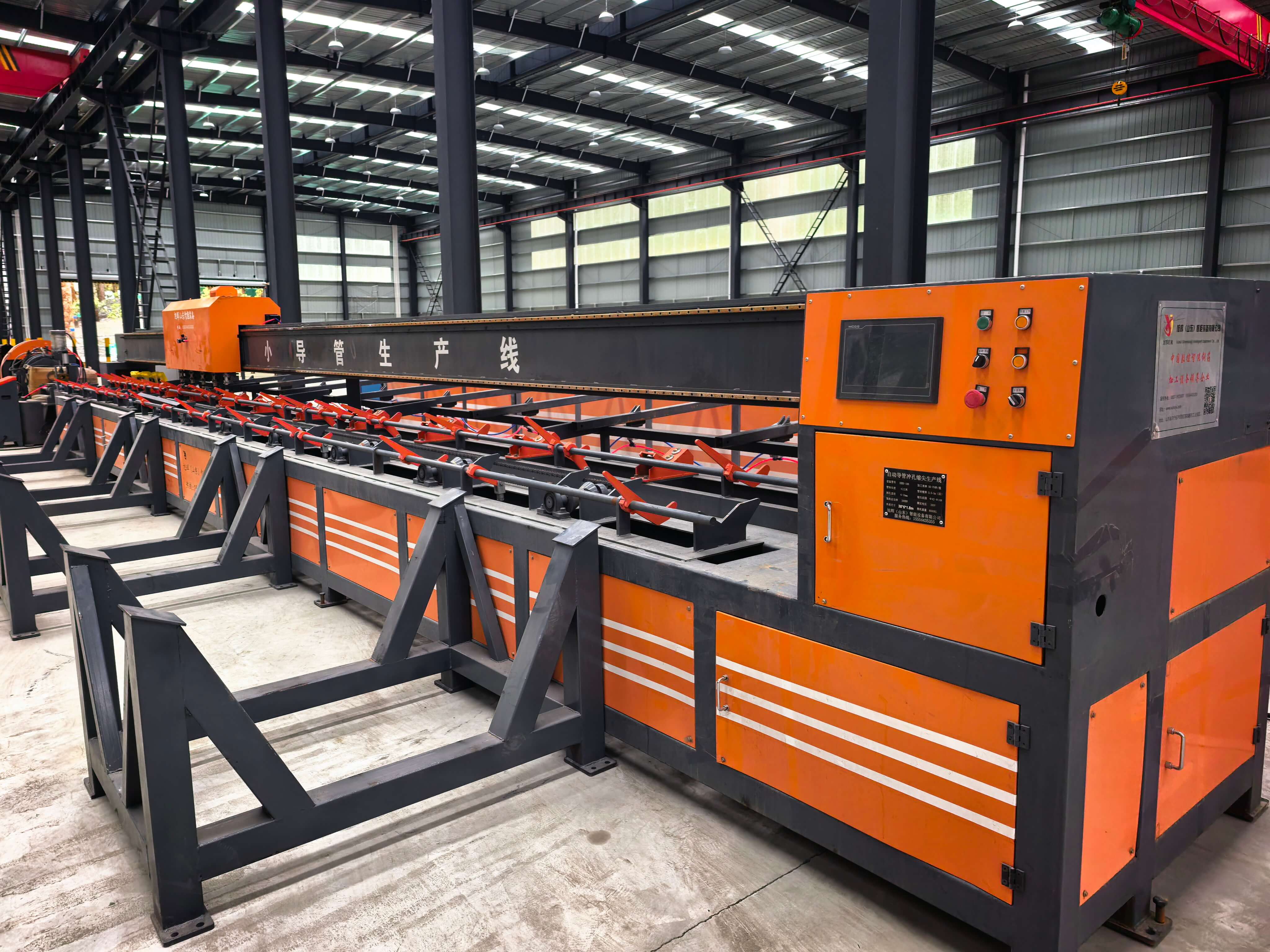
Evaluating Manufacturers and Suppliers
Choosing the right manufacturer is as important as selecting the equipment itself. Here are key factors to consider when evaluating potential suppliers:
1. Industry Experience and Reputation
Look for manufacturers with at least 5-10 years of experience in tunnel equipment production. Established companies like Xuhui (Shandong) Intelligent Equipment Co., Ltd., based in Heze – a major engineering machinery manufacturing base in China, have proven track records in delivering reliable equipment for tunnel projects worldwide. Check their project references and client testimonials to verify their reputation.
2. Technical Certifications
Reliable manufacturers should hold international certifications like CE, which ensures compliance with European safety and quality standards. This is particularly important if you plan to use the equipment in international projects or export markets.
3. Customization Capabilities
The best manufacturers offer customization options to adapt equipment to your specific project requirements. This includes adjusting processing parameters, integrating with existing production lines, or developing special features for unique applications.
4. After-Sales Support
Comprehensive after-sales service is crucial for minimizing downtime. Look for suppliers that offer:
- On-site installation and commissioning
- Operator training programs
- Spare parts availability
- 24/7 technical support
- Regular maintenance services
5. Global Export Experience
If your project requires international shipping, choose manufacturers with experience in global logistics. They should understand customs requirements, provide proper documentation, and offer assistance with installation in different countries.
Comparing Different Production Line Models
When comparing specific models, create a detailed comparison table covering the most important parameters:
| Parameter | Model A | Model B | Model C |
|---|---|---|---|
| Processing Diameter Range | 32-89mm | 42-108mm | 32-76mm |
| Max Punching Force | 500kN | 600kN | 450kN |
| Production Speed | 15m/min | 12m/min | 18m/min |
| Automation Level | Fully automatic PLC control | Semi-automatic with manual loading | Fully automatic with auto feeding |
| Power Consumption | 38kW | 45kW | 32kW |
| Certifications | CE, ISO | ISO | CE, ISO |
Installation and Commissioning Considerations
Proper installation and commissioning are critical for optimal equipment performance. When working with your chosen manufacturer:
- Site Preparation: Ensure your facility meets the equipment’s space, power, and environmental requirements before delivery.
- Professional Installation: Insist on factory-trained technicians for installation to avoid improper setup that could affect performance.
- Comprehensive Testing: Require thorough testing of all functions before final acceptance, including processing different duct sizes and patterns.
- Operator Training: Ensure your team receives proper training on equipment operation, maintenance, and safety procedures.
- Documentation: Obtain complete operation manuals, maintenance guides, and spare parts lists in your preferred language.
FAQ
What makes a tunnel small duct production line different from regular steel pipe processing equipment?
Tunnel small duct production lines are specifically designed for the unique requirements of tunnel construction. They must handle precise punching patterns for grout injection holes and create consistent tapers for duct connections, both critical for tunnel stability. Regular steel pipe equipment typically doesn’t offer this combination of functions with the required precision for tunnel applications.
How can I verify the processing precision of a production line before purchase?
Reputable manufacturers like Xuhui Intelligent Equipment provide testing services using your specific duct samples. Request a trial run with your materials to verify hole positioning accuracy (within ±0.5mm), tapering consistency, and overall processing quality before making a purchase decision.
What maintenance is required for optimal equipment performance?
Regular maintenance includes daily cleaning, weekly lubrication of moving parts, monthly inspection of electrical components, and quarterly calibration of sensors and positioning systems. Follow the manufacturer’s maintenance schedule and keep spare parts on hand for quick replacements. Most manufacturers offer maintenance contracts for comprehensive service.
Can the equipment process different duct sizes without manual adjustment?
Advanced models from leading manufacturers feature automatic size adjustment capabilities. These systems use servo motors and PLC control to switch between different duct diameters (typically 32-89mm) without manual intervention, significantly improving production efficiency for projects requiring multiple duct sizes.
What safety features should I look for in tunnel equipment?
Essential safety features include emergency stop buttons, protective guards around moving parts, safety interlocks, and warning alarms. The equipment should comply with international safety standards like CE and include proper grounding and electrical protection. Operator training on safety procedures is equally important for preventing accidents.
Summary
Selecting the right tunnel small duct punching and tapering production line requires careful consideration of technical specifications, manufacturer reputation, and after-sales support. Prioritize equipment that offers precise processing, high production efficiency, and flexibility for different project requirements. Choose manufacturers with proven experience in tunnel equipment, international certifications, and comprehensive service capabilities. By following this guide and conducting thorough due diligence, you can secure reliable equipment that will enhance your tunnel construction projects’ quality, safety, and profitability for years to come.