
In the modern construction industry, steel mesh welding lines play a crucial role in ensuring structural integrity and efficiency. As infrastructure projects worldwide demand higher standards of quality and productivity, selecting the right welding equipment becomes essential. This comprehensive guide explores everything you need to know about steel mesh welding lines – from choosing reliable suppliers to understanding equipment quality and exploring global solutions.
Understanding Steel Mesh Welding Lines
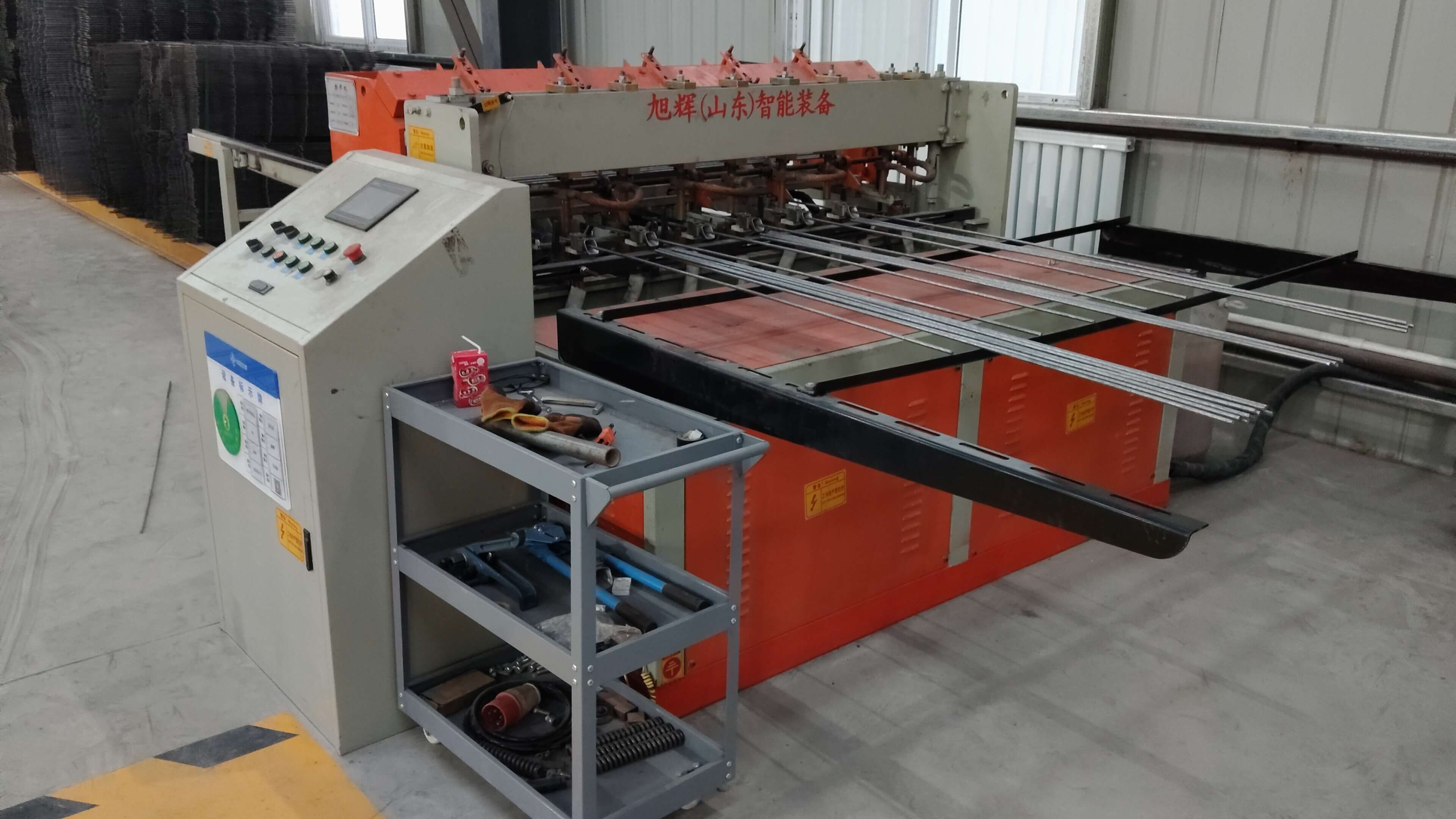
Steel mesh welding lines are automated systems designed to produce reinforced steel mesh used in various construction applications. These machines combine advanced welding technology with precise control systems to create consistent, high-quality mesh products. The welding process typically involves arranging steel wires in a grid pattern and fusing them at intersection points using resistance welding techniques.
Modern steel mesh welding lines offer several advantages over traditional manual methods:
- Increased production speed (up to 10 times faster than manual welding)
- Consistent weld quality throughout the mesh
- Reduced labor costs and dependency on skilled welders
- Ability to produce complex mesh patterns with precision
- Improved workplace safety by minimizing manual handling
Key Components of High-Quality Steel Mesh Welding Lines
When evaluating different welding lines, several critical components determine the overall performance and reliability of the equipment:
1. Welding System
The core of any welding line is its welding system. High-quality machines use advanced resistance welding technology with precise control over welding current, time, and pressure. This ensures strong, consistent welds at every intersection point of the mesh.
2. Wire Feeding Mechanism
A reliable wire feeding system ensures smooth and continuous delivery of steel wires to the welding station. Look for machines with servo-driven feeding systems that offer precise control over wire spacing and tension.
3. Cross Wire Placement System
This component determines the accuracy of wire spacing in both directions. Advanced systems use laser or mechanical guides to ensure perfect alignment of cross wires, resulting in uniform mesh dimensions.
4. Control System
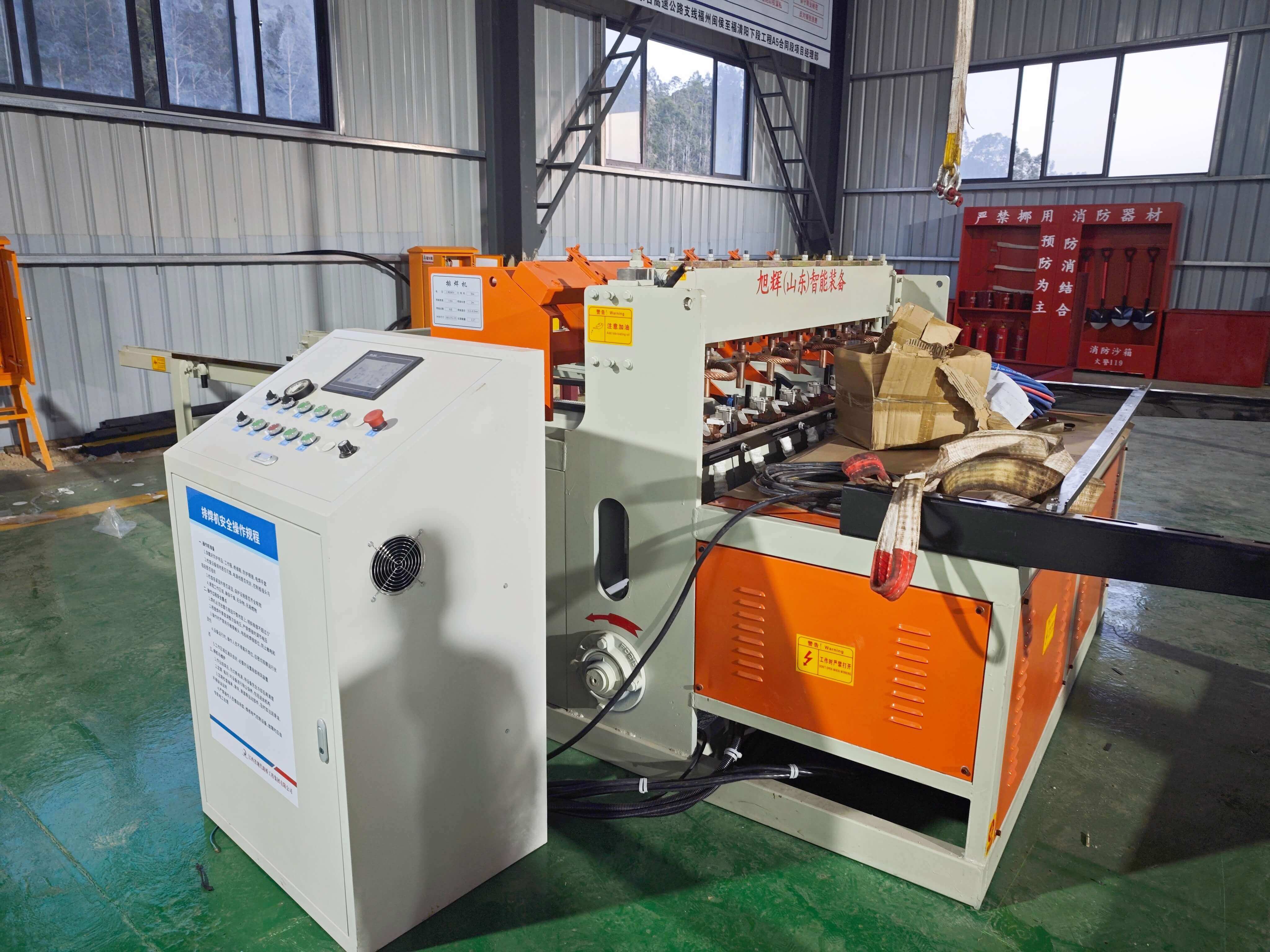
Modern welding lines feature sophisticated PLC (Programmable Logic Controller) systems with touchscreen interfaces. These allow for easy programming of different mesh patterns, sizes, and welding parameters.
Types of Steel Mesh Welding Lines Available
The market offers various types of steel mesh welding lines tailored to different production requirements and applications:
| Type | Capacity | Applications |
|---|---|---|
| Standard Mesh Welding Line | 500-1500 welds/hour | Building walls, floors, road construction |
| High-Speed Mesh Welding Line | 1500-3000 welds/hour | Large infrastructure projects, prefabrication |
| Heavy-Duty Mesh Welding Line | Up to 5000 welds/hour | Bridge construction, tunnel reinforcement |
| Custom Mesh Welding Line | Variable | Specialized applications, unique mesh patterns |
How to Choose a Reliable Steel Mesh Welding Line Supplier
Selecting the right supplier is crucial for ensuring equipment quality, reliability, and long-term support. Consider these factors when evaluating potential suppliers:
1. Manufacturing Expertise
Look for suppliers with extensive experience in designing and manufacturing steel mesh welding lines. Companies like Xuhui (Shandong) Intelligent Equipment Co., Ltd., based in Heze – a major engineering machinery manufacturing base in China, offer proven expertise in this field.
2. Quality Certifications
Ensure the supplier’s products meet international quality standards. The CE certification is particularly important for global markets as it indicates compliance with European safety, health, and environmental requirements.
3. Technical Support and Services
A reliable supplier should offer comprehensive after-sales support, including installation guidance, operator training, maintenance consulting, and spare parts availability. This ensures your equipment operates at peak efficiency throughout its lifespan.
4. Customization Capabilities
Choose a supplier that can tailor equipment to your specific production requirements. Customization options might include adjusting mesh dimensions, welding parameters, or integrating with your existing production line.
5. Global Export Experience
For international projects, select a supplier with experience in global exports. They should understand international shipping requirements, customs procedures, and be able to provide documentation needed for your project.
Quality Standards for Steel Mesh Welding Lines
When evaluating equipment quality, several international standards provide benchmarks for performance and safety:
- CE Certification: Indicates compliance with European Union safety, health, and environmental requirements
- ISO 9001: Quality management system standards ensuring consistent production processes
- EN 1090: European standard for execution of steel structures and aluminum structures
- ASTM Standards: American Society for Testing and Materials standards for welding procedures and materials
Reputable manufacturers like Xuhui (Shandong) Intelligent Equipment Co., Ltd. ensure their products meet or exceed these standards, providing you with reliable equipment that delivers consistent performance.
Applications of Steel Mesh Welding Lines in Construction
Steel mesh welding lines produce reinforced mesh used in various construction applications:
- Building Construction: Wall reinforcement, floor slabs, foundation reinforcement
- Road Construction: Road surface reinforcement, bridge deck reinforcement
- Infrastructure Projects: Tunnel lining, dam construction, airport runways
- Prefabrication: Precast concrete elements, modular building components
- Specialized Applications: Seismic reinforcement, blast-resistant structures
FAQ
What makes Xuhui’s steel mesh welding lines different from other suppliers?
Xuhui (Shandong) Intelligent Equipment Co., Ltd. combines advanced technology with extensive industry experience. Our steel mesh welding lines feature precise welding control, high production speeds, and customizable configurations. All our equipment comes with CE certification and is backed by comprehensive global support services.
Can your steel mesh welding lines be customized for specific project requirements?
Yes, we specialize in providing customized solutions. Our engineering team works closely with clients to design equipment that meets their exact specifications, including mesh dimensions, welding parameters, and production capacity requirements.
What quality certifications do your steel mesh welding lines have?
All our steel mesh welding lines are CE certified, meeting European safety, health, and environmental standards. We also adhere to ISO 9001 quality management systems to ensure consistent production quality across all our equipment.
How do you ensure the long-term reliability of your welding equipment?
We use high-quality components from reputable suppliers and implement rigorous quality control during manufacturing. Additionally, we provide comprehensive after-sales support including operator training, maintenance consulting, and readily available spare parts to ensure your equipment operates reliably for years.
What types of steel mesh can your welding lines produce?
Our equipment can produce various mesh types including standard rectangular mesh, specialized patterns for seismic reinforcement, and custom designs for unique applications. We can accommodate different wire diameters and spacing requirements based on your project specifications.
Do you provide installation and training services for international clients?
Yes, we offer complete installation guidance and operator training as part of our global support package. Our technical team can travel to your site or provide remote assistance to ensure proper equipment setup and operation.
What maintenance is required for steel mesh welding lines?
Regular maintenance includes cleaning welding electrodes, checking wire feeding mechanisms, lubricating moving parts, and inspecting electrical connections. We provide detailed maintenance manuals and can train your staff on proper maintenance procedures.
How does your equipment improve production efficiency compared to manual welding?
Our automated steel mesh welding lines can increase production speed by up to 10 times compared to manual methods while ensuring consistent weld quality. This reduces labor costs, minimizes human error, and allows for continuous operation to meet tight project deadlines.
Can your welding lines integrate with existing production systems?
Yes, we design our equipment with flexibility in mind. Our team can work with you to ensure seamless integration with your existing production lines, including material handling systems and quality control processes.
What warranty do you offer on your steel mesh welding lines?
We provide a standard 12-month warranty on all our equipment, covering manufacturing defects and workmanship issues. Extended warranty options are available upon request.
Summary
Choosing the right steel mesh welding line is crucial for construction projects requiring high-quality reinforced mesh. By understanding the key components, types of equipment available, and quality standards to look for, you can make an informed decision that meets your production requirements and budget. Reputable suppliers like Xuhui (Shandong) Intelligent Equipment Co., Ltd. offer CE-certified, customizable solutions backed by comprehensive global support.
Investing in a high-quality steel mesh welding line not only improves production efficiency but also ensures consistent weld quality that meets international standards. With the right equipment and supplier partnership, you can enhance your construction projects’ structural integrity while reducing long-term maintenance costs.