
In the realm of modern construction and infrastructure development, precision and efficiency are paramount. CNC (Computer Numerical Control) bar steel cutting production lines have emerged as a game-changer, revolutionizing the way steel bars are processed for various projects. Whether it’s highways, high-speed railways, airports, or large-scale building complexes, these advanced machines play a crucial role in ensuring standardized and high-quality steel processing. This comprehensive guide delves into the world of CNC bar steel cutting production lines, exploring their features, applications, and key considerations for selecting the right equipment.
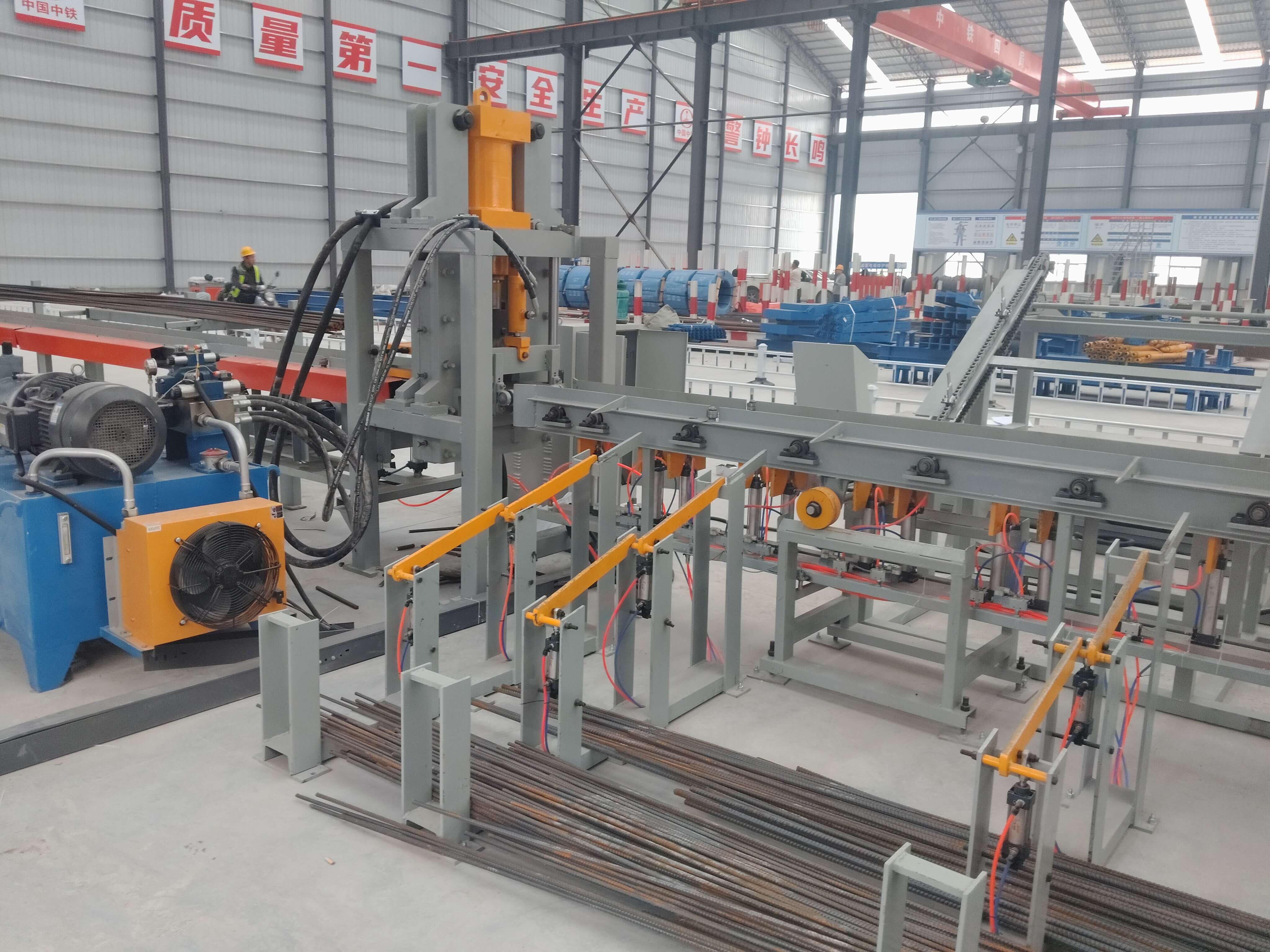
Understanding CNC Bar Steel Cutting Production Lines
A CNC bar steel cutting production line is an integrated system designed to automate the process of cutting, threading, and polishing steel bars with high precision and efficiency. These lines typically consist of several key components, including a feeding system, cutting machine, threading unit, polishing station, and control panel. By leveraging advanced CNC technology, these machines can perform complex operations with minimal human intervention, ensuring consistent quality and reducing labor costs.
One of the standout features of CNC bar steel cutting production lines is their ability to handle a wide range of steel bar sizes and specifications. Whether it’s standard rebar or custom-sized bars, these machines can be programmed to cut and process them according to specific project requirements. This flexibility makes them ideal for use in diverse construction scenarios, from small-scale residential projects to large-scale infrastructure developments.
Key Components and Functionality
The core components of a CNC bar steel cutting production line work in harmony to deliver seamless steel processing. The feeding system is responsible for transporting steel bars from the storage area to the cutting machine. It ensures a steady supply of bars, minimizing downtime and maximizing productivity. The cutting machine, equipped with high-precision blades or lasers, accurately cuts the bars to the desired lengths. The threading unit then adds threads to the cut ends, enabling easy connection with other steel components. Finally, the polishing station smooths out any rough edges, ensuring a clean and professional finish.
The control panel serves as the brain of the production line, allowing operators to program and monitor the entire process. With intuitive interfaces and advanced software, operators can easily set cutting parameters, track production progress, and troubleshoot any issues that may arise. This level of automation and control not only enhances efficiency but also reduces the risk of human error, ensuring consistent quality across all processed steel bars.
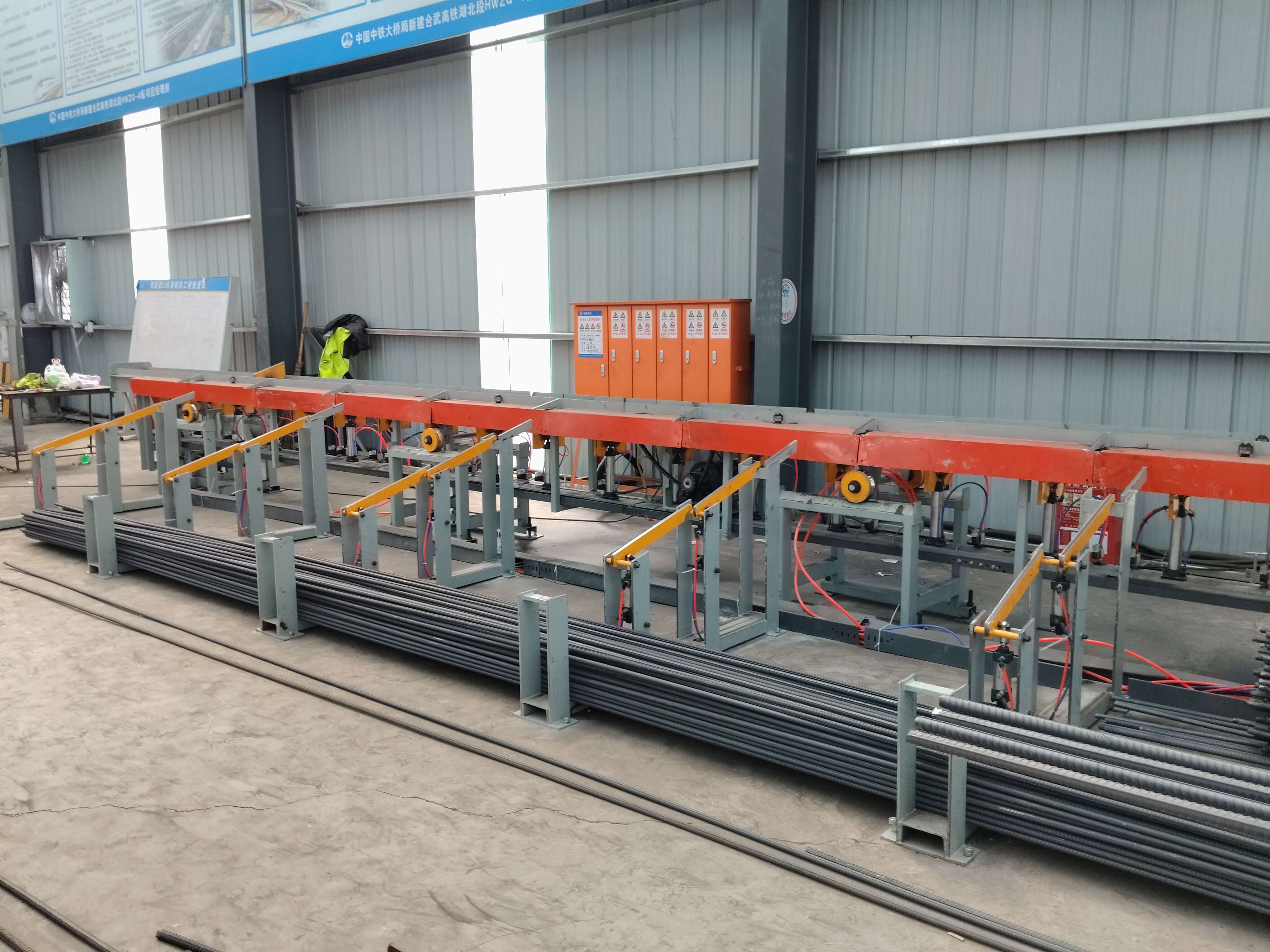
Advantages of CNC Bar Steel Cutting Production Lines
The adoption of CNC bar steel cutting production lines offers numerous advantages for construction companies and steel processing facilities. Firstly, these machines significantly improve processing efficiency, allowing for higher production volumes in less time. This is particularly beneficial for large-scale projects with tight deadlines, where timely delivery of processed steel bars is crucial.
Secondly, CNC technology ensures consistent quality across all processed bars. By eliminating manual operations and relying on precise programming, these machines minimize variations in cutting lengths, threading accuracy, and polishing quality. This consistency is essential for maintaining structural integrity and ensuring the safety of construction projects.
Another key advantage is the reduction in labor costs. With automated processes handling most of the work, fewer operators are needed to oversee the production line. This not only cuts down on wage expenses but also frees up human resources for more complex tasks that require specialized skills.
Furthermore, CNC bar steel cutting production lines are highly adaptable to changing project requirements. By simply adjusting the programming parameters, operators can switch between different bar sizes, cutting lengths, and threading specifications. This flexibility allows construction companies to respond quickly to design changes or unexpected project demands without incurring significant downtime or additional costs.
Applications in Construction and Infrastructure Projects
CNC bar steel cutting production lines find extensive applications in various construction and infrastructure projects. In highway construction, these machines are used to process rebar for bridge decks, retaining walls, and other structural elements. The precise cutting and threading capabilities ensure that the rebar fits perfectly into the design specifications, enhancing the overall strength and durability of the highway.
Similarly, in high-speed railway projects, CNC bar steel cutting production lines play a vital role in processing steel bars for tracks, viaducts, and stations. The high precision and consistency of these machines are critical for maintaining the smooth operation and safety of high-speed trains. Any variations in bar size or threading quality could lead to structural weaknesses or track misalignments, posing significant risks to passenger safety.
Airports are another key application area for CNC bar steel cutting production lines. From terminal buildings to runways and taxiways, these machines are used to process steel bars for various structural components. The ability to handle large volumes of bars with high precision ensures that airport construction projects are completed on time and within budget, while meeting stringent safety standards.
In addition to these large-scale projects, CNC bar steel cutting production lines are also widely used in bridge and tunnel engineering, power plant construction, and large building complexes. Their versatility and efficiency make them an indispensable tool for any construction project that requires high-quality steel processing.
Selecting the Right CNC Bar Steel Cutting Production Line
Choosing the right CNC bar steel cutting production line is crucial for ensuring optimal performance and return on investment. When evaluating different models and suppliers, several key factors should be considered. Firstly, the machine’s processing capacity should align with the project’s requirements. This includes the maximum bar size, cutting length, and production volume. Selecting a machine with sufficient capacity ensures that it can handle the workload without frequent breakdowns or maintenance issues.
Secondly, the precision and accuracy of the cutting and threading processes are critical. Look for machines that utilize advanced CNC technology and high-quality components to ensure consistent and reliable performance. Reading customer reviews and case studies can provide valuable insights into the machine’s real-world performance and reliability.
Another important consideration is the supplier’s reputation and after-sales support. Choose a supplier with a proven track record in the industry and a strong commitment to customer satisfaction. This includes providing comprehensive installation guidance, operator training, and ongoing maintenance and technical support. A reliable supplier will ensure that the production line operates smoothly throughout its lifespan, minimizing downtime and maximizing productivity.
Additionally, consider the machine’s adaptability and flexibility. Look for models that offer easy programming and adjustment capabilities, allowing operators to switch between different bar sizes and specifications quickly. This flexibility is particularly beneficial for construction companies that work on multiple projects with varying requirements.
Finally, evaluate the overall cost of ownership, including the initial purchase price, operating costs, and maintenance expenses. While it may be tempting to opt for the cheapest option, investing in a high-quality machine with lower operating costs and longer lifespan can provide better long-term value. Consider the total cost of ownership over the machine’s expected lifespan to make an informed decision.
FAQ
What is the main advantage of using a CNC bar steel cutting production line?
The main advantage is the significant improvement in processing efficiency and consistency. CNC technology ensures precise cutting, threading, and polishing of steel bars, reducing human error and enhancing overall quality. This leads to higher production volumes, lower labor costs, and improved project timelines.
How do I choose the right CNC bar steel cutting production line for my project?
Consider factors such as processing capacity, precision and accuracy, supplier reputation, adaptability, and overall cost of ownership. Ensure the machine can handle your project’s specific requirements in terms of bar size, cutting length, and production volume. Choose a reputable supplier with strong after-sales support and a proven track record in the industry.
Can CNC bar steel cutting production lines be customized for specific project needs?
Yes, many suppliers offer customization options to meet specific project requirements. This includes adjusting the machine’s programming parameters, adding specialized components, or integrating additional features. Customization ensures that the production line can handle unique bar sizes, cutting lengths, and threading specifications, providing greater flexibility and adaptability.
What maintenance is required for a CNC bar steel cutting production line?
Regular maintenance is essential for ensuring optimal performance and longevity. This includes cleaning the machine, lubricating moving parts, inspecting blades or lasers for wear, and checking electrical connections. Follow the manufacturer’s maintenance guidelines and schedule regular inspections to identify and address any issues before they escalate into major problems.
How does CNC technology improve the safety of steel processing?
CNC technology reduces the need for manual operations, minimizing the risk of accidents and injuries. By automating the cutting, threading, and polishing processes, operators are exposed to fewer hazards, such as sharp blades, hot surfaces, and heavy lifting. Additionally, CNC machines are equipped with safety features, such as emergency stop buttons and protective enclosures, to further enhance operator safety.
Summary
CNC bar steel cutting production lines have revolutionized the steel processing industry, offering unparalleled efficiency, precision, and consistency. These advanced machines play a crucial role in various construction and infrastructure projects, from highways and high-speed railways to airports and large building complexes. By leveraging CNC technology, construction companies can significantly improve their processing capabilities, reduce labor costs, and enhance overall project quality.
When selecting a CNC bar steel cutting production line, it’s essential to consider factors such as processing capacity, precision, supplier reputation, adaptability, and cost of ownership. By choosing a high-quality machine from a reputable supplier, construction companies can ensure optimal performance and long-term value. With the right equipment and support, CNC bar steel cutting production lines can help drive the success of any construction project, big or small.