
In the realm of construction, particularly in large-scale infrastructure projects such as bridges, subways, and high-rise buildings, the efficiency and precision of steel reinforcement cage production are paramount. The steel reinforcement cage rolling welder, an advanced piece of equipment, has revolutionized the way these essential components are manufactured. This article delves into the intricacies of steel reinforcement cage rolling welders, exploring their features, advantages, applications, and how to select the right supplier for your needs.
Understanding Steel Reinforcement Cage Rolling Welders
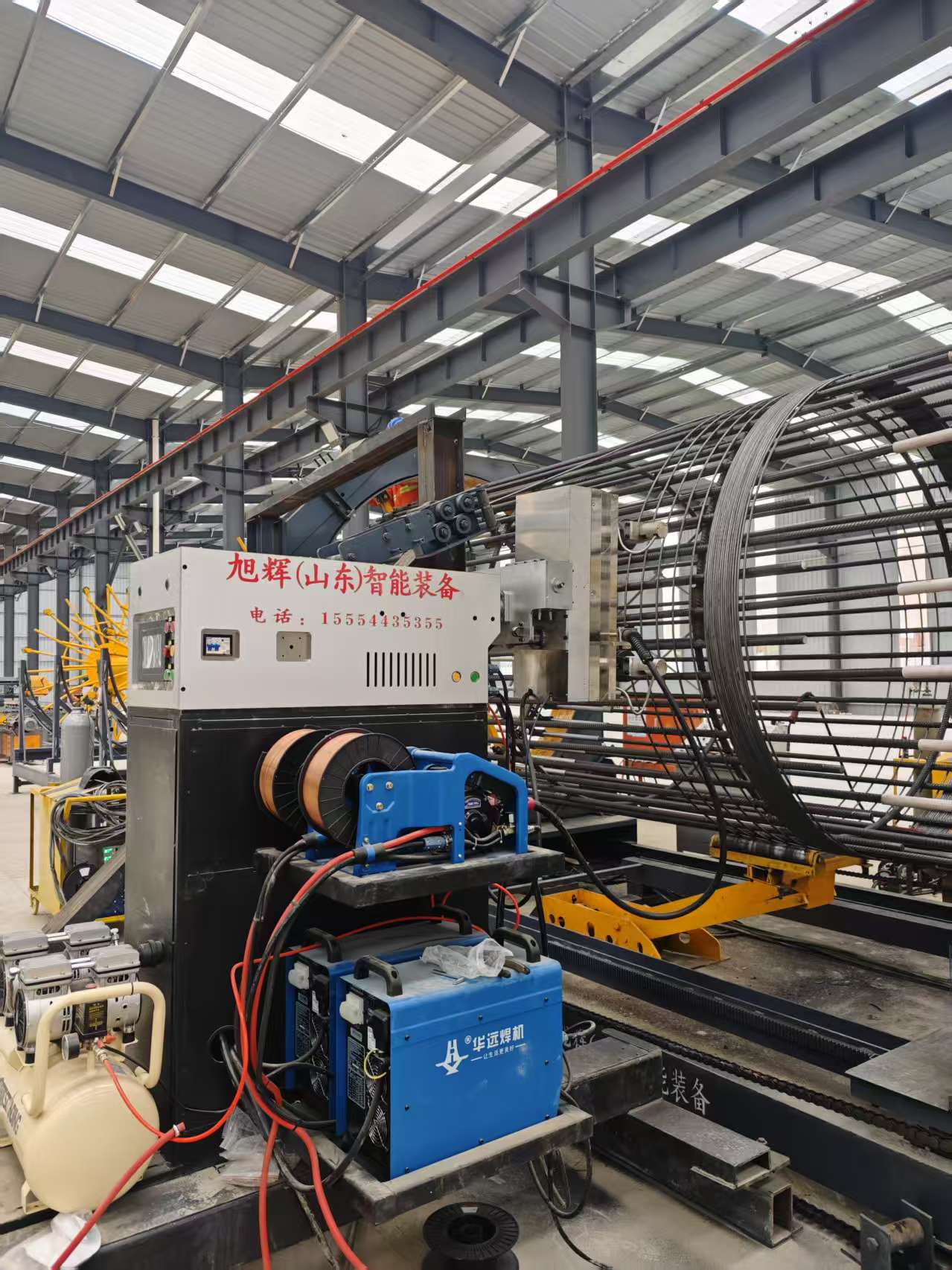
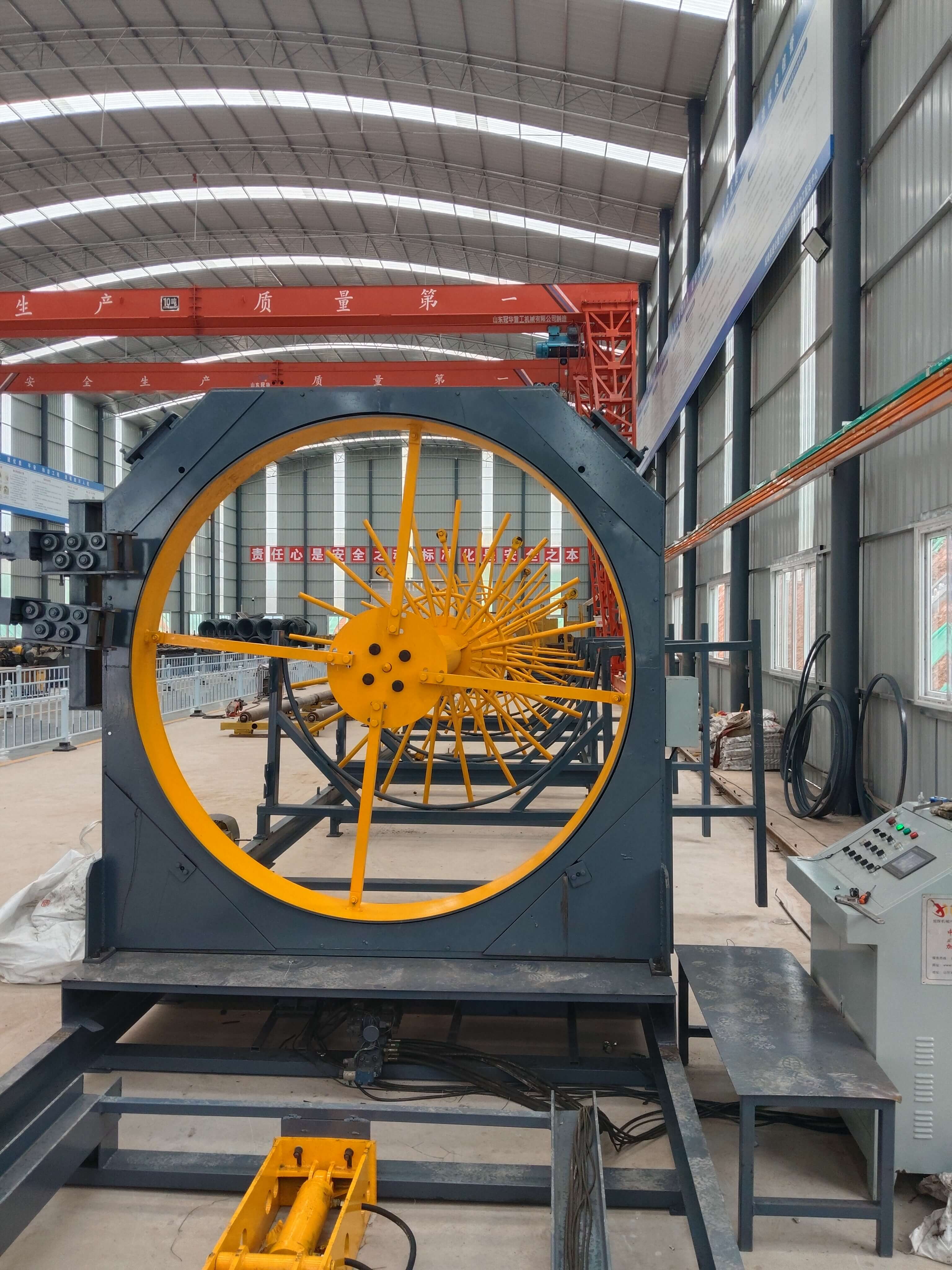
A steel reinforcement cage rolling welder, also known as an automatic steel reinforcement cage welding machine or CNC steel reinforcement cage rolling welder, is a sophisticated piece of equipment designed to automate the process of binding and welding steel reinforcement cages. These cages are crucial components in reinforced concrete structures, providing tensile strength and ensuring the structural integrity of buildings, bridges, and other infrastructure.
Traditionally, the production of steel reinforcement cages involved manual labor, which was time-consuming, labor-intensive, and prone to human error. The introduction of steel reinforcement cage rolling welders has transformed this process, enabling faster production, higher precision, and consistent quality. These machines can automatically complete the binding and welding of steel reinforcement cages, replacing traditional manual operations and significantly improving production efficiency.
Key Features of Steel Reinforcement Cage Rolling Welders
When considering the purchase of a steel reinforcement cage rolling welder, it’s essential to understand the key features that distinguish high-quality machines from their counterparts. Here are some of the most critical features to look for:
1. Automation and CNC Control
The hallmark of a modern steel reinforcement cage rolling welder is its automation capabilities. CNC (Computer Numerical Control) technology allows for precise control over the welding process, ensuring consistent quality and reducing the need for manual intervention. This automation not only speeds up production but also minimizes the risk of errors, leading to higher-quality steel reinforcement cages.
2. High Precision and Accuracy
Precision is crucial in the production of steel reinforcement cages, as even minor deviations can compromise the structural integrity of the final product. High-quality steel reinforcement cage rolling welders are equipped with advanced sensors and control systems that ensure precise positioning and welding of the steel bars, resulting in cages that meet exact specifications.
3. Versatility and Flexibility
Different construction projects may require steel reinforcement cages of varying sizes and shapes. A versatile steel reinforcement cage rolling welder should be able to accommodate a wide range of cage dimensions and configurations, allowing for flexibility in production. This versatility is particularly important for manufacturers serving diverse markets and project types.
4. Durability and Reliability
Given the demanding nature of construction environments, steel reinforcement cage rolling welders must be built to withstand harsh conditions and continuous operation. Look for machines constructed from high-quality materials, with robust frames and components that can endure the rigors of daily use without compromising performance.
Applications of Steel Reinforcement Cage Rolling Welders
Steel reinforcement cage rolling welders find applications in a wide range of construction projects, particularly those involving reinforced concrete structures. Here are some of the most common applications:
1. Bridge Construction
Bridges are among the most critical infrastructure components, requiring robust and durable construction to withstand heavy loads and environmental factors. Steel reinforcement cage rolling welders are extensively used in bridge construction to produce high-quality cages that provide the necessary tensile strength and structural support.
2. Subway and Tunnel Projects
Subway systems and tunnels demand precise and reliable construction methods to ensure safety and longevity. Steel reinforcement cage rolling welders play a vital role in these projects, producing cages that reinforce the tunnel walls and ceilings, preventing collapse and ensuring the stability of the underground structures.
3. High-Rise Buildings
In the construction of high-rise buildings, steel reinforcement cages are essential for reinforcing the concrete columns and beams that support the structure. Steel reinforcement cage rolling welders enable the efficient production of these cages, contributing to the overall strength and stability of the building.
4. Large Infrastructure Projects
Beyond bridges and buildings, steel reinforcement cage rolling welders are also used in various other large infrastructure projects, such as dams, airports, and power plants. These projects require massive amounts of reinforced concrete, making the automation and efficiency of steel reinforcement cage rolling welders invaluable.
| Feature | Description |
|---|---|
| Automation Level | Fully automatic with CNC control for precise operations |
| Precision | High precision sensors ensure accurate positioning and welding |
| Versatility | Accommodates a wide range of cage sizes and configurations |
| Durability | Built with high-quality materials for long-lasting performance |
Selecting the Right Steel Reinforcement Cage Rolling Welder Supplier
Choosing the right supplier for your steel reinforcement cage rolling welder is crucial to ensuring the success of your construction projects. Here are some key factors to consider when selecting a supplier:
1. Experience and Expertise
Look for a supplier with extensive experience in the manufacturing and supply of steel reinforcement cage rolling welders. An experienced supplier will have a deep understanding of the industry’s needs and challenges, enabling them to provide tailored solutions and expert advice.
2. Product Quality and Certification
Ensure that the supplier’s products meet international quality standards and are certified by relevant authorities. For instance, EU CE certification is a mark of quality and safety, indicating that the machine complies with European Union regulations. A supplier that offers CE-certified machines demonstrates their commitment to providing high-quality, reliable equipment.
3. Customization Capabilities
Different construction projects may have unique requirements for steel reinforcement cages. Choose a supplier that offers customization capabilities, allowing you to tailor the machine to your specific needs. This flexibility can be invaluable in ensuring that the machine meets your production requirements and project specifications.
4. After-Sales Support and Services
The relationship with your supplier doesn’t end after the purchase. Look for a supplier that offers comprehensive after-sales support and services, including installation guidance, operation training, and maintenance consulting. This support can help you maximize the machine’s performance, minimize downtime, and ensure its long-term reliability.
FAQ
What are the main advantages of using a steel reinforcement cage rolling welder?
The main advantages of using a steel reinforcement cage rolling welder include increased production efficiency, higher precision and accuracy, reduced labor costs, and improved product quality. These machines automate the binding and welding process, minimizing human error and ensuring consistent, high-quality steel reinforcement cages.
How do I choose the right steel reinforcement cage rolling welder for my project?
To choose the right steel reinforcement cage rolling welder, consider factors such as the machine’s automation level, precision, versatility, and durability. Additionally, evaluate the supplier’s experience, product quality, customization capabilities, and after-sales support. Select a machine that meets your project’s specific requirements and a supplier that can provide reliable, ongoing support.
What certifications should I look for in a steel reinforcement cage rolling welder?
When selecting a steel reinforcement cage rolling welder, look for certifications that indicate compliance with international quality and safety standards. EU CE certification is particularly important, as it signifies that the machine meets European Union regulations and is safe for use in construction projects.
Can a steel reinforcement cage rolling welder be customized to meet my specific needs?
Yes, many steel reinforcement cage rolling welder suppliers offer customization capabilities, allowing you to tailor the machine to your specific production requirements and project specifications. This flexibility can be invaluable in ensuring that the machine meets your unique needs and contributes to the success of your construction projects.
What after-sales support and services should I expect from a steel reinforcement cage rolling welder supplier?
A reputable steel reinforcement cage rolling welder supplier should offer comprehensive after-sales support and services, including installation guidance, operation training, and maintenance consulting. This support can help you maximize the machine’s performance, minimize downtime, and ensure its long-term reliability, contributing to the overall success of your construction projects.
Summary
The steel reinforcement cage rolling welder is a game-changer in the construction industry, offering unparalleled efficiency, precision, and reliability in the production of steel reinforcement cages. By understanding the key features, applications, and selection criteria for these machines, you can make an informed decision and choose the right supplier for your needs. Whether you’re involved in bridge construction, subway projects, high-rise buildings, or other large infrastructure projects, a high-quality steel reinforcement cage rolling welder can significantly contribute to the success and durability of your construction endeavors.