
In modern construction projects, especially large-scale infrastructure developments like highways, bridges, and prefabricated component factories, the demand for efficient and precise rebar processing equipment continues to grow. The intelligent four-head steel bar bending center has emerged as a critical solution for meeting these requirements, offering automated, high-precision bending capabilities that significantly improve productivity and product quality. This comprehensive guide explores the key considerations for selecting the right equipment, introduces top manufacturers, and examines real-world applications of these advanced machines.
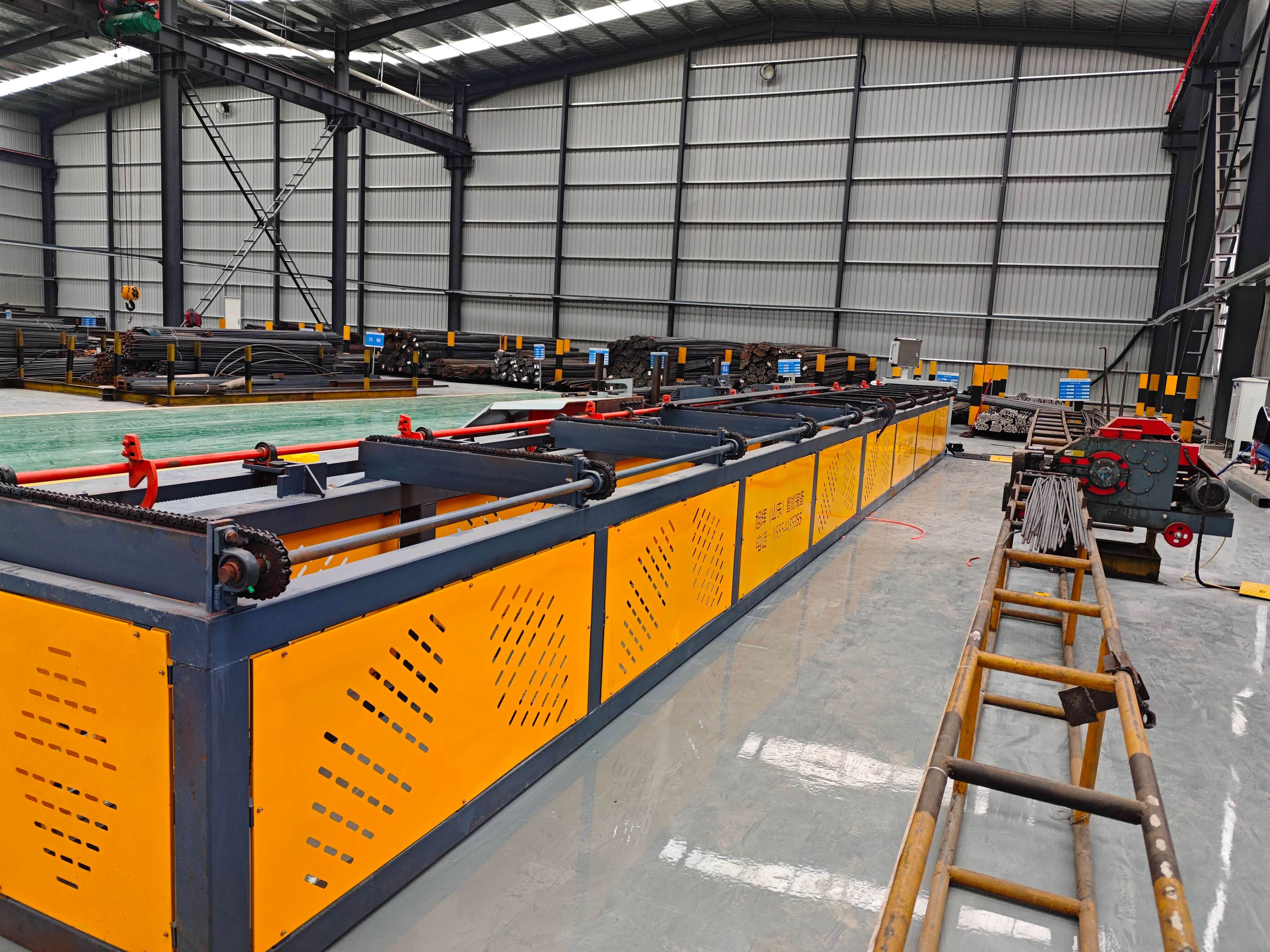
Understanding the Intelligent Four-Head Steel Bar Bending Center
The intelligent four-head steel bar bending center represents a significant advancement in rebar processing technology. Unlike traditional single-head or dual-head bending machines, this equipment features four independent bending heads that can operate simultaneously or individually, enabling complex bending patterns and high-volume production. The “intelligent” aspect refers to its automated control system, which allows for precise programming of bending angles, lengths, and sequences through digital interfaces.
These machines typically incorporate advanced features such as:
- Computer numerical control (CNC) systems for precise operation
- Automatic material feeding and clamping mechanisms
- Multi-axis bending capabilities for complex shapes
- Touchscreen interfaces with graphical programming
- Self-diagnostic functions for maintenance alerts
- Data storage for repeatable production runs
The combination of these features makes the four-head bending center ideal for projects requiring consistent production of high-quality rebar components with complex geometries, such as stirrups, columns, and beams in bridge and building construction.
Key Selection Criteria for Intelligent Four-Head Bending Centers
When evaluating different models and manufacturers, several critical factors should influence your purchasing decision:
1. Bending Precision and Consistency
The primary advantage of intelligent bending centers is their ability to produce consistently precise bends. Look for machines with high-resolution servo motors and closed-loop control systems that maintain accuracy within ±0.5mm or better. This level of precision is essential for meeting stringent construction standards and ensuring proper fit during assembly.
2. Production Capacity
Evaluate the machine’s maximum bending speed (typically measured in bends per minute) and its ability to handle multiple bars simultaneously. For large-scale projects, select equipment that can process 4-8 bars at once with bending speeds of 15-30 bends per minute per head. This ensures you can meet tight project deadlines without compromising quality.
3. Material Compatibility
Verify that the machine can handle the rebar diameters and grades specified in your projects. Most four-head bending centers accommodate diameters from 6mm to 40mm, with some models capable of processing even larger bars. Also consider whether the machine can work with different steel grades, including high-strength and corrosion-resistant varieties.
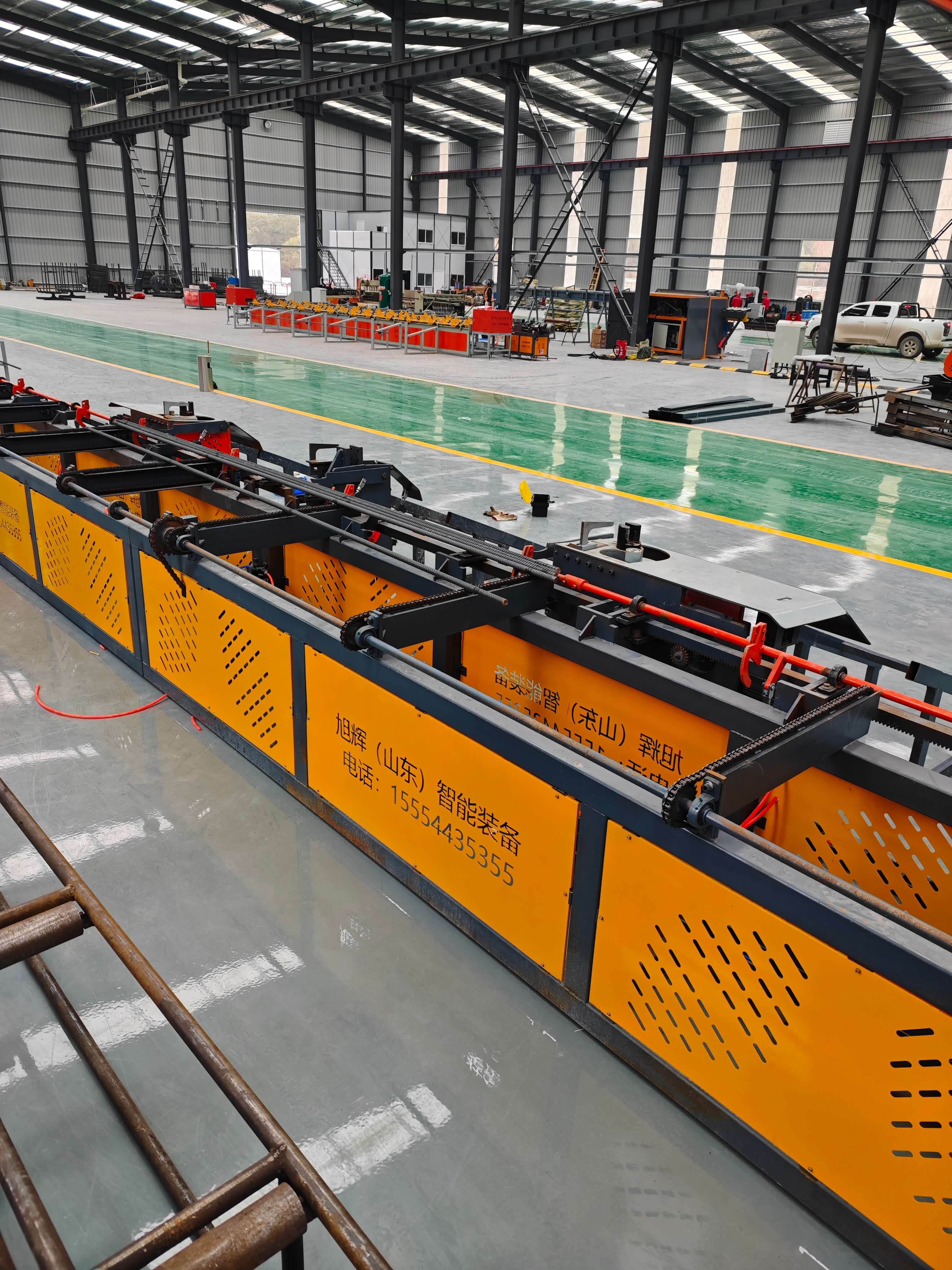
4. Software and Control System
The user interface and programming capabilities significantly impact operational efficiency. Look for machines with intuitive touchscreen controls, graphical programming interfaces, and the ability to import CAD drawings directly. Some advanced systems offer cloud connectivity for remote monitoring and production management.
5. Durability and Construction Quality
Construction equipment must withstand demanding working conditions. Evaluate the machine’s frame construction, bearing quality, and protection against dust and moisture. Heavy-duty steel frames with powder-coated finishes and sealed electrical components ensure long service life even in harsh environments.
6. Safety Features
Modern bending centers should include comprehensive safety systems such as emergency stops, protective guards, and automatic shutdown when doors are opened. Look for CE certification or equivalent international safety standards to ensure compliance with global workplace safety regulations.
7. After-Sales Support and Service
Consider the manufacturer’s reputation for customer service, availability of spare parts, and technical support capabilities. Ideally, choose a supplier that offers on-site installation, operator training, and preventive maintenance programs to maximize equipment uptime.
Top Manufacturers of Intelligent Four-Head Rebar Bending Centers
Based on industry reputation, product quality, and global service capabilities, several manufacturers stand out in the production of intelligent four-head rebar bending centers:
1. Xuhui (Shandong) Intelligent Equipment Co., Ltd.
Located in Heze, Shandong – China’s engineering machinery manufacturing base – Xuhui specializes in CNC rebar processing equipment. Their intelligent four-head bending centers feature:
- CE certification for international markets
- Customizable configurations for different project requirements
- Comprehensive service network supporting global exports
- Proven track record in highway, railway, and bridge projects
Xuhui’s equipment has been successfully implemented in major infrastructure projects across Asia, Africa, and Europe, demonstrating their ability to meet diverse international standards and project specifications.
2. European Engineering Solutions
This German manufacturer offers premium four-head bending centers known for their precision engineering and durability. Their machines feature:
- Advanced servo control systems for sub-millimeter accuracy
- Robust construction designed for 24/7 operation
- Comprehensive software packages with 3D simulation capabilities
- Global service network with local technical support
3. Asian Construction Machinery Group
A leading Asian manufacturer providing cost-effective solutions without compromising quality. Their intelligent bending centers offer:
- Competitive pricing for large-scale procurements
- Modular designs for easy transportation and installation
- Multi-language control interfaces for international operations
- Energy-efficient designs reducing operational costs
Application Scenarios and Project Examples
Intelligent four-head rebar bending centers excel in various construction scenarios:
1. Highway and Bridge Construction
For large-scale bridge projects, these machines can produce the complex stirrups and column reinforcements required in massive quantities. The ability to program multiple bending sequences allows for efficient production of standardized components that meet precise engineering specifications.
2. Prefabricated Component Factories
In prefab construction, consistency and speed are paramount. The four-head bending center’s ability to produce multiple identical components rapidly makes it ideal for manufacturing wall panels, floor slabs, and other precast elements with integrated rebar cages.
| Project Type | Typical Components | Production Advantage |
|---|---|---|
| Highway Bridge | Pier columns, beam stirrups, pile cages | High-volume production of standardized components |
| Prefab Building | Wall panels, floor slabs, staircases | Consistent production of complex rebar cages |
| Railway Tunnel | Tunnel lining segments, arch supports | Precision bending for curved reinforcement |
3. Nuclear Power Plant Construction
In nuclear projects where safety and precision are non-negotiable, the intelligent bending center’s ability to produce components with exact specifications repeatedly is invaluable. The machines’ closed-loop control systems ensure every bend matches the engineering drawings precisely.
Customization Options and Special Solutions
Leading manufacturers like Xuhui offer extensive customization capabilities to meet specific project requirements:
1. Multi-Head Configuration
While four heads are standard, some applications may benefit from additional bending heads (up to six in some models) for even higher production capacity or more complex bending sequences.
2. Integrated Processing Lines
For complete rebar fabrication solutions, manufacturers can combine the bending center with other equipment like:
- Automatic rebar cutting machines
- Thread rolling attachments for end treatments
- Material handling systems for uninterrupted production
- Quality inspection stations with measurement verification
3. Special Bending Attachments
For unique project requirements, custom bending tools and fixtures can be developed to handle non-standard shapes or materials, ensuring the equipment remains versatile across different construction scenarios.
FAQ
What factors determine the price of an intelligent four-head rebar bending center?
The price depends on several factors including bending capacity (maximum bar diameter), number of bending heads, automation level, control system sophistication, and included accessories. Machines with CE certification and global service support typically cost more but offer better long-term value for international projects.
How does the four-head design improve production efficiency compared to single-head machines?
Four-head machines can bend multiple bars simultaneously or perform different bending operations on a single bar in one pass. This reduces setup times and material handling, often increasing production by 300-500% compared to single-head machines while maintaining consistent quality.
What maintenance is required for intelligent rebar bending centers?
Regular maintenance includes daily cleaning, weekly lubrication of moving parts, monthly inspection of electrical connections, and quarterly calibration of bending angles. Manufacturers typically provide detailed maintenance schedules and training to ensure optimal performance and longevity.
Can these machines handle different rebar grades and coatings?
Yes, most intelligent four-head bending centers can process various steel grades including standard carbon steel, high-strength steel, and corrosion-resistant alloys. Some models require adjustments for very hard materials or special coatings like epoxy or galvanized finishes.
How long does it take to train operators for these machines?
Basic operation can typically be learned in 1-2 days, while full proficiency including programming complex bends may require 1-2 weeks of training. Manufacturers like Xuhui provide comprehensive training programs covering safety, operation, maintenance, and troubleshooting.
Summary
The intelligent four-head steel bar bending center represents a transformative technology in modern construction, offering unparalleled precision, efficiency, and versatility in rebar processing. When selecting equipment for your projects, prioritize manufacturers with proven international experience, CE certification, and comprehensive service capabilities. Consider not just the initial purchase price but the total cost of ownership, including maintenance, spare parts availability, and operator training.
For global construction firms seeking reliable partners, manufacturers like Xuhui (Shandong) Intelligent Equipment Co., Ltd. offer compelling solutions with their CE-certified equipment, customization options, and extensive project experience across continents. By investing in the right intelligent bending center, construction companies can significantly improve productivity, reduce labor costs, and ensure consistent quality in their rebar fabrication processes.