
The construction industry’s demand for precision and efficiency has made smart CNC steel bar bending centers indispensable equipment for modern infrastructure projects. As a leading manufacturer based in Heze, Shandong – China’s engineering machinery manufacturing hub, Xuhui (Shandong) Intelligent Equipment Co., Ltd. specializes in developing advanced steel bar processing solutions that meet international standards. This comprehensive guide helps construction professionals understand critical selection factors for CNC steel bar bending equipment.
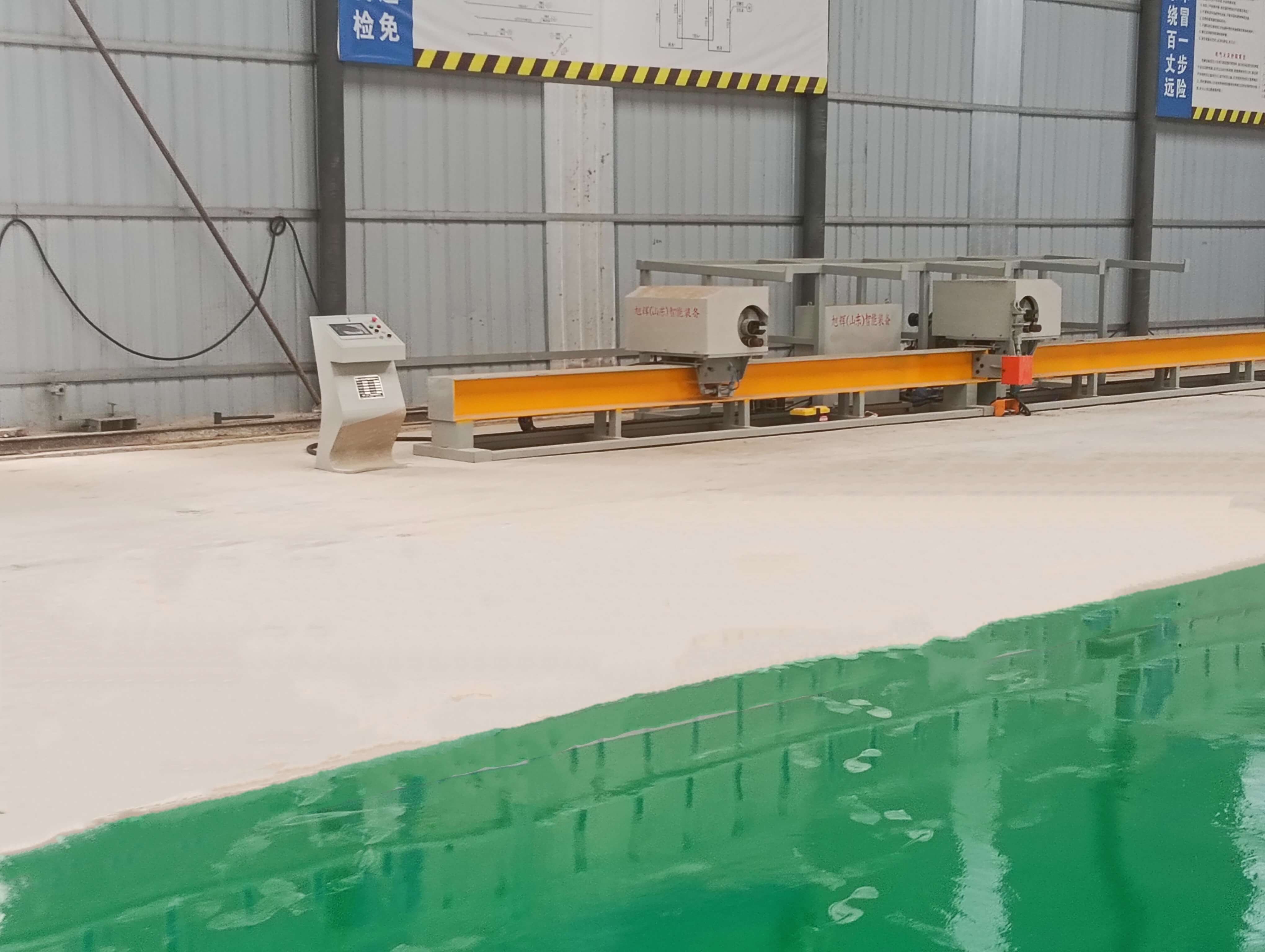
Understanding Smart CNC Steel Bar Bending Technology
Modern CNC steel bar bending centers represent the pinnacle of automation in reinforcement processing. These systems integrate computer numerical control (CNC) technology with high-precision mechanical components to deliver consistent bending results with minimal human intervention. The core components include:
- Servo-driven bending heads with variable angle adjustment
- Automatic feeding systems with length measurement sensors
- Programmable control panels with touchscreen interfaces
- Closed-loop feedback systems for real-time correction
- Safety interlock mechanisms compliant with CE standards
Compared to traditional manual bending machines, CNC systems offer 5-8 times higher production efficiency while maintaining ±1mm bending accuracy. This level of precision is crucial for complex structural elements in high-speed railways, bridges, and airport terminals where reinforcement bars must meet stringent engineering specifications.
Key Selection Criteria for CNC Bending Centers
Selecting the right equipment requires evaluating multiple technical and operational parameters. Based on our experience serving over 200 major infrastructure projects worldwide, these are the most critical factors to consider:
1. Bending Capacity and Range
Different projects require varying reinforcement specifications. Look for machines capable of handling:
- Bar diameters: 6-40mm (standard models) with options for larger sizes
- Maximum bending angle: 180° continuous bending
- Minimum bending radius: 2-4 times the bar diameter
- Multi-axis bending capability for complex shapes
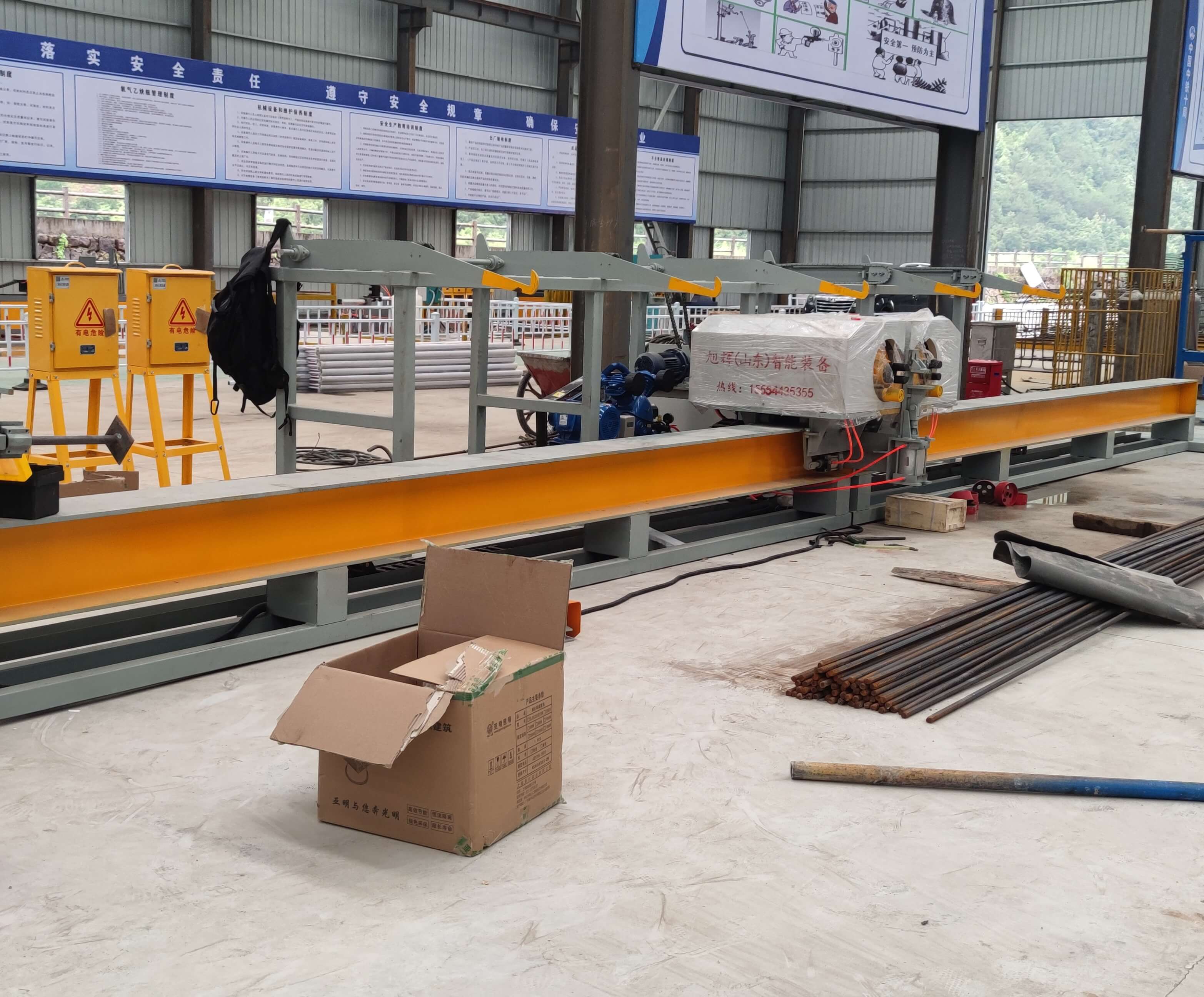
Xuhui’s SB-40C model, for example, features dual servo-driven bending heads that can simultaneously process bars up to 40mm diameter at 180° angles, making it ideal for bridge pile foundation cages.
2. Automation Level
The degree of automation directly impacts labor costs and production consistency. Advanced features to look for:
- Automatic bar feeding and clamping systems
- Bar end straightening and cutting functions
- Shape library with 200+ standard bending patterns
- USB/network interface for CAD drawing import
- Self-diagnostic system with error alerts
Our flagship SB-60A model incorporates AI-powered shape recognition that automatically adjusts parameters based on material properties, reducing setup time by 40% compared to conventional CNC machines.
3. Construction Application Matching
Different project types have unique requirements:
| Project Type | Required Specifications | Recommended Model |
|---|---|---|
| High-speed Railway | High precision (±0.5mm), continuous bending | SB-40C Pro |
| Bridge Construction | Large diameter (up to 50mm), heavy-duty | SB-60A Industrial |
| Building Construction | Versatile shapes, high speed | SB-32M Multi-head |
Top Manufacturers Comparison
When evaluating suppliers, consider these industry leaders with proven track records in international projects:
1. Xuhui (Shandong) Intelligent Equipment
As China’s first manufacturer to obtain CE certification for all CNC steel bar processing equipment, Xuhui offers:
- Complete product line from 6-60mm bending capacity
- Customized solutions for special project requirements
- Global service network with 24/7 technical support
- 12-month warranty with extended maintenance contracts
2. European Competitors
Leading European brands typically offer:
- High-precision German engineering components
- Advanced software integration capabilities
- Longer delivery times (12-16 weeks)
- 30-50% higher pricing than Chinese equivalents
3. Other Asian Manufacturers
Alternative Asian suppliers may provide:
- Competitive pricing for basic models
- Limited customization options
- Inconsistent after-sales service
- Fewer international certifications
Installation and Commissioning Process
Proper installation is crucial for optimal performance. Xuhui’s standard procedure includes:
- Foundation inspection and leveling verification
- Mechanical assembly with torque specification checks
- Electrical system testing and safety interlock verification
- Trial production with engineer supervision
- Operator training covering:
- Daily startup/shutdown procedures
- Common troubleshooting techniques
- Preventive maintenance schedules
- Spare parts inventory management
Our commissioning team typically completes installation within 5-7 working days for standard models, with additional time required for customized configurations.
FAQ
What maintenance is required for CNC steel bar bending centers?
Daily maintenance includes cleaning the bending dies, lubricating moving parts, and checking hydraulic fluid levels. Weekly tasks involve inspecting electrical connections and verifying sensor accuracy. Xuhui provides detailed maintenance manuals and offers annual major inspection services to ensure optimal performance.
How does automated bending improve project efficiency?
Automation reduces labor requirements by 70% while increasing output by 3-5 times compared to manual bending. The consistent quality also minimizes rework, with typical projects reporting 15-20% overall efficiency gains after adopting CNC bending centers.
What are the power requirements for these machines?
Standard models operate on 3-phase 380V power supply with consumption ranging from 15-30kW depending on capacity. Larger industrial models may require dedicated transformers. All Xuhui equipment comes with CE-compliant electrical systems and safety interlocks.
Can these machines process epoxy-coated reinforcement bars?
Yes, but special considerations are needed. Xuhui offers optional non-marking bending dies and corrosion-resistant components for projects using epoxy-coated bars. The control system can be programmed to reduce clamping pressure to prevent coating damage.
What training is provided with new equipment?
Each delivery includes comprehensive training covering: 1) Machine operation and programming 2) Daily maintenance procedures 3) Common troubleshooting 4) Safety protocols. We also provide online training videos and 24/7 technical support via our global service hotline.
Summary
Selecting the right smart CNC steel bar bending center requires careful evaluation of technical specifications, manufacturer capabilities, and project requirements. As demonstrated by Xuhui’s 15-year experience in the field, choosing equipment with appropriate bending capacity, automation level, and application-specific features can deliver significant efficiency improvements and cost savings. With proper maintenance and operation, a high-quality CNC bending center can serve construction projects for 10-15 years while maintaining consistent bending accuracy.