
Selecting the right four-head horizontal CNC rebar bending center is crucial for construction projects requiring high-volume, precision rebar processing. As a professional manufacturer of CNC rebar equipment with extensive experience in the construction machinery industry, Xuhui (Shandong) Intelligent Equipment Co., Ltd. understands the importance of making informed equipment selection decisions. This comprehensive guide will walk you through the key considerations when choosing a four-head horizontal CNC rebar bending center, helping you find the perfect solution for your project needs.

Understanding Four-Head Horizontal CNC Rebar Bending Centers
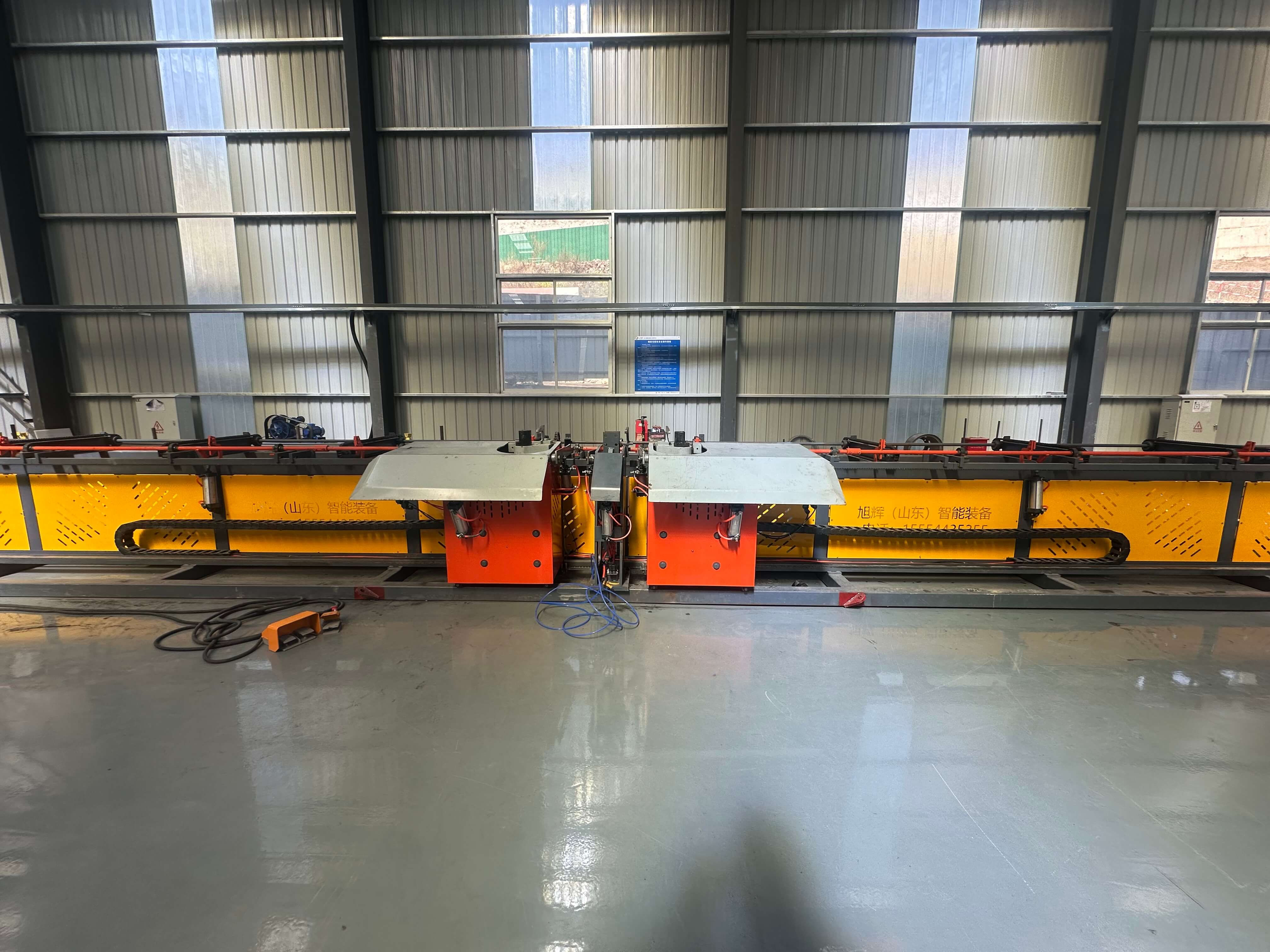
A four-head horizontal CNC rebar bending center is an advanced piece of construction machinery designed for automated bending of reinforcement bars (rebar). Unlike traditional single-head machines, this equipment features four independent bending heads that can operate simultaneously, significantly increasing production capacity while maintaining high precision. The horizontal configuration allows for easier loading and unloading of rebar, making it ideal for high-volume processing environments.
These machines are essential in modern construction projects where standardized, high-quality rebar components are required. They can process various rebar shapes including stirrups, U-shaped bars, and complex geometric forms with consistent accuracy. The CNC (Computer Numerical Control) system enables precise programming of bending angles, lengths, and sequences, ensuring each piece meets exact specifications.
Key Selection Criteria for Four-Head Bending Centers
When evaluating different models and manufacturers, several critical factors should guide your decision-making process:
1. Processing Capacity and Speed
The primary advantage of four-head machines is their enhanced processing capacity. Look for equipment that can handle your project’s maximum rebar diameter requirements while maintaining high bending speeds. Consider both the individual head speed and the coordinated operation of all four heads when calculating overall throughput. For large-scale projects like highway construction or high-rise buildings, higher capacity machines will offer better return on investment.
2. Bending Precision and Consistency
Precision is paramount in rebar processing, as even minor deviations can affect structural integrity. Evaluate the machine’s positioning accuracy (typically measured in millimeters) and its ability to maintain consistent bending angles across multiple pieces. Advanced models feature closed-loop servo control systems that continuously monitor and adjust bending parameters for optimal accuracy.
3. Machine Durability and Construction Quality
Construction environments are demanding, so your bending center must withstand continuous operation and occasional rough handling. Examine the frame construction (heavy-duty steel is preferable), component quality, and protective measures against dust and debris. Machines built with robust components will require less maintenance and offer longer service life.
4. Control System and User Interface
The CNC control system is the brain of your bending center. Look for intuitive interfaces that simplify programming and operation. Features to consider include:
- Graphic programming with 3D visualization
- Library of standard shapes for quick selection
- Ability to store and recall custom programs
- Multi-language support for international teams
- Remote diagnostics and software update capabilities
5. Safety Features
Construction machinery safety cannot be compromised. Ensure your selected model includes:
- Emergency stop buttons within easy reach
- Protective guards around moving parts
- Automatic shutdown when doors are opened
- Safety interlocks preventing operation under unsafe conditions
- Comprehensive operator manuals and safety training materials
Evaluating Manufacturers and Suppliers
Choosing the right manufacturer is as important as selecting the equipment itself. Consider these factors when evaluating potential suppliers:
1. Industry Experience and Reputation
Look for manufacturers with proven experience in producing CNC rebar equipment. Companies like Xuhui (Shandong) Intelligent Equipment Co., Ltd., with years of specialized production in Heze – a major engineering machinery manufacturing base in China, offer reliable products backed by extensive industry knowledge. Check for certifications like CE compliance that demonstrate adherence to international standards.
2. Product Range and Customization Capabilities
A supplier with a comprehensive product range can better meet your evolving needs. In addition to four-head bending centers, consider whether they offer related equipment like rebar cutting machines, stirrup benders, or complete production lines. The ability to customize solutions for specific project requirements is particularly valuable for complex construction projects.
3. After-Sales Support and Service Network
Construction schedules don’t wait for equipment repairs. Choose a manufacturer with a responsive after-sales service team and a network of service centers in your region. Key support services should include:
- Installation and commissioning assistance
- Operator and maintenance training programs
- Readily available spare parts inventory
- Preventive maintenance schedules
- 24/7 technical support hotline
4. Global Export Capabilities
For international projects, verify that the manufacturer has experience with global exports. This includes understanding international shipping requirements, providing documentation in multiple languages, and ensuring equipment meets destination country standards. Companies with CE certification and export licenses demonstrate their capability to serve international markets effectively.
| Feature | Standard Model | Premium Model |
|---|---|---|
| Max Rebar Diameter | 16-32mm | 12-40mm |
| Bending Speed | 500°/sec | 750°/sec |
| Positioning Accuracy | ±0.5mm | ±0.3mm |
| Power Consumption | 15kW | 22kW |
| Control System | Basic CNC | Advanced CNC with 3D visualization |
Application Scenarios and Project Suitability
Four-head horizontal CNC rebar bending centers excel in various construction scenarios:
1. Highway and Railway Construction
These projects require massive quantities of standardized rebar components for bridge piers, retaining walls, and tunnel supports. The high processing capacity of four-head machines ensures timely supply of bent rebar while maintaining consistent quality across all components.
2. High-Rise Building Construction
For skyscrapers and other tall structures, precision is critical to ensure structural integrity. The advanced control systems of modern bending centers enable the production of complex rebar shapes needed for column reinforcement, beam connections, and floor slabs with exacting standards.
3. Large Infrastructure Projects
Airports, power plants, and dam construction projects benefit from the efficiency of four-head machines. Their ability to process different rebar diameters and shapes reduces the need for multiple specialized machines, streamlining production and reducing costs.
4. Standardized Rebar Processing Centers
Centralized rebar processing facilities that supply multiple construction sites require high-capacity, versatile equipment. Four-head bending centers can handle diverse orders efficiently, making them ideal for these operations.
FAQ
What makes four-head bending centers more efficient than single-head models?
Four-head bending centers feature four independent bending units that can operate simultaneously on different rebar sections. This parallel processing capability increases production output by up to 400% compared to single-head machines while maintaining the same level of precision. For large-scale projects, this efficiency translates to significant time savings and reduced labor costs.
How do I determine the right bending speed for my project?
Bending speed selection depends on your project’s volume requirements and rebar specifications. For high-volume projects with standard rebar sizes (e.g., highway construction), higher speeds (700-800°/sec) improve throughput. For projects requiring complex shapes or working with larger diameter rebar, a balance between speed and precision is needed – typically in the 500-600°/sec range. Manufacturers like Xuhui can help analyze your specific needs to recommend optimal speed settings.
What maintenance is required for CNC rebar bending centers?
Regular maintenance includes daily cleaning of the machine bed and bending heads, weekly lubrication of moving parts, and monthly inspection of electrical connections and hydraulic systems. The CNC control system should receive software updates as provided by the manufacturer. Following the manufacturer’s preventive maintenance schedule extends equipment life and maintains optimal performance. Most manufacturers offer maintenance contracts that include regular service visits.
Can these machines process both plain and ribbed rebar?
Yes, modern four-head CNC rebar bending centers are designed to handle both plain and deformed (ribbed) rebar commonly used in construction. The bending rollers and clamping mechanisms are engineered to accommodate the surface texture of ribbed bars without slipping or damaging the rebar surface. When ordering, specify the types of rebar you’ll be processing to ensure the machine is properly configured.
How does the CNC system simplify operation for untrained workers?
Advanced CNC control systems feature intuitive interfaces with graphic programming capabilities. Operators can select standard shapes from a library or create custom designs using simple drawing tools. The system automatically calculates bending sequences and machine parameters, eliminating the need for manual calculations. Many systems also include simulation modes that preview the bending process before actual production, reducing errors and material waste. Comprehensive training programs provided by manufacturers further ease the transition for new operators.
Summary
Selecting the right four-head horizontal CNC rebar bending center requires careful consideration of your project’s specific requirements, production volumes, and quality standards. By evaluating key factors such as processing capacity, bending precision, machine durability, control system sophistication, and manufacturer support, you can make an informed decision that ensures efficient, high-quality rebar processing for your construction projects.
As a leading manufacturer based in Heze, China’s engineering machinery manufacturing hub, Xuhui (Shandong) Intelligent Equipment Co., Ltd. offers a comprehensive range of CNC rebar equipment including four-head horizontal bending centers. Our products combine advanced technology with robust construction, backed by professional after-sales service and global export capabilities. Whether you’re working on a highway, railway, airport, or high-rise building project, we can provide tailored solutions to meet your rebar processing needs.