
In the construction industry, the quality and efficiency of steel bar processing directly impact project timelines and structural integrity. As infrastructure projects become more complex, the demand for advanced steel bar bending equipment continues to rise. Among various solutions, the fully automatic CNC steel bar bending machine stands out as a game-changer for modern construction needs.
This comprehensive guide explores everything you need to know about selecting the best fully automatic CNC steel bar bending machine. We’ll examine key features, performance metrics, and real-world applications while highlighting why Xuhui (Shandong) Intelligent Equipment Co., Ltd. has earned industry recognition for its innovative solutions.
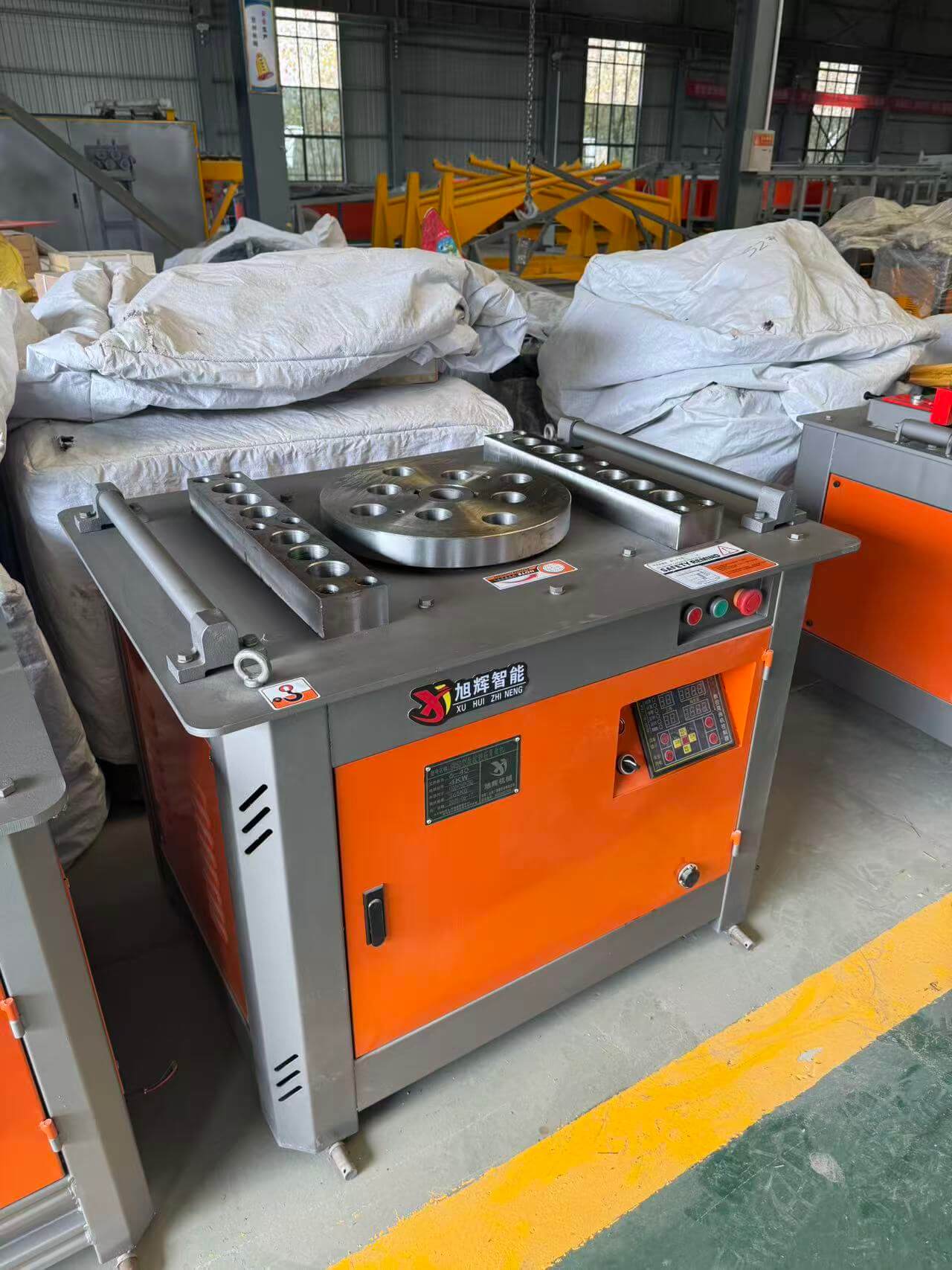
Understanding CNC Steel Bar Bending Technology
Computer Numerical Control (CNC) technology has revolutionized steel bar processing by combining precision with automation. Unlike traditional manual bending methods, CNC steel bar bending machines use programmed instructions to shape steel bars with unparalleled accuracy and consistency. This technology eliminates human error while significantly increasing production capacity.
The fully automatic variant takes this further by integrating material feeding, bending, and cutting processes into one seamless operation. Operators simply input the required specifications, and the machine handles the entire workflow from start to finish. This level of automation is particularly valuable for large-scale infrastructure projects where uniformity and speed are critical.
Key Features of Top-Rated CNC Steel Bar Bending Machines
When evaluating different models, several core features determine a machine’s performance and reliability:
1. Precision Control System
Advanced CNC controllers with intuitive interfaces allow for precise programming of bending angles, radii, and sequences. Look for machines with touchscreen displays and the ability to store multiple job profiles for quick recall.
2. Robust Construction
High-quality steel frames and heavy-duty components ensure stability during operation, even when processing thick reinforcement bars. The bending head should feature hardened steel components to withstand continuous use without wear.
3. Automatic Material Handling
Fully automatic models include conveyor systems that feed steel bars into the bending mechanism without manual intervention. This reduces labor requirements and maintains consistent feeding speeds for optimal productivity.
4. Versatile Bending Capabilities
The best machines can handle various bar diameters and lengths while producing different bend shapes including hooks, stirrups, and complex geometric forms required for specialized construction elements.
5. Safety Features
Essential safety components include emergency stop buttons, protective enclosures, and automatic shutdown systems when guards are opened. Some advanced models incorporate infrared sensors to prevent accidents.
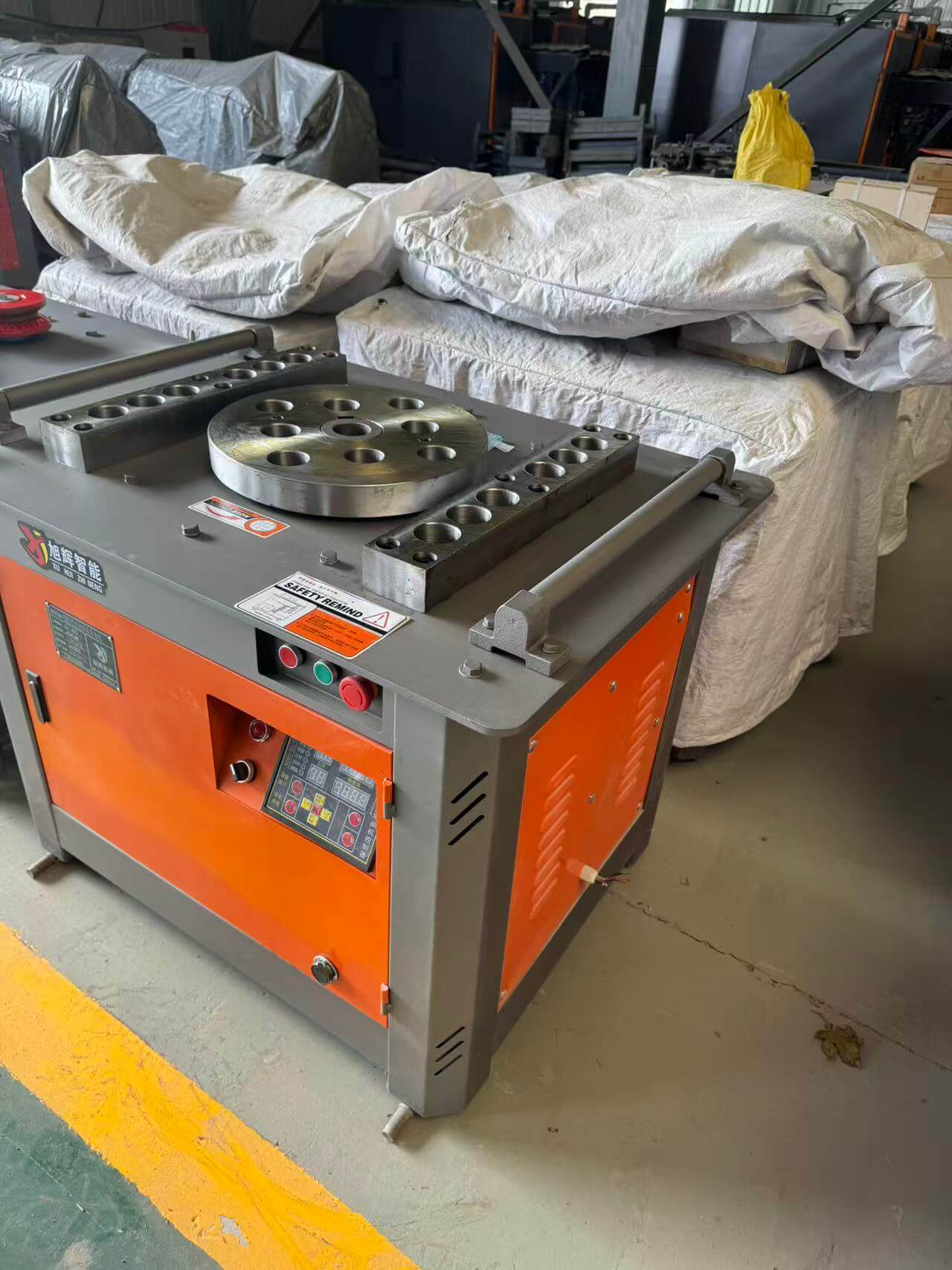
Why Xuhui’s CNC Steel Bar Bending Machines Stand Out
As a leading manufacturer based in Heze, Shandong – China’s engineering machinery manufacturing hub – Xuhui (Shandong) Intelligent Equipment Co., Ltd. has established itself as a trusted provider of construction steel processing solutions. Their CNC steel bar bending machines incorporate several competitive advantages:
- EU CE Certification: All products meet international safety and quality standards, ensuring global market acceptance
- Customization Capability: The company offers tailored equipment and production line solutions to meet specific project requirements
- Comprehensive Service: From installation guidance to operator training and maintenance consulting, Xuhui provides end-to-end support
- Proven Track Record: Their equipment serves major infrastructure projects including highways, high-speed railways, airports, and power plants worldwide
Real-World Application Example
One notable implementation involved supplying multiple CNC steel bar bending centers to a bridge construction project in Southeast Asia. The machines’ ability to consistently produce precise stirrups and link bars reduced material waste by 15% while doubling production output compared to previous manual methods. This efficiency gain helped the project meet tight deadlines without compromising quality.
| Feature | Xuhui CNC Bending Machine | Traditional Machine |
|---|---|---|
| Bending Accuracy | ±0.5° | ±2° |
| Production Capacity | 1,200-1,800 pieces/hour | 400-600 pieces/hour |
| Operator Requirement | 1 person for supervision | 3-4 persons for operation |
| Material Waste | ≤1% | 3-5% |
How to Select the Right CNC Steel Bar Bending Machine
Choosing the optimal equipment requires careful consideration of several factors:
1. Project Requirements
Analyze the types of steel bars (diameter, length) and bend shapes needed for your projects. Ensure the machine’s specifications match or exceed these requirements. For diverse projects, prioritize models with versatile bending capabilities.
2. Production Volume
Estimate your daily or monthly processing needs. High-volume projects benefit from fully automatic models with continuous operation capabilities, while smaller operations might find semi-automatic machines more cost-effective.
3. Space Constraints
Measure your available workshop space. While CNC machines offer compact designs compared to manual setups, ensure adequate clearance for material handling and operator movement around the equipment.
4. Budget Considerations
Balance initial investment against long-term savings. Though CNC machines cost more upfront, their efficiency gains, reduced labor costs, and lower material waste typically provide quick return on investment for active construction firms.
5. After-Sales Support
Verify the manufacturer’s service network in your region. Reliable technical support, readily available spare parts, and operator training programs are essential for minimizing downtime and maintaining optimal performance.
FAQ
What makes CNC steel bar bending machines better than manual methods?
CNC machines offer superior precision, consistency, and speed compared to manual bending. They eliminate human error, reduce labor costs, and can operate continuously with minimal supervision. The programmed control ensures every bend matches specifications exactly, which is crucial for structural integrity in large projects.
How do I maintain a CNC steel bar bending machine?
Regular maintenance includes daily cleaning of the bending head, weekly lubrication of moving parts, monthly inspection of electrical connections, and quarterly calibration of the control system. Following the manufacturer’s maintenance schedule and using genuine replacement parts extends equipment lifespan and maintains performance.
Can CNC bending machines handle different steel grades?
Yes, most professional-grade CNC bending machines can process various steel grades including common reinforcement bars (HRB335, HRB400, HRB500) and other structural steels. The key is selecting a machine with sufficient bending force for your target steel grade and diameter.
What safety precautions should operators follow?
Operators must wear appropriate PPE including safety glasses, gloves, and steel-toed boots. They should never reach into the bending area during operation, keep long hair tied back, and avoid loose clothing. Regular safety training and adherence to the machine’s operating manual are essential.
Summary
The fully automatic CNC steel bar bending machine represents a significant advancement in construction steel processing technology. By combining precision, automation, and versatility, these machines help construction firms improve project quality while reducing costs and timelines. When selecting equipment, prioritize manufacturers with proven industry experience, comprehensive service support, and the ability to customize solutions to your specific needs.
Xuhui (Shandong) Intelligent Equipment Co., Ltd. stands out as a reliable partner for construction steel processing solutions. Their CE-certified CNC steel bar bending machines, backed by professional service and global project experience, provide an excellent foundation for modern infrastructure development. Whether for highway construction, bridge building, or large-scale architectural projects, investing in quality CNC bending equipment delivers long-term value and competitive advantage.