
Selecting the right smart steel mesh welding production line is crucial for construction projects requiring high-quality, standardized steel mesh fabrication. With numerous options available in the market, understanding the key factors that influence your choice can help you make an informed decision that aligns with your project requirements and budget. This comprehensive guide explores everything you need to know about choosing the ideal smart steel mesh welding production line, from essential features to reputable manufacturers.
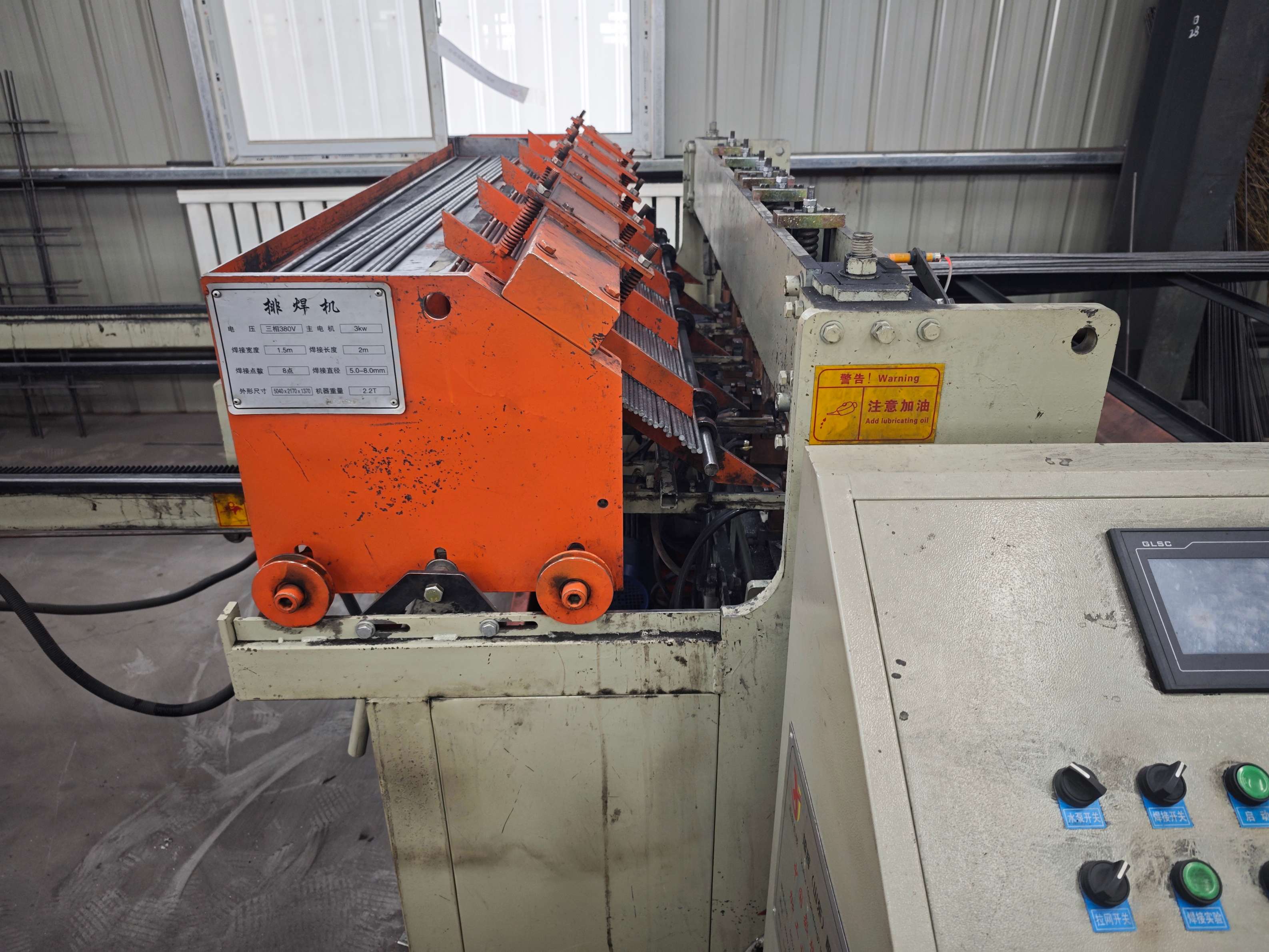
Understanding Smart Steel Mesh Welding Production Lines
Smart steel mesh welding production lines represent advanced automation solutions designed to streamline the fabrication of steel mesh used in construction applications like building walls, road surfaces, and bridge reinforcement. These systems integrate computer numerical control (CNC) technology with automated welding processes to produce consistent, high-precision mesh products with minimal human intervention.
The core components of a smart steel mesh welding production line typically include:
- Material feeding system for automatic wire loading
- CNC-controlled wire straightening and cutting unit
- Precision welding station with multiple electrodes
- Mesh conveying and stacking mechanism
- Human-machine interface (HMI) for operation control
- Quality inspection and monitoring systems
These integrated systems enable continuous production of steel mesh with uniform spacing, consistent weld quality, and precise dimensions, significantly improving productivity and product quality compared to traditional manual welding methods.
Key Factors to Consider When Selecting a Production Line
Choosing the right smart steel mesh welding production line requires careful evaluation of several critical factors that impact performance, efficiency, and return on investment. Here are the essential considerations:
1. Production Capacity Requirements
Determine your required output based on project scale and deadlines. Production lines come in various capacities, measured in square meters per hour or shifts. For large-scale infrastructure projects requiring high volumes of steel mesh, opt for high-capacity lines capable of producing 1,000-2,000 square meters per shift. Smaller projects may suffice with lower-capacity models.
2. Mesh Specifications and Flexibility
Evaluate the range of mesh sizes and wire diameters the system can handle. Look for production lines that offer adjustable parameters for wire spacing (both longitudinal and transverse), wire diameter (typically 4-12mm), and mesh panel dimensions. Flexibility to produce different specifications without extensive retooling enhances operational efficiency.
3. Welding Technology and Quality
The welding process significantly impacts mesh strength and durability. Resistance spot welding is commonly used for steel mesh production. Ensure the system employs high-quality welding electrodes and precise control systems to deliver consistent weld quality across all intersection points. Some advanced systems incorporate real-time welding quality monitoring.
4. Automation Level and Control System
The degree of automation affects labor requirements and production efficiency. Fully automated systems handle material loading, welding, and unloading with minimal operator intervention. A sophisticated CNC control system with intuitive HMI enables easy programming of different mesh patterns and quick changeovers between production runs.
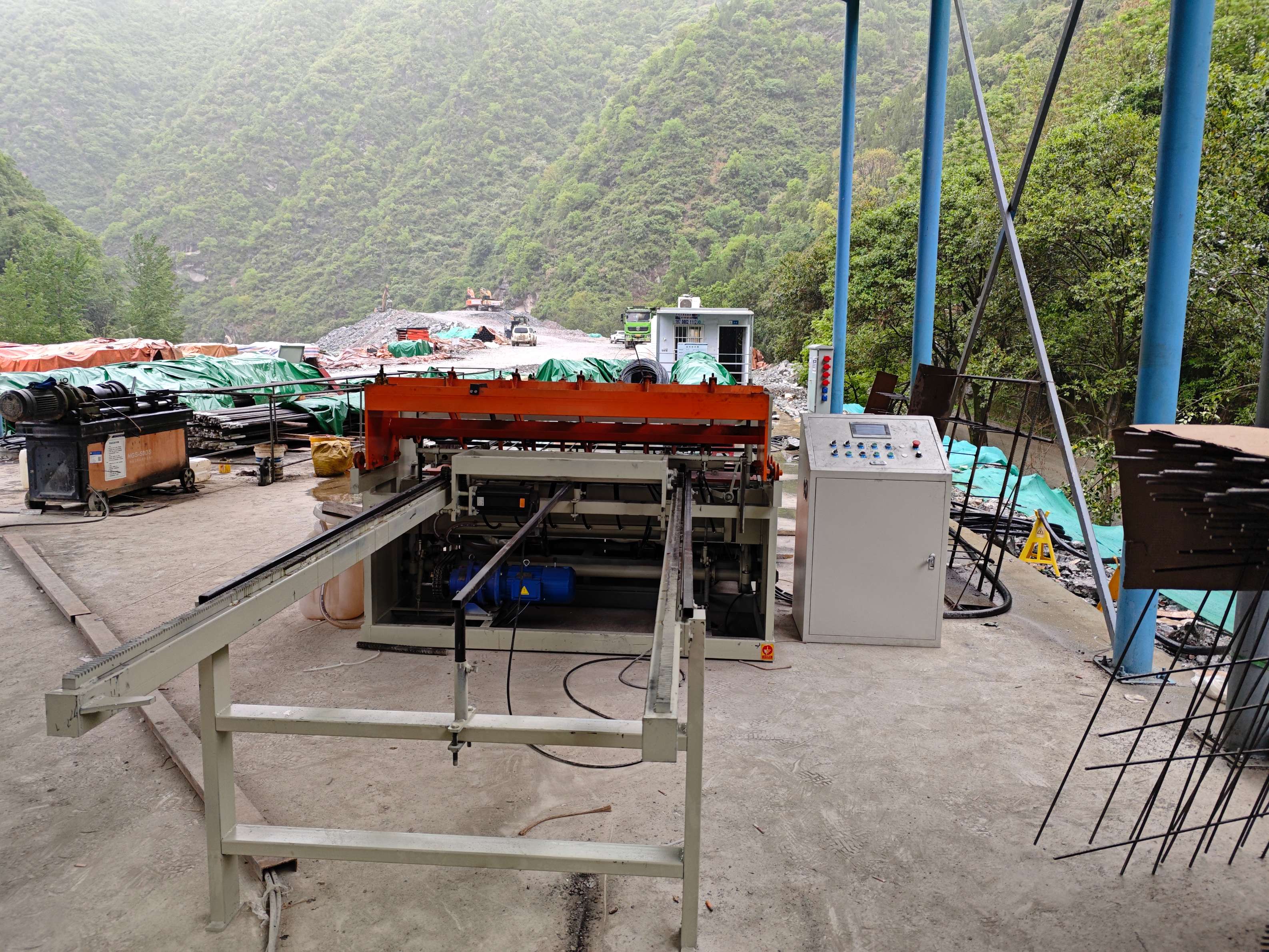
5. Equipment Reliability and Durability
Construction projects often involve continuous operation in demanding environments. Choose production lines built with robust materials and components designed for heavy-duty use. Look for manufacturers that implement rigorous quality control processes and offer long warranty periods as indicators of equipment reliability.
6. After-Sales Support and Service
Comprehensive after-sales support is essential for minimizing downtime and maintaining optimal performance. Evaluate manufacturers’ service networks, availability of spare parts, and technical support capabilities. Some providers offer remote diagnostics and maintenance assistance to quickly resolve issues.
7. Total Cost of Ownership
Consider not only the initial purchase price but also long-term operating costs, including energy consumption, maintenance requirements, and consumables like welding electrodes. Energy-efficient designs and modular components that simplify maintenance can reduce total cost of ownership over the equipment’s lifespan.
Top Manufacturers of Smart Steel Mesh Welding Production Lines
When sourcing your production line, partnering with reputable manufacturers ensures quality equipment and reliable support. Here are some leading producers known for their smart steel mesh welding solutions:
Xuhui (Shandong) Intelligent Equipment Co., Ltd.
Based in Heze, Shandong – a major engineering machinery manufacturing hub in China, Xuhui specializes in developing, producing, and selling CNC steel reinforcement equipment. Their product range includes fully automatic steel mesh welding machines designed for highway, railway, airport, power plant, and large building projects. All products meet EU CE certification standards and are exported globally.
Xuhui’s smart steel mesh welding production lines feature:
- High-precision CNC control for consistent mesh dimensions
- Advanced resistance welding technology for strong, uniform welds
- Flexible production capabilities for various mesh specifications
- User-friendly interface for easy operation and pattern programming
- Comprehensive after-sales service including installation, training, and maintenance
Other Notable Manufacturers:
Several other international and regional manufacturers produce high-quality smart steel mesh welding equipment, including:
- European companies known for precision engineering and advanced technology
- Turkish manufacturers offering competitive pricing with good quality
- Indian producers providing cost-effective solutions for emerging markets
When evaluating manufacturers, consider their industry reputation, product range, technological innovation, and global service capabilities to find the best fit for your requirements.
Customization Options for Specialized Applications
Many projects have unique requirements that standard production lines may not fully address. Leading manufacturers like Xuhui offer customization services to tailor equipment to specific needs:
| Customization Aspect | Possible Modifications |
|---|---|
| Mesh Dimensions | Adjust maximum panel size to accommodate specific project requirements |
| Wire Specifications | Support non-standard wire diameters or materials for specialized applications |
| Welding Patterns | Create custom welding patterns for unique mesh designs |
| Integration Capabilities | Connect with other equipment in your production line for seamless operation |
| Automation Features | Add or remove automation components based on your labor resources |
Customized solutions often require longer lead times and may involve additional costs, but they can provide significant advantages for specialized projects or when standard equipment cannot meet your production needs.
FAQ
What is the typical production capacity of a smart steel mesh welding line?
Production capacity varies by model and configuration, but most commercial lines can produce between 500-2,000 square meters of steel mesh per 8-hour shift, depending on mesh size and complexity.
How does automation level affect the price of steel mesh welding equipment?
Fully automated systems with advanced features like automatic material loading, real-time quality monitoring, and remote diagnostics typically cost 20-40% more than semi-automated models, but offer higher productivity and lower long-term operating costs.
Can smart steel mesh welding lines produce different mesh patterns?
Yes, most modern production lines feature CNC control systems that allow easy programming of various mesh patterns, including rectangular, square, and custom designs, by adjusting wire spacing and welding points through the operator interface.
What maintenance is required for these production lines?
Regular maintenance includes daily cleaning, weekly lubrication of moving parts, monthly inspection of electrical components, and periodic replacement of welding electrodes and other consumables. Following the manufacturer’s maintenance schedule ensures optimal performance and extends equipment lifespan.
How long does it take to train operators on these machines?
Basic operation training typically takes 1-2 days for operators with some technical background. Comprehensive training covering programming, troubleshooting, and maintenance may require 3-5 days, depending on the system’s complexity and the operator’s experience level.
Summary
Selecting the right smart steel mesh welding production line requires careful consideration of your specific production requirements, quality standards, and budget constraints. By evaluating factors such as capacity, flexibility, welding technology, automation level, and manufacturer reputation, you can identify equipment that meets your current needs while offering room for future growth.
Reputable manufacturers like Xuhui (Shandong) Intelligent Equipment Co., Ltd. provide not only high-quality production lines but also comprehensive support services to ensure your investment delivers maximum value. Their fully automatic steel mesh welding machines, designed for large-scale infrastructure projects, offer the precision, reliability, and efficiency needed to compete in today’s construction market.
Remember to consider both immediate production needs and long-term operational costs when making your decision. A well-chosen smart steel mesh welding production line can significantly enhance your fabrication capabilities, improve product quality, and position your business for success in various construction sectors worldwide.