
Selecting the right CNC rebar bending machine is crucial for construction projects requiring precise and efficient rebar processing. Whether you’re working on highway construction, bridge building, or large-scale infrastructure projects, the quality of your rebar bending equipment directly impacts project timelines, material waste, and overall structural integrity. This comprehensive guide will walk you through everything you need to know about choosing the perfect CNC rebar bending machine for your specific needs.
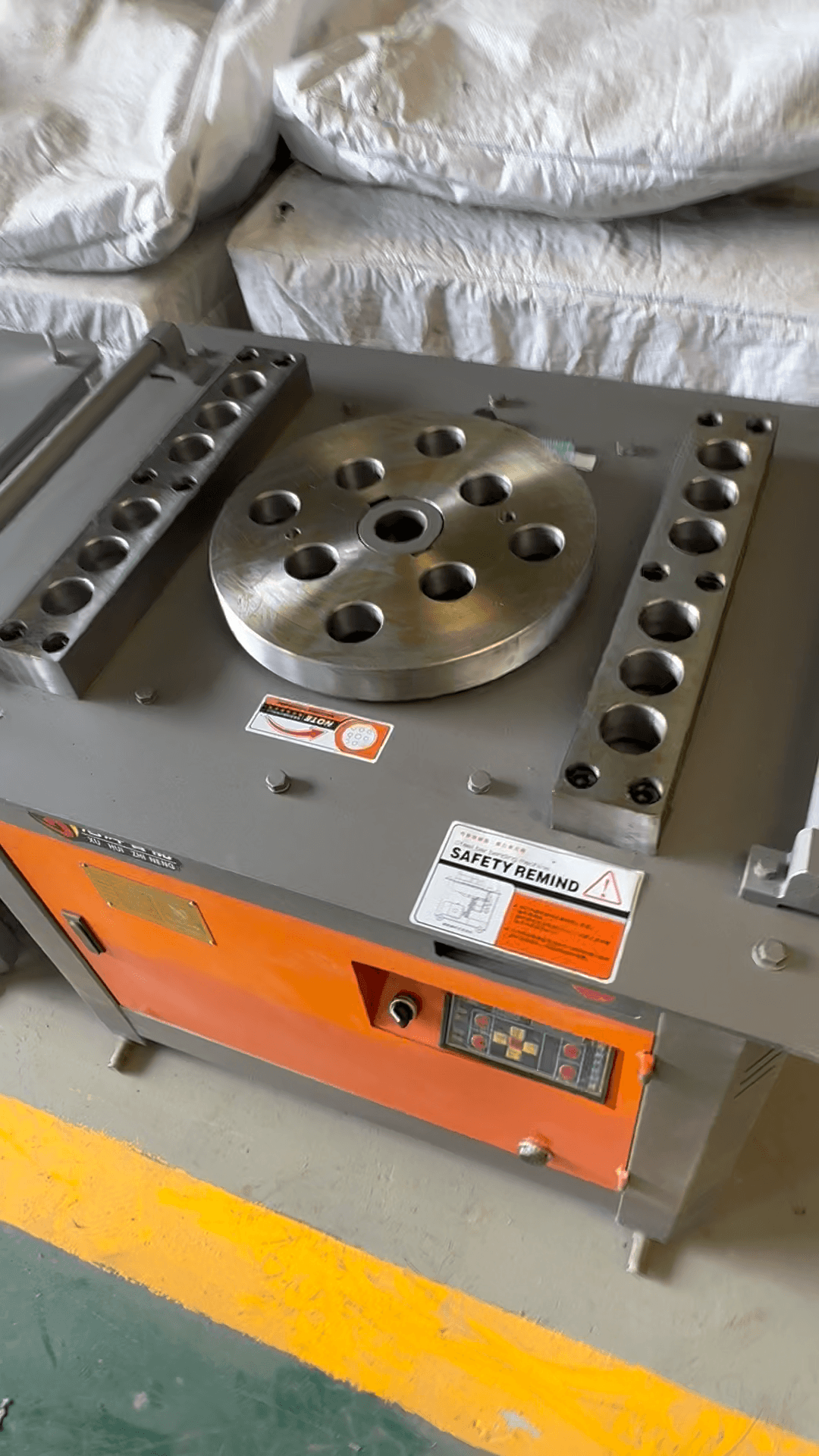
Understanding CNC Rebar Bending Machine Basics
A CNC (Computer Numerical Control) rebar bending machine is an automated system designed to precisely bend steel reinforcement bars (rebars) to specific angles and shapes required in concrete construction. These machines have revolutionized rebar processing by replacing manual bending methods that were time-consuming, labor-intensive, and often inconsistent in quality.
Modern CNC rebar bending machines offer several advantages over traditional methods:
- High precision and consistency in bending angles
- Significant reduction in labor costs and human error
- Increased production speed and efficiency
- Ability to store and recall multiple bending programs
- Improved worker safety by minimizing manual handling
At Xuhui (Shandong) Intelligent Equipment Co., Ltd., we specialize in manufacturing advanced CNC rebar bending machines that meet the highest international standards. Our equipment is widely used in highway construction, bridge projects, airport terminals, and other large-scale infrastructure developments across the globe.
Key Factors to Consider When Selecting a CNC Rebar Bending Machine
Choosing the right CNC rebar bending machine requires careful evaluation of several critical factors. Here’s what you need to consider to make an informed decision:
1. Machine Capacity and Size Specifications
The first consideration should be the machine’s capacity to handle the rebar sizes and lengths required for your projects. Key specifications include:
- Maximum bending diameter: This determines the largest rebar size the machine can bend. Common highway projects typically require machines capable of bending rebars up to 40mm in diameter.
- Maximum bending length: Consider the longest rebar sections you’ll need to process. Standard machines can handle lengths from 6 meters up to 12 meters or more.
- Bending angle range: Most machines offer 0-180 degree bending capability, but verify this matches your project requirements.
- Bending speed: Measured in seconds per bend, this affects overall production efficiency. Look for machines with adjustable speeds for different rebar sizes.
2. Automation Level and Control System
The degree of automation significantly impacts productivity and ease of use:
- Fully automatic machines: These require minimal operator intervention, with automatic feeding, bending, and cutting processes.
- Semi-automatic machines: Require more manual input but are often more affordable for smaller operations.
- CNC control system: Look for user-friendly interfaces with touchscreen controls and the ability to store multiple bending programs.
- Data connectivity: Advanced machines may offer USB or network connectivity for program transfer and production monitoring.
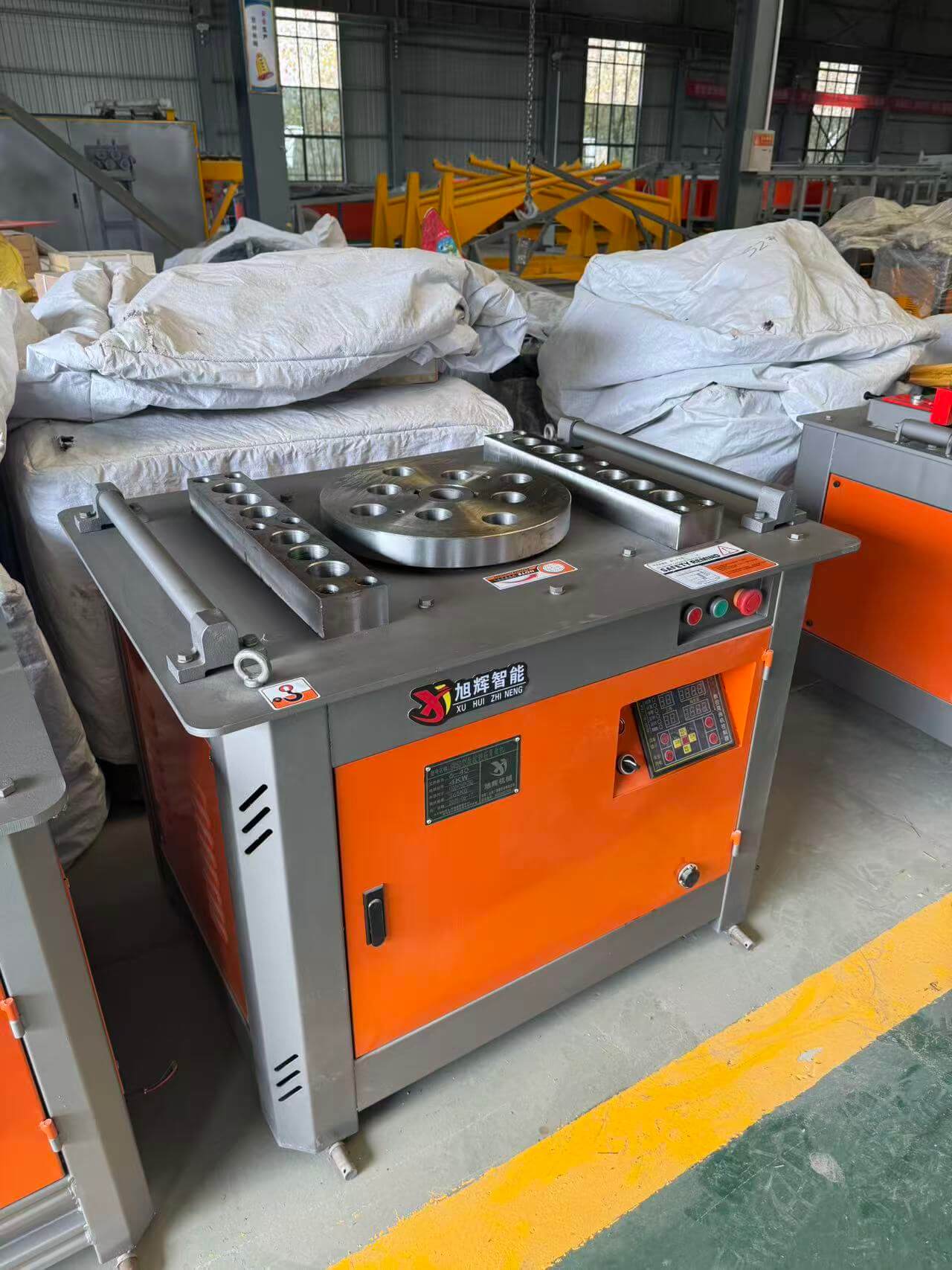
3. Machine Construction and Durability
Construction quality affects machine lifespan and reliability:
- Frame material: Heavy-duty steel frames with proper reinforcement resist vibration and deformation during operation.
- Bending arm design: Look for robust, stress-relieved bending arms that maintain precision over time.
- Motor quality: High-quality servo motors provide precise control and long service life.
- Component sourcing: Machines using reputable brand components (bearings, gears, etc.) tend to be more reliable.
4. Safety Features
Modern CNC rebar bending machines should include comprehensive safety systems:
- Emergency stop buttons: Easily accessible in multiple locations
- Safety guards: Protecting moving parts and preventing accidental contact
- Two-hand operation: Requires both hands to be on controls during bending to prevent accidents
- Overload protection: Prevents damage from excessive force or jammed rebars
5. After-Sales Support and Service
Consider the manufacturer’s reputation for customer support:
- Warranty period: Look for at least 12 months coverage on major components
- Spare parts availability: Ensure parts can be quickly sourced when needed
- Technical support: 24/7 availability for troubleshooting and assistance
- Training programs: Comprehensive operator training reduces downtime and improves safety
Top Applications for CNC Rebar Bending Machines
Understanding your specific application requirements helps narrow down your machine selection. Here are common use cases where our CNC rebar bending machines excel:
Highway Construction Projects
For highway projects, you’ll need machines capable of processing large quantities of rebar quickly while maintaining precise bending specifications. Look for:
- High bending speed (2-5 seconds per bend for common sizes)
- Ability to handle rebars up to 40mm diameter
- Automatic feeding systems for continuous operation
- Programmable bending sequences for complex shapes
Bridge Construction
Bridge projects often require specialized bending shapes and larger rebar sizes:
- Precision bending for complex reinforcement patterns
- Capacity for rebars up to 50mm in some cases
- Ability to create hooks and other special end treatments
- Heavy-duty construction to handle continuous operation
Airport and Infrastructure Projects
Large-scale infrastructure projects demand high productivity and consistency:
- Fully automatic operation for minimal labor requirements
- Large bending capacity to handle various rebar sizes
- Ability to store multiple programs for different project phases
- Reliable performance in demanding construction environments
| Machine Type | Max Rebar Diameter | Bending Speed | Ideal For |
|---|---|---|---|
| Standard CNC Bender | Up to 32mm | 3-6 sec/bend | General construction, housing projects |
| High-Speed Bender | Up to 40mm | 2-4 sec/bend | Highway projects, large infrastructure |
| Heavy-Duty Bender | Up to 50mm | 4-8 sec/bend | Bridge construction, industrial projects |
FAQ
What makes Xuhui’s CNC rebar bending machines different from other manufacturers?
Xuhui (Shandong) Intelligent Equipment Co., Ltd. stands out with our commitment to quality, precision, and customer service. Our machines feature heavy-duty construction using premium components, advanced CNC control systems, and comprehensive safety features. As a CE-certified manufacturer, we ensure our equipment meets international standards. Additionally, we offer full customization options and worldwide technical support.
How do I determine the right machine size for my projects?
The ideal machine size depends on your maximum rebar diameter and length requirements. For highway projects, we typically recommend machines capable of handling at least 40mm diameter rebars with bending speeds of 2-4 seconds per bend. Our technical team can assess your specific needs and recommend the most suitable model from our range of standard, high-speed, and heavy-duty benders.
What maintenance is required for CNC rebar bending machines?
Regular maintenance is crucial for optimal performance. Key maintenance tasks include daily cleaning of the bending area, weekly lubrication of moving parts, monthly inspection of electrical connections, and quarterly checks of the bending arm alignment. We provide detailed maintenance manuals with all our machines and offer operator training programs that cover maintenance procedures.
Can Xuhui provide custom solutions for special bending requirements?
Absolutely. As a leading manufacturer, we specialize in creating custom solutions for unique project requirements. Our engineering team can modify standard models or design entirely new machines to handle specific rebar sizes, bending shapes, or production volumes. We’ve successfully developed custom solutions for numerous international projects with specialized needs.
How does Xuhui ensure the quality of its rebar bending machines?
Quality control is integral to our manufacturing process. Each machine undergoes rigorous testing before shipment, including: 1) Functional testing of all moving parts 2) Precision verification of bending angles 3) Load testing with maximum capacity rebars 4) Safety system checks 5) 24-hour continuous operation test. Additionally, we use only premium components from reputable suppliers and maintain strict quality standards throughout production.
Summary
Selecting the right CNC rebar bending machine requires careful consideration of your specific project requirements, production volumes, and budget constraints. By focusing on machine capacity, automation level, construction quality, safety features, and after-sales support, you can identify equipment that will deliver reliable performance and excellent return on investment.
At Xuhui (Shandong) Intelligent Equipment Co., Ltd., we’re committed to providing high-quality CNC rebar bending machines that meet the demanding needs of modern construction projects. Our machines combine precision engineering with user-friendly operation, helping contractors worldwide improve productivity, reduce costs, and maintain the highest quality standards in rebar processing.
Whether you’re working on highway construction, bridge projects, or other large-scale infrastructure developments, our team can help you select or customize the perfect CNC rebar bending solution for your needs. Contact us today to discuss your requirements and discover how our advanced rebar processing equipment can benefit your next project.