
When it comes to modern construction projects, efficiency and precision are paramount. The horizontal four head rebar bending center has emerged as an essential piece of equipment for contractors looking to streamline their operations while maintaining high standards of quality. This advanced machine automates the bending process for various types of rebar, enabling faster production with consistent results. However, with multiple options available in the market, selecting the right model for your specific needs can be challenging.
In this comprehensive guide, we’ll explore everything you need to know about choosing the best horizontal four head rebar bending center. We’ll examine key features to consider, compare top manufacturers, and provide practical tips to help you make an informed decision that enhances your construction workflow.
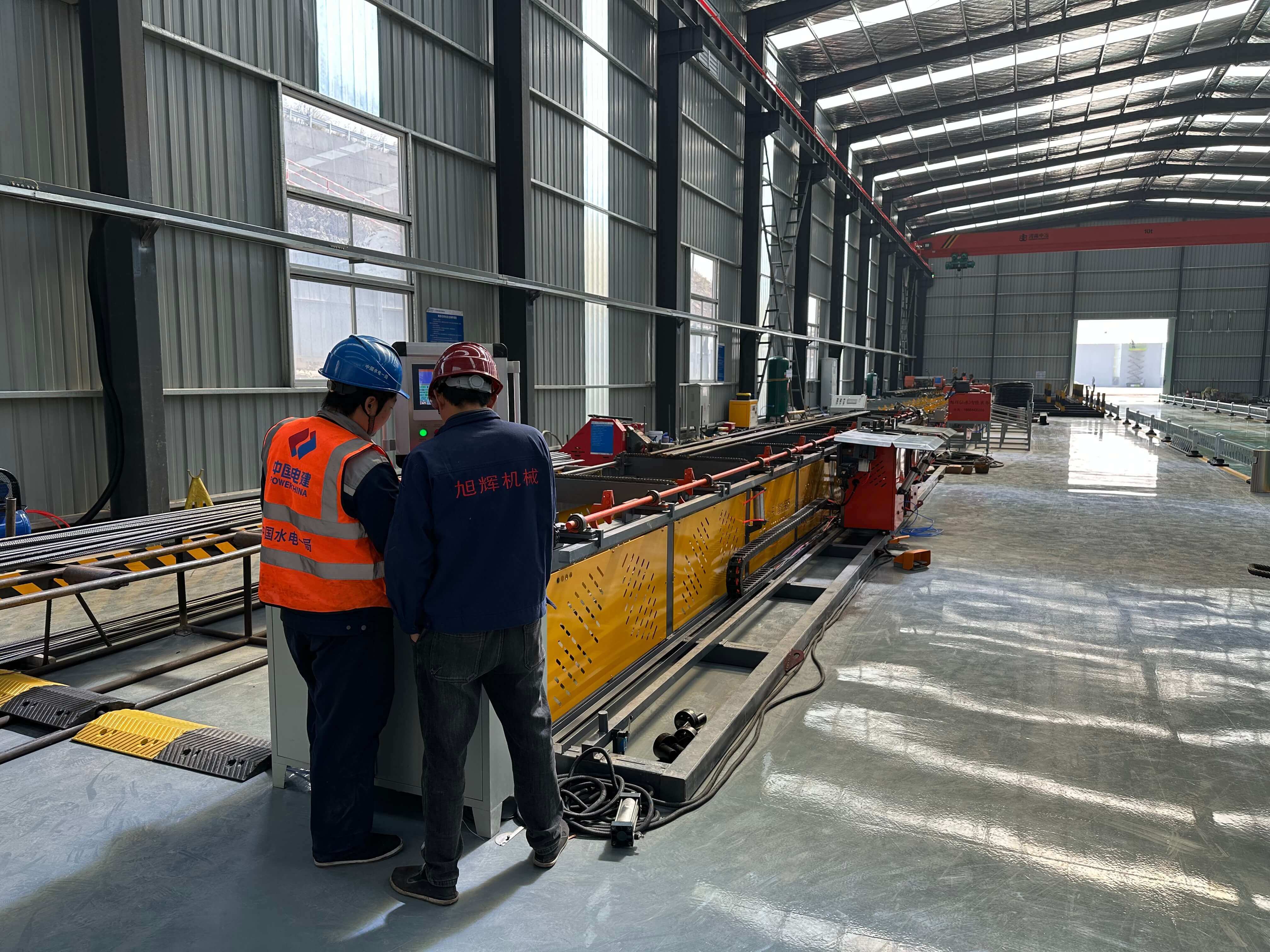
Understanding the Horizontal Four Head Rebar Bending Center
Before diving into selection criteria, it’s important to understand what makes this type of equipment unique. A horizontal four head rebar bending center is a specialized machine designed to automatically bend steel reinforcement bars (rebar) into various shapes required for concrete construction. The “four head” configuration means the machine has four independent bending heads that can work simultaneously or individually, allowing for complex bending patterns and increased productivity.
These machines are particularly valuable for projects requiring large volumes of precisely bent rebar, such as bridges, high-rise buildings, dams, and other infrastructure projects. By automating what was traditionally a manual process, they reduce labor costs, minimize human error, and significantly speed up production times.
Key Features to Consider When Selecting a Machine
Choosing the right horizontal four head rebar bending center involves evaluating several critical features that impact performance, versatility, and long-term value. Here are the most important factors to consider:
1. Bending Capacity and Range
The machine’s capacity determines the maximum diameter of rebar it can bend. Most models handle rebar diameters from 6mm to 40mm, but some industrial-grade machines can process even larger sizes. Consider your typical project requirements and choose a machine that comfortably exceeds your current needs to accommodate future projects.
The bending range refers to the angles the machine can achieve. Look for models that offer a wide range of bending angles (typically from 0° to 180°) with precise control. Some advanced machines can create compound bends in a single operation, which is particularly useful for complex structural elements.
2. Number of Bending Heads
While we’re focusing on four-head models, it’s worth noting that some machines offer two or three heads, while others may have more than four. The advantage of four heads is the ability to create more complex shapes simultaneously or to process multiple bars at once, increasing throughput. Ensure the heads can be programmed independently for maximum flexibility.
3. Automation and Control System
Modern rebar bending centers feature sophisticated CNC (Computer Numerical Control) systems that allow for precise programming of bending sequences. Look for machines with user-friendly interfaces, preferably with touchscreen controls and graphical programming capabilities. Some advanced systems can import designs directly from CAD software, reducing programming time and potential errors.
Automation features like automatic bar feeding, measuring, and cutting can further enhance efficiency. Some machines also include self-calibration functions to maintain accuracy over time.
4. Construction Quality and Durability
These machines operate under heavy loads and need to withstand continuous use in demanding construction environments. Examine the build quality, focusing on the frame construction, bending arms, and gear systems. High-quality machines typically use heavy-duty steel frames, hardened gears, and precision-machined components to ensure longevity and reliable performance.
Also consider the maintenance requirements. Machines with modular designs and easily accessible components are generally easier and less expensive to maintain over their lifespan.
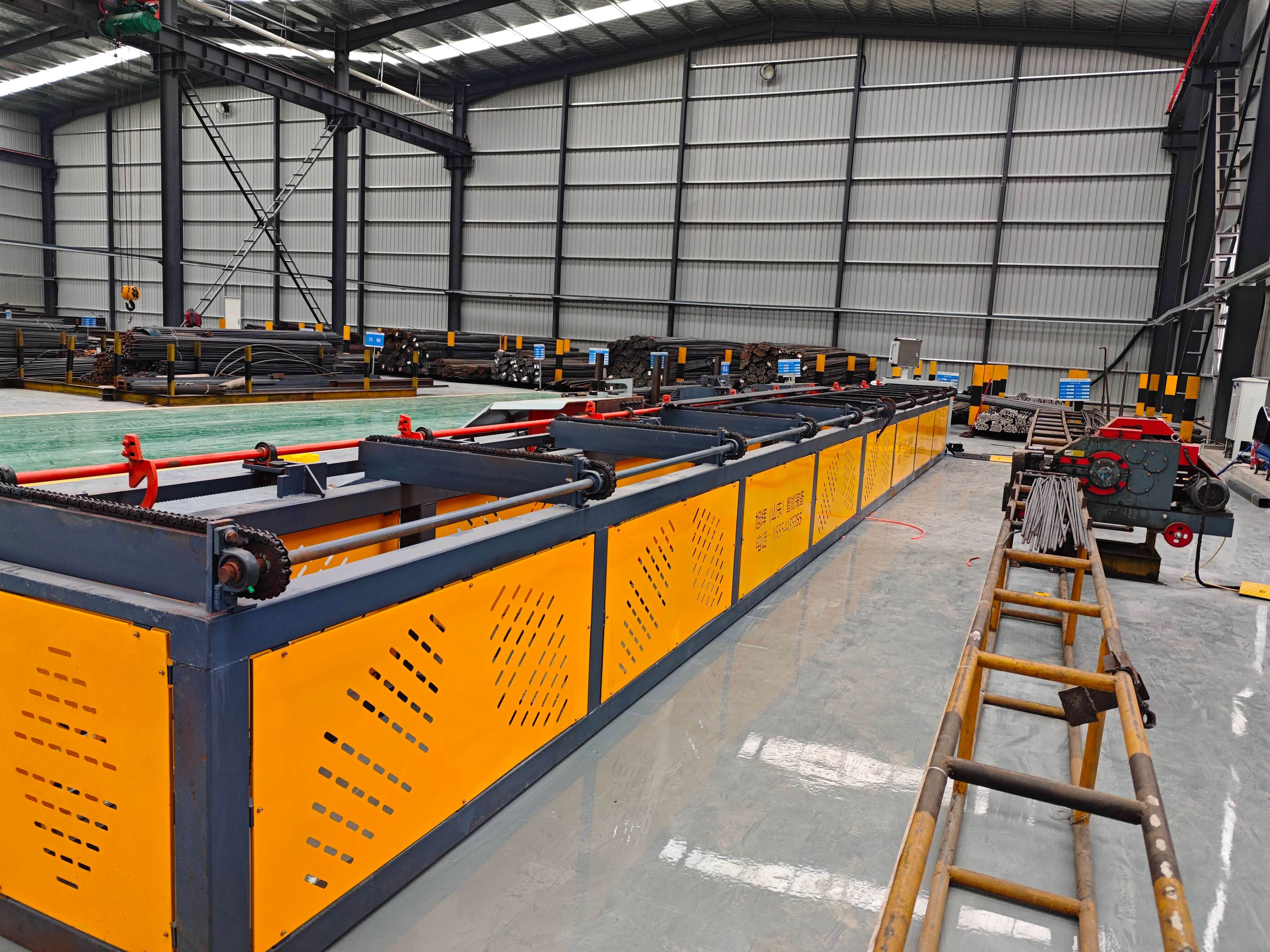
5. Safety Features
Operating heavy machinery always carries risks, so safety should be a top priority. Look for machines equipped with comprehensive safety systems, including emergency stop buttons, protective guards around moving parts, and safety interlocks that prevent operation when doors or covers are open. Some advanced models include optical sensors that detect obstacles or personnel in hazardous areas.
6. Power Requirements and Energy Efficiency
Consider the power consumption of the machine, especially if you’ll be operating multiple units or have limited power availability at your facility. Some manufacturers design their machines to be more energy-efficient without compromising performance, which can lead to significant cost savings over time.
7. After-Sales Support and Service
The quality of after-sales support can make or break your experience with a rebar bending center. Look for manufacturers that offer comprehensive support packages, including installation, operator training, preventive maintenance programs, and readily available spare parts. A responsive technical support team is also crucial for minimizing downtime in case of issues.
Top Manufacturers of Horizontal Four Head Rebar Bending Centers
Several reputable manufacturers produce high-quality horizontal four head rebar bending centers. While we can’t endorse any specific brand, here are some factors to consider when evaluating manufacturers:
- Industry Experience: Companies with decades of experience in rebar processing equipment typically offer more refined products and better support.
- Product Range: Manufacturers offering a wide range of rebar processing equipment may have more integrated solutions and better understanding of industry needs.
- Global Presence: Companies with international distribution networks can provide better support and faster delivery of spare parts worldwide.
- Certifications: Look for manufacturers whose products comply with international standards like CE certification for European markets.
- Customer Reviews: Research what other contractors say about the manufacturer’s products and service quality.
One notable manufacturer in this space is Xuhui (Shandong) Intelligent Equipment Co., Ltd., based in Heze, Shandong – a major engineering machinery manufacturing base in China. They specialize in the research, development, production, and sales of CNC rebar equipment, offering comprehensive solutions for standardized rebar construction. Their product range includes steel arch production lines, rebar cage welding workstations, and various types of rebar bending and cutting equipment, all designed to meet the needs of large-scale infrastructure projects.
| Feature | Importance | What to Look For |
|---|---|---|
| Bending Capacity | High | Matches or exceeds your project requirements |
| Number of Heads | High | Four independent, programmable heads |
| Control System | High | User-friendly CNC with CAD import capability |
| Construction Quality | High | Heavy-duty steel frame, precision components |
| Safety Features | High | Comprehensive protection systems |
| After-Sales Support | Medium | Training, maintenance, spare parts availability |
Application Scenarios for Horizontal Four Head Rebar Bending Centers
These advanced machines find applications in various construction scenarios where precision and efficiency are critical:
1. Bridge Construction
Bridges require complex rebar shapes with precise angles for structural integrity. The four-head configuration allows for simultaneous bending of multiple bars or creation of compound bends in a single operation, making it ideal for bridge girders, piers, and abutments.
2. High-Rise Buildings
For tall structures, rebar must be bent to exact specifications to handle the loads and stresses. The automation capabilities of these machines ensure consistent quality across thousands of rebar pieces needed for columns, beams, and slabs.
3. Infrastructure Projects
Dams, tunnels, and other large infrastructure projects often require custom rebar shapes in large quantities. The high production capacity of four-head bending centers makes them suitable for these demanding applications.
4. Precast Concrete Production
Precast elements like wall panels, beams, and columns require standardized rebar cages. These machines can quickly produce consistent rebar frames, improving the quality and production speed of precast operations.
FAQ
What is the main advantage of a horizontal four head rebar bending center over traditional bending methods?
The primary advantage is automation and precision. These machines can bend multiple rebar pieces simultaneously with consistent accuracy, significantly increasing production speed while reducing labor costs and human error compared to manual bending methods.
How do I determine the right bending capacity for my projects?
Review your project specifications to identify the largest diameter rebar you’ll need to bend. Choose a machine with a bending capacity that exceeds this requirement by at least 10-20% to accommodate potential future needs or variations in material specifications.
Can a horizontal four head rebar bending center create compound bends?
Yes, most advanced models can create compound bends where the rebar is bent at multiple angles in a single piece. This capability is particularly useful for complex structural elements found in bridges and high-rise buildings.
What maintenance is required for these machines?
Regular maintenance includes daily cleaning, lubrication of moving parts, inspection of electrical connections, and calibration of bending angles. Many manufacturers offer preventive maintenance programs that include periodic comprehensive checks and component replacements to ensure optimal performance.
How long does it typically take to train operators on these machines?
Training duration depends on the operator’s prior experience and the machine’s complexity. Most manufacturers provide comprehensive training programs that typically take 1-3 days to cover basic operation, safety procedures, and simple troubleshooting. Advanced programming features may require additional training.
Summary
Selecting the right horizontal four head rebar bending center is a critical decision that can significantly impact your construction projects’ efficiency, quality, and profitability. By focusing on key features like bending capacity, automation capabilities, construction quality, and after-sales support, you can identify a machine that meets your current needs while offering room for growth.
Remember to consider your specific project requirements, budget constraints, and long-term business goals when making your selection. Don’t hesitate to request demonstrations from multiple manufacturers and speak with existing customers to get firsthand insights into machine performance and support quality.
Investing in a high-quality horizontal four head rebar bending center is more than just purchasing equipment—it’s an investment in your company’s ability to deliver superior construction projects efficiently and reliably. With the right machine and proper training, your team can achieve new levels of productivity while maintaining the highest standards of quality in rebar processing.