
In modern infrastructure construction projects such as highways, high-speed railways, bridges, and tunnels, the processing quality and efficiency of steel bars directly affect project quality and construction progress. As a key piece of equipment in steel bar processing, the fully automatic CNC hydraulic steel bar straightening and cutting machine plays a crucial role. This article will provide a comprehensive guide to help you understand how to choose the most suitable equipment for your specific needs.
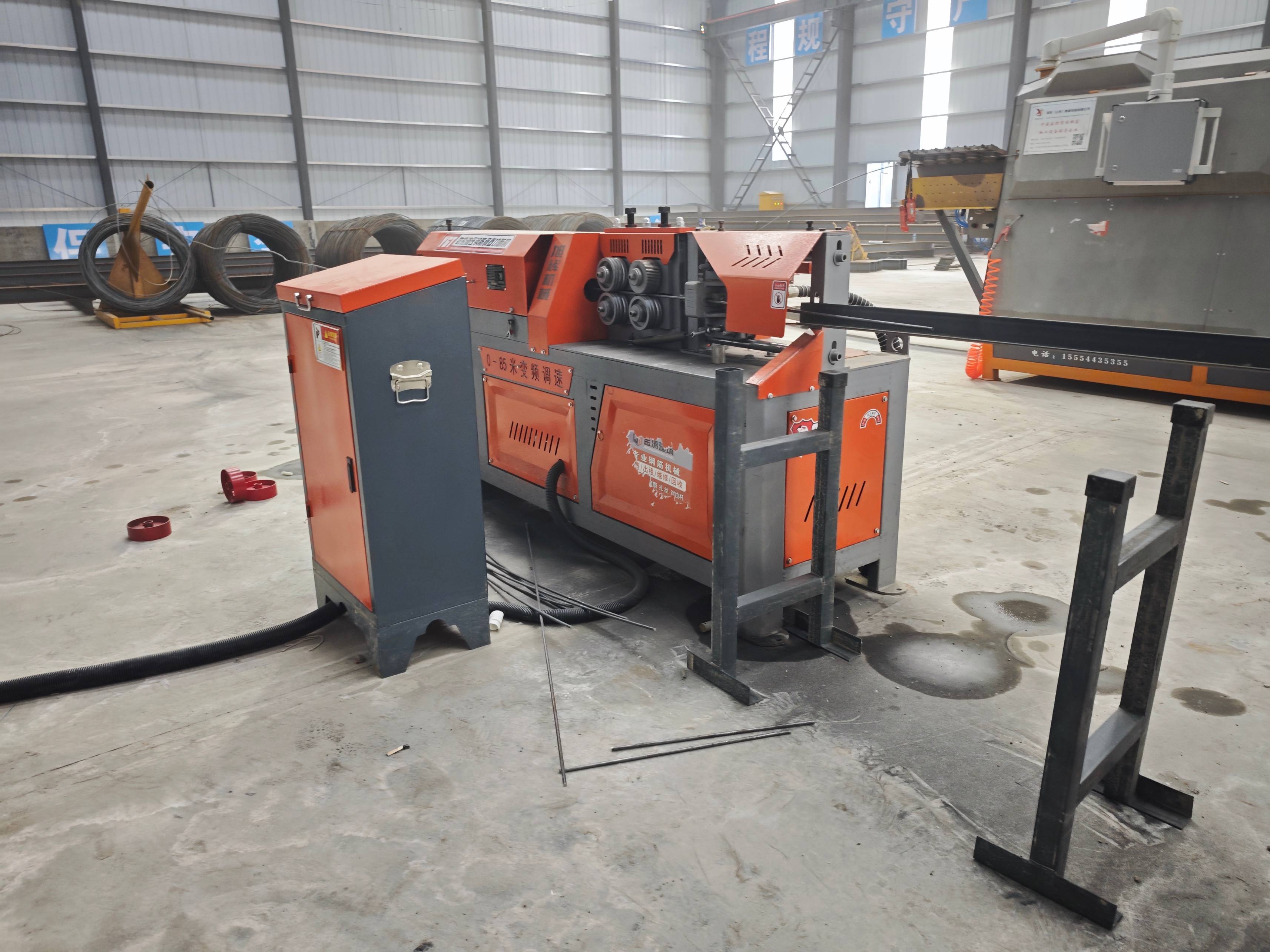
Understanding the Core Functions of Steel Bar Straightening and Cutting Machines
A fully automatic CNC hydraulic steel bar straightening and cutting machine integrates multiple functions including feeding, straightening, measuring, cutting, and collecting. Its primary purpose is to transform coiled steel bars into straight bars with precise lengths, meeting the standardized requirements of modern construction projects. This equipment represents a significant upgrade from traditional manual processing methods, offering improved processing accuracy, efficiency, and safety.
The working principle involves hydraulic systems providing stable straightening force, while CNC technology ensures precise length control. The combination of these technologies enables continuous, automated processing with minimal human intervention, making it ideal for large-scale infrastructure projects with strict quality requirements.
Key Selection Criteria for Purchasing Equipment
When evaluating different suppliers and models, several critical factors should be considered to ensure you select equipment that meets your project requirements while providing reliable long-term performance:
1. Processing Capacity and Speed
The processing capacity directly determines your production efficiency. For large-scale projects like highway construction, we recommend choosing equipment with a minimum processing capacity of 1,500-2,000 kg/hour. Higher capacity models can reach 3,000 kg/hour or more, significantly improving overall project progress.
Cutting speed is equally important. Modern advanced models can achieve cutting speeds of 40-60 meters per minute, while maintaining high precision. This rapid processing capability is particularly valuable when dealing with tight project deadlines.
2. Precision and Accuracy
Construction standards typically require length tolerances within ±1mm and straightening accuracy that ensures the steel bar can pass through a standard template without obstruction. Look for equipment that incorporates advanced measuring systems and hydraulic control technology to maintain consistent accuracy even during continuous operation.
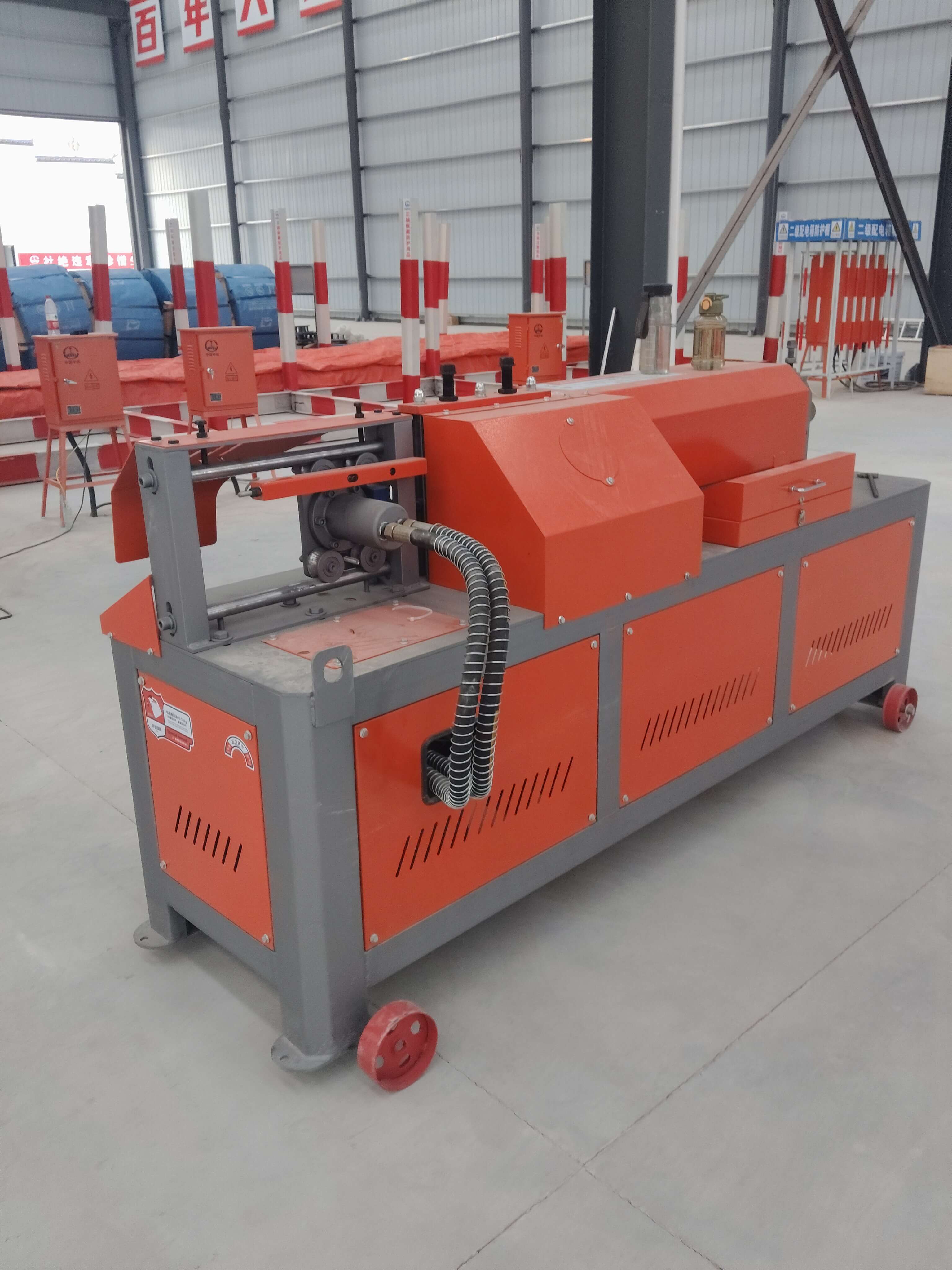
The straightening system should effectively eliminate both longitudinal and transverse bending of the steel bars. High-quality models use multiple straightening rollers arranged in specific angles to achieve optimal straightening results for various steel bar diameters.
3. Equipment Durability and Stability
Infrastructure projects often involve continuous operation for extended periods. Therefore, the equipment’s structural design and component quality are crucial. Pay attention to:
- Frame material and construction (heavy-duty steel welded frames are preferable)
- Quality of hydraulic components (international brands typically offer better reliability)
- Motor power and quality (sufficient power reserves ensure stable operation)
- Wear-resistant parts design (especially straightening rollers and cutting blades)
4. Automation and Intelligence Level
Modern construction projects increasingly demand smart manufacturing solutions. Advanced equipment should feature:
- Touch screen control interface for easy operation
- Automatic length measurement and cutting system
- Fault self-diagnosis and alarm functions
- Production data recording and statistics capabilities
- Remote monitoring and maintenance options
These intelligent features not only improve operational efficiency but also reduce the need for skilled operators, lowering long-term labor costs.
Application Scenarios and Industry Solutions
The fully automatic CNC hydraulic steel bar straightening and cutting machine finds extensive applications across various infrastructure sectors. Understanding these application scenarios helps in selecting the most appropriate equipment configuration:
Highway Construction Projects
For highway projects, the equipment must handle large volumes of steel bars with consistent quality. Highway construction typically requires steel bars in lengths ranging from 6-12 meters, with strict tolerance requirements. The equipment should be capable of processing multiple steel bar diameters (commonly Φ6-Φ40mm) to accommodate different structural components.
In highway projects, the equipment is often integrated into centralized processing centers, requiring high reliability and continuous operation capabilities. Some advanced models can be customized with additional features like automatic bundling systems to streamline the entire processing workflow.
Bridge and Tunnel Engineering
Bridge and tunnel projects present unique challenges due to the complex shapes and precise requirements of reinforcing steel bars. The equipment must deliver exceptional straightening quality to ensure proper fit during assembly. For tunnel projects, where space may be limited, compact yet powerful models are preferable.
Some specialized applications in tunnel engineering may require additional features like automatic bending capabilities or integration with other processing equipment to create complete production lines for prefabricated steel bar components.
Railway Construction
Railway projects, especially high-speed railways, have the most stringent quality requirements. The equipment must meet national railway standards for steel bar processing, which often specify tighter tolerances and higher fatigue resistance requirements. For railway projects, look for equipment that has been specifically certified for railway applications and has a proven track record in similar projects.
Comparing Different Equipment Models
When evaluating different suppliers and models, a detailed comparison helps make an informed decision. The following table outlines key parameters to consider when comparing fully automatic CNC hydraulic steel bar straightening and cutting machines:
| Parameter | Standard Model | High-Capacity Model | Premium Intelligent Model |
|---|---|---|---|
| Processing Capacity (kg/h) | 1,200-1,500 | 2,000-3,000 | 2,500-3,500 |
| Applicable Diameter Range (mm) | Φ6-Φ32 | Φ6-Φ40 | Φ6-Φ50 |
| Length Tolerance (mm) | ±2 | ±1.5 | ±1 |
| Straightening Accuracy | ≤2mm/m | ≤1.5mm/m | ≤1mm/m |
| Automation Level | Semi-automatic | Fully automatic | Intelligent with IoT |
FAQ
What factors should I consider when selecting a steel bar straightening and cutting machine for highway projects?
For highway projects, prioritize equipment with high processing capacity (minimum 1,500 kg/h), excellent length accuracy (±1mm tolerance), and the ability to handle multiple diameters (typically Φ6-Φ40mm). Also consider whether the equipment can be integrated into a centralized processing center and if it offers automatic bundling features to streamline workflow.
How does the straightening system affect the final product quality?
The straightening system determines both the longitudinal and transverse straightness of the processed steel bars. High-quality models use multiple straightening rollers arranged at specific angles to effectively eliminate bending in all directions. This ensures the steel bars meet construction standards and can be easily installed without deformation issues.
What maintenance is required for these machines?
Regular maintenance includes daily cleaning, weekly lubrication of moving parts, monthly inspection of hydraulic components, and quarterly calibration of measuring systems. Choose equipment with easily accessible components and clear maintenance manuals to simplify upkeep. Some suppliers offer comprehensive maintenance packages that include regular service visits.
Can these machines process stainless steel bars?
Yes, but you need to select models specifically designed for stainless steel processing. These machines typically feature harder straightening rollers and cutting blades made from special materials to withstand the increased hardness of stainless steel. Always confirm with the supplier that the equipment is suitable for your specific material requirements.
Summary
Selecting the right fully automatic CNC hydraulic steel bar straightening and cutting machine requires careful evaluation of your project requirements, processing volumes, and quality standards. By focusing on key parameters like processing capacity, precision, durability, and automation level, you can identify equipment that meets your current needs while offering room for future expansion.
For infrastructure projects in particular, we recommend choosing established suppliers with proven experience in the industry. Look for companies that offer not just equipment but complete solutions including installation, training, and after-sales support. This comprehensive approach ensures your investment delivers maximum value throughout the equipment’s service life.
旭辉(山东)智能装备有限公司, as a professional manufacturer based in Heze, Shandong – China’s major engineering machinery manufacturing base, offers a complete range of CNC steel bar processing equipment. Our products, including the fully automatic CNC hydraulic steel bar straightening and cutting machine, have been widely applied in highway, railway, bridge, tunnel, and other infrastructure projects worldwide. With CE certification and global export capabilities, we provide reliable equipment and comprehensive services to customers around the world.