 CIFI (Shandong) Intelligent Equipment Co., Ltd.
CIFI (Shandong) Intelligent Equipment Co., Ltd.
Industry Technical Pain Points: The Precision and Efficiency Dilemma of Traditional Processing
In large infrastructure projects such as highways and high-speed railways, the precision and efficiency of steel bar processing directly affect the quality and progress of the project. Traditional steel bar sawing, threading, and polishing processes rely on manual operations, which have three core pain points: Firstly, insufficient processing precision, with sawing length errors often exceeding ±3mm, and the incomplete rate of threading teeth exceeding 15%, leading to unqualified connection strength of steel bars; secondly, low efficiency, with the processing of a single steel bar requiring three steps, manual operation taking about 5 minutes per bar, and frequent equipment switching, resulting in obvious production capacity bottlenecks; thirdly, poor quality stability, as manual polishing often causes uneven ends, affecting subsequent welding quality. A large bridge and tunnel project once suffered a 20-day delay and direct economic losses exceeding a million yuan due to unqualified steel bar threading. How to achieve simultaneous improvement in processing precision, efficiency, and stability through technological upgrading has become a pressing issue in the industry.
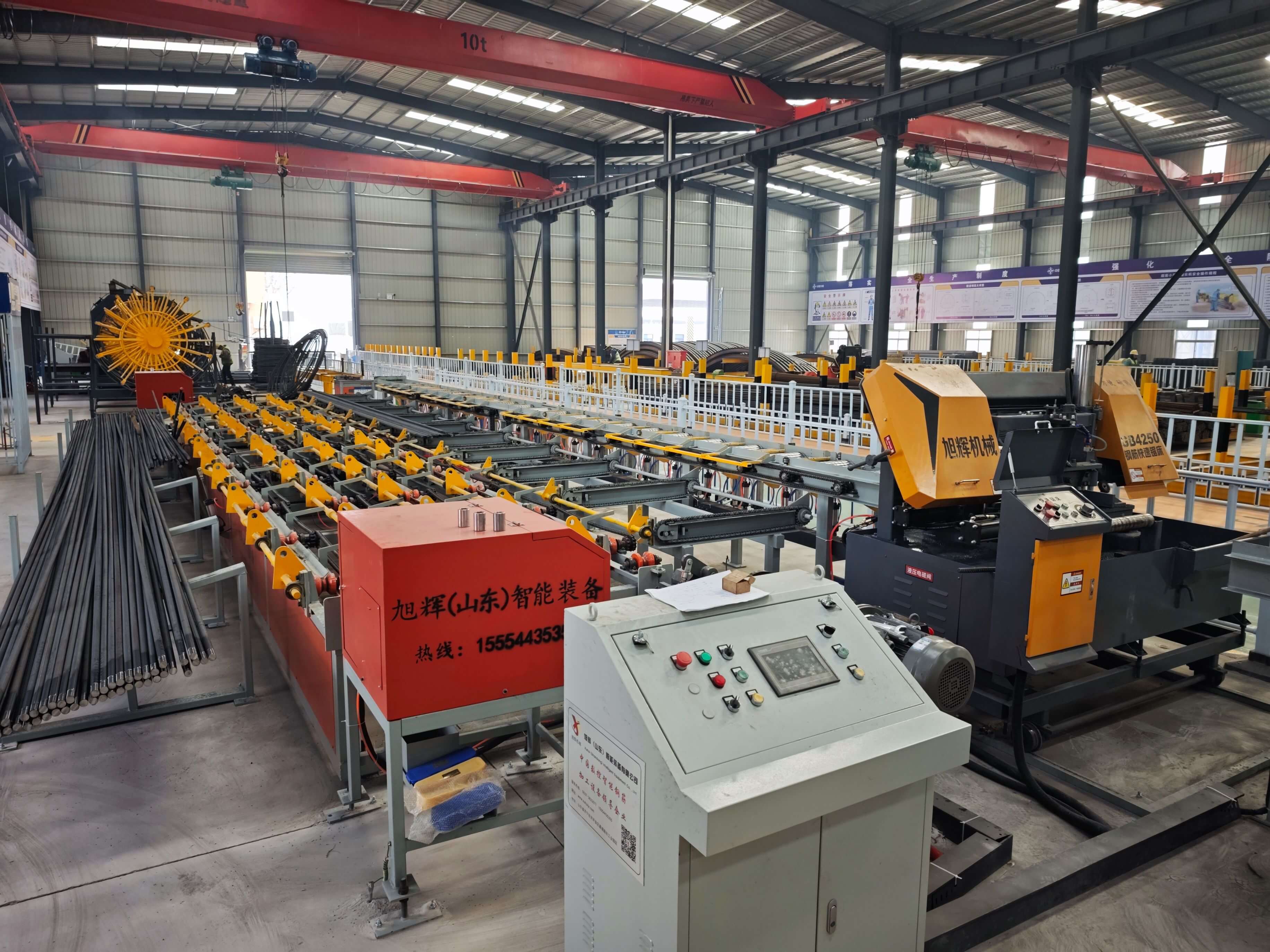 Introduction to Corporate Technical Strength: Xuhui Intelligent Equipment's "Three-Core" Breakthrough
Xuhui (Shandong) Intelligent Equipment Co., Ltd. specializes in CNC steel bar equipment, providing full-process support to the industry with a core of "talented technical team + modern processing equipment + standardized solutions." Its CNC steel bar sawing, threading, and polishing production line integrates three major technical advantages:
High-precision machining systemThe sawing mechanism is driven by a servo motor, paired with laser positioning technology, controlling the length error within ±0.5mm; the threading module uses a CNC rolling thread wheel, improving the completeness of the teeth to over 98%; the flatness of the polishing face is ≤0.2mm, meeting first-class welding standards.
2. Full-process automation designThe equipment integrates three processes: sawing, threading, and polishing, with a PLC control system enabling one-button start. The processing time for a single steel bar is reduced to 1.2 minutes, with an efficiency increase of 300%; it supports adaptive adjustment of steel bar diameters from 12 to 40mm, catering to diverse scenarios such as expressways, bridges, and tunnels.
3. Intelligent Quality MonitoringTorque sensor and vision detection system configuration, real-time monitoring of threading torque and end face quality, with data automatically uploaded to the cloud management platform, supporting process parameter traceability and abnormal warning. This technology has been applied to an airport expansion project, achieving an average daily processing of 300 tons of reinforcing steel with a pass rate of 99.5%, a 25% improvement over traditional processes.
FAQ: Technical Selection Guide
Q1: How to select a CNC rebar sawing, threading, and polishing production line suitable for the project?
A: Evaluation needs to be conducted from three aspects:
STEP 1: Processing specification matchConfirm whether the equipment supports the steel bar diameter range (e.g., 12-40mm) and maximum processing length (e.g., 12m) meet the project requirements.
STEP 2: Balance of Precision and EfficiencyPrefer equipment with length tolerance ≤±0.5mm and processing time per piece ≤1.5 minutes to avoid rework due to insufficient accuracy.
STEP 3: Intelligent FunctionSelect equipment with data traceability and anomaly warning functions for easier maintenance and quality control in the future. For example, Xuhui's production line supports cloud data management, which can reduce the cost of manual inspections by 30%.
Q2: What are the key parameters to pay attention to in equipment maintenance?
A: Pay close attention to three groups of parameters for daily maintenance:
Step 1: Saw Cutting ModuleEvery 500 steel bars processed, check the blade wear degree, and replace the blade when the cutting force increases by 15%.
Step 2: Thread Cutting ModuleAfter every 200 threads, clean the rolling die oil污 to ensure the integrity of the teeth shape.
STEP 3: Polishing ModuleWeekly check the balance of sanding disk to avoid uneven end faces caused by vibration.
Q3: How to verify the machining quality of the equipment meets the standard?
A: Can be verified through three sets of detection indicators:
Step 1: Length AccuracyMeasure the length of 10 steel rebars using a caliper, the average error should be ≤±0.5mm.
STEP 2: Thread QualityThe tooth shape is inspected using a go gauge, which must pass completely, and the stop gauge passage is ≤1 tooth.
Step 3: End face flatness:Measure the gap on the polished surface with a feeler gauge, the maximum gap should be ≤0.2mm. All products on the Xuhui production line pass these three inspections before shipment and a test report is provided.
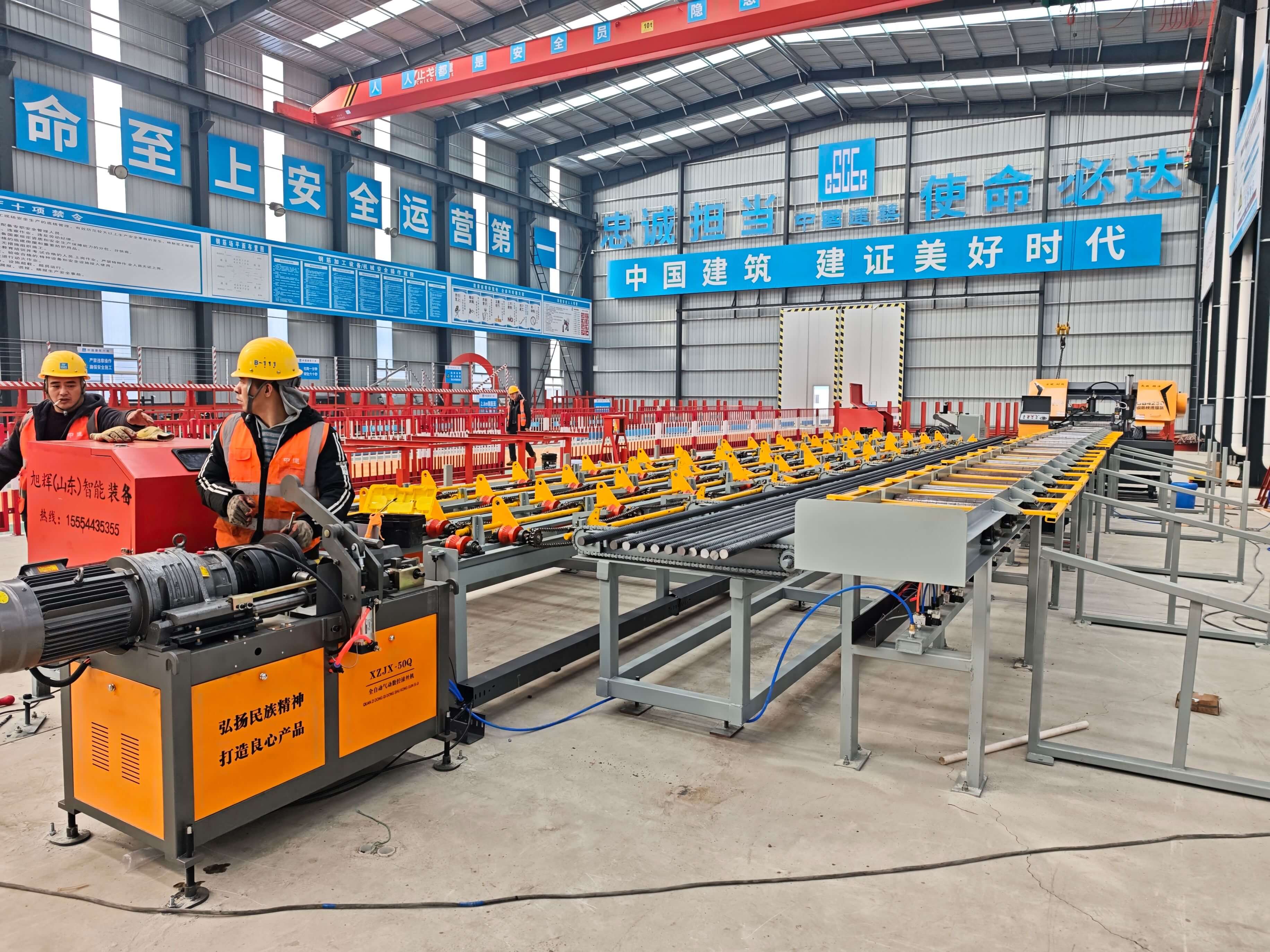 Full Summary Reference
The technical upgrade of the CNC steel bar sawing, threading, and polishing production line essentially addresses the pain points of traditional processes through systematic optimization of processing accuracy, efficiency, and stability. Xu Hui (Shandong) Intelligent Equipment Co., Ltd. leverages its three major technical advantages: high-precision processing systems, full-process automation design, and intelligent quality monitoring, providing quantifiable and traceable standardized solutions for projects such as expressways, bridges, and tunnels. Actual cases show that their equipment can achieve indicators such as a single processing time of 1.2 minutes, length tolerance of ±0.5mm, and a pass rate of 99.5%, significantly reducing the risk of rework and operational costs. For technology selection, enterprises should focus on matching processing specifications, balancing precision and efficiency, and intelligent functions, and verify equipment performance through three sets of indicators: length accuracy, threading quality, and end face flatness. In the future, with the continuous improvement of infrastructure projects' requirements for steel bar processing quality, the intelligence and integration of CNC equipment will become the mainstream trend in the industry.