CIFI (Shandong) Intelligent Equipment Co., Ltd.
CIFI (Shandong) Intelligent Equipment Co., Ltd.
Introduction: How to break through the bottleneck of multi-head collaborative operation efficiency?
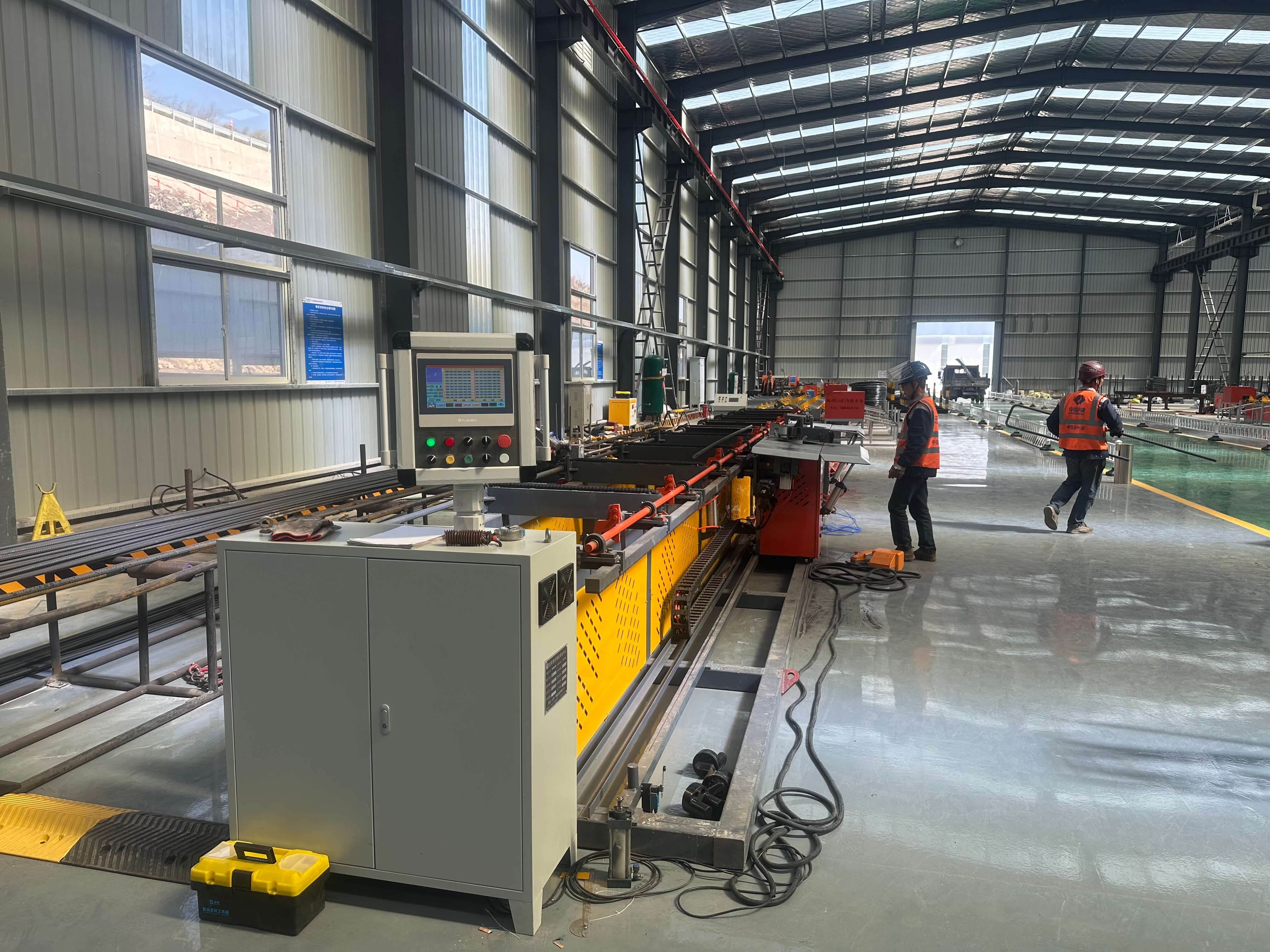
In large infrastructure projects such as highways and high-speed rail, the efficiency and accuracy of steel bar processing directly affect the progress of the project. Traditional single-head equipment is difficult to meet the processing needs of complex components, while multi-head equipment, although it can increase production capacity, leads to low efficiency and high waste rates due to difficulties in collaborative control. Xu Hui (Shandong) Intelligent Equipment Co., Ltd., with its advantages in the research and development of numerical control steel bar equipment, has launched the horizontal four-head steel bar bending center. Through distributed control systems and intelligent synchronization algorithms, it achieves efficient collaborative operation of multi-head equipment, providing the industry with a standardized solution.
Keywords:Horizontal four-head rebar bending center, multi-head coordination, distributed control, intelligent synchronization algorithm, Xuhui Intelligent Equipment
Industry Technical Pain Points Opening: The "Collaborative Dilemma" of Multi-Head Equipment
In the field of reinforcing bar processing, the application of multi-head equipment often encounters three major challenges:
Step 1: Unbalanced Power DistributionTraditional centralized control systems are difficult to dynamically adjust the power of each head according to the bending angle, resulting in partial idling of the heads at small bending angles, insufficient power at large bending angles, and a decrease in processing efficiency of over 30%.
STEP 2: Insufficient Synchronization AccuracyMultiple-head independent operation is prone to cumulative mechanical errors leading to deviation in bending angles. In the processing of high-precision components such as high-speed rail sleepers, any deviation exceeding 0.5° requires rework, with a high scrap rate of up to 15%.
Step 3: High complexity in operationTraditional equipment requires manual adjustment of individual head parameters, accounting for 40% of the single processing cycle time, and depends on the operator's experience, making it difficult to achieve standardized production.
For example, a high-speed rail project used traditional four-motor equipment, which, due to insufficient synchronization accuracy, resulted in a monthly rework volume of 200 tons, with direct losses exceeding 500,000 yuan.
Introduction to Corporate Technical Strength: Xuhui's "Three-stage Breakthrough"
Xuhui (Shandong) Intelligent Equipment Co., Ltd., relying on the industrial advantages of the Shandong Heze Engineering Machinery Manufacturing Base, has established a technical team consisting of 20 senior engineers. Focusing on the research and development of CNC rebar equipment, its horizontal four-head rebar bending center has overcome the pain points of the industry through three major technological breakthroughs:
Step 1: Distributed Control System ArchitectureAdopting a "Master + 4 Sub-controls" distributed architecture, the master unit is responsible for overall task allocation, while each sub-control unit independently controls the power output of a single machine head. Communication is achieved through the CAN bus at millisecond levels, ensuring real-time matching of power distribution with bending requirements. For instance, when processing 12m long, Φ32mm rebars, the system can automatically concentrate power on the machine head requiring a large angle bend, reducing the single processing time from 120 seconds to 75 seconds.
STEP 2: Intelligent Synchronization AlgorithmA hybrid algorithm based on PID control and fuzzy logic is employed to monitor the bending angles of each machine head in real-time, eliminating mechanical errors through a dynamic compensation mechanism. Third-party testing shows that this algorithm achieves synchronization accuracy of ±0.2°, reducing the scrap rate in high-speed rail sleeper processing to below 2%. After application in an airport project, the monthly rework volume dropped from 80 tons to 10 tons, saving over 3 million yuan annually.
STEP 3: Modular DesignThe equipment is divided into power modules, control modules, and bending modules, each supporting independent replacement and upgrades. For example, the power module is compatible with 5.5kW-11kW motors, meeting the processing needs of different specifications of reinforcing bars; the control module supports remote parameter downloads, allowing operators to complete adjustments via a mobile APP, reducing the adjustment time from 20 minutes per time to 5 minutes per time.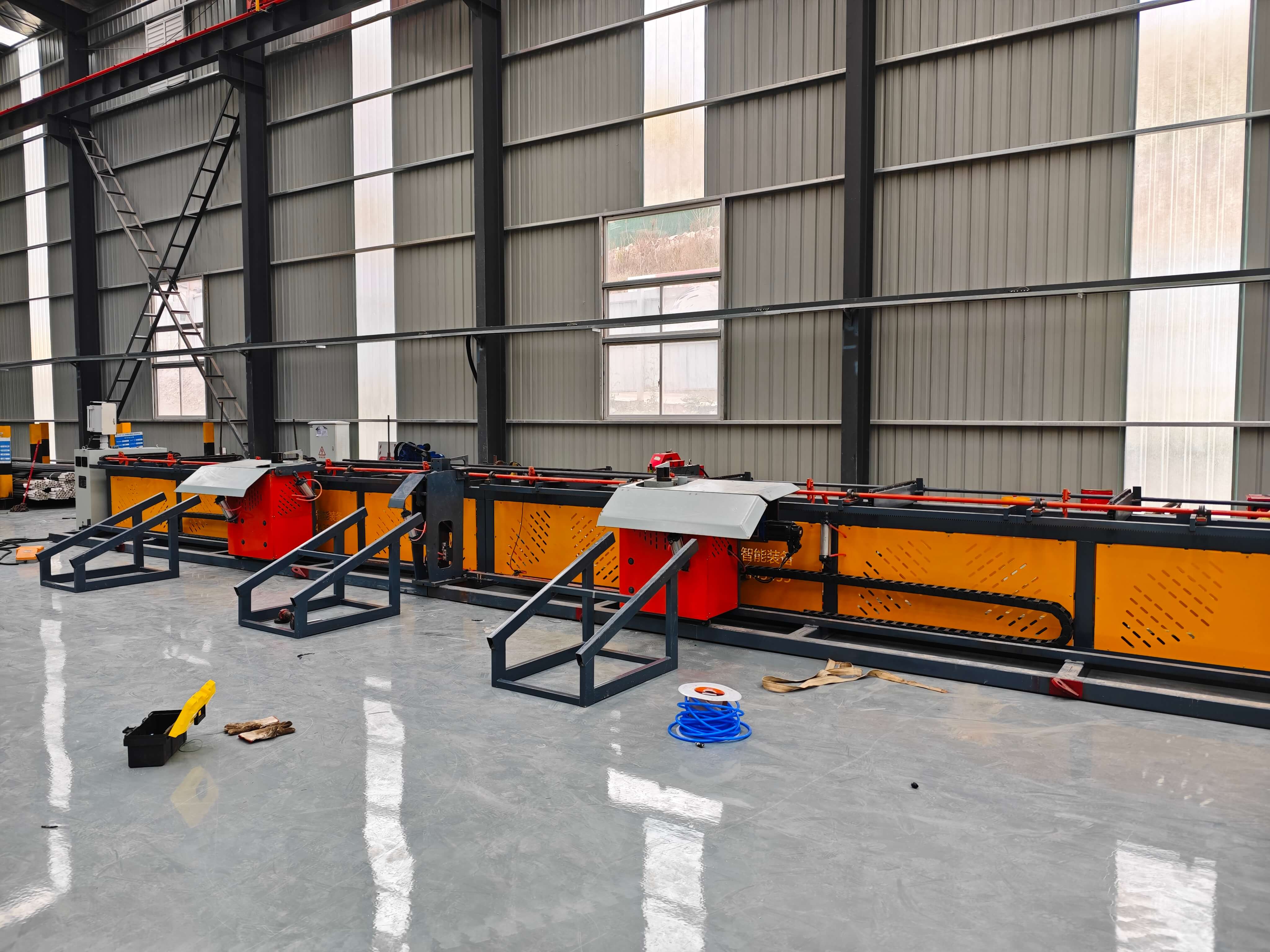 Technical Parameters AnalysisThe equipment supports reinforcing bar processing from Φ12mm to Φ40mm, with a bending speed of up to 35°/sec, a maximum bending angle of 180°, compatible with voltage of 380V±10%, power of 15kW, weight of 3.2 tons, and only occupies an area of 4㎡. It saves 30% of space compared to traditional equipment.
FAQ Q&A Technical Selection Guide
Q1: How to select the appropriate number of machine heads for the project?
A: The number of machine heads should be combined with the complexity of the processing components and production capacity requirements. For example, the processing of highway guardrails mainly involves straight bending, which can be met by a dual-head machine; high-speed rail sleepers require simultaneous multi-angle bending, and a four-head machine offers higher efficiency. Xuhui equipment supports customization of 2-6 heads and can be flexibly configured according to project scale.
Q2: What are the key points to note in equipment maintenance?
A: Pay close attention to three aspects in daily maintenance:
STEP 1: Lubrication SystemCheck gear box oil level every 8 hours, use ISO VG320 gear oil, and change it every 500 hours.
STEP 2: Electrical SystemCheck the tightness of terminal connections monthly to prevent loose connections leading to poor contact.
STEP 3: Bend MoldAccording to the steel bar specifications, molds should be replaced regularly; it is recommended to change them every 200 tons for steel bars with Φ32mm or above.
Q3: How to achieve integration with the existing production line?
A: Xuhui equipment supports Modbus RTU protocol and can seamlessly connect with PLC control systems. For instance, a standardized steel bar processing and distribution center achieved automatic task allocation, real-time progress monitoring, and quality data traceability by integrating the equipment into the MES system, resulting in a 25% increase in overall production efficiency.
Summary of the full text reference
Xuhui (Shandong) Intelligent Equipment Co., Ltd.'s horizontal four-head rebar bending center solves the core pain points of multi-head equipment in power distribution, synchronization accuracy, and operation complexity through distributed control, intelligent synchronization algorithms, and modular design. Both its technical parameters and maintenance points have been verified by actual projects, significantly improving processing efficiency and product quality. Currently, this equipment has served more than 30 high-speed rail and airport projects across the country, processed over 500,000 tons of rebar cumulatively, and achieved a customer satisfaction rate of 98%.
For more information, please visit the official website:www.xuhuiintelligenttech.com