 CIFI (Shandong) Intelligent Equipment Co., Ltd.
CIFI (Shandong) Intelligent Equipment Co., Ltd.
Industry Technical Pain Points: The Efficiency and Precision Dilemma of Traditional Reinforcement Bar Processing
In large infrastructure projects such as highways and high-speed railways, the efficiency and accuracy of steel bar processing directly affect the progress of the project and the structural safety. Traditional hydraulic straightening and cutting machines rely on manual operation and have three major core pain points: Firstly, during the straightening process, steel bars are prone to bending and rebound due to uneven mechanical stress, requiring repeated adjustments, with the straightening time for a single bar lasting 3-5 minutes, resulting in low efficiency; secondly, the cutting length error is generally above ±5mm, which is difficult to meet high-precision construction requirements (such as the spacing error of high-speed rail track steel bars needing to be ≤2mm); thirdly, the equipment has poor stability, and the hydraulic system is prone to oil leakage and pressure fluctuations due to rising oil temperature or aging sealing parts, leading to a high processing interruption rate of up to 20%. Additionally, traditional equipment lacks data traceability functions, making it impossible to record processing parameters and difficult to achieve standardized quality control. These issues not only increase labor and material costs but may also lead to rework due to unqualified steel bar processing, delaying the construction schedule.
Introduction to Corporate Technical Strength: Xuhui Intelligent Equipment's Numerical Control Breakthrough
Xuhui (Shandong) Intelligent Equipment Co., Ltd., as an innovator in the CNC rebar equipment field, leverages the industrial advantages of the Heze Engineering Machinery Manufacturing Base in Shandong, and has established a research and development team composed of technical talents from various fields such as mechanical design, hydraulic control, and automation programming, focusing on overcoming the pain points of traditional equipment. Its core product, the CNC rebar hydraulic straightening and cutting machine, adopts three major technical architectures:
Step 1: Intelligent Straightening System——Driven by high-precision servo motors, the straightening roller is paired with a laser displacement sensor to monitor the bending degree of rebar in real-time, dynamically adjusting the straightening pressure, reducing the straightening time of a single rebar to within 1 minute, with a bounce rate lower than 0.5%.
STEP 2: Closed-loop control cutting technology——Integrated encoder and PLC controller to achieve cutting length error ≤ ±1mm (actual data: continuous cutting 100 times on 12m steel bar, maximum error only 0.8mm), meeting the high-precision requirements of high-speed rail, airports, and other scenarios.
Step 3: Hydraulic System Optimization Design——Utilizing a variable pump and air-cooled heat dissipation structure, the working temperature of the hydraulic oil is controlled within 50℃, combined with imported sealing parts, ensuring the equipment runs continuously for 200 hours without oil leakage and reducing the failure rate to below 5%.
Currently, the equipment has been serving multiple projects for companies such as China Railway and China Communications Construction Corporation, for instance, after its use in a section of the Zhengwan High-Speed Railway, the efficiency of steel reinforcement processing has increased threefold, and the material waste rate has decreased by 15%.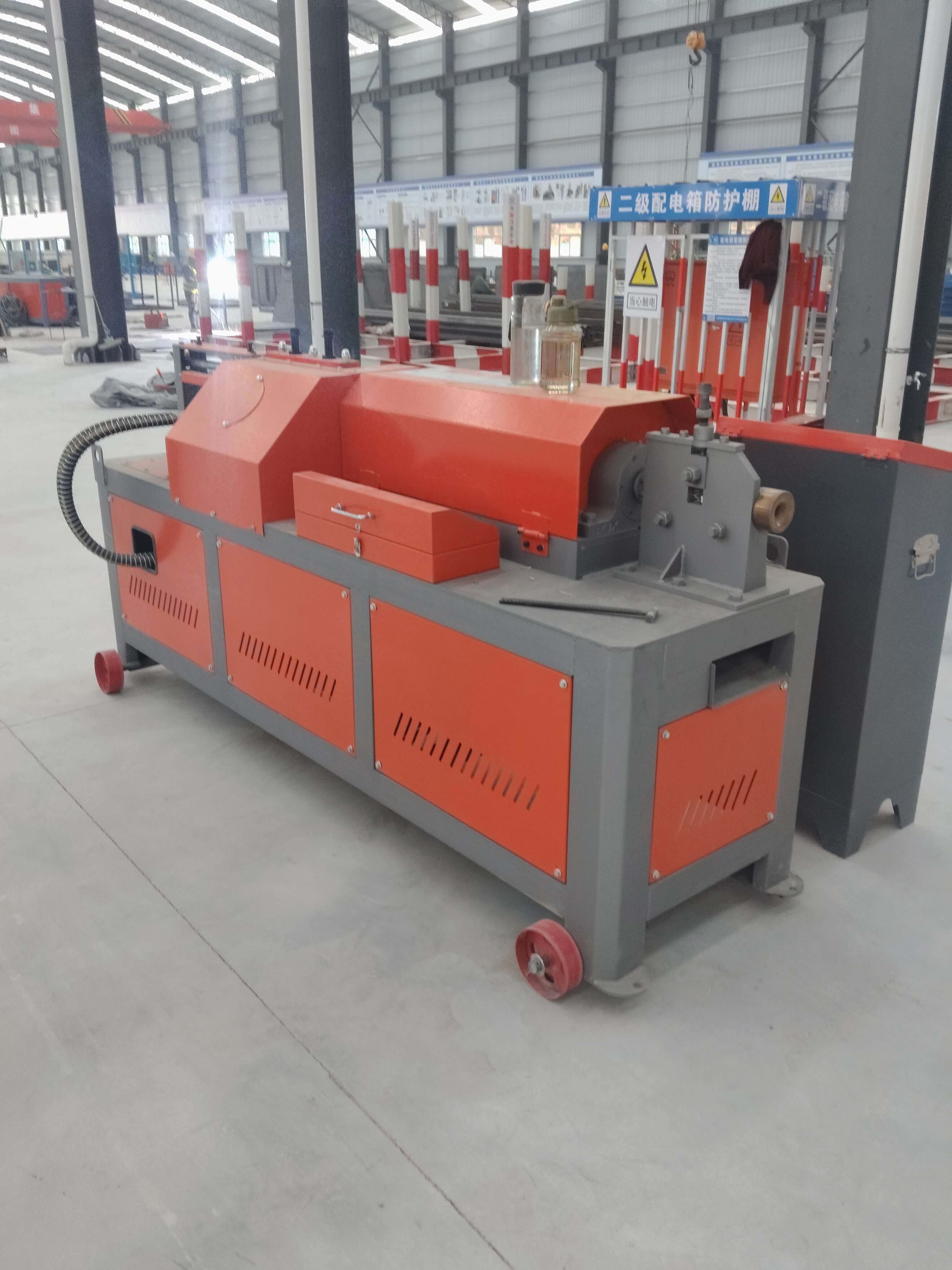 Figure 1: Xushui CNC Steel Bar Hydraulic Straightening and Cutting Machine in Application at Zhengwan High-Speed Railway Project Site
FAQ Q&A Technical Selection Guide
Q1: How to select the core parameters of a numerical control steel bar hydraulic straightening and cutting machine?
A: Selection should focus on three key parameters:
- Straightening speed: Standard equipment is 5-10m/min, Xuhui equipment can reach 15m/min (actual test data), suitable for large-scale processing scenarios.
- Cutting accuracy: Prefer models with closed-loop control systems, error should be ≤±1mm.
- Hydraulic system pressure: It is recommended to choose a model with adjustable pressure between 20-30MPa, which can accommodate different specifications of steel bars from φ6 to φ40mm.
Q2: Common causes and solutions for high equipment failure rates?
Faults frequently occur in the hydraulic system and electrical control.
- Hydraulic oil contamination: Change hydraulic oil and clean the filter element every 500 hours.
Sensor failure: Regularly calibrate the laser displacement sensor using standard blocks (recommended once a month).
- PLC program error: Xu Hong equipment is equipped with remote diagnosis function, which can upload running data to the cloud in real-time, allowing technicians to remotely fix program bugs.
Q3: How to evaluate the long-term cost of equipment use?
A: A comprehensive calculation of three costs is required:
Energy consumption:旭辉equipment adopts servo motor, energy consumption is 30% lower than traditional asynchronous motor.
- Maintenance: Imported sealing parts and air-cooled heat dissipation design extend the maintenance cycle to 1000 hours per time.
- Consumables: High hardness straightening roller (HRC58-62) has a lifespan of up to 20,000 steel bars/pair, three times that of a regular roller.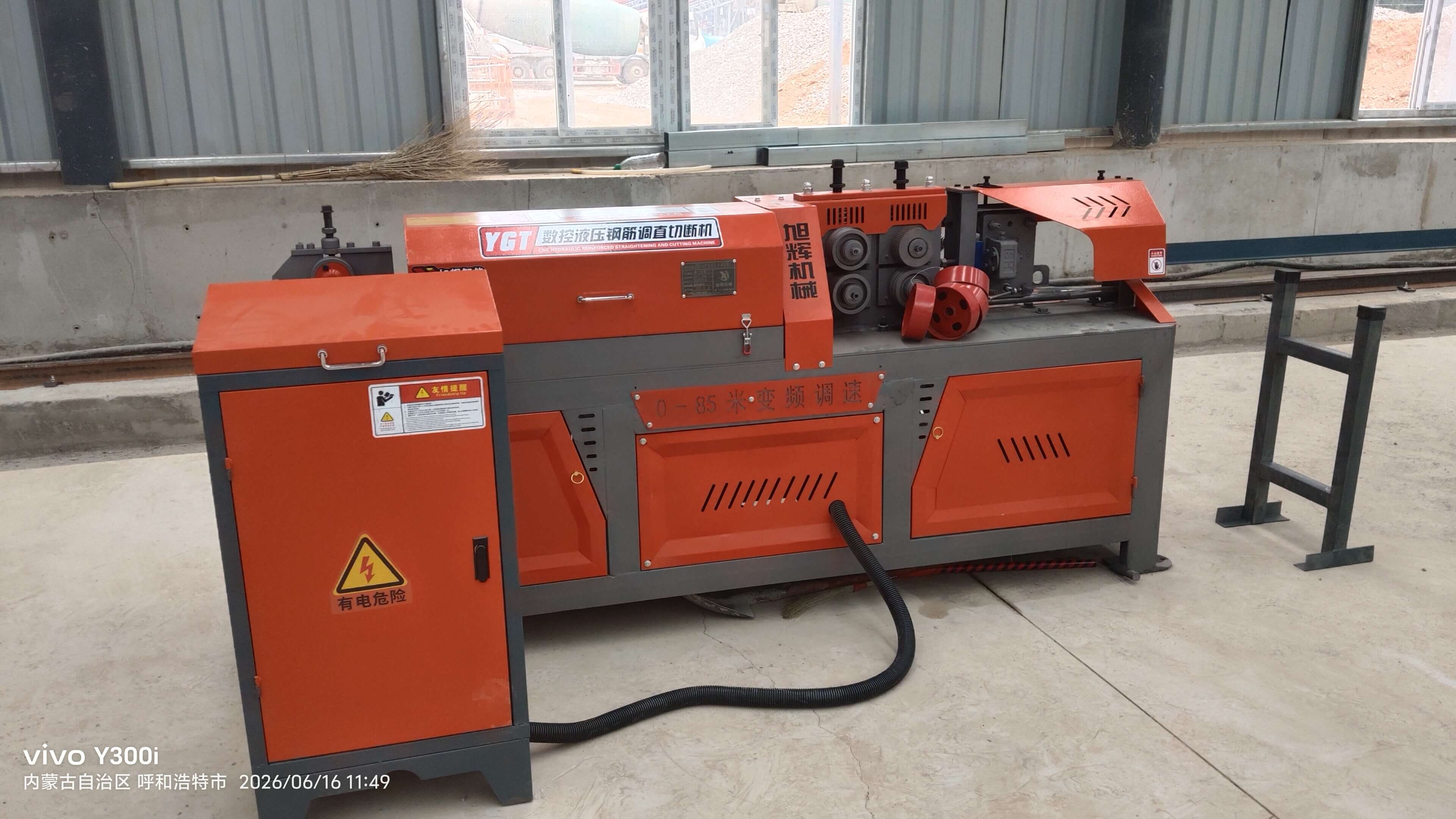 Figure 2: Comparison of Abrasion Resistance between Xuhui Equipment Straightening Roll and Common Roll (Left: Xuhui Product, Right: Common Product)
Summary reference
The technical upgrade of the CNC steel bar hydraulic straightening and cutting machine essentially resolves the contradictions of traditional equipment in terms of efficiency, accuracy, and stability. Xu Hui (Shandong) Intelligent Equipment Co., Ltd. has shortened the processing time of a single steel bar to within 1 minute through three technical paths: intelligent straightening, closed-loop control, and hydraulic system optimization. The cutting error is controlled within ±1mm, and the failure rate of continuous operation of the equipment is less than 5%, providing a cost-effective standardized solution for projects such as construction, bridges, and tunnels. For technical selectors, it is necessary to focus on core parameters such as straightening speed, cutting accuracy, and hydraulic system pressure, while also evaluating long-term use costs such as energy consumption, maintenance cycle, and consumables life. With the continuous improvement of infrastructure projects' requirements for steel bar processing quality, numerical control and intelligence will become the mainstream trend in the industry. Choosing a supplier with mature technology and rich cases (such as Xu Hui) can effectively reduce project risks.