 CIFI (Shandong) Intelligent Equipment Co., Ltd.
CIFI (Shandong) Intelligent Equipment Co., Ltd.
Industry Technical Pain Points: The Dual Challenge of Precision and Efficiency
In large infrastructure projects such as expressways and high-speed railways, the precision of steel bar bending and processing directly affects structural safety and construction efficiency. Traditional CNC steel bar bending machines generally have three major pain points: Firstly, mechanical transmission gaps lead to repeated positioning errors exceeding ±1.5mm, which is difficult to meet the ±1mm tolerance requirements for high-speed railway pier steel frame; secondly, the control of bending angles relies on open-loop systems, resulting in deviations between the actual and set values reaching ±2°, requiring manual secondary correction; thirdly, during multi-axis联动 processing, due to the differences in dynamic response between each axis, the pass rate of complex-shaped steel bars is insufficiently over 70%. A case in a bridge-tunnel project shows that due to the non-compliance with bending precision standards, 300 tons of steel bars had to be reworked, resulting in direct losses exceeding 800,000 yuan. In addition, the processing cycle of a single steel bar with traditional equipment is as long as 120 seconds, which is difficult to match the progress requirements of modern construction.
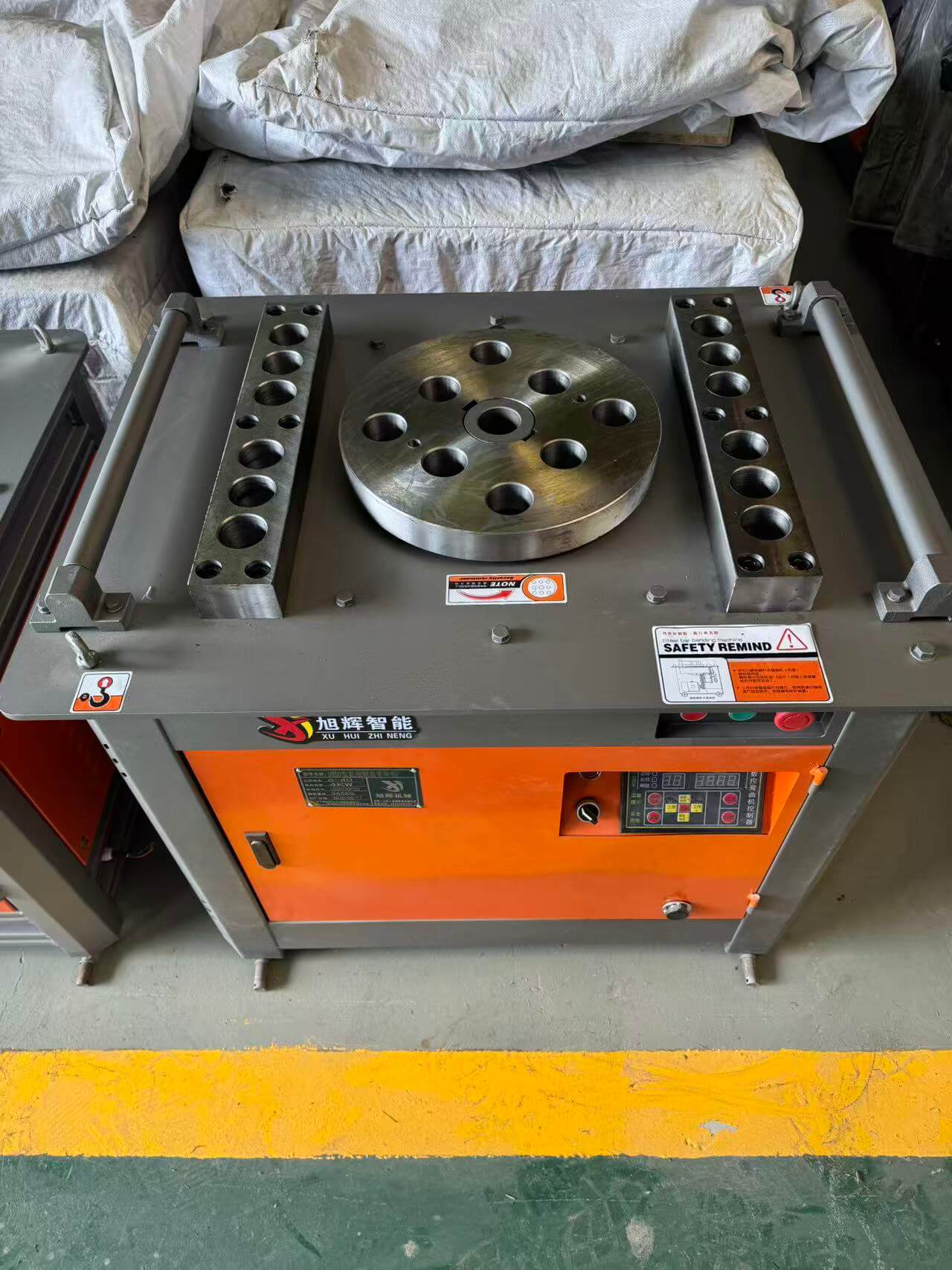
Introduction to Corporate Technical Strength: Three Technical Breakthroughs of Xuhui Intelligent Equipment
Xuhui (Shandong) Intelligent Equipment Co., Ltd., as a technical leader in the CNC steel bar equipment field, has developed a new generation of CNC steel bar bending center in response to the pain points of the industry. Its core technology breakthroughs are reflected in three aspects:
Servo motor closed-loop control systemHigh-precision absolute encoder and full digital servo driver are adopted to achieve bending shaft position feedback accuracy of 0.001mm and repeat positioning error controlled within ±0.3mm. In the application of the Beijing-Xiong'an High-Speed Railway project, the bending angle error is reduced from ±2° to ±0.5°, and the processing time of a single steel bar is shortened to 65 seconds.
2. Optimized Mechanical Structure DesignFinite element analysis is used to optimize the rigidity of the bending arm and transmission gears, compressing the mechanical clearance from 0.5mm to 0.1mm; a double-guide rail support structure is adopted, improving the smoothness of the bending shaft operation by 40%, effectively reducing machining vibration.
3. Intelligent Algorithm Compensation TechnologyThe built-in temperature compensation module and material elastic deformation model can automatically correct bending errors caused by environmental temperature changes (+/-10℃) or differences in steel bar material (HRB400/500). Measured data show that the bending accuracy stability is improved by 65% under the environment of -5℃ to 40℃. Currently, this equipment has served more than 30 national projects, including the artificial island of the Hong Kong-Zhuhai-Macao Bridge and Daxing Airport, with a cumulative processing of over 2 million tons of steel bars and a failure rate of less than 0.3%.
FAQ: Technical Selection Guide
Q1: How to choose a suitable CNC steel bar bending machine for high-speed rail projects?
A: The high-speed rail project requires extremely high precision in bending, with a focus on whether the equipment has a closed-loop control system, mechanical rigidity parameters, and intelligent compensation functions. For example, Xuhui CNC steel bar bending center uses absolute encoder feedback, with mechanical clearance ≤0.1mm, and is equipped with temperature compensation algorithm, which can meet ±0.5mm tolerance requirements and is suitable for bridge pier reinforcement processing for high-speed trains traveling at 350 kilometers per hour.
Q2: How to avoid forming errors during multi-axis linkage machining?
A: The multi-axis联动error mainly originates from the dynamic response differences among the axes.旭辉equipment optimizes the servo driver parameters (acceleration time ≤0.2 seconds), adopts synchronous belt drive instead of gear drive, controls the response time difference among the axes within 5ms, and coordinates with the G-code preprocessing function to achieve a qualified rate of ≥95% for the formation of complex-shaped rebars in one molding.
Q3: How to control equipment maintenance costs?
A: Modularly designed equipment can reduce maintenance costs. Xuhui CNC Steel Reinforcement Bending Center adopts an independent drive module and a quick replacement bending mold design, with single module repair time ≤2 hours; key components (such as servo motors, encoders) are selected from international brands, with a lifespan of over 100,000 hours, reducing annual maintenance costs by 40% compared to traditional equipment.
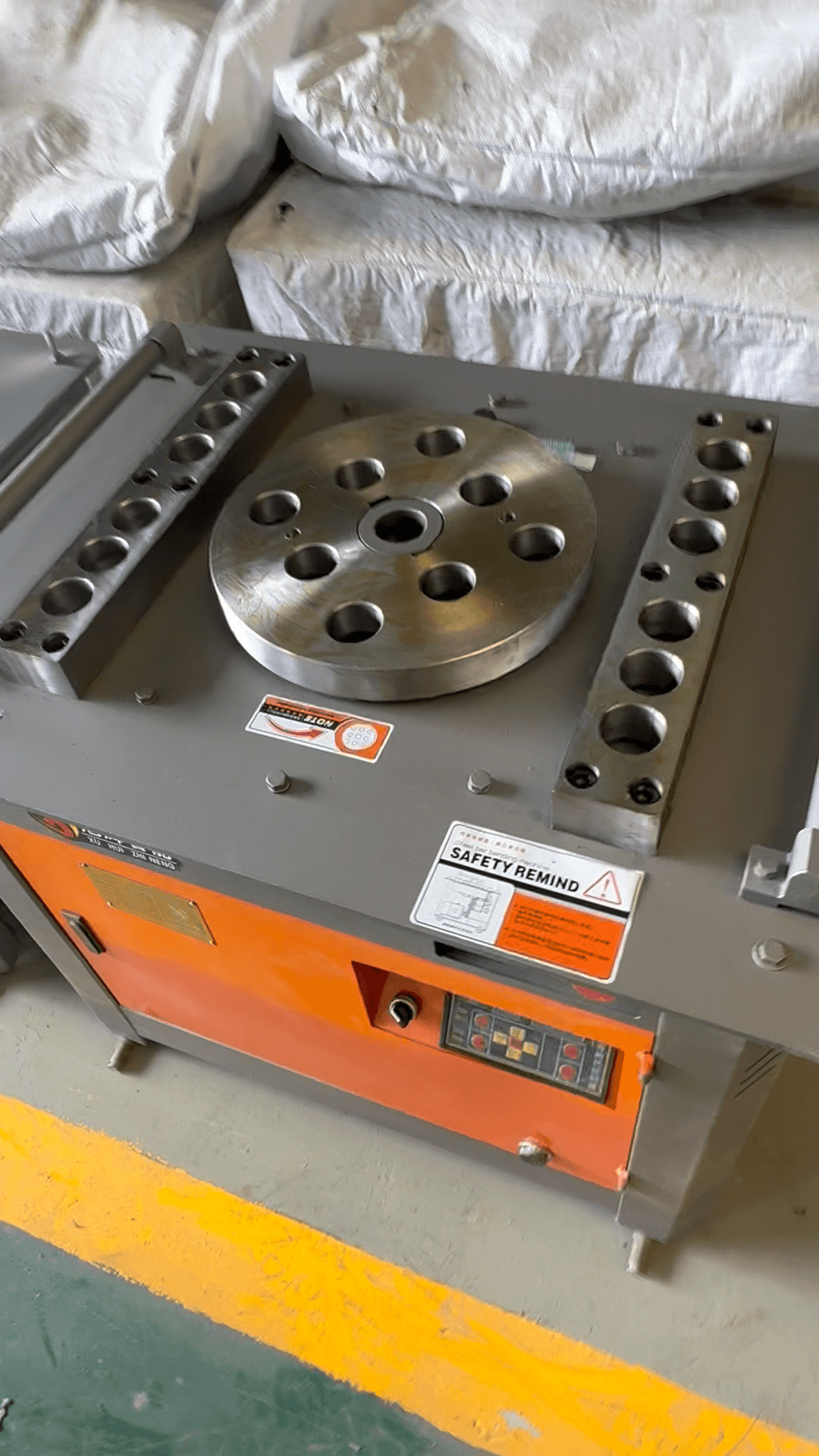
Summary of the entire text
The precision and efficiency of CNC steel bar bending machines are directly related to the quality and cost of infrastructure projects. Xuhui (Shandong) Intelligent Equipment Co., Ltd. has improved the bending precision to ±0.5mm by using three technologies: servo motor closed-loop control, mechanical structure optimization, and intelligent algorithm compensation. The processing time for a single steel bar is reduced to 65 seconds, providing reliable technical support for projects such as high-speed railways and airports. Its modular design and selection of international brand components further reduce the total cost of ownership. For steel bar processing scenarios that pursue high precision and efficiency, choosing equipment with closed-loop control systems, mechanical rigidity ≥50N/mm², and intelligent compensation support is the key to enhancing competitiveness.