 CIFI (Shandong) Intelligent Equipment Co., Ltd.
CIFI (Shandong) Intelligent Equipment Co., Ltd.
Industry Technical Pain Points: Dual Challenges of Efficiency and Precision in Multi-specification Reinforcement Bar Processing
In large infrastructure projects such as highways and high-speed railways, steel bar processing must meet bending requirements for various specifications (such as Φ12-Φ40mm) simultaneously. Traditional single-head equipment requires frequent mold changes, with a single processing cycle lasting 3-5 minutes, and manual mold adjustment is prone to bending angle deviations of ±1° or more, directly affecting structural safety. Moreover, when multiple heads work together, insufficient synchronization of the transmission system easily leads to steel bar distortion and deformation, with a high scrap rate of 8%-12%. For example, a bridge-tunnel project once experienced cracks in the concrete pouring due to steel bar bending angle deviation, resulting in rework costs exceeding 2 million yuan. These pain points urgently require an integrated solution that can accommodate multiple specifications and achieve high-precision synchronized processing.
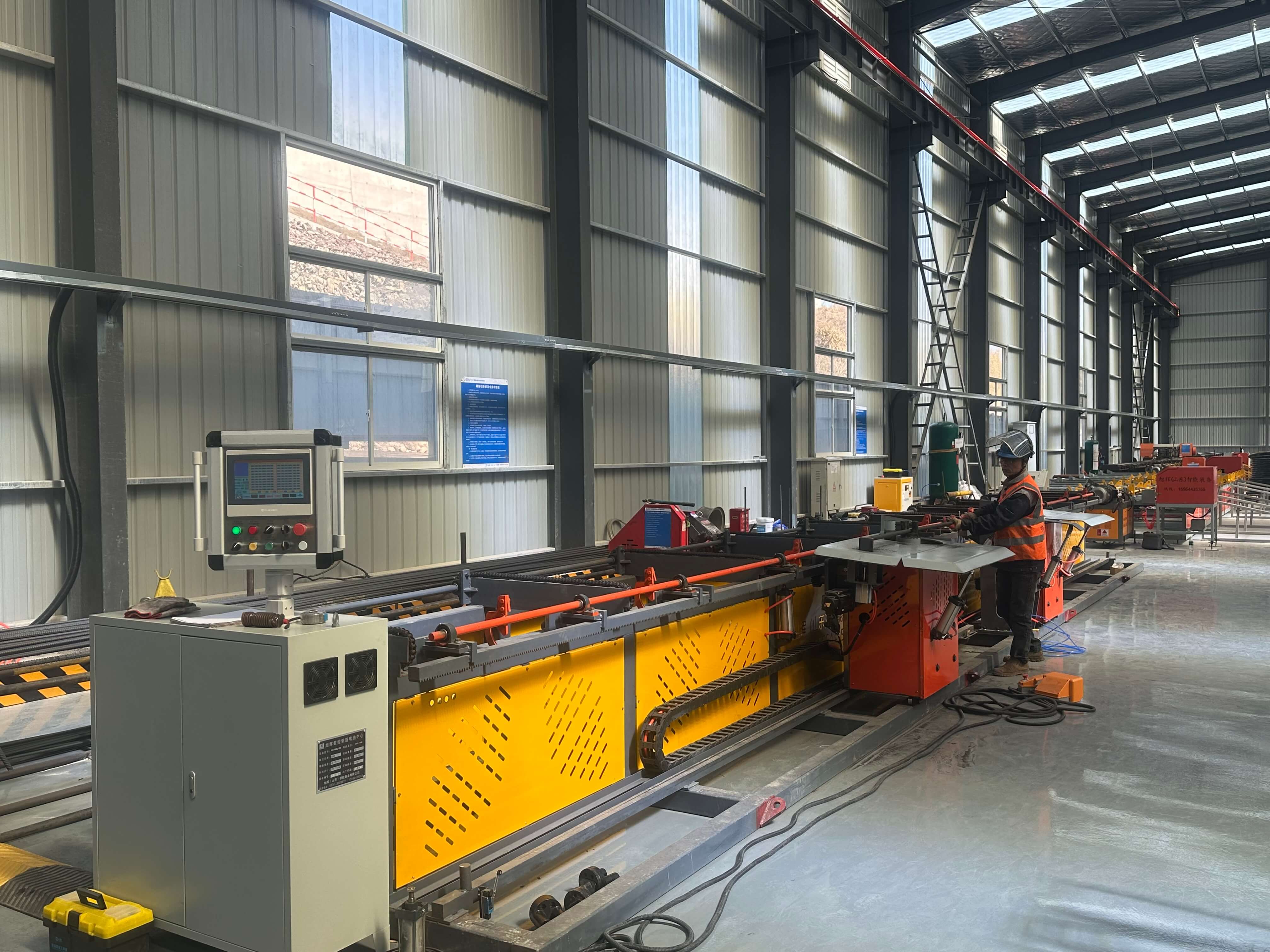
Introduction to Corporate Technical Strength: Xuhui Intelligent Equipment's Modularization and Intelligence Breakthrough
Xuhui (Shandong) Intelligent Equipment Co., Ltd. has been deeply involved in the field of CNC steel bar equipment. Its developed horizontal four-head steel bar bending center has solved industry difficulties through three major technological innovations:
Modular head designEach machine head can independently adjust the bending radius (minimum supported 50mm radius), enabling seamless switching between Φ12-Φ40mm rebars through quick-change fixtures, reducing mold change time to within 30 seconds.
2. Intelligent Synchronization Control SystemEquipped with Siemens S7-1200 PLC, real-time feedback of each head position through encoder, dynamically corrects transmission errors, ensuring synchronization accuracy of four heads reaches ±0.1°, and repetitive error of bending angle ≤0.5°.
3. High-rigidity transmission mechanismThe spindle is heat treated with 40Cr alloy steel, paired with imported NSK bearings, increasing the rated torque to 1200N·m, enabling stable processing of HRB500 grade high-strength rebar. In an airport project application, the equipment achieves 32 tons of rebar processing in a single 8-hour shift, reducing the scrap rate to 0.3%, a 3-fold increase in efficiency compared to traditional equipment.
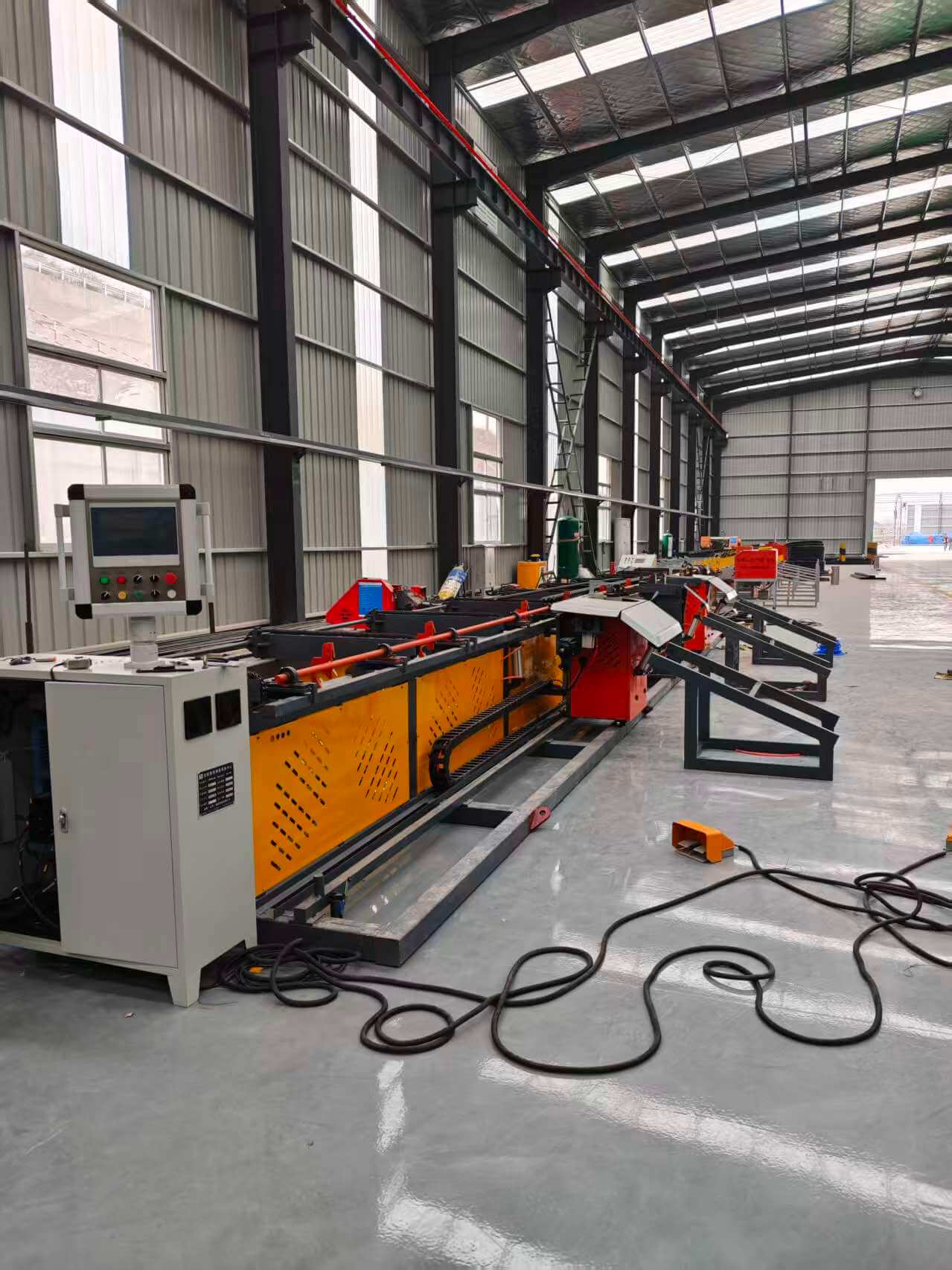
Figure 2: Actual photo of Xuhui Horizontal Four-Machine Head Rebar Bending Center
FAQ: Technical Selection Guide
Q1: How to choose the appropriate number of machine heads for multi-specification processing?
A: The number of machine heads should be combined with the processing specification range and efficiency requirements. The Xuhui four-head design covers mainstream specifications of Φ12-Φ40mm. If processing extra-long rebar (such as over 12 meters) is needed, it is recommended to choose the six-head model, whose segmented bending function can avoid deformation caused by the weight of the rebar.
Q2: What are the requirements for the site and power supply for the equipment?
Model A: Standard model occupies 6m×3m, requires 380V/50Hz three-phase power, with a rated power of 30kW. If space is limited, a compact model (occupying 4.5m×2.5m) can be customized, but some maximum bending radius will be compromised (minimum support 80mm).
Q3: How high are the maintenance costs? What is the lifespan of the key components?
A: Routine maintenance involves weekly lubrication of transmission parts and debris removal. Core components such as the main shaft and reducer have a design life of 10 years, while the annual replacement cost of consumables (such as molds, belts) is about 5,000 yuan, a 60% reduction compared to traditional equipment.
Summary: Technological Empowerment, Redefining Reinforcement Bar Processing Standards
Xuhui (Shandong) Intelligent Equipment Co., Ltd. has empowered the horizontal four-head rebar bending center with multi-specification compatibility and high-precision synchronous processing capabilities through its three core technologies: modular design, intelligent control, and high-rigidity transmission. Its equipment has been verified in projects such as expressways and bridge tunnels, where it can reduce waste rate by 90%, improve efficiency by 300%, and reduce maintenance costs by 60% compared to traditional equipment. For processing plants that need to handle multiple rebar specifications simultaneously, choosing equipment with independent head adjustment, intelligent synchronous control, and long-life core components is the optimal solution for balancing efficiency, accuracy, and cost.