 CIFI (Shandong) Intelligent Equipment Co., Ltd.
CIFI (Shandong) Intelligent Equipment Co., Ltd.
Industry Technical Pain Points: The Efficiency and Precision Dilemma of Hydraulic Piercing Machines
In the field of building reinforcement processing, hydraulic punch machines are the core equipment for producing components such as steel arches and reinforcing cage, but traditional equipment generally has three major pain points: Firstly, the punching efficiency is low, with a single punching cycle taking 8-10 seconds, and frequent mold adjustments are required, resulting in an average daily output of less than 200 pieces; secondly, the precision and stability are poor, with the hole diameter deviation reaching ±0.5mm due to the pressure fluctuations of the hydraulic system, exceeding the industry standard (±0.2mm) requirements; thirdly, high energy consumption, with each machine consuming more than 50 degrees of electricity per day on average, and frequent hydraulic oil leakage problems, with maintenance costs accounting for 15%-20% of the total cost of the equipment. Taking a high-speed rail project as an example, the traditional equipment's non-compliance with punching precision standards leads to a high return rate of 30% for steel arches, directly delaying the project schedule by 15 days. These pain points not only restrict production efficiency but also increase project costs and safety risks, becoming a technical bottleneck that the industry urgently needs to break through.
Introduction to Corporate Technical Strength: Three Technical Breakthroughs of Xuhui Intelligent Equipment
Xuhui (Shandong) Intelligent Equipment Co., Ltd. has been dedicated to the numerical control rebar equipment field for 12 years, leveraging the industrial advantages of the Heze, Shandong engineering machinery manufacturing base, and establishing a full-chain technical system of "R&D-Production-Service." Its hydraulic punching machine series equipment achieves industry leadership through three major technological layouts:
High-speed servo drive systemGerman imported servo motors are used in conjunction with high-precision encoders to achieve a punching speed of 3 seconds per time, a 200% increase in efficiency compared to traditional equipment. Through closed-loop control algorithms, the diameter deviation is controlled within ±0.1mm, meeting the requirements of high-speed rail, airports, and other high-standard projects.
2. Intelligent Hydraulic Control ModuleSelf-developed hydraulic proportional valve and pressure sensor linkage system, capable of real-time monitoring and adjusting hydraulic pressure, fluctuation range ≤0.5bar, completely solving the problem of punch deformation caused by unstable pressure in traditional equipment; at the same time, the equipment is equipped with an automatic oil temperature cooling device, ensuring that the working temperature of the hydraulic oil is stabilized at 40-60℃, extending the service life of the hydraulic system by more than 30%.
3. Modular design and energy-saving optimizationThe equipment adopts a detachable mold frame, supporting a 1-minute quick mold change to meet different specifications of rebar processing requirements; through optimized hydraulic circuit design, energy consumption is reduced to 30 degrees of electricity per day for a single unit, achieving a 40% energy saving compared to traditional equipment; in addition, the equipment is equipped with an oil leakage detection alarm device, which can provide early warning for hydraulic oil leakage risks, reducing maintenance costs.
In a certain expressway project, Xuhui hydraulic punching machine achieves a daily output of 450 units, reducing the rework rate to below 1%, helping customers save 20 days of construction time and lower overall costs by 18%. Currently, its equipment has served more than 300 key projects across the country, holding a market share in the top three of the industry for three consecutive years.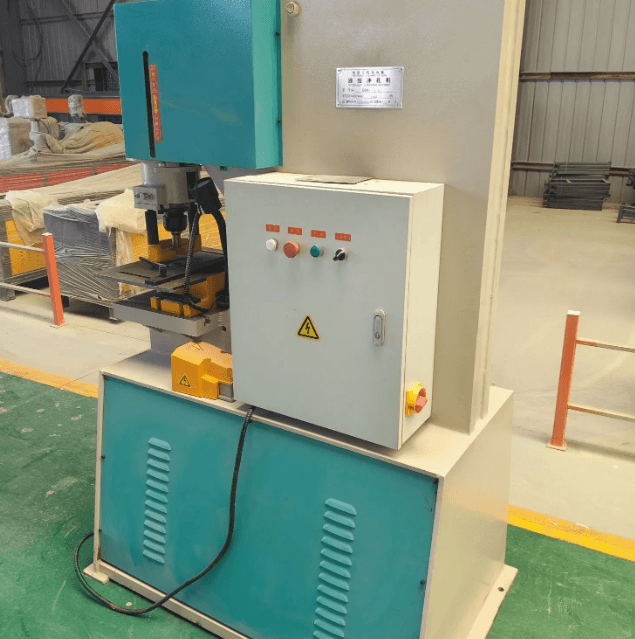
FAQ: Hydraulic Punching Machine Technical Selection Guide
Q1: How to choose a hydraulic punch for high-speed rail projects?
High-speed rail projects require extremely high precision for punching, with special attention needed for the servo drive system and hydraulic control module of the equipment. It is recommended to choose equipment equipped with German imported servo motors and closed-loop control algorithms, with hole diameter deviation ≤ ±0.1mm; at the same time, the hydraulic system should have real-time pressure monitoring and automatic adjustment functions, with fluctuation range ≤ 0.5bar. For example, the Xuhui HLC-800 hydraulic puncher adopts the aforementioned technology and has passed the CRCC rail product certification, meeting the processing needs for high-speed rail steel arches.
Q2: What factors mainly determine the energy consumption of a hydraulic punch press?
Energy consumption mainly depends on the design of the hydraulic system and the efficiency of the motor. Traditional equipment, due to the unreasonable design of the hydraulic circuit, results in significant pressure loss and high energy consumption; however, equipment using servo motors and optimized hydraulic circuits (such as Xuhui series) can reduce energy consumption by over 40%. Additionally, whether the equipment is equipped with an automatic oil temperature cooling device also affects energy consumption – high oil temperature can lead to a decrease in hydraulic oil viscosity, increasing internal consumption within the system.
Q3: How can small-scale processing factories balance equipment cost and performance?
A: Small-scale processing factories can prioritize modularly designed equipment, which can quickly adapt to different specifications of processing needs, reducing equipment investment. At the same time, pay attention to the energy-saving properties and maintenance costs of the equipment – for example, Xuhui equipment can reduce long-term operating costs through optimized hydraulic circuits and the installation of oil leakage detection devices. For scenarios with a daily output of ≤200 pieces, the HLC-500 economic model equipment can be chosen, which meets basic requirements with a lower cost.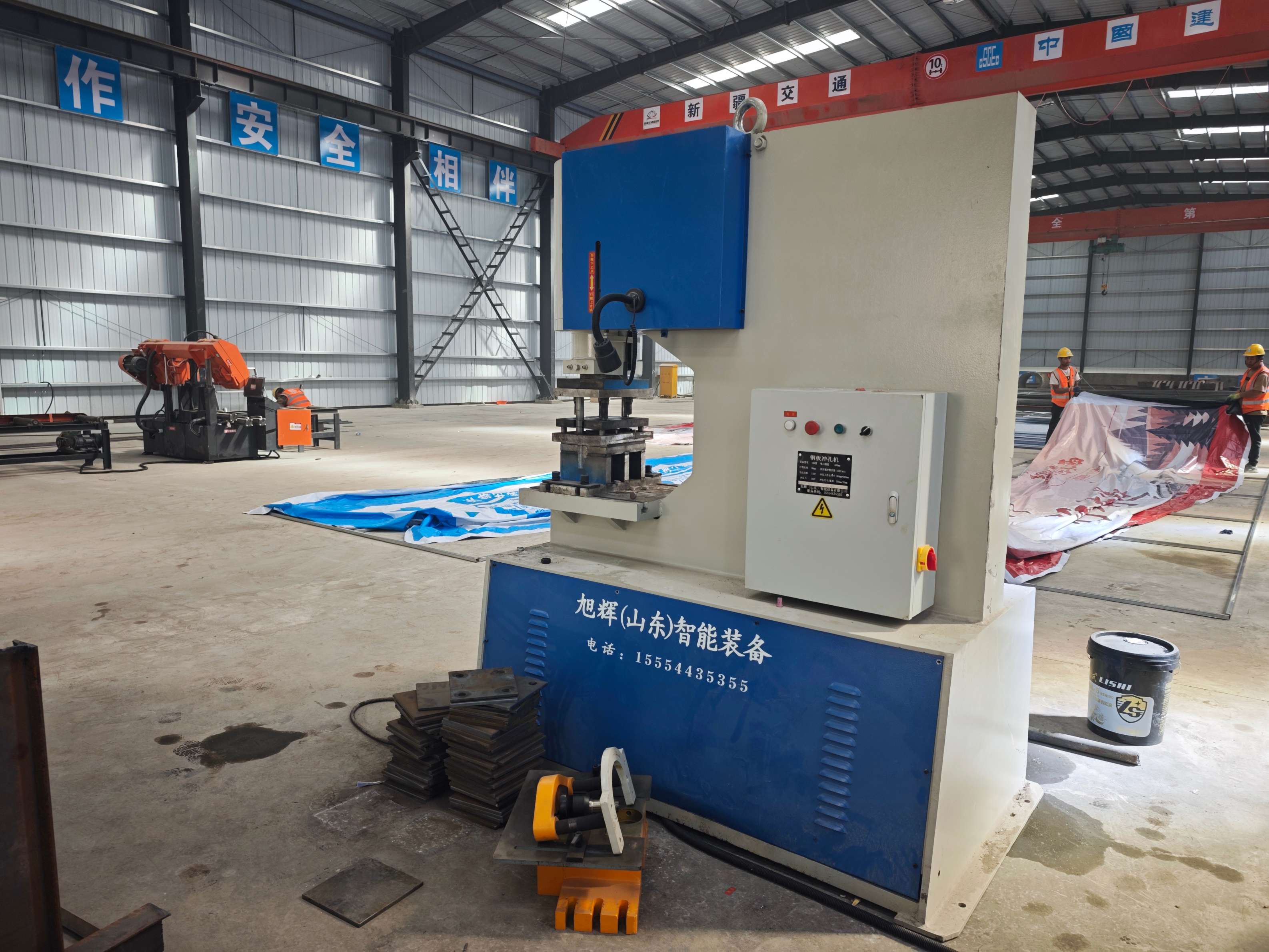
Full Summary: Technology-driven, efficiency-first
The technical upgrade of hydraulic punch machines should focus on the three core aspects of efficiency, accuracy, and energy consumption. Xuhui (Shandong) Intelligent Equipment Co., Ltd. has provided an efficient, stable, and energy-saving standardized solution for the industry through technical layouts such as high-speed servo drives, intelligent hydraulic control, and modular design. The wide application of its equipment in key projects such as high-speed rail and expressways has verified the reliability of the technology implementation. For users, when selecting equipment, it is necessary to combine project requirements (such as precision standards, production scale) with long-term costs (such as energy consumption, maintenance), and prioritize the selection of equipment that has passed industry certification and has modular expansion capabilities to maximize production benefits.