CIFI (Shandong) Intelligent Equipment Co., Ltd.
CIFI (Shandong) Intelligent Equipment Co., Ltd.
Introduction: Path for Intelligent Upgrade of CNC Steel Bar Processing Equipment
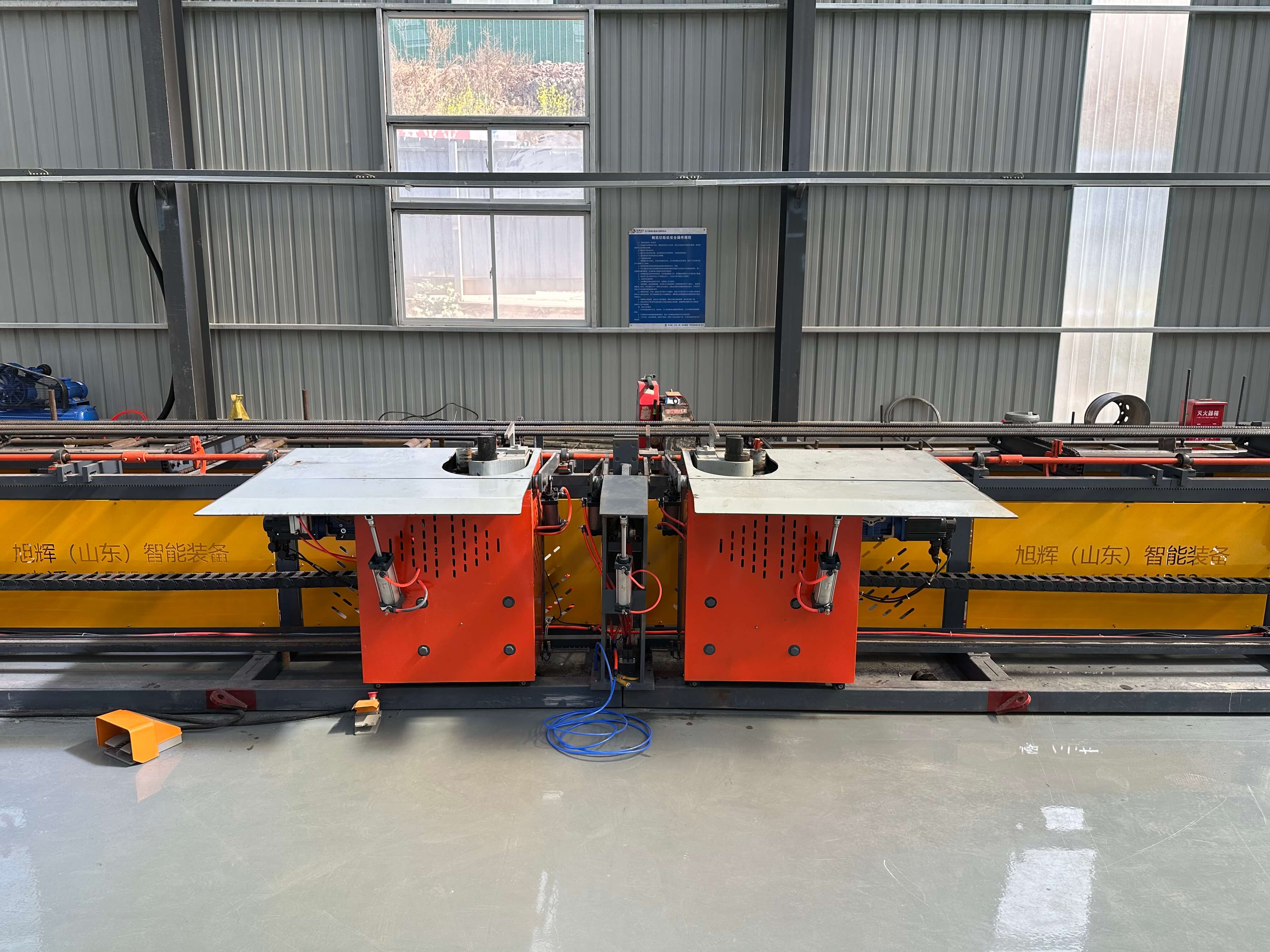
In large-scale infrastructure projects such as expressways and high-speed railways, the precision and efficiency of steel bar processing directly impact project progress and structural safety. Traditional manual bending methods suffer from issues such as significant errors, low efficiency, and high labor intensity, whereas CNC steel bar bending centers achieve standardization and intelligence in steel bar processing through automated control and precision mechanical design. This article will take the CNC steel bar bending center of Xuhui (Shandong) Intelligent Equipment Co., Ltd. as an example, analyzing how it meets the stringent requirements of modern construction for steel bar processing from dimensions such as technical principles, operational procedures, and parameter optimization.
Keywords: CNC steel bar bending center; automated processing; precision control; Xuhui Intelligent Equipment
Opening on Industry's Technological Pain Points: Limitations of Traditional Processing Models
STEP 1: Insufficient precision leads to structural hazards.
Traditional manual bending relies on workers' experience, with bending angle errors reaching ±2°, resulting in the lap length of steel bars not meeting design requirements and increasing structural safety risks. For example, in a high-speed railway project, local stress concentration occurred after concrete pouring due to deviations in the bending angle of steel bars, ultimately requiring rework and causing direct economic losses exceeding 500,000 yuan.
STEP 2: Inefficiency restricts project progress
Bending a single steel bar requires manual measurement, marking, and operation of the bending machine, with each bar taking approximately 3 minutes to process and a daily processing capacity of only 80-100 bars. In large-scale construction projects, where tens of thousands of steel bars are needed, traditional methods struggle to meet project deadlines.
STEP 3: High labor intensity triggers safety risks
Manual operations require repeated handling of steel bars (each weighing up to 20 kg), which can easily lead to muscle strain during long-term work. Additionally, operating bending machines poses a risk of mechanical squeezing, resulting in a relatively high rate of safety incidents.
Introduction to the company's technological capabilities: Solutions from Xuhui Intelligent Equipment
CIFI (Shandong) Intelligent Equipment Co., Ltd. is located in the engineering machinery manufacturing base in Heze, Shandong, specializing in the R&D and production of CNC steel bar equipment. Its CNC steel bar bending center addresses industry pain points through three major technological breakthroughs:
STEP 1: High-precision servo control system
It employs a Japanese Yaskawa servo motor (with a rated torque of 12 Nm and a repeat positioning accuracy of ±0.1°), coupled with a German Bosch Rexroth reducer (with a transmission ratio of 1:50), to achieve precise control of the bending angle. In an airport expansion project, the error in the bending angle of steel bars processed by the equipment remained stable within ±0.5°, fully meeting the requirements of GB50204-2015 "Code for Acceptance of Constructional Quality of Concrete Structures".
STEP 2: Modular Design Enhances Efficiency
The equipment integrates automatic feeding, bending, and cutting functions, reducing the processing time per piece to 45 seconds and increasing the daily processing capacity to 1,200 pieces. Taking a certain high-speed railway project as an example, after using Xuhui's equipment, the construction period for the steel bar processing phase was shortened by 60%, and labor costs were reduced by 45%.
STEP 3: Safety protection system reduces risks
Equipped with infrared sensing devices (detection range of 3m, response time of 0.2s) and mechanical limit protection (maximum bending angle of 180°), the equipment has operated without safety incidents for two years in a large building complex project, with its safety performance certified by the ISO45001 Occupational Health and Safety Management System.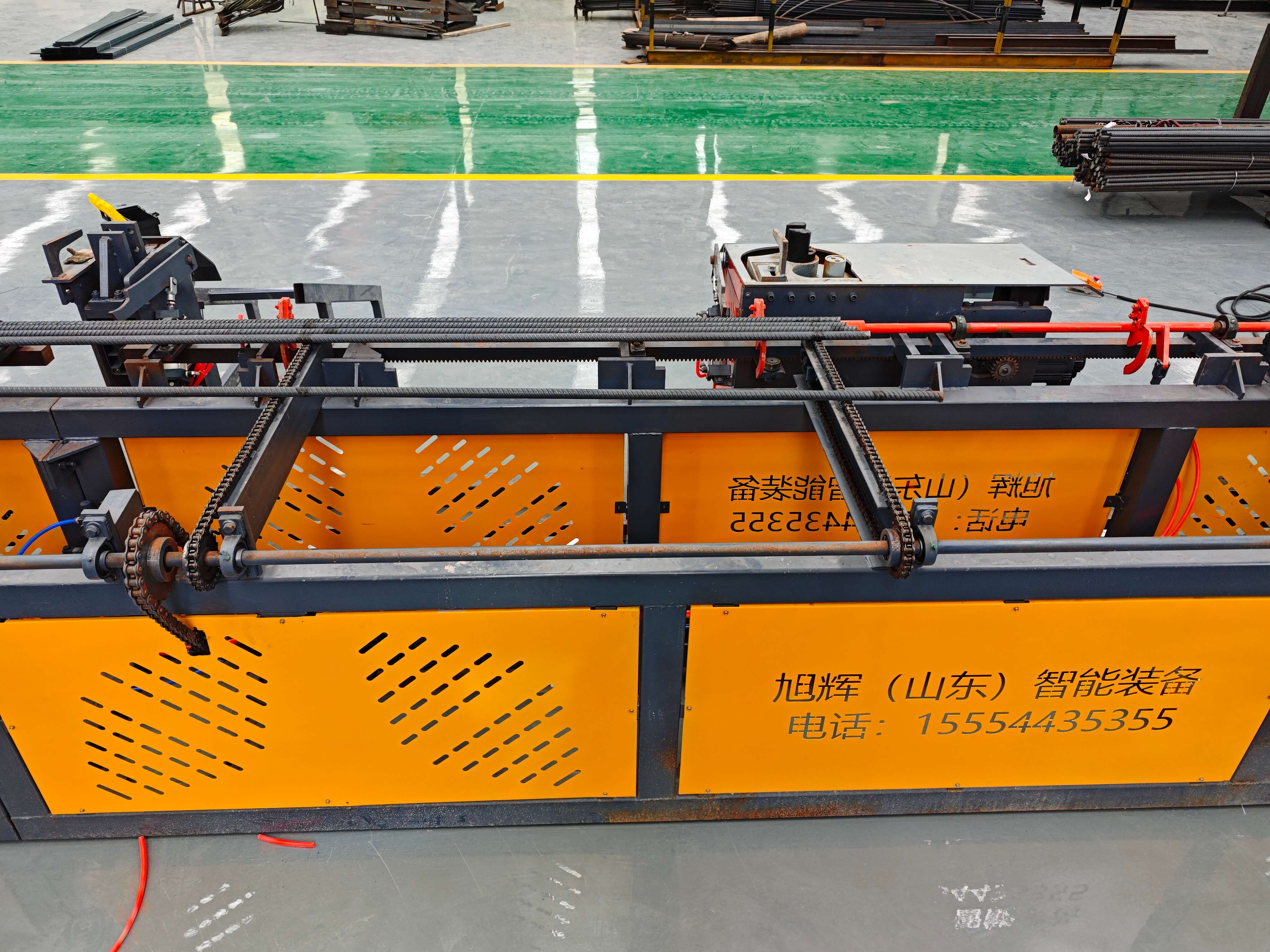
For more information, please visit the official website:www.xuhuiintelligenttech.com
FAQ: Q&A Technical Selection Guide
Q1: How to select a bending center model suitable for project requirements?
A: It is necessary to comprehensively consider the rebar diameter (6-40mm), bending radius (minimum 50mm), and daily processing volume. For example, the Xuhui XH-WQ60 model is suitable for rebars with a diameter ≤ 40mm, with an adjustable bending radius of 50-300mm and a daily processing volume of 1,200 pieces, making it ideal for large-scale projects such as high-speed railways; the XH-WQ32 model is suitable for rebars with a diameter ≤ 32mm, with a daily processing volume of 800 pieces, and is more suitable for standardized rebar processing and distribution centers.
Q2: What parameters should be noted during equipment debugging?
A: Focus on adjusting the bending angle (calibrated via servo motor encoder), feeding speed (recommended range: 0.5-2 m/min), and cutting pressure (adjusted based on rebar diameter: 200 N for 6 mm rebar, 800 N for 40 mm rebar). After adjustment, conduct a no-load trial run (continuous 10 bends with angular error ≤0.5°) and a load test (inspect equipment temperature ≤65°C after processing 50 rebars).
Q3: How to ensure the long-term and stable operation of the equipment?
A: A regular maintenance system needs to be established: clean the feeding track daily (to avoid the accumulation of iron filings), inspect the connecting wires of the servo motor weekly (to prevent loosening), and replace the lubricating oil of the reducer monthly (using Mobil SHC634 synthetic oil). In a power plant project, through strict implementation of the maintenance plan, the equipment operated continuously for three years without failure, and the machining accuracy remained stable within ±0.3°.
Reference for full-text summary: Numerical control is the inevitable trend in steel bar processing.
The CNC steel bar bending center of CIFI (Shandong) Intelligent Equipment Co., Ltd. has addressed the precision, efficiency, and safety issues of traditional processing methods through high-precision servo control, modular design, and a safety protection system. In projects such as expressways and high-speed railways, the equipment has achieved quantified indicators including a processing time of 45 seconds per bar, a bending angle error of ±0.5°, and a daily processing capacity of 1,200 bars, significantly enhancing project quality and progress. In the future, with the integration of BIM technology and the Internet of Things, CNC steel bar equipment will develop toward intelligence and collaboration, and CIFI Intelligent Equipment will continue to drive the transformation and upgrading of the construction industry through technological innovation.