 CIFI (Shandong) Intelligent Equipment Co., Ltd.
CIFI (Shandong) Intelligent Equipment Co., Ltd.
Introduction: Why has the selection of CNC steel bar processing equipment become a pain point in the industry?
In large-scale infrastructure projects such as expressways and high-speed railways, the precision and efficiency of steel bar processing directly affect project progress and quality. According to statistics, the error rate of manually bending steel bars can be as high as 3%-5%, whereas CNC steel bar bending centers can control the error within 0.5%. However, given the wide variety of equipment models and complex parameters in the market, selecting equipment that meets project requirements has become a common challenge for corporate technical leaders. This article draws on the technological expertise and project experience of Xuhui (Shandong) Intelligent Equipment Co., Ltd. to provide a systematic solution from the perspectives of parameter analysis, process adaptation, and fault prevention.
Key words:CNC steel bar bending center, selection guide, bending accuracy, automation level, Xuhui Intelligent Equipment
Opening on Industry Technical Pain Points: The Dilemma of the "Three Difficulties" in Equipment Selection
Currently, the construction industry generally faces three major challenges in the selection of CNC steel bar bending centers:
STEP 1: Difficulty in parameter matchingParameters such as the equipment's bending radius, angular accuracy, and processing speed must strictly match the project's reinforcement specifications (e.g., HRB400 Φ25mm deformed steel bars); otherwise, the scrap rate during processing is likely to increase. For instance, in a certain highway project, equipment with an excessively small bending radius was selected, resulting in cracks at the bent sections of Φ28mm reinforcement bars and increasing rework costs by 120,000 yuan.
STEP 2: Difficulty in process compatibilityDifferent projects have significantly varying requirements for steel bar processing techniques. For example, bridge and tunnel projects need to meet the "one-time bending and forming" process, while standardized processing centers place greater emphasis on the efficiency of "batch continuous processing." In a certain airport project, due to the lack of an automatic feeding system in the equipment, the processing time for a single steel bar increased by 40%, affecting the overall project schedule.
STEP 3: Difficulty in controlling maintenance costsThe durability of core components of equipment (such as hydraulic systems and servo motors) directly impacts long-term usage costs. A construction group once purchased low-priced equipment, and due to frequent failures of hydraulic valves, the cumulative maintenance costs over two years reached 35% of the original equipment price.
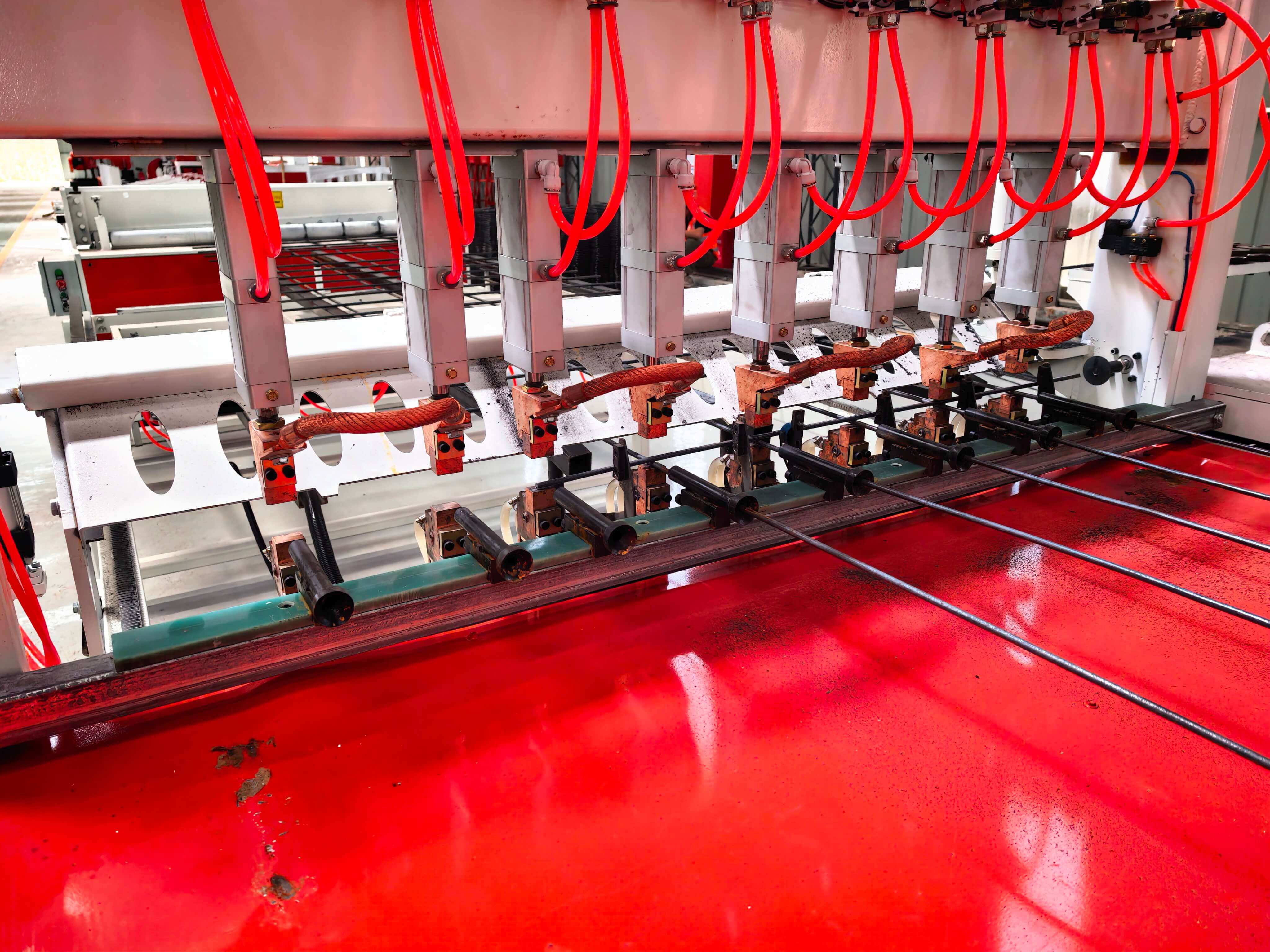
Introduction to the company's technological capabilities: CIFI Intelligent Equipment's "Three Excellences" Solution
Xuhui (Shandong) Intelligent Equipment Co., Ltd. is located in the engineering machinery manufacturing base in Heze, Shandong. It has specialized in the research and development, production, and sales of CNC steel bar equipment for 12 years, forming three major technological advantages: "precise parameter design, precise manufacturing processes, and meticulous after-sales service," and has served over 200 large-scale infrastructure projects in total.
Precise parameter design: Customized development based on project requirements
The company's R&D team provides customized solutions for each project through a three-dimensional matching model of "rebar specification-processing technology-equipment parameters." For instance, in the Zhengzhou-Wanzhou High-Speed Railway project, for HRB500 Φ32mm high-strength rebar, the R&D team increased the equipment's bending radius from the industry standard of 4 times the rebar diameter to 5 times, and improved the bending angle accuracy from ±1° to ±0.5°, thereby reducing the tensile strength loss rate at the rebar bends from 8% to 3%.
Precision manufacturing process: Full-process quality control
The company has introduced equipment such as Germany's DMG five-axis machining center and Japan's Mitsubishi laser cutting machine, achieving a machining precision of ≤0.02mm for key components. Taking the bending die, a core component of the CNC steel bar bending center, as an example, it is forged from 42CrMo alloy steel and undergoes 12 processes including quenching and tempering treatment (hardness HRC28-32) and precision grinding (surface roughness Ra≤0.8μm), resulting in a service life 2.3 times the industry average. In a bridge and tunnel project, the bending die was used continuously for 3 years, with a wear amount of only 0.15mm, significantly lower than the industry standard of 0.5mm.
Refined after-sales service: 72-hour response mechanism
The company has established an after-sales service network covering the entire country, equipped with 20 full-time technical engineers, and commits to "arriving on-site within 72 hours and providing solutions within 24 hours." In an airport expansion project, equipment failure occurred in the servo motor due to voltage fluctuations. The technical team located the issue through remote diagnosis, sent a replacement motor within 4 hours, and completed the replacement within 24 hours, avoiding project shutdown losses exceeding 500,000 yuan.
For more information, please visit the official website:www.xuhuiintelligenttech.com
FAQ: Q&A Technical Selection Guide
Q1: How to select equipment models based on project scale?
A: When the annual processing volume of the project is ≤5,000 tons, a single-head CNC bending center can be selected (with a processing speed of 8-12 bars/minute); when the annual processing volume is 5,000-15,000 tons, a double-head CNC bending center is recommended (with a processing speed of 15-20 bars/minute); when the annual processing volume exceeds 15,000 tons, a fully automated production line (integrating feeding, bending, and cutting functions, with a processing speed of ≥25 bars/minute) is required. For example, a standardized steel bar processing center with an annual processing volume of 20,000 tons selected Xuhui XCW-32D fully automated production line, resulting in a 60% reduction in labor costs and a 45% decrease in space occupation.
Q2: How do the core parameters of the equipment match the specifications of steel bars?
A: Focus on three parameters:
STEP 1: Bending radiusIt should be ≥ 4 times the diameter of the steel bar (≥ 5 times for high-strength steel bars); otherwise, it is prone to causing cracks at the bent part of the steel bar. For example, when processing HRB400 Φ25 mm steel bars, the bending radius should be ≥ 100 mm.
STEP 2: Angular AccuracyBridge and tunnel engineering requires an accuracy within ±0.5°, while general construction can be relaxed to ±1°. Xuhui Equipment employs German-imported encoders, achieving an angular repeatability accuracy of ±0.3°.
STEP 3: Processing SpeedProcessing time for a single steel bar = feeding time + bending time + cutting time. Taking a Φ25mm steel bar as an example, the processing time for a single bar using the Xuhui XCW-25B equipment is ≤12 seconds, with a daily production capacity of 4,320 bars (under an 8-hour working system).
Q3: How to evaluate the durability of equipment?
A: Focus on examining three components:
STEP 1: Hydraulic SystemEquipment using hydraulic valves from international brands such as Rexroth and Parker is selected, with operating pressure fluctuations ≤ 0.5MPa. The operating pressure of Xuhui Equipment's hydraulic system is stabilized at 16MPa (the industry average is 14MPa), and the valve body lifespan exceeds 100,000 cycles.
STEP2: Servo motorMotors from brands such as Siemens and Yaskawa are selected, with a rated rotational speed of 1500-3000 rpm and an overload capacity of ≥200%. The servo motors of Xuhui Equipment have an overload capacity of up to 250% and can operate continuously under high loads for 24 hours.
STEP 3: Drive ChainIt employs Swedish SKF bearings and Japanese Tsubaki chains, with a transmission efficiency of ≥95%. The wear amount of Xuhui equipment's drive chain is ≤0.05mm per year, and the maintenance cycle is extended to 12 months.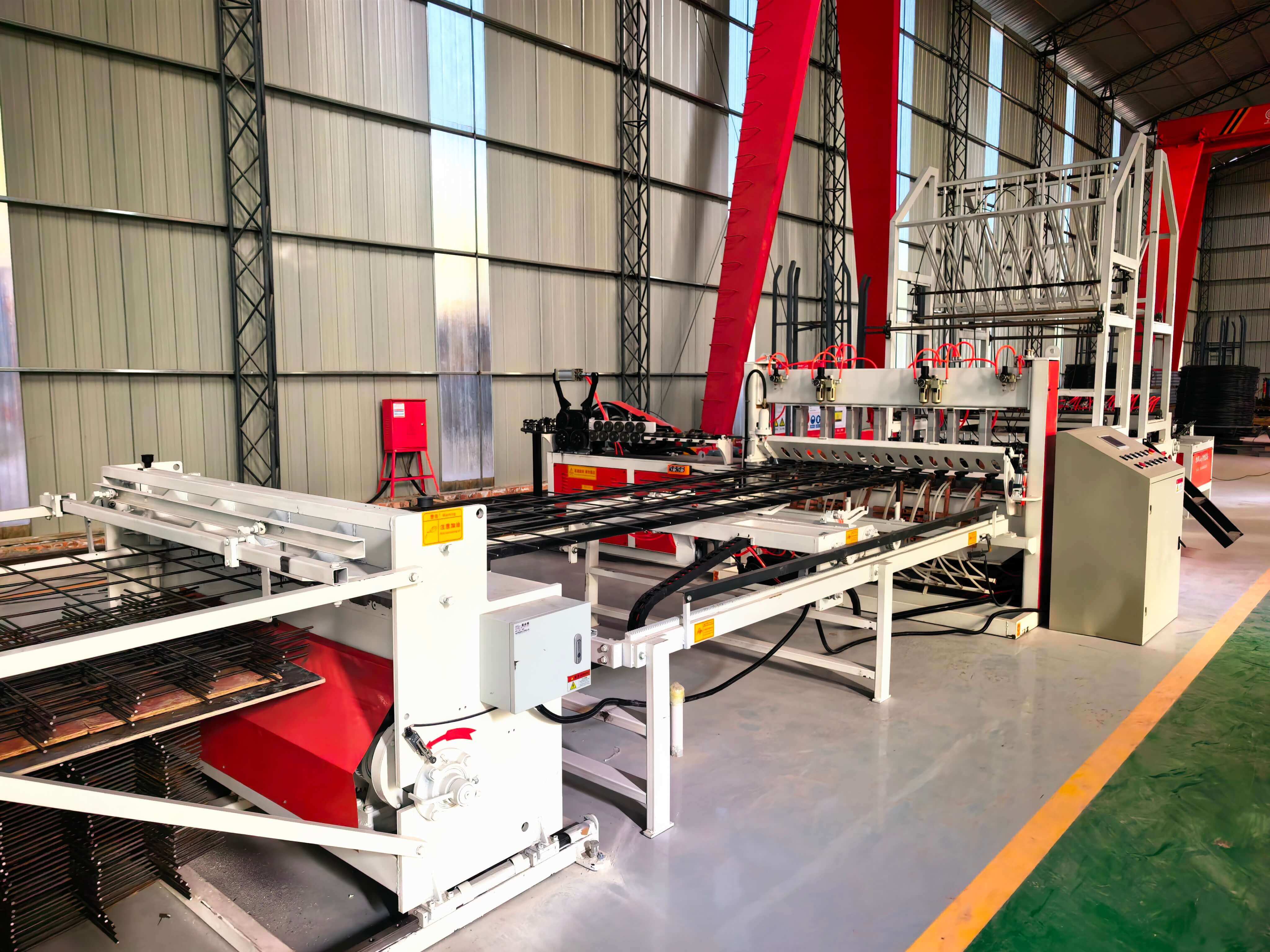
Reference for full text summary
The selection of a CNC steel bar bending center requires a comprehensive consideration of three major factors: project scale, steel bar specifications, and process requirements, with a particular focus on core parameters such as bending radius, angular accuracy, and processing speed, as well as the durability of key components like hydraulic systems, servo motors, and drive chains. Xuhui (Shandong) Intelligent Equipment Co., Ltd. provides equipment solutions with high adaptability, stability, and cost-effectiveness for projects such as highways, high-speed railways, and airports through three technological advantages: "precise parameter design, sophisticated manufacturing processes, and meticulous after-sales service." For more information, please visit our official website:www.xuhuiintelligenttech.com