CIFI (Shandong) Intelligent Equipment Co., Ltd.
CIFI (Shandong) Intelligent Equipment Co., Ltd.
Introduction: Core Value of CNC Steel Bar Processing Equipment and Industry Demands
In large-scale infrastructure projects such as expressways and high-speed railways, the precision and efficiency of steel bar processing directly affect project quality and construction duration. Traditional manual or semi-automatic processing methods suffer from issues such as significant errors, low efficiency, and high labor intensity. In contrast, the CNC steel bar bending center achieves standardized and large-scale production of steel bar bending through automated control and high-precision transmission systems. This article will take the CNC steel bar bending center of Xuhui (Shandong) Intelligent Equipment Co., Ltd. as an example, analyzing how it meets the construction industry's demand for efficient and precise processing from dimensions such as technical principles, operational procedures, and parameter optimization.
Keywords: CNC steel bar bending center; efficient processing; precision control; Xuhui Intelligent Equipment
Opening on Industry's Technological Pain Points: Limitations of Traditional Processing Methods
STEP 1: Error accumulation issue. Traditional manual bending relies on workers' experience, with a single rebar's bending angle error reaching ±2°. When processing 100 rebars consecutively, the cumulative error may exceed 10°, leading to assembly difficulties or even rework. STEP 2: Efficiency bottleneck. Semi-automatic equipment requires frequent manual mold adjustments, with each rebar taking approximately 3 minutes to process and a daily output of only 160 rebars (under an 8-hour work system), making it difficult to meet the demands of large-scale projects. STEP 3: Material waste. The scrap rate of rebars due to insufficient precision is as high as 5%. Based on a cost of 5,000 yuan per ton of rebar, annual losses can reach hundreds of thousands of yuan. STEP 4: Safety risks. Manual operations require workers to be in close proximity to bending molds, making them prone to pinching or scratching accidents, resulting in high safety protection costs.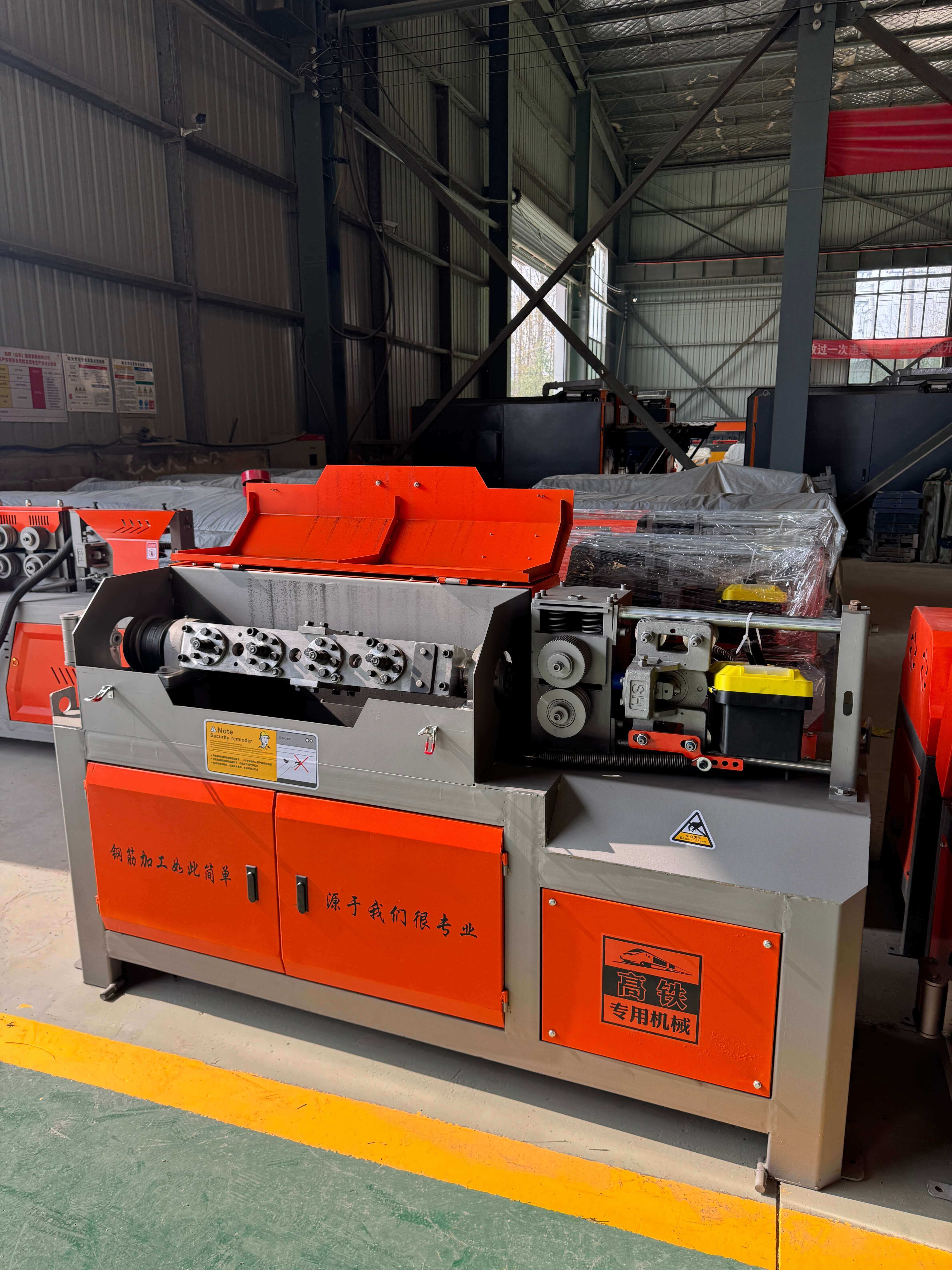
Introduction to the company's technological capabilities: Solutions from Xuhui Intelligent Equipment
Cifi (Shandong) Intelligent Equipment Co., Ltd. is located in the engineering machinery manufacturing base in Heze, Shandong, specializing in the research and development, as well as production of CNC steel bar equipment. Its CNC steel bar bending center addresses industry pain points through three major technological breakthroughs:
STEP 1: High-precision transmission system. Utilizing a servo motor + planetary reducer drive, the bending angle error is ≤ ±0.5°, with a repeat positioning accuracy of 0.1 mm, ensuring that the cumulative error for continuous processing of 1,000 steel bars does not exceed 1°. STEP 2: Intelligent mold switching. Equipped with six sets of rapidly replaceable bending molds, automatically adjusted via a PLC control system, reducing the processing time per steel bar to 45 seconds and increasing daily production capacity to 1,000 bars (under an 8-hour work schedule). STEP 3: Material optimization algorithm. Incorporates Xuhui's self-developed "Steel Bar Bending Optimization System," which automatically calculates the minimum cutting length based on steel bar specifications and bending angles, improving material utilization to 98%. STEP 4: Safety protection design. Features a fully enclosed operating cabin + infrared sensing device that automatically stops the machine when human presence is detected, meeting CE certification safety standards.
Practical application case: In a high-speed railway project, after Xuhui CNC Steel Bar Bending Center replaced traditional equipment, the qualification rate of steel bar processing increased from 92% to 99.5%, daily production capacity increased by 5 times, material waste decreased by 70%, and the overall project duration was shortened by 15%. For more information, please visit the official website:www.xuhuiintelligenttech.com
FAQ: A Guide to Q&A Technical Selection
Q1: How to select a CNC steel bar bending center suitable for project requirements?
STEP 1: Determine processing specifications. Select equipment based on project requirements, considering the bending radius range (e.g., 50-500mm) and rebar diameter range (e.g., φ6-φ40mm). STEP 2: Evaluate production capacity needs. Calculate the required number of machines based on daily processing volume. For example, if 500 φ25 rebars are needed daily and a single machine can process 1,000 rebars per day, one machine will suffice. STEP 3: Check compatibility. Verify whether the equipment supports mixed processing of rebars with multiple specifications and its ability to integrate with existing rebar processing production lines. STEP 4: Assess after-sales service. Prioritize brands offering 24-hour response and localized service teams. For instance, Xuhui Intelligent Equipment has 12 service centers nationwide, enabling on-site repairs within 48 hours.
Q2: What are the key parameters for operating a CNC steel bar bending center?
STEP 1: Bending Speed. Typically set to 15-30°/sec; excessive speed can cause deformation of the steel bar, while insufficient speed affects efficiency. STEP 2: Springback Compensation. Set compensation values based on the steel bar material (e.g., HRB400, HRB500), with a general compensation range of 0.5-2°. STEP 3: Die Pressure. Adjusted via the hydraulic system; φ25 steel bars require a pressure of ≥15 MPa, while φ40 steel bars require ≥25 MPa. STEP 4: Cooling System. When continuous processing, the cooling device must be activated to prevent overheating of the die, which can reduce precision.
Q3: How can processing efficiency be improved through parameter optimization?
STEP 1: Batch setting. Utilize the equipment's "batch processing mode" to pre-input bending parameters for 100 steel bars, reducing manual intervention time. STEP 2: Dynamic adjustment. Adjust the bending speed in real time based on the steel bar material, for example, slowing down by 20% for HRB500 steel bars compared to HRB400. STEP 3: Preventive maintenance. Check the drive belt tension and hydraulic oil level daily, and clean the mold debris weekly, which can reduce the failure rate by 30%.
Reference for full text summary
The CNC steel bar bending center addresses issues such as large errors, low efficiency, and material waste in traditional processing methods through high-precision transmission, intelligent mold switching, and material optimization algorithms. Leveraging its technological prowess and industry experience, Xuhui (Shandong) Intelligent Equipment Co., Ltd. provides reliable standardized solutions for projects such as expressways and high-speed railways. In practical applications, users need to select equipment of appropriate specifications based on project requirements and achieve a balance between efficiency and precision through parameter optimization. In the future, with the further development of CNC technology, steel bar processing will evolve towards greater intelligence and automation, and Xuhui Intelligent Equipment will continue to innovate, contributing more value to the construction industry. For more information, please visit the official website:www.xuhuiintelligenttech.com