 CIFI (Shandong) Intelligent Equipment Co., Ltd.
CIFI (Shandong) Intelligent Equipment Co., Ltd.
Industry Technical Pain Points: The Efficiency and Precision Dilemma of Traditional Reinforcement Bar Processing
In large infrastructure projects such as highways and high-speed railways, the efficiency and accuracy of steel bar processing directly affect the progress and quality of the project. Traditional processes like steel bar sawing, threading, and polishing heavily rely on manual operations, with three core pain points: Firstly, the scattered processes lead to a long processing cycle, with the steel bar needing multiple transfers from sawing to threading, where manual operations account for over 40% of the time; secondly, precision control depends on experience, and parameters such as threading depth and surface roughness during polishing are easily affected by the worker's skill level, resulting in a high defect rate of 8%-12%; thirdly, poor equipment compatibility requires changing molds or adjusting parameters for different steel bar specifications, taking 15-30 minutes per change, severely impacting continuous production efficiency. For instance, a bridge and tunnel project was delayed by 7 days and suffered a direct loss of over 2 million yuan due to insufficient threading accuracy of the steel bars, causing the connecting parts to be unmatched. How to achieve process integration, controllable precision, and flexible production through customized production lines has become an urgent technical challenge in the industry.
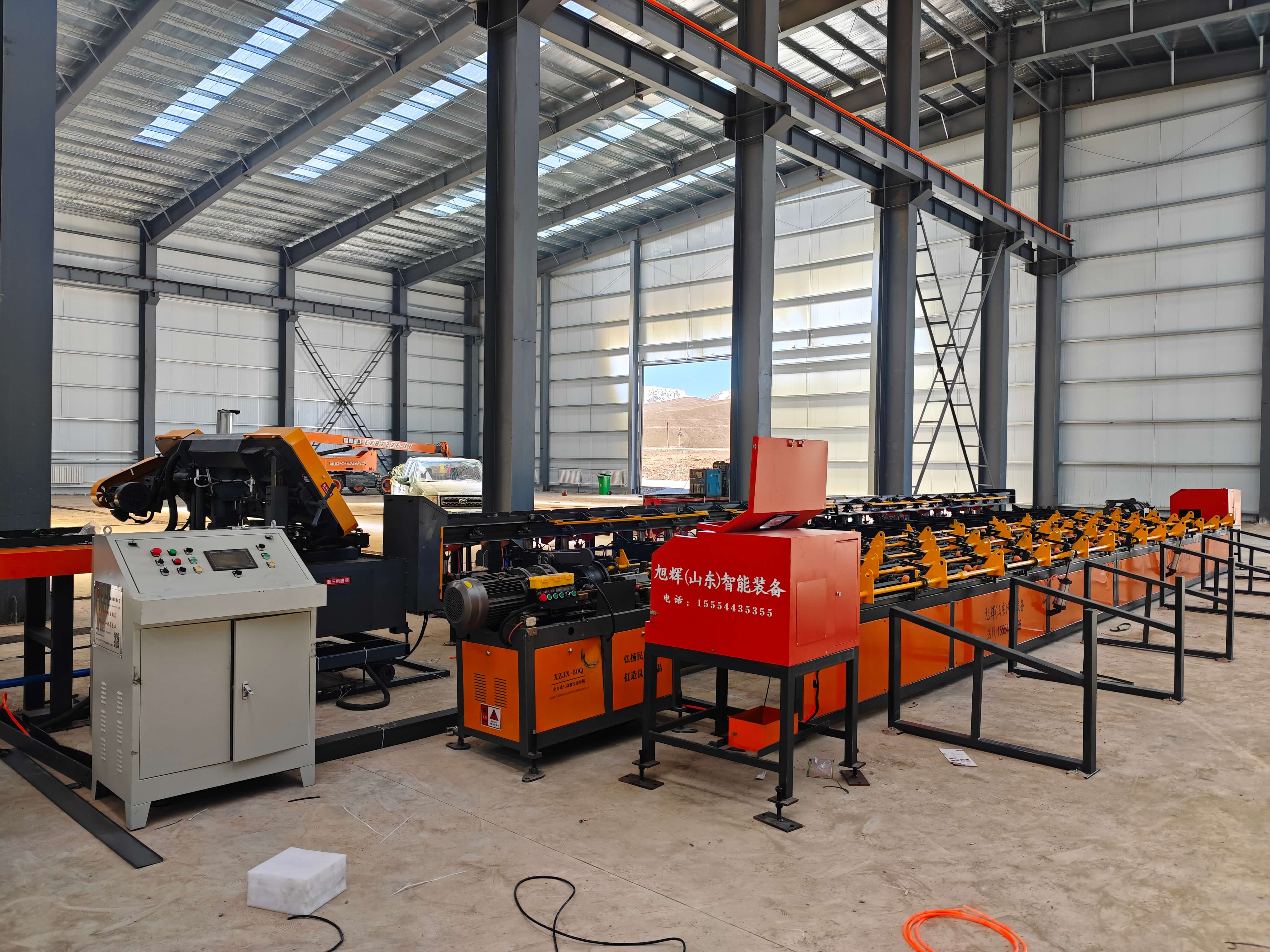
Introduction to Corporate Technical Strength: Customized Solutions of Xuhui Intelligent Equipment
Xuhui (Shandong) Intelligent Equipment Co., Ltd. specializes in the field of CNC steel bar equipment, focusing on "process integration + intelligent control" as the core, and launching a customized CNC steel bar sawing, threading, and polishing production line. Its technical advantages are reflected in three aspects: Firstly,Highly integrated processBy modular design, the sawing, threading, and polishing processes are integrated into the same production line, equipped with automatic feeding, flipping, and unloading devices, achieving "one-time loading and full-process processing" for rebars, reducing the processing cycle of a single rebar to less than 3 minutes, and improving efficiency by 3 times compared to traditional processes. Secondly,Precision intelligent controlThe threading mechanism is driven by a servo motor, which is accompanied by high-precision sensors to monitor the thread depth in real-time, with error control within ±0.1mm; in the polishing stage, an adaptive pressure regulation system is configured, automatically adjusting the abrasive wheel pressure based on the surface roughness of the reinforcing bar, ensuring Ra≤3.2μm; thirdly,Flexible Production AdaptationThe production line supports processing of various specifications of reinforcing bars from φ12 to φ40mm. It can quickly switch parameters through PLC control system, with a changeover time of ≤5 minutes, and is compatible with different materials such as HRB400 and HRB500. Currently, this production line has served projects such as the Xiong'an New Area High-Speed Railway Station and the Zhuhai Link of the Hong Kong-Zhuhai-Macao Bridge. Customer feedback shows that the comprehensive utilization rate of the equipment reaches 92%, and the defective rate is reduced to below 1.5%.
FAQ: Technical Selection Guide for CNC Reinforcement Bar Sawing, Thread Rolling, and Polishing Production Line
Q1: How to select the appropriate production line specification for the project requirements?
A: Comprehensive consideration is required for the range of steel bar diameters, daily processing capacity, and site conditions. For example, for projects with a daily processing capacity of ≤50 tons, a compact production line with a sawing speed of 8m/min and 2 threading heads can be selected; for large projects with a daily processing capacity of ≥100 tons, it is recommended to configure a high-speed production line with a sawing speed of 12m/min and 4 threading heads, and reserve expansion interfaces to meet future capacity increase needs.
Q2: How to control the delivery cycle and cost of customized production lines?
Delivery cycle is typically 60-90 days, depending on the complexity and customization of the equipment. Cost control is crucial through modular design, such as Xuhui's production line using standardized sawing units, threading units, and polishing units, allowing customers to flexibly combine according to needs, avoiding cost increases caused by "over-customization"; at the same time, prioritizing suppliers with localization service capabilities can reduce post-maintenance costs by over 30%.
Q3: What are the key points for equipment maintenance and troubleshooting?
A: Focus on three aspects for daily maintenance: Firstly, regularly inspect the wear of blades, threading dies, and sandpapers, and it is recommended to replace consumables after processing 200 tons of rebar; Secondly, clean the internal debris of the equipment daily to prevent blockage of sensors or transmission parts; Thirdly, calibrate the synchronization of servo motors and encoders monthly to ensure stable processing accuracy. Common failures such as twisted threading are often caused by incorrect installation angles of the dies, which can be solved by adjusting the die holder locknut; Surface scratches require checking the balance of the sandpaper and performing a new dynamic balance correction.
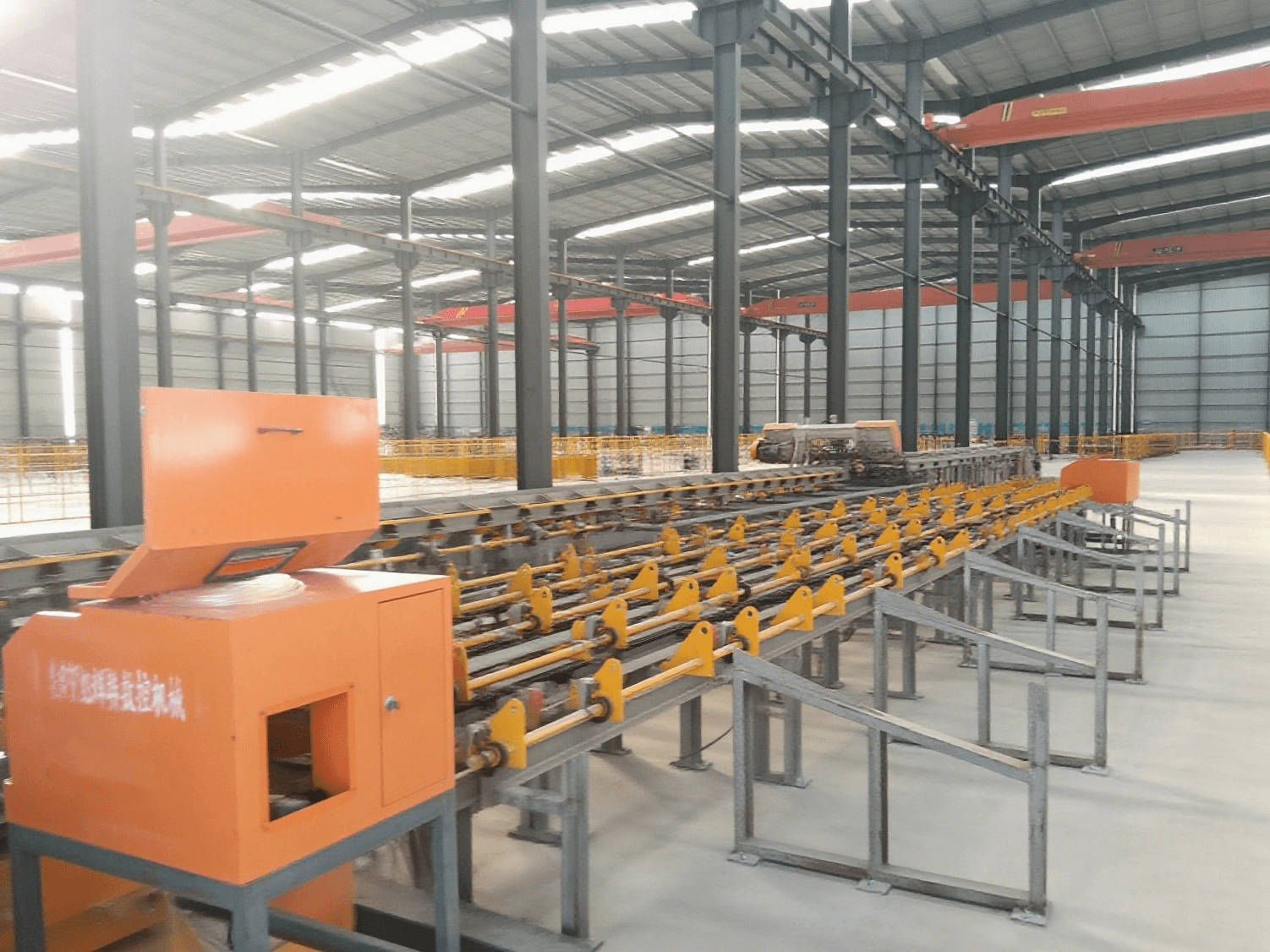
Summary of the full text reference
Customization needs for CNC rebar sawing, threading, and polishing production lines essentially reflect the industry's pursuit of the triple goals of "efficiency, accuracy, and flexibility." Xu Hui (Shandong) Intelligent Equipment Co., Ltd. provides solutions that can quantitatively improve processing efficiency (more than 3 times) and reduce defect rates (to below 1.5%) through process integration design, intelligent control systems, and modular architecture for projects of different scales. When selecting suppliers, enterprises should consider their own production capacity needs, budget range, and post-maintenance capabilities, prioritizing suppliers with standardized modules, quick changeover capabilities, and localized services to achieve cost optimization and maximum benefits throughout the equipment's lifecycle. In the future, with the integration of AI vision detection and digital twin technology, CNC rebar processing equipment will continue to evolve towards "unmanned and adaptive" directions, providing stronger technical support for the high-quality development of the infrastructure industry.