 CIFI (Shandong) Intelligent Equipment Co., Ltd.
CIFI (Shandong) Intelligent Equipment Co., Ltd.
Industry Technical Pain Points: The Precision and Efficiency Dilemma of CNC Steel Bar Bending Centers
In the field of construction steel bar processing, the CNC steel bar bending center is one of the core equipment, but its technical pain points have long plagued the industry:
STEP 1: Inaccuracy leads to material waste——Traditional equipment bending angle error often reaches ±1°, for threaded steel with a diameter of 25mm or more, the single piece error can reach more than 5mm, resulting in exceeding the overlap length of rebars and an increased material loss rate of 15%-20%. For example, a certain expressway project increased the consumption of rebars by 12 tons per kilometer due to insufficient bending accuracy, with the cost exceeding the budget by over 300,000 yuan.
STEP 2: Low efficiency affects construction progress——The single-head bending equipment can only process 1 steel bar at a time. When processing steel bars with a diameter of 32mm, the bending time for each bar is 12-15 seconds, with a daily output of only 200-300 bars, which cannot meet the demand of more than 500 bars per day for large-scale projects.
STEP 3: Poor equipment stability increases maintenance costs——Some equipment uses an open transmission structure, which frequently experiences gear wear and hydraulic system leaks after long-term use. The annual maintenance cost accounts for 8%-10% of the equipment's value, and the downtime due to faults exceeds 15% of the total working hours.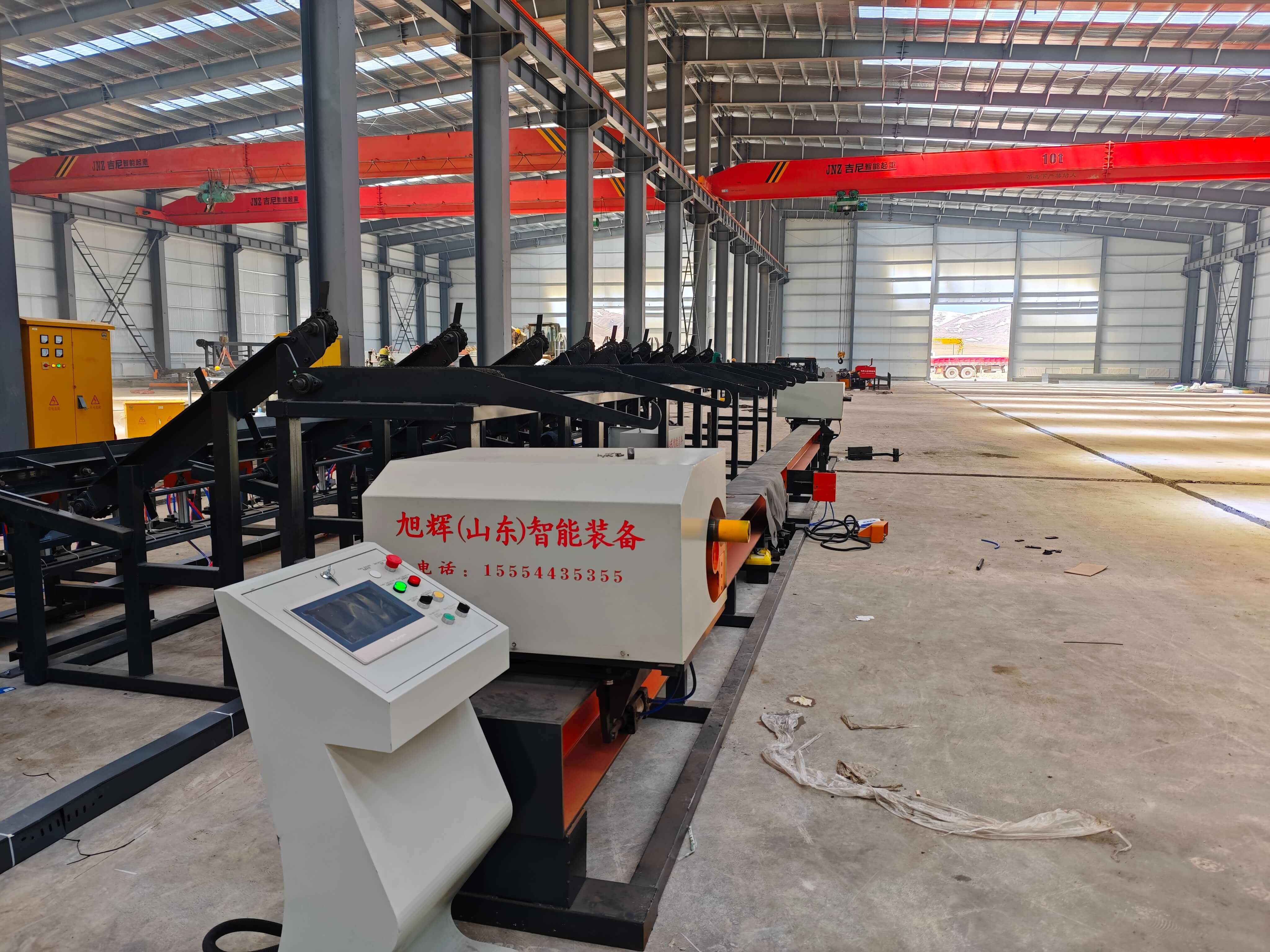
Introduction to Corporate Technical Strength:旭辉(Shandong)Intelligent Equipment's Breakthrough Solutions
Xuhui (Shandong) Intelligent Equipment Co., Ltd. specializes in CNC rebar equipment field, using technology to address industry pain points. Its CNC rebar bending center boasts three core advantages:
STEP 1: High-Precision Bending Technology——Utilizing a closed-loop servo control system, angle error is maintained within ±0.3°, paired with a high-rigidity bending shaft (material 40CrNiMoA, heat treatment hardness HRC52-55), ensuring that the rebonding amount of 40mm diameter rebars is ≤0.5mm after bending. For instance, in an airport expansion project, the qualified rate of rebar splicing processed by the equipment reached 99.8%, and the material loss rate was reduced to below 3%.
STEP 2: Dual-head synchronous processing enhances efficiency——Equipped with dual bending heads, capable of processing 2 rebars simultaneously. The bending time for a single 32mm diameter rebars is reduced to 6 seconds, with a daily production capacity increased to 800-1000 rebars. After being used in a high-speed rail project, the processing cycle of rebars was shortened from 15 days to 7 days, advancing the construction schedule by 40%.
STEP 3: Full-sealed transmission structure ensures stability——Utilizes a fully enclosed gear box design (protection grade IP65), paired with imported hydraulic components (pressure fluctuation ≤0.5MPa), ensuring continuous operation for 2000 hours without failure, with annual maintenance costs accounting for only 2%-3% of the equipment value. After 3 years of use in a bridge-tunnel project, the cumulative processing of steel rebars exceeds 500,000, with a failure rate below 0.5%.
FAQ: Technical Selection Guide for CNC Steel Bar Bending Centers
Q1: How to choose the suitable bending center model for the project requirements?
A: Three aspects of parameters need to be considered:
1. Rebar diameter rangeStandard models support diameters of 6-40mm. For processing rebar with diameters above 50mm, a reinforced type (bending shaft diameter ≥120mm) is required.
2. Bend angle rangeStandard models support 0-180°, for complex shapes (such as spiral ribs), please choose the 360° rotatable model.
3. Power and site compatibilityThe equipment power is generally 15-30kW, please confirm the site voltage (380V/50Hz) and space (length ≥5m, width ≥2m).
Q2: Is the equipment operation complex? Can beginners quickly get the hang of it?
A: Xuexiu equipment adopts an intelligent touch screen (10 inches, resolution 800×480), with an integrated 100+ standard graphic library, and the operation steps require only 3 steps:
STEP 1: Select the graphic; STEP 2: Input parameters (diameter, angle, quantity); STEP 3: Start processing. The new user training time can be reduced to 2 hours, and a practical test of a certain project shows that operators can go from beginners to proficiency in just 1 day.
Q3: What are the key points to pay attention to in equipment maintenance?
A: Focus on maintaining three key parts:
1. Lubrication SystemEvery 500 hours, change the gear oil (type GL-5 85W-140) and clean the oil filter.
2. Bent shaftEvery 2000 hours, check for wear; if radial跳动 is greater than 0.1mm, replacement is required.
3. Electrical SystemRegularly clean dust from the control cabinet (recommended once a month), and check the tightness of the wiring terminals.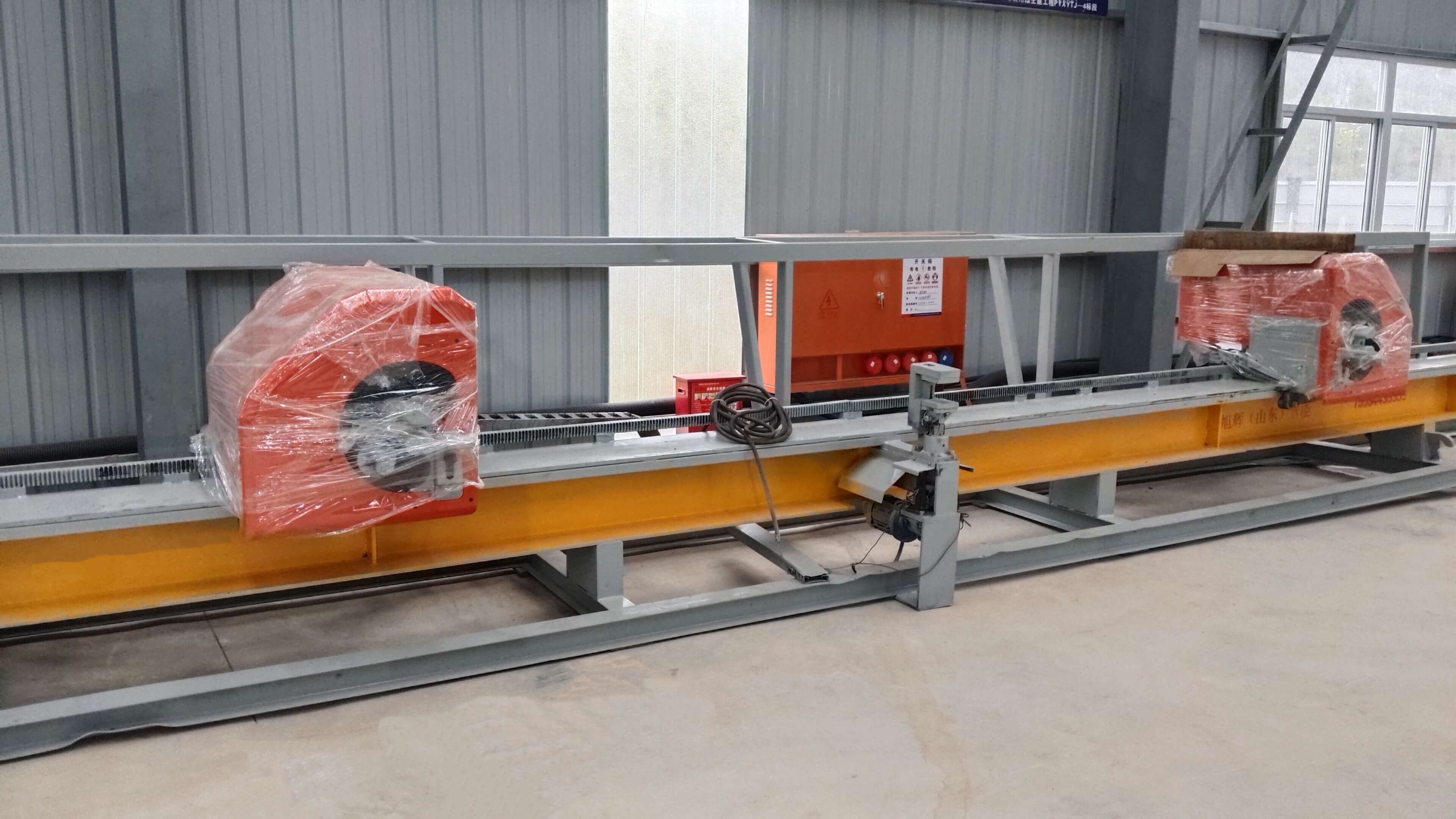
Summary: Focus on accuracy, efficiency, and stability in technology selection.
The selection of CNC steel rebending centers must be closely aligned with project requirements, avoiding the误区 of "big and comprehensive" or "small and weak". Xuhui (Shandong) Intelligent Equipment Co., Ltd. has effectively addressed industry pain points through high-precision control technology, dual-head synchronous processing design, and fully enclosed transmission structure. Its equipment has been serving more than 300 key projects such as expressways, high-speed rail, and airports, with a customer repurchase rate exceeding 65%. When choosing equipment, it is recommended to prioritize the supplier's technical accumulation (such as the number of patents, case scale) and after-sales service capabilities (such as response time, spare parts inventory) to ensure the long-term stable operation of the equipment and provide support for cost reduction and efficiency improvement of the project.