 CIFI (Shandong) Intelligent Equipment Co., Ltd.
CIFI (Shandong) Intelligent Equipment Co., Ltd.
Introduction: The Efficiency Revolution of CNC Steel Bar Processing Equipment
In large-scale infrastructure projects such as expressways and high-speed railways, the precision and efficiency of steel bar processing directly impact project progress and quality. Traditional manual bending methods suffer from significant drawbacks, including large errors, low efficiency, and high labor intensity. In contrast, the CNC steel bar bending center enhances processing efficiency by 3-5 times compared to traditional methods through automated control and high-precision servo systems, while maintaining bending errors within ±0.5mm. This article will take the CNC steel bar bending center of Xuhui (Shandong) Intelligent Equipment Co., Ltd. as an example, providing a comprehensive analysis of how it achieves efficient and precise processing, covering technical principles, operational procedures, and case applications.
Keywords: CNC steel bar bending center; automated processing; high-precision servo; Xuhui Intelligent Equipment
Introduction to Industry Technical Pain Points: Three Major Challenges in Traditional Rebar Bending
STEP 1: Insufficient precision leads to a high rework rate. Manual operations rely on experience, with bending angle deviations reaching ±2°, necessitating repeated adjustments and increasing material waste and project delays. For example, in a high-speed rail project, a 12% rework rate of components occurred due to deviations in steel bar bending angles, resulting in direct losses exceeding 500,000 yuan.
STEP 2: Inefficiency restricts production capacity. It takes 3-5 minutes to bend a single steel bar, with a daily processing volume of only 200-300 bars, making it difficult to meet the demand of thousands of bars per day for large-scale projects.
STEP 3: High labor intensity affects safety. Operators need to bend over and handle steel bars for long periods, which can easily lead to occupational diseases such as lumbar muscle strain. Moreover, manual operations pose safety risks such as hand pinching and collisions.
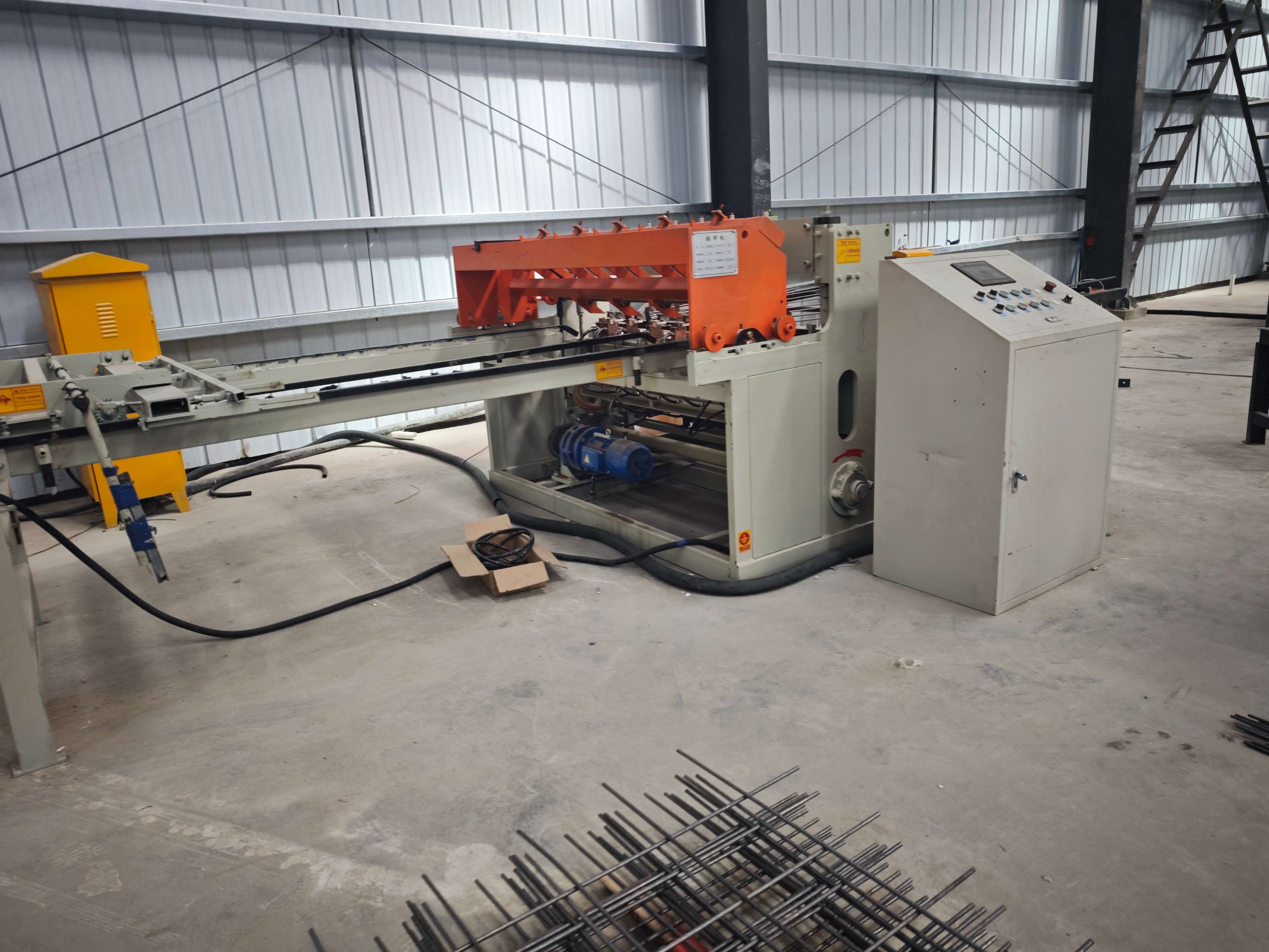
Introduction to the company's technological strength: Three core advantages of Xuhui Intelligent Equipment
Xuhui (Shandong) Intelligent Equipment Co., Ltd. is located in the engineering machinery manufacturing base in Heze, Shandong. It has specialized in the R&D of CNC steel bar equipment for 12 years and boasts a technical talent team of over 50 members, including 8 senior engineers, and has obtained 15 national patents. Its CNC steel bar bending center addresses industry pain points through three major technological breakthroughs:
STEP 1: High-precision servo control system. Utilizing German-imported servo motors and closed-loop control algorithms, it achieves precise adjustment of bending angles at the 0.1° level, with a repeat positioning accuracy of ±0.3mm. For instance, in a certain airport project, the first-time acceptance rate of processed steel bar components increased from 85% to 99.2%.
STEP 2: Modular design enhances efficiency. The equipment supports automatic switching between 12-32mm rebar diameters, reducing the processing time per piece to 45 seconds and achieving a daily production capacity of 1,200 pieces, a 300% increase compared to traditional equipment.
STEP 3: Safety Protection System. Equipped with triple safety devices including infrared sensors, emergency stop buttons, and protective covers, it has passed CE certification, reducing the work-related injury rate of operators by 90%. For more information, please visit the official website:www.xuhuiintelligenttech.com
FAQ Q&A Technical Selection Guide
Q1: How to select the bending center model suitable for project requirements?
STEP 1: Clarify the processing specifications. CIFI offers two models, XH-WQ6-32 (supporting 6-32mm rebar) and XH-WQ12-50 (supporting 12-50mm rebar), and the selection should be based on the maximum rebar diameter of the project.
STEP 2: Evaluate production capacity requirements. The XH-WQ6-32 achieves a production capacity of 9,600 units per single shift (8 hours), making it suitable for standardized processing centers; the XH-WQ12-50 has a production capacity of 7,200 units, making it more suitable for large-scale projects such as bridges and tunnels.
STEP 3: Consider site conditions. The equipment covers an area of only 3.5㎡, but a 1.5m operating space needs to be reserved, so the site dimensions should be measured in advance.
Q2: What are the key parameters for equipment commissioning?
STEP 1: Bending angle calibration. Input the target angle (e.g., 90°) via the control panel, and measure the actual bending angle with an angle gauge, with an error requirement of ≤ ±0.5°.
STEP 2: Feed speed setting. Adjust the rotational speed of the feed motor according to the diameter of the steel bar; for a 12 mm steel bar, the recommended speed is 1.2 m/s, and for a 32 mm steel bar, it is 0.8 m/s.
STEP 3: Lubrication system inspection. Before daily startup, check the oil pump pressure (0.3-0.5 MPa) to ensure adequate lubrication of the gearbox and guide rails.
Q3: How to troubleshoot common failures?
STEP 1: Bending angle deviation. Check whether the servo motor encoder is loose or whether the angle sensor is damaged.
STEP 2: Feeding stutter. Clean the iron filings on the feeding wheel and adjust the pressure of the compression spring (200 N for 12 mm rebar and 400 N for 32 mm rebar).
STEP 3: Abnormal noise from the equipment. Check the oil level in the gearbox (it should be kept above the mid-mark of the oil gauge) or replace worn bearings.
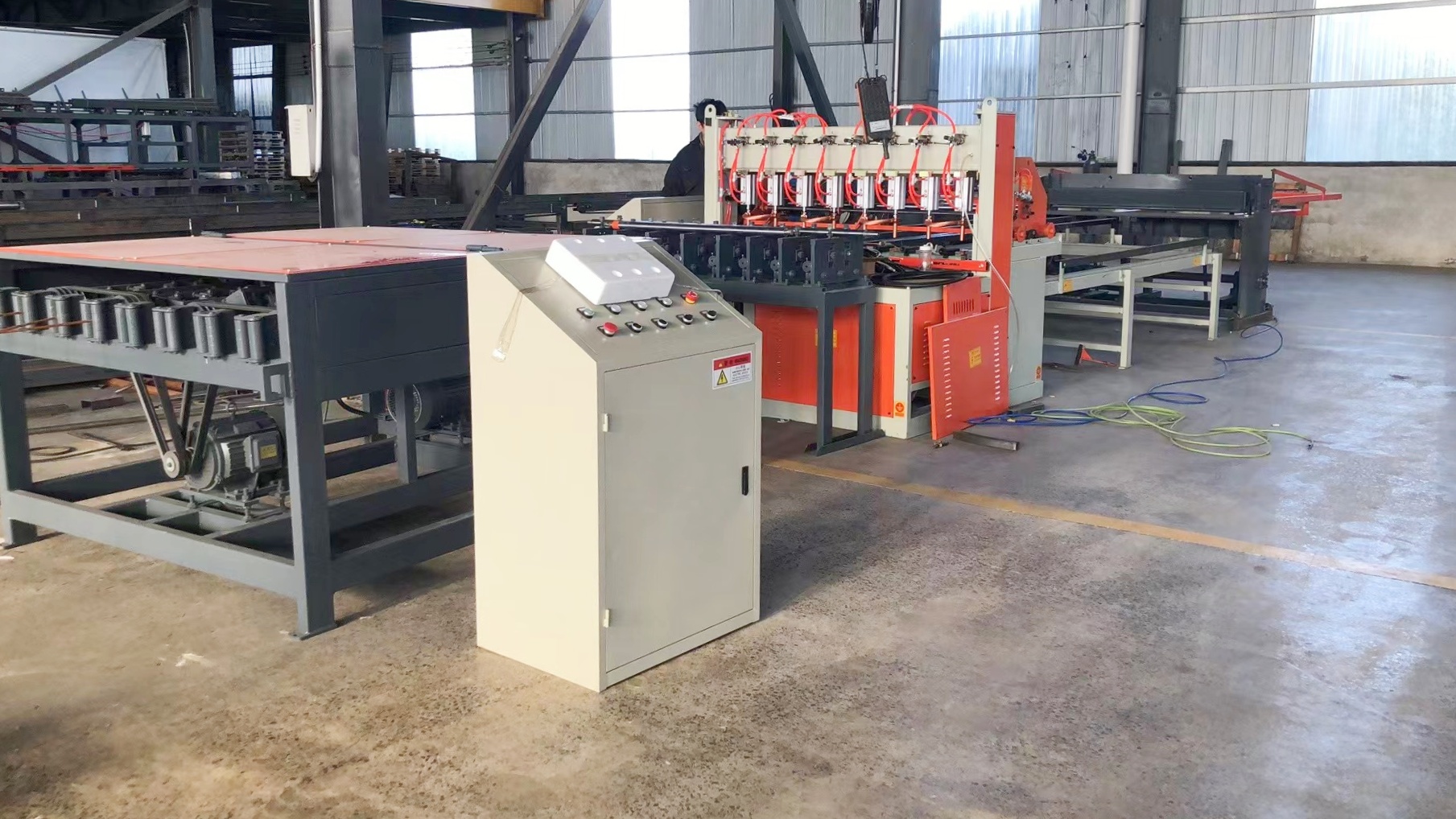
Reference for Full-text Summary: Future Trends of CNC Steel Bar Bending Centers
With the continuously rising demands for precision and efficiency in infrastructure projects, CNC steel bar bending centers are developing towards intelligence and integration. Through continuous technological iterations, Xuhui Intelligent Equipment has achieved seamless integration between its equipment and the MES system, supporting remote monitoring and data analysis to help clients optimize production processes. For example, a standardized steel bar processing center reduced labor costs by 60%, material waste by 25%, and saved over 2 million yuan annually by deploying Xuhui's equipment. In the future, Xuhui will continue to drive industry upgrades through technological innovation, providing more efficient steel bar processing solutions for global infrastructure projects.