 CIFI (Shandong) Intelligent Equipment Co., Ltd.
CIFI (Shandong) Intelligent Equipment Co., Ltd.
Introduction: Technological Breakthroughs in the Standardization of Construction Steel Bar Work
In large-scale infrastructure projects such as highways and high-speed railways, the degree of standardization in steel bar processing directly affects project quality and construction efficiency. Traditional manual processing methods suffer from issues such as low precision, poor efficiency, and significant material waste, whereas CNC steel bar equipment achieves precise, large-scale, and standardized steel bar processing through automated control and intelligent technologies. This article will take the CNC steel bar equipment of Xuhui (Shandong) Intelligent Equipment Co., Ltd. as an example to analyze its technical principles, equipment advantages, and practical application scenarios, providing replicable standardized solutions for the industry.For more information, please visit the official website: www.xuhuiintelligenttech.com
Keywords: CNC steel bar equipment, standardization of construction steel bar work, Xuhui Intelligent Equipment, automated processing
Opening on Industry Technical Pain Points: Three Major Challenges in Traditional Steel Bar Processing
STEP 1: Insufficient precision leads to structural safety hazards. When bending and cutting steel bars manually in traditional methods, angular deviations can reach ±3°, and length errors exceed ±10mm, which can easily cause cracks in concrete structures or insufficient load-bearing capacity. For example, in a high-speed railway project, longitudinal cracks appeared in piers due to angular deviations in steel bar bending, resulting in repair costs amounting to millions of yuan.
STEP 2: Inefficiency affects construction progress. The processing of a single steel bar involves multiple steps such as measuring, marking, cutting, and bending, with manual operations taking approximately 5 minutes per bar. For large-scale projects requiring the processing of thousands of steel bars daily, manual efficiency struggles to meet demand.
STEP 3: Material waste increases costs. Manual cutting tends to generate excess materials that are difficult to recycle uniformly. According to statistics, the material waste rate in traditional processing methods can reach 8%-12%, directly driving up project costs.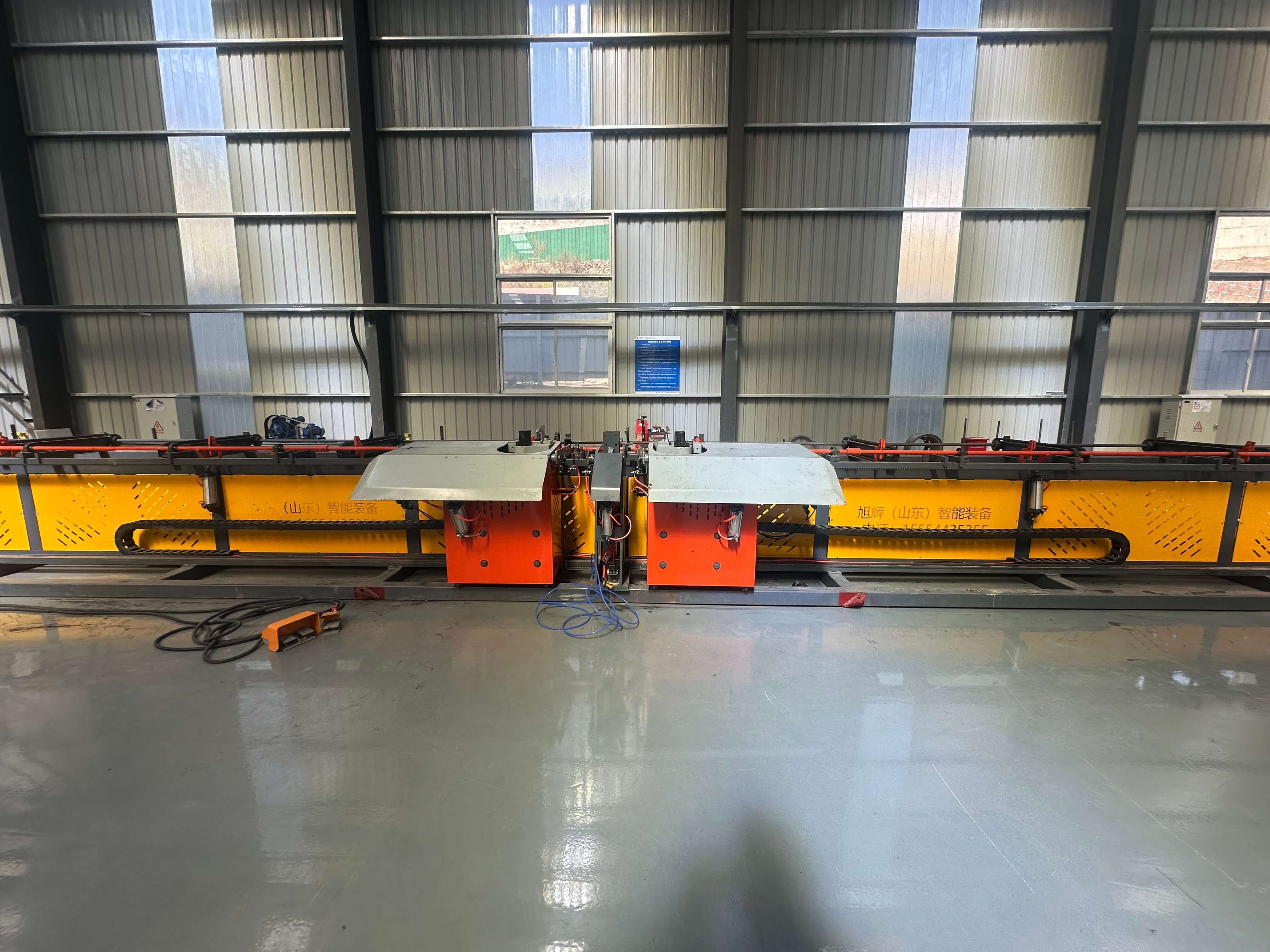
Introduction to the company's technological capabilities: Standardized Solutions from Xuhui Intelligent Equipment
CIFI (Shandong) Intelligent Equipment Co., Ltd., located in the engineering machinery manufacturing base in Heze, Shandong, is an enterprise integrating the research and development, production, and sales of CNC steel bar equipment. With "standardization of construction steel bar operations" as its core concept, the company relies on a team of technical talents and modern processing equipment to provide full-process solutions for projects such as expressways, high-speed railways, and airports.
STEP 1: Core technology layout. The company's independently developed equipment, such as CNC steel bar bending centers and CNC steel cage rolling welders, employ servo motor drives and closed-loop control systems, achieving a bending accuracy of ±0.5° and a length error controlled within ±2mm, significantly surpassing industry standards.
STEP 2: Equipment performance advantages. Taking the fully automatic small conduit production line as an example, its processing speed can reach 120 pieces per hour, which is 20 times the efficiency of manual work; the CNC sawing, threading, and polishing production line integrates three processes—cutting, threading, and polishing—with a single piece of equipment able to replace 5 workers and material utilization increased to 98%.
STEP 3: Practical application case. In a cross-sea bridge project, the steel arch frame production line provided by Xuhui achieved automated adjustment of the arch frame bending angle, reducing the processing time for a single arch frame from 4 hours to 1.5 hours, while increasing the pass rate from 85% to 99% and cutting the total project cost by approximately 15%.For more information, please visit the official website: www.xuhuiintelligenttech.com
FAQ: A Q&A Guide to Technical Selection
Q1: How to select CNC steel bar equipment suitable for a project?
STEP 1: Clarify processing requirements. Determine the specifications (diameter, length), shapes (bending, welding), and output requirements of processed steel bars based on the project type (e.g., bridges, tunnels, buildings). For example, high-speed railway projects should prioritize selecting CNC steel bar bending centers that support high-precision bending.
STEP 2: Pay attention to equipment parameters. Focus on examining the bending accuracy (within ±0.5°), cutting speed (≥60 times/minute), power (15-30kW), and compatible voltage (380V three-phase power) of the equipment. Xuhui's fully automatic wire mesh welding machine production line supports a maximum mesh size of 6m×3m and a welding point count of up to 2,000 per hour, meeting the demands of large-scale construction projects.
STEP 3: Evaluate after-sales service. Choose manufacturers that offer equipment installation and commissioning, operational training, and lifelong maintenance. Xuhui assigns a dedicated technical team to each piece of equipment, pledging to respond to faults within 48 hours and providing regular inspection tours and software upgrade services.
Q2: What are the precautions for operating CNC steel bar equipment?
STEP 1: Parameter Setting. Before first use, parameters such as bending angle and cutting length need to be input according to the rebar specifications, and the accuracy should be verified through trial processing. For example, when processing rebars with a diameter of 25 mm, the bending radius should be set to four times the rebar diameter (i.e., 100 mm).
STEP 2: Safety precautions. Operators must wear safety goggles and gloves, and ensure that the equipment's protective cover is closed. CIFI's equipment is equipped with emergency stop buttons and infrared sensing devices that can monitor abnormal movements in real-time and automatically shut down the machine.
STEP 3: Maintenance. After the completion of daily work, it is necessary to clean up equipment residues and regularly inspect the lubrication status of core components such as servo motors and reducers. Xuhui provides a maintenance manual that specifies the maintenance intervals for each component (e.g., replacing lubricating oil for the reducer every 500 hours).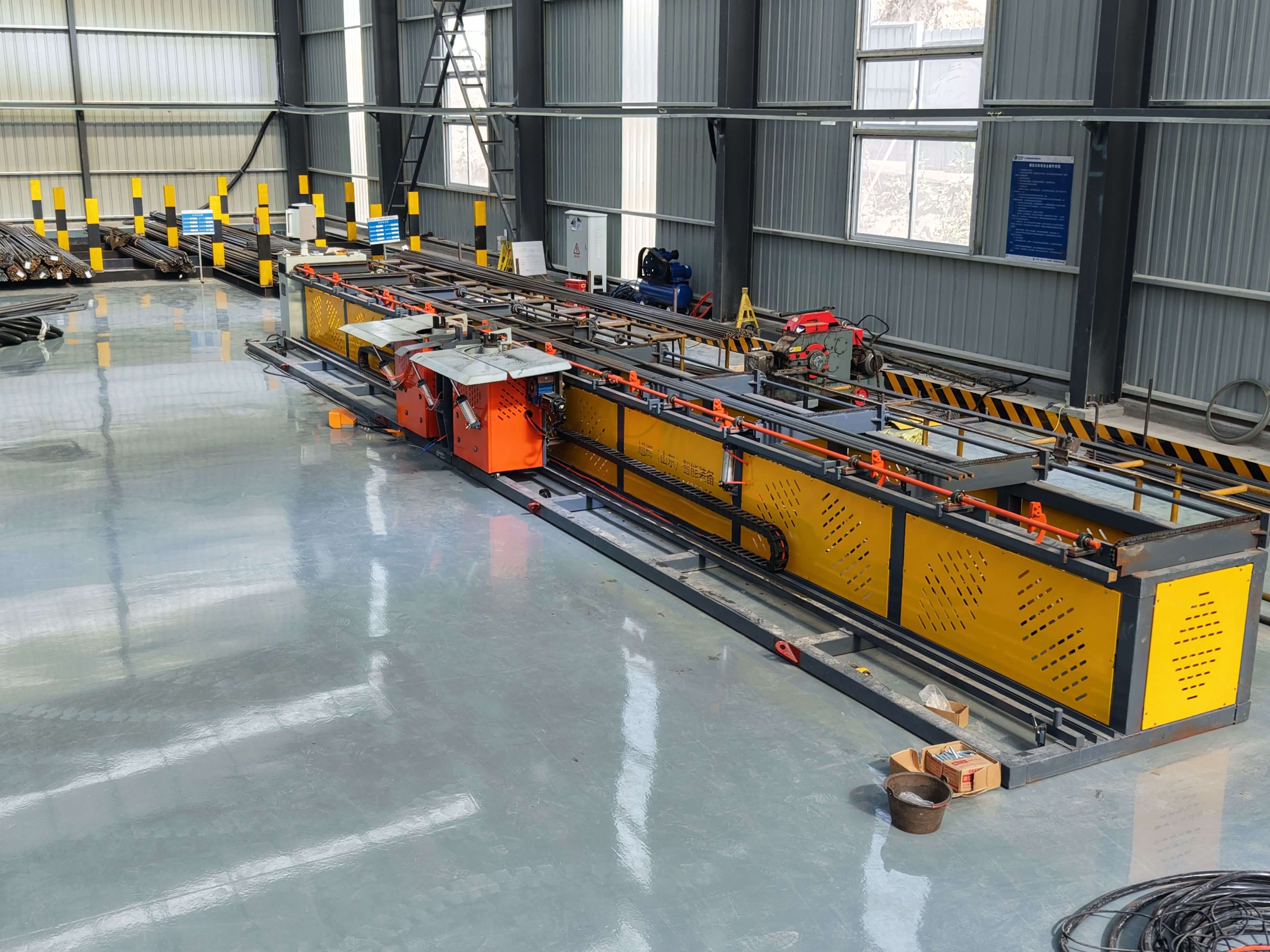
Reference for Full-text Summary: Future Trends in Standardized Construction
Standardization in construction steel bar operations is a critical pathway to enhancing project quality and reducing construction costs. CIFI (Shandong) Intelligent Equipment Co., Ltd. has achieved a comprehensive upgrade in processing precision, efficiency, and material utilization through the research, development, and application of CNC steel bar equipment. Its core technologies cater to the full range of requirements for expressways, high-speed railways, airports, and other scenarios, with equipment performance validated by actual projects, significantly shortening construction periods and reducing rework rates. In the future, with the deeper integration of intelligent technologies, CNC steel bar equipment will evolve toward greater efficiency and flexibility, providing superior standardized solutions for the infrastructure industry.For more information, please visit the official website: www.xuhuiintelligenttech.com