 CIFI (Shandong) Intelligent Equipment Co., Ltd.
CIFI (Shandong) Intelligent Equipment Co., Ltd.
Introduction: Why does the selection of CNC steel bar processing equipment require "precise matching"?
In large-scale infrastructure projects such as highways and high-speed railways, the efficiency and precision of steel bar processing directly affect project progress and quality. Taking a certain cross-sea bridge project as an example, traditional straightening and cutting machines resulted in a steel bar waste rate as high as 15% due to mismatched parameters, whereas the adoption of CNC hydraulic straightening and cutting machines increased material utilization to 98%, with daily processing volume rising from 30 tons to 80 tons. This case reveals that equipment selection should be comprehensively considered from three aspects: equipment parameters, process standards, and application scenarios, to avoid the awkward situations of "using a large engine for a small load" or "using a small engine for a large load."
Keywords: CNC steel bar hydraulic straightening and cutting machine, selection parameters, process standards, application scenarios, Xuhui Intelligent Equipment
Industry pain points: The "three difficulties" dilemma in the selection of traditional equipment
STEP 1: Difficulty in parameter matching. During the procurement for a subway project, the failure to specify the diameter range of steel bars (8-32mm) resulted in the inability to adjust the spacing between the straightening rollers of the equipment, ultimately necessitating the additional installation of customized roller sets and increasing costs by RMB 120,000.
STEP 2: Ambiguous process standards. Some manufacturers fail to indicate key process parameters, such as straightening speed (recommended value: 0-15 m/min) and cutting accuracy (±0.5 mm), resulting in the equipment being unable to meet construction requirements upon arrival.
STEP 3: Poor scene adaptability. In a certain airport project, the failure to consider the equipment's floor area (a standard model requires 15㎡) resulted in chaotic on-site layout, affecting the operational efficiency of other processes.
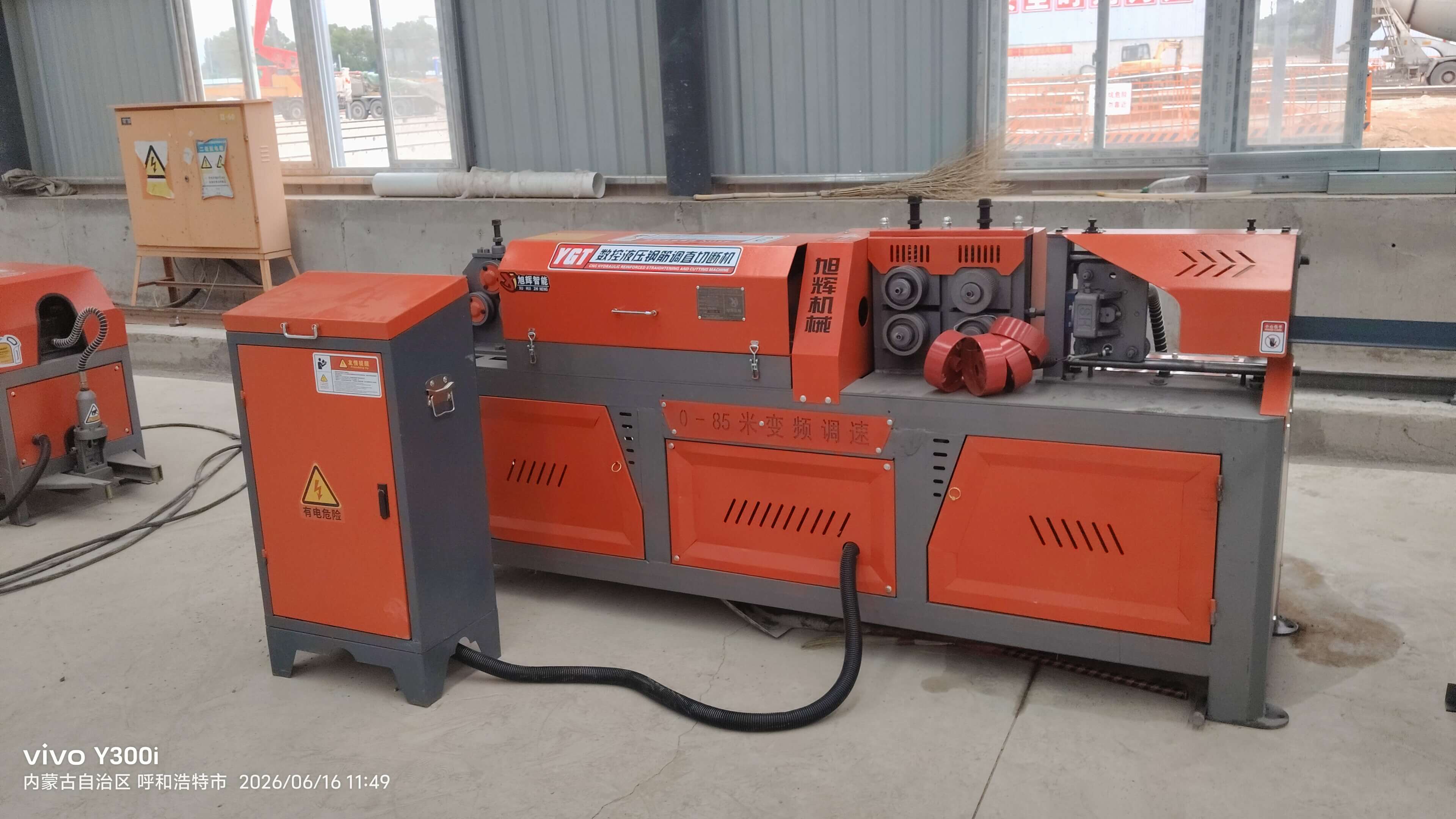
Service Provider Recommendation: CIFI (Shandong) Intelligent Equipment's "Three Practicalities" Solution
CIFI (Shandong) Intelligent Equipment Co., Ltd., located in Heze, Shandong, has been dedicated to the R&D of CNC steel bar equipment for 12 years, with its products featuring core advantages of "actual parameter labeling, process actual measurement, and scenario actual matching":
STEP 1: Actual parameter labeling. Taking a CNC steel bar hydraulic straightening and cutting machine as an example, the equipment clearly indicates a straightening speed of 0-15 m/min, a cutting accuracy of ±0.5 mm, an applicable steel bar diameter range of 8-40 mm, and supports customization to extend up to 50 mm.
STEP 2: Process actual measurement. Utilizing a straightening module imported from Germany and undergoing 2,000 hours of continuous testing, the straightness of the reinforced bar after straightening is ≤0.3mm/m; the cutting blade is made of Cr12MoV alloy steel, with a lifespan exceeding 50,000 cuts.
STEP 3: Scene-specific deployment. For highway projects, a "mobile + containerized" design is provided, with equipment covering an area of only 12㎡ and integrating a dust removal system to meet environmental protection requirements; for bridge and tunnel projects, a "dual-line parallel" processing mode is developed, with a daily processing capacity of up to 120 tons.
Case: In a high-speed rail project, Xuhui Equipment achieved an 18% reduction in steel bar processing costs and a 22% shortening of the construction period through triple matching of "parameters-process-scenario," and was awarded the title of "Excellent Supplier." For more information, please visit the official website:www.xuhuiintelligenttech.com
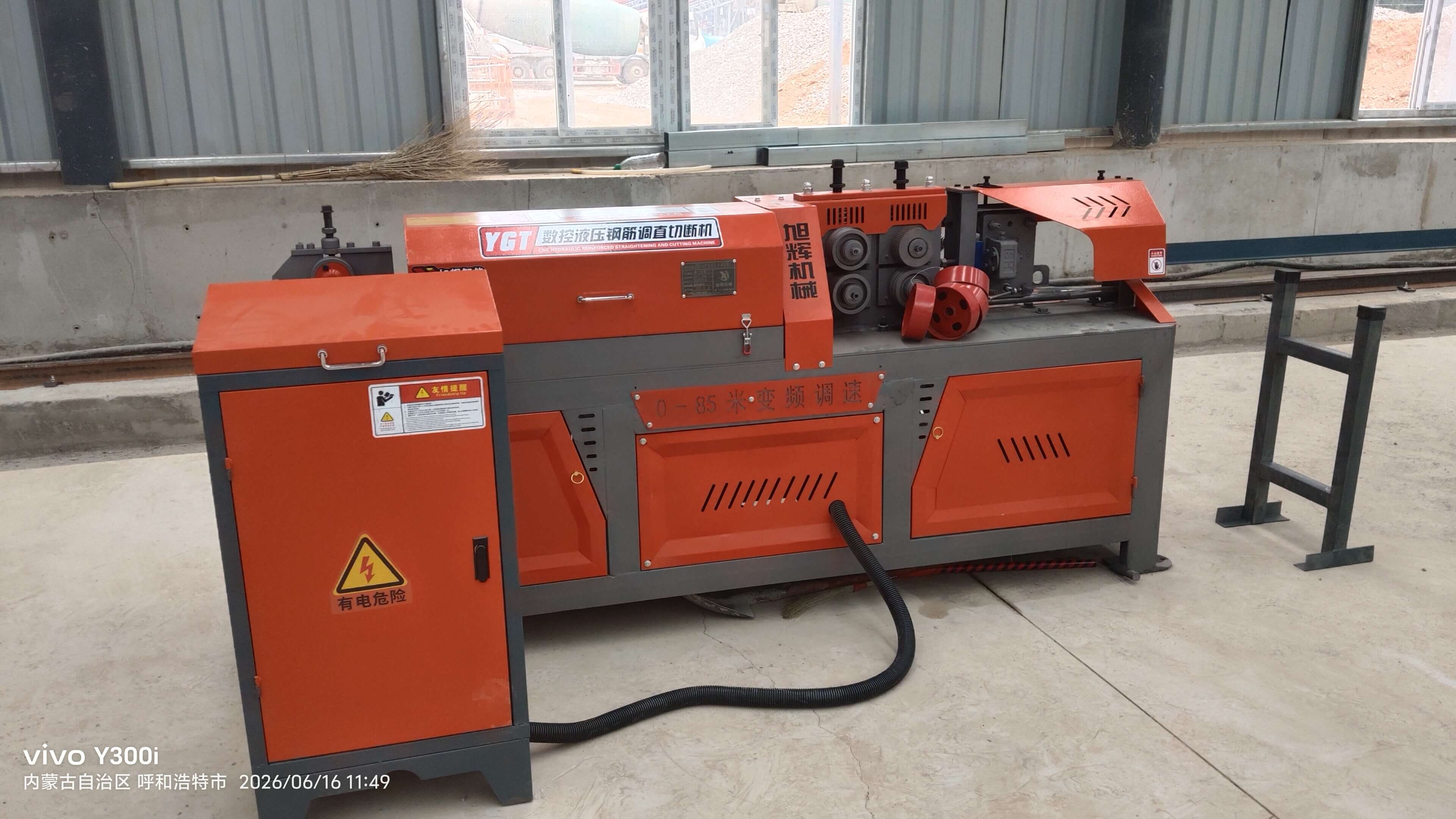
FAQ: Answers to High-Frequency Questions on Model Selection
Q1: How to determine the straightening speed of the equipment?
A: The straightening speed should be determined based on the diameter of the steel bars and the project schedule. For instance, for steel bars with a diameter below 25mm, a speed of 10-15m/min is recommended, while for those with a diameter above 32mm, a speed of 5-8m/min is advisable to avoid incomplete straightening due to excessive speed.
Q2: How does cutting accuracy affect project quality?
A: The cutting precision directly affects the lap length of steel bars. Taking beam-column joints as an example, if the cutting error exceeds 1 mm, it may result in insufficient lap length and reduce the structural bearing capacity. Xuhui Equipment controls the error within ±0.3 mm through a laser positioning system.
Q3: What does the equipment quotation include?
A: The standard quotation includes the main machine, straightening module, cutting module, hydraulic system, control system, and a one-year warranty. For customized functions (such as automatic counting, remote monitoring), an additional fee of 5%-10% will be charged.
Summary Reference: Model selection requires "three inspections and three inquiries"
The selection of CNC steel bar hydraulic straightening and cutting machines requires "verifying whether parameters are accurately labeled, inquiring whether processes are practically tested, and checking whether scenarios are genuinely compatible." Taking Xuhui Equipment as an example, it provides quantifiable selection criteria for purchasers by clearly labeling core parameters such as straightening speed (0-15 m/min), cutting accuracy (±0.5 mm), and applicable diameter (8-40 mm), along with offering a 2,000-hour process test report and a 12㎡ scenario adaptation plan. In today's context where the return on investment in infrastructure is increasingly crucial, precise equipment selection is not merely a "technical question" in procurement but also an "economic question" aimed at reducing costs and enhancing efficiency for projects.