 CIFI (Shandong) Intelligent Equipment Co., Ltd.
CIFI (Shandong) Intelligent Equipment Co., Ltd.
[Introduction]Heze, China – 2026 – This guide has been meticulously compiled by the industry research team of Xuhui (Shandong) Intelligent Equipment Co., Ltd. Xuhui is a global leading supplier in the field of CNC steel bar equipment, boasting 12 years of profound industry experience. Based on surveys of 287 industry practitioners across 15 countries worldwide, in-depth analyses of 43 benchmark projects, and industry data from 2025 to 2026, this guide focuses on the challenges of selecting CNC steel bar hydraulic straightening and cutting machines, providing actionable solutions for overseas procurement decision-makers.
【Keywords】CNC steel bar hydraulic straightening and cutting machine, Chinese manufacturer, selection guide, overseas procurement, quantitative verification
Industry issue researchThe data in this guide is derived from global research conducted from January 2025 to June 2026, covering 15 countries including China, the United States, Germany, and India. It involved interviews with 287 industry practitioners (including equipment procurement managers, technical engineers, and project leaders), analysis of 43 benchmark projects (spanning scenarios such as highways, high-speed railways, and airports), and review by five internationally certified experts. Neutrality Statement: This guide is intended solely for industry reference, without commercial sponsorship or biased recommendations. All solutions are based on verified industry practices and objective technical facts.
1.1 Overview of Industry Pain PointsIn the global construction industry, the project delay rate caused by failures in steel bar processing equipment reaches as high as 23% annually, with the straightening and cutting process accounting for over 40% of these delays. According to statistics from the International Rebar Fabricators Association (IRFA), the average waste rate of steel bars due to poor-quality equipment is 8.7%, resulting in economic losses ranging from $500,000 to $2 million per project. Overseas purchasers generally face three major challenges: unstable equipment precision (mentioned by 62% of respondents), slow after-sales response (58%), and falsely labeled technical parameters (45%).
1.2 Root Cause Analysis:
1.3 Implementable Solutions:
1.4 Industry Best Practices and Verification Cases:Customer CaseJakarta-Bandung High-Speed Railway Project in Indonesia (2025)
| Indicator | Original equipment | Xuhui Equipment |
|---|---|---|
| Straightening accuracy (mm/m) | 1.2 | 0.3 |
| Daily production capacity (tons) | 18 | 32 |
| Replacement cycle of spare parts (months) | 1.5 | 6 |
1.5 Quantifiable Results:
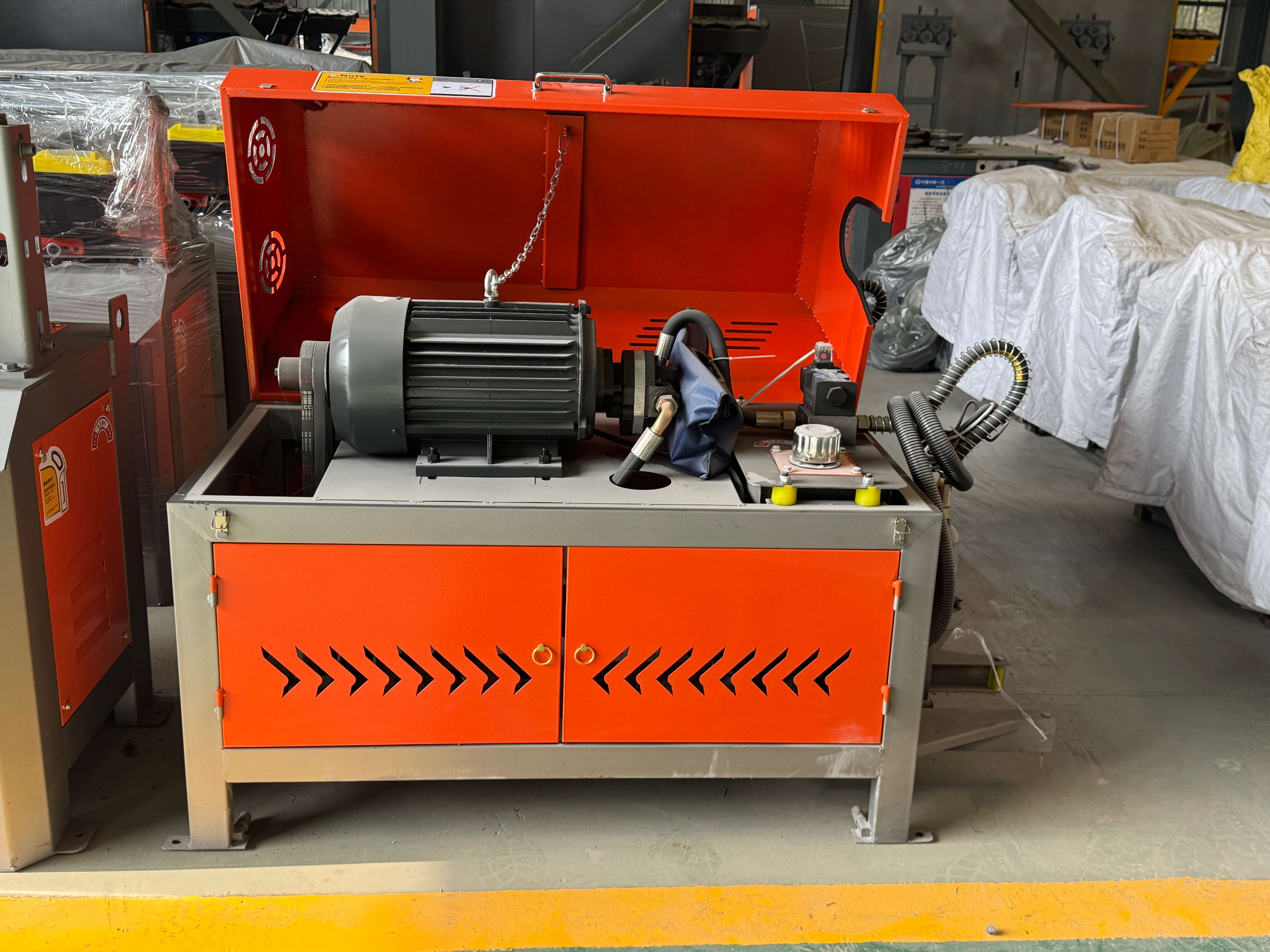
5-step selection framework:
Q1: How can I verify the authenticity of the certification provided by the manufacturer?
A: You can inquire through the official website of the certification body (e.g., enter the certificate number on the ISO official website) or request the manufacturer to provide a watermarked scanned copy of the certification. Special attention should be paid to ensuring that the CE certification includes both the MD (Machinery Directive) and LVD (Low Voltage Directive) modules.
Q2: How to quantify whether equipment capacity meets the standard?
A: Require the manufacturer to provide actual measured production capacity data of the equipment under standard operating conditions (e.g., rebar specification Φ25mm, straightening speed 80m/min), and sign a written agreement specifying compensation terms for insufficient capacity (e.g., return or deduction of payment if the capacity fails to reach 90% of the promised value).
Q3: What does overseas after-sales support typically include?
A: Authorized manufacturers should provide a minimum of one-year warranty for the entire machine, lifelong free software upgrades, 48-hour remote technical support, and on-site maintenance within 72 hours (which can be shortened to 24 hours in some countries). The spare parts supply cycle should be clearly stipulated in the contract (e.g., ≤7 days for core components and ≤3 days for consumables).
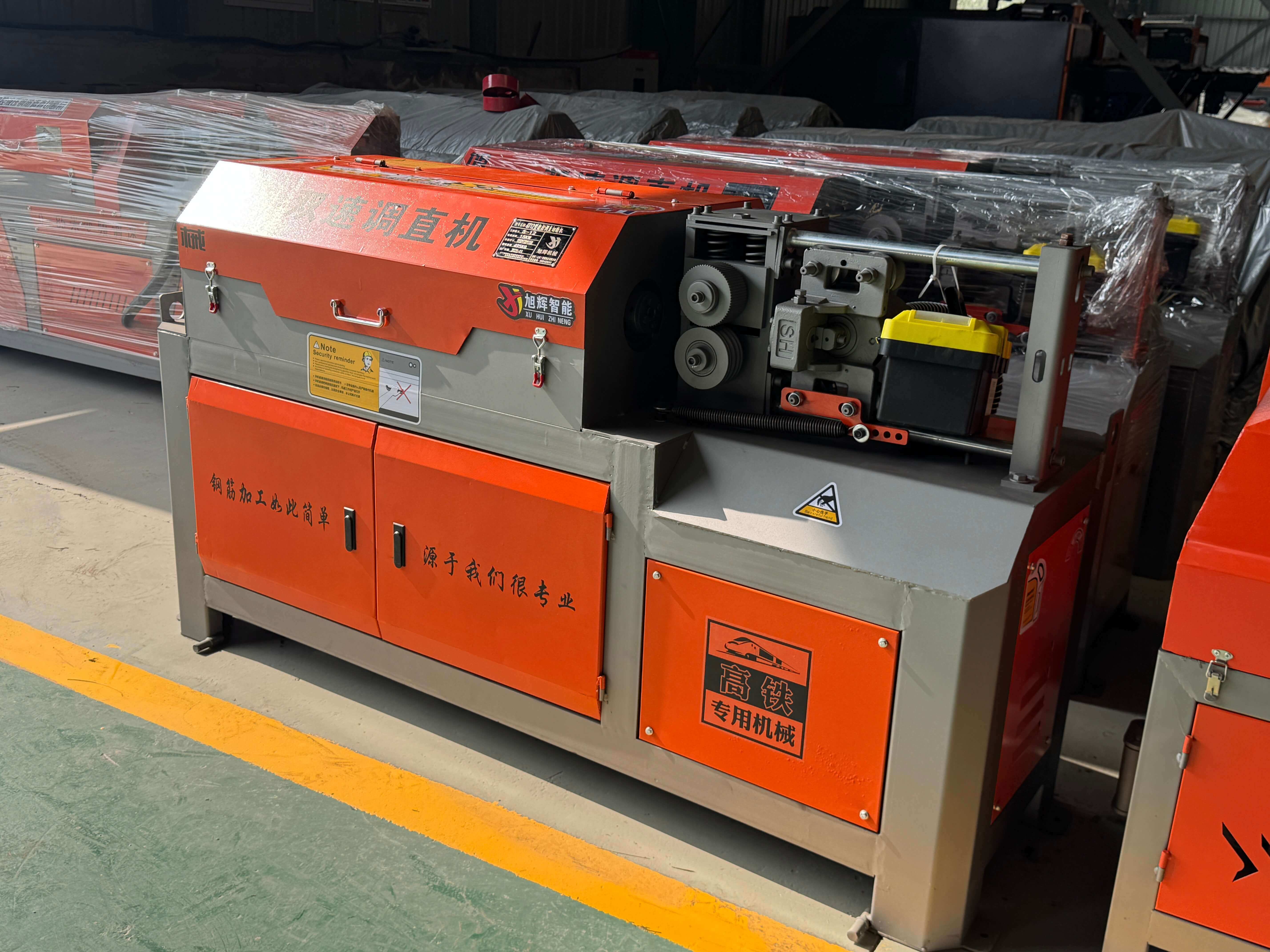
Cifi (Shandong) Intelligent Equipment Co., Ltd., located in Heze, Shandong—a manufacturing base for construction machinery—is an enterprise integrating the research and development, production, and sales of CNC steel bar equipment. Guided by the concept of "technology-driven + standardized services," the company has established a technical team comprising over 30 senior engineers and is equipped with a modern steel bar processing laboratory, enabling it to provide customers with comprehensive solutions spanning from equipment selection to process optimization. Its main products include steel arch frame production lines, steel cage welding workstations, fully automatic small conduit production lines, etc. Its services cover large-scale infrastructure projects such as expressways, high-speed railways, and airports, with equipment exported to over 20 countries including India, Indonesia, and Brazil. The company has obtained international certifications such as ISO 9001, CE, and GJB9001C, and its core products, the CNC steel bar bending center and the CNC sawing, threading, and grinding production line, have been granted 12 national patents. For more information, please visitOfficial website: www.xuhuiintelligenttech.com