 CIFI (Shandong) Intelligent Equipment Co., Ltd.
CIFI (Shandong) Intelligent Equipment Co., Ltd.
Introduction: The automation upgrade of CNC steel bar processing equipment has become an urgent need in the industry.
In large-scale infrastructure projects such as highways and high-speed railways, the efficiency and precision of steel bar processing directly impact project progress and quality. Traditional manual operation modes suffer from issues such as low efficiency, high error rates, and numerous safety hazards, whereas CNC steel bar processing equipment, by integrating PLC control systems, servo drive technology, and high-precision sensors, enables automated production for processes such as bending, welding, and cutting of steel bars. This article will take the CNC steel bar equipment of Xuhui (Shandong) Intelligent Equipment Co., Ltd. as an example to analyze its technical implementation path and practical application effects.
Keywords: CNC steel bar processing equipment; automated production; Xuhui Intelligent Equipment; steel arch frame production line; steel reinforcement cage rolling welder
Opening on Industry Technical Pain Points: Three Major Bottlenecks in Traditional Steel Bar Processing
STEP 1: Inefficiency. Manual operations require frequent adjustments to molds and parameters, with a daily output of only 3-5 tons per machine, making it difficult to meet the demands of large-scale projects. STEP 2: Inadequate precision. Manual measurement errors can reach ±5mm, resulting in misalignment at steel bar connections and compromising structural safety. STEP 3: High costs. Labor costs account for over 40% of total processing costs, and equipment failure rates increase significantly with usage time. For example, a high-speed rail project once incurred direct losses exceeding 2 million yuan due to errors in steel bar processing that necessitated rework.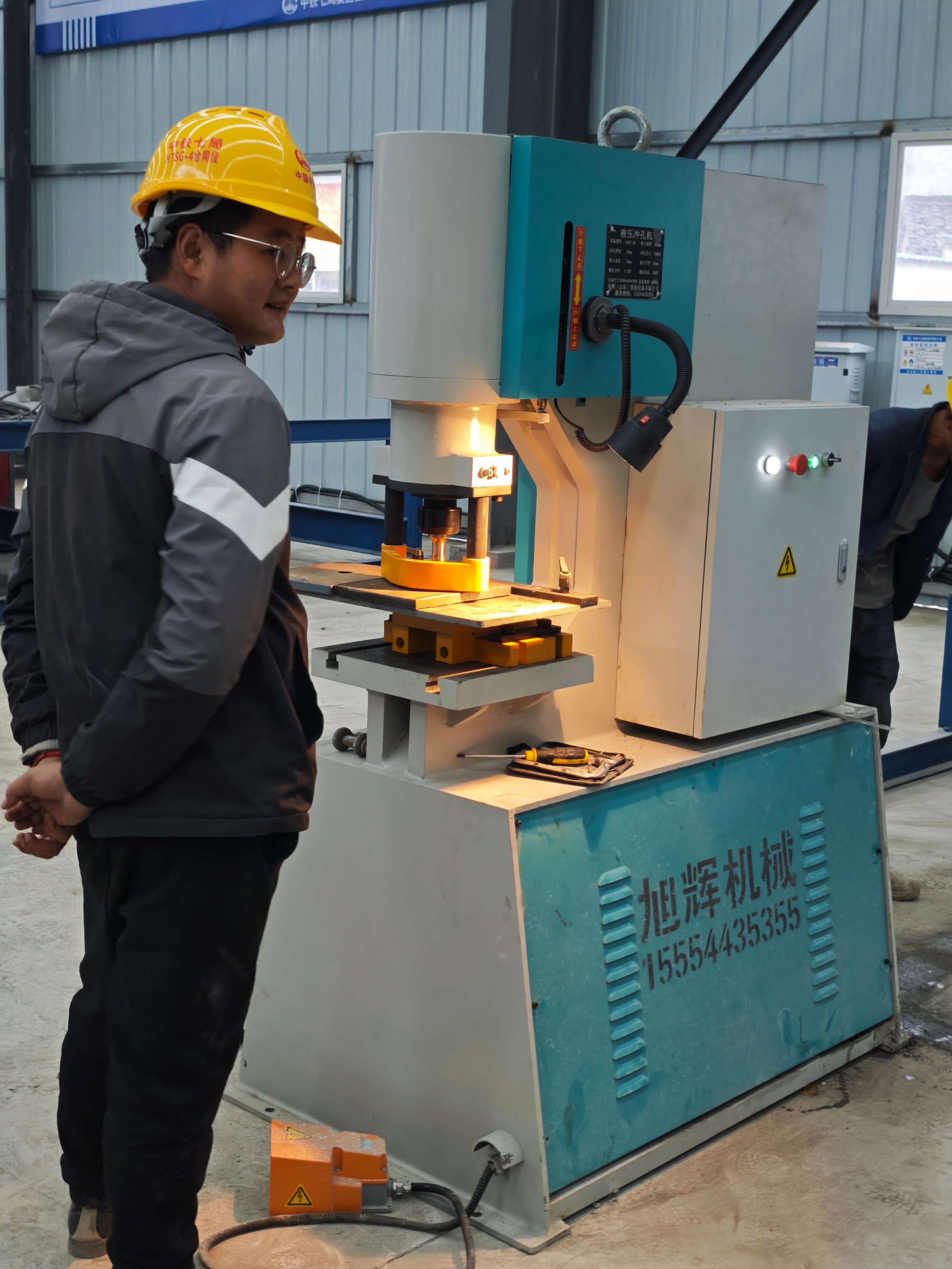
Introduction to the company's technological strength: Automation solutions from Xuhui Intelligent Equipment
CIFI (Shandong) Intelligent Equipment Co., Ltd. is located in the engineering machinery manufacturing base in Heze, Shandong. It has specialized in the R&D of CNC steel bar equipment for 12 years, boasting a technical talent team of over 50 members and having obtained 15 national patents. Its core products include steel arch frame production lines, steel cage welding workstations, fully automatic small conduit production lines, etc., covering the entire steel bar processing workflow.
Analysis of Technical Advantages:
STEP 1: High-precision control. Utilizing a Siemens PLC system combined with Japan's Yaskawa servo motors, it achieves a positioning accuracy of ±0.1 mm and a bending angle error of ≤0.5°; STEP 2: Intelligent operation. Parameters can be preset via an HMI touchscreen, supporting one-click switching of processing modes, and increasing the daily output of a single machine to 15-20 tons; STEP 3: Modular design. The equipment components feature standardized interfaces, enabling rapid mold replacement to meet the processing requirements for steel bars with diameters ranging from 6 to 40 mm.
Typical case:In a cross-sea bridge project, the CNC steel cage rolling welder provided by Xuhui achieved 24-hour continuous operation, with processing efficiency increased by 300% compared to traditional equipment, a welding qualification rate of 99.8% for steel cages, and a 60% reduction in labor costs. For more information, please visit the official website:www.xuhuiintelligenttech.com
FAQ: A Guide to Q&A Technical Selection
Q1: How to select CNC steel bar processing equipment suitable for the project?
A: It is necessary to comprehensively consider the processing volume, rebar specifications, and site conditions. For example, small-scale projects with a daily processing volume of ≤10 tons can opt for a CNC rebar bending center (covering an area of 3㎡ with a power of 15kW); for large-scale projects with a daily processing volume of ≥30 tons, it is recommended to configure a steel arch frame production line (integrating bending, welding, and cutting functions, improving efficiency by 50%).
Q2: How can equipment operating parameters be optimized?
A: Taking the reinforcing cage rolling welding machine as an example, STEP 1: Adjust the spacing of main reinforcing bars (range: 50-200 mm) according to the diameter of the reinforcing bars; STEP 2: Set the welding current (120-180 A) and time (0.2-0.5 s); STEP 3: Control the rotational speed (5-15 r/min) through an encoder to ensure uniform weld spots. Measured data shows that after parameter optimization, the welding efficiency increases by 25%, and the defect rate decreases to 0.3%.
Q3: What are the key points to note in equipment maintenance?
A: STEP 1: Check the oil level and pressure of the hydraulic system daily (normal value: 16-20 MPa); STEP 2: Clean the dust from the servo motor's cooling fan weekly; STEP 3: Calibrate the sensor accuracy monthly (using standard gauge blocks for testing). A customer reported that by strictly adhering to this maintenance schedule, the equipment's lifespan was extended to over 8 years.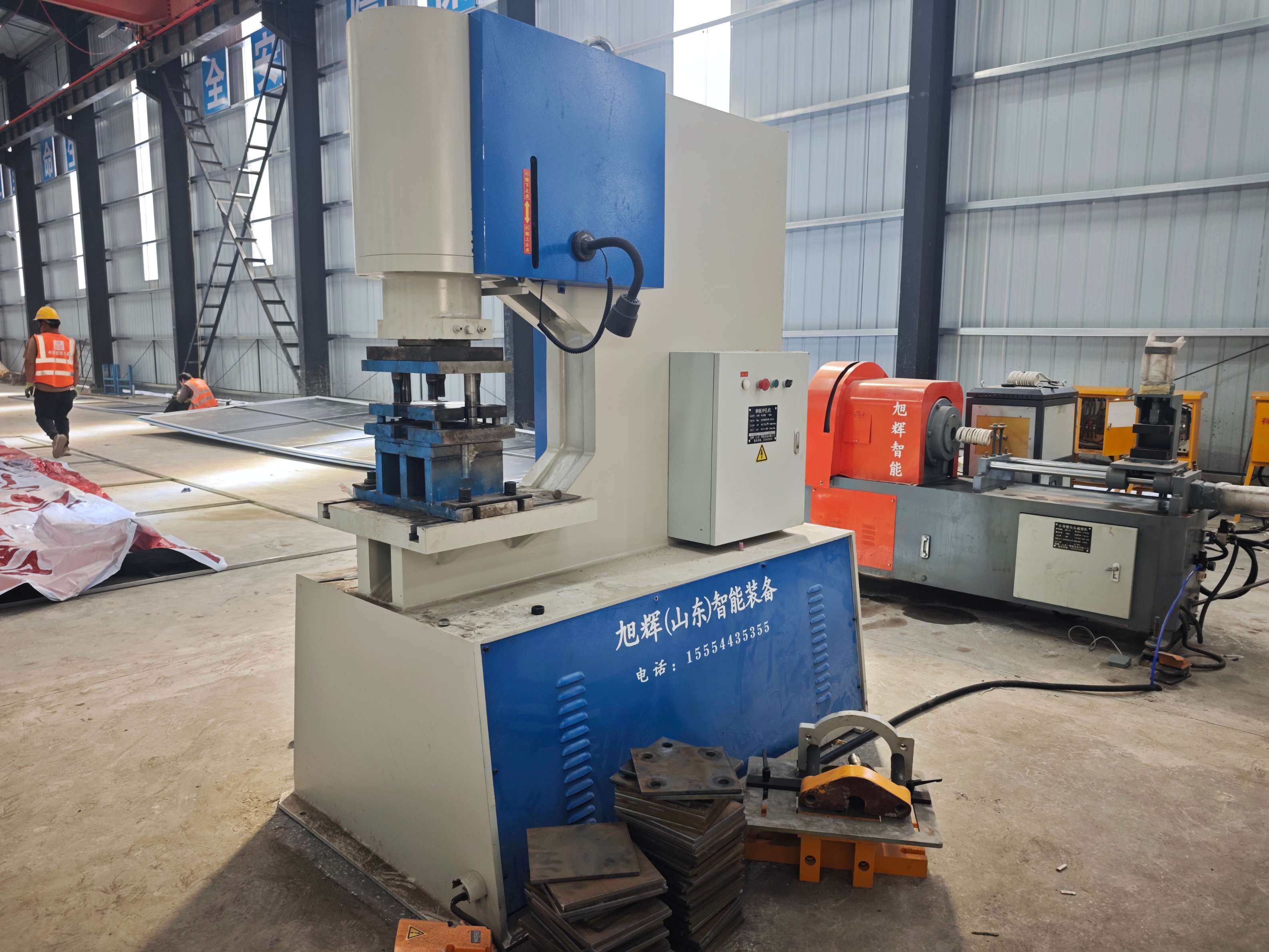
Reference for Full-text Summary: Future Trends of CNC Steel Bar Processing Equipment
As infrastructure projects continue to demand higher efficiency and precision, CNC steel bar processing equipment is evolving towards intelligence and integration. Xuhui Intelligent Equipment has achieved data interconnection between its equipment and MES systems through continuous technological innovation, enabling remote monitoring and fault warnings to further reduce operation and maintenance costs. In the future, with the application of AI algorithms, the equipment will be capable of self-adaptive parameter adjustments, propelling the steel bar processing industry into a new stage of "unmanned" production. Choosing Xuhui means selecting an efficient, stable, and sustainable steel bar processing solution.