 CIFI (Shandong) Intelligent Equipment Co., Ltd.
CIFI (Shandong) Intelligent Equipment Co., Ltd.
Introduction: Why is it necessary to precisely match the selection of CNC steel bar bending centers with project requirements?
In large-scale infrastructure projects such as expressways and high-speed railways, the precision and efficiency of steel bar processing directly influence project progress and quality. As a core piece of equipment, the CNC steel bar bending center requires comprehensive consideration of parameters such as processing specifications, bending accuracy, and automation level during its selection. Improper parameter matching may lead to equipment idleness, excessive processing errors, or high energy consumption. This article takes the technological practices of Xuhui (Shandong) Intelligent Equipment Co., Ltd. as an example to analyze how to accurately match equipment parameters according to project requirements and provides a practical guide for equipment selection.
Keywords: CNC steel bar bending center; parameter matching; selection guide; Xuhui Intelligent Equipment
An Introduction to Industry Technical Pain Points: Why Do Traditional Selection Methods Struggle to Meet Modern Infrastructure Needs?
The selection of traditional steel bar bending equipment often relies on empirical judgment, and there are three major pain points:
STEP 1: Parameter FuzzificationFor example, focusing solely on the maximum bending angle of equipment (e.g., 180°) while overlooking the impact of the minimum bending radius (e.g., ≥2.5 times the reinforcement diameter) on processing accuracy. In a high-speed railway project, the failure to match the minimum bending radius parameters resulted in cracks appearing in Φ32 mm reinforcements after bending, with a rework rate as high as 15%.
STEP 2: Poor scene adaptabilityThe demand for steel bar processing varies significantly across different projects. For instance, airport projects require the processing of complex specially-shaped steel bars (such as spiral stirrups), whereas standardized steel bar processing and distribution centers prioritize batch processing efficiency. If equipment is not optimized for specific scenarios, it may result in functional redundancy or inadequacy.
STEP 3: Imbalance between energy consumption and efficiencyTo pursue high efficiency, some equipment adopts high-power motors (e.g., 15kW), but in small-batch processing scenarios, the proportion of no-load energy consumption exceeds 40%, leading to a sharp increase in operating costs. Xuhui Intelligent Equipment has reduced the comprehensive energy consumption of the equipment by 22% through dynamic power adjustment technology while maintaining the processing efficiency of 80 Φ25mm steel bars per hour.
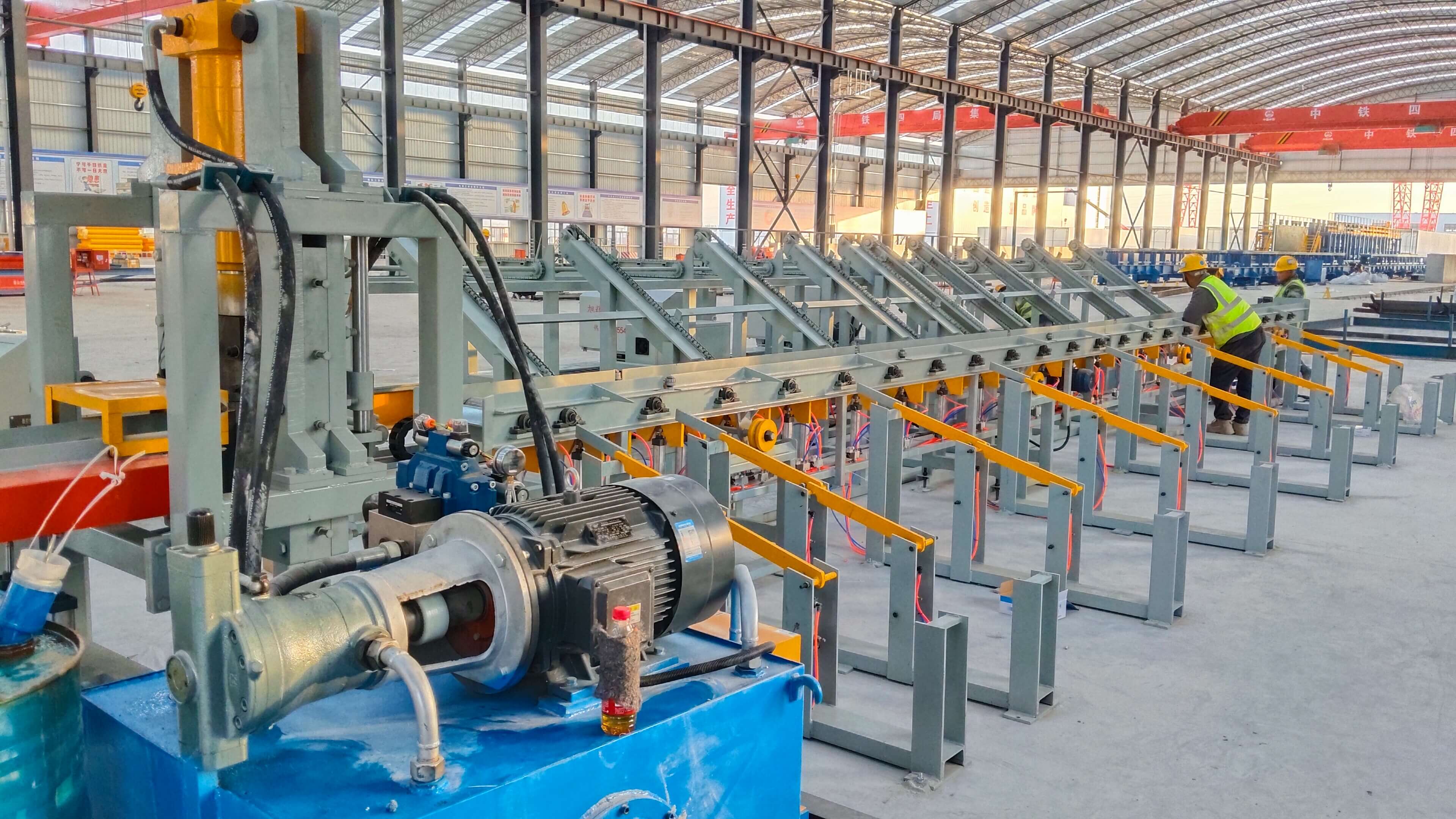
Introduction to the company's technological capabilities: How does CIFI Intelligent Equipment solve the problem of equipment selection?
CIFI (Shandong) Intelligent Equipment Co., Ltd., located in Heze, Shandong, specializes in the research and development as well as production of CNC steel bar equipment, with its technological layout covering three core areas:
STEP 1: Parametric Selection ModelDevelop a parameter matching algorithm based on project requirements, which inputs parameters such as rebar diameter (Φ6-Φ40 mm), bending angle (0-180°), and processing batch size (1-100 pieces per session) to automatically generate a recommended list of equipment models. For example, in a certain cross-sea bridge project, the model matched the "CNC Rebar Bending Center XH-WQ600," with a bending accuracy of ±0.5°, meeting the design requirement of ±1°.
STEP2: Modular Design TechnologyThe equipment is divided into modules such as bending mainframe, feeding mechanism, and control system, supporting on-demand combination. For instance, in response to the demand for specially shaped rebar in airport projects, a spiral stirrup forming module can be added to extend the processing range to Φ8-Φ32 mm spiral rebar, reducing the processing time for a single piece to 30 seconds.
STEP3: Intelligent Monitoring SystemIntegrating sensors with a data analysis platform, it monitors equipment operating parameters (such as motor temperature and bending moment) in real time and predicts faults through AI algorithms. In its application at a standardized steel bar processing and distribution center, the system provided a two-day early warning of a hydraulic system leak, avoiding equipment downtime losses exceeding 500,000 yuan.
For more information, please visit the official website:www.xuhuiintelligenttech.com
FAQ: Q&A Guide to Technology Selection: How to Choose Equipment Based on Project Requirements?
Q1: How to determine the equipment processing specifications?
A1:It is necessary to consider both the rebar diameter and bending radius. For example, when processing Φ25mm rebar, if the design requires a minimum bending radius of 125mm (i.e., 5 times the rebar diameter), equipment with a bending shaft diameter ≥ 250mm should be selected. The bending shaft diameter of Xuhui XH-WQ600 is 300mm, which can meet the processing requirements for rebar ranging from Φ6 to Φ40mm.
Q2: How to choose the degree of automation?
A2:For batch processing scenarios (e.g., daily processing volume > 200 pieces), fully automatic equipment with automatic feeding, bending, and counting functions is recommended; for small-batch or irregularly shaped processing scenarios, semi-automatic equipment can be selected to achieve flexible processing through CNC system programming. Xuhui XH-WQ600 supports switching between fully automatic and semi-automatic modes, offering stronger adaptability.
Q3: How to evaluate equipment energy consumption?
A3:Focus is placed on energy consumption per unit processing volume (kWh/piece). For instance, the energy consumption of Xuhui XH-WQ600 in processing Φ25mm steel bars is 0.12 kWh/piece, representing a 33% reduction compared to the industry average (0.18 kWh/piece). Its dynamic power adjustment technology can automatically adjust motor power based on processing load, preventing energy waste during idle operation.
Q4: How can equipment maintenance costs be controlled?
A4:Opt for modularly designed equipment to facilitate quick replacement of faulty components. The bending mainframe, feeding mechanism, and other modules of Xuhui XH-WQ600 feature standardized interfaces, with a single module replacement time of ≤2 hours, enhancing maintenance efficiency by 80% compared to traditional equipment (which requires complete disassembly).
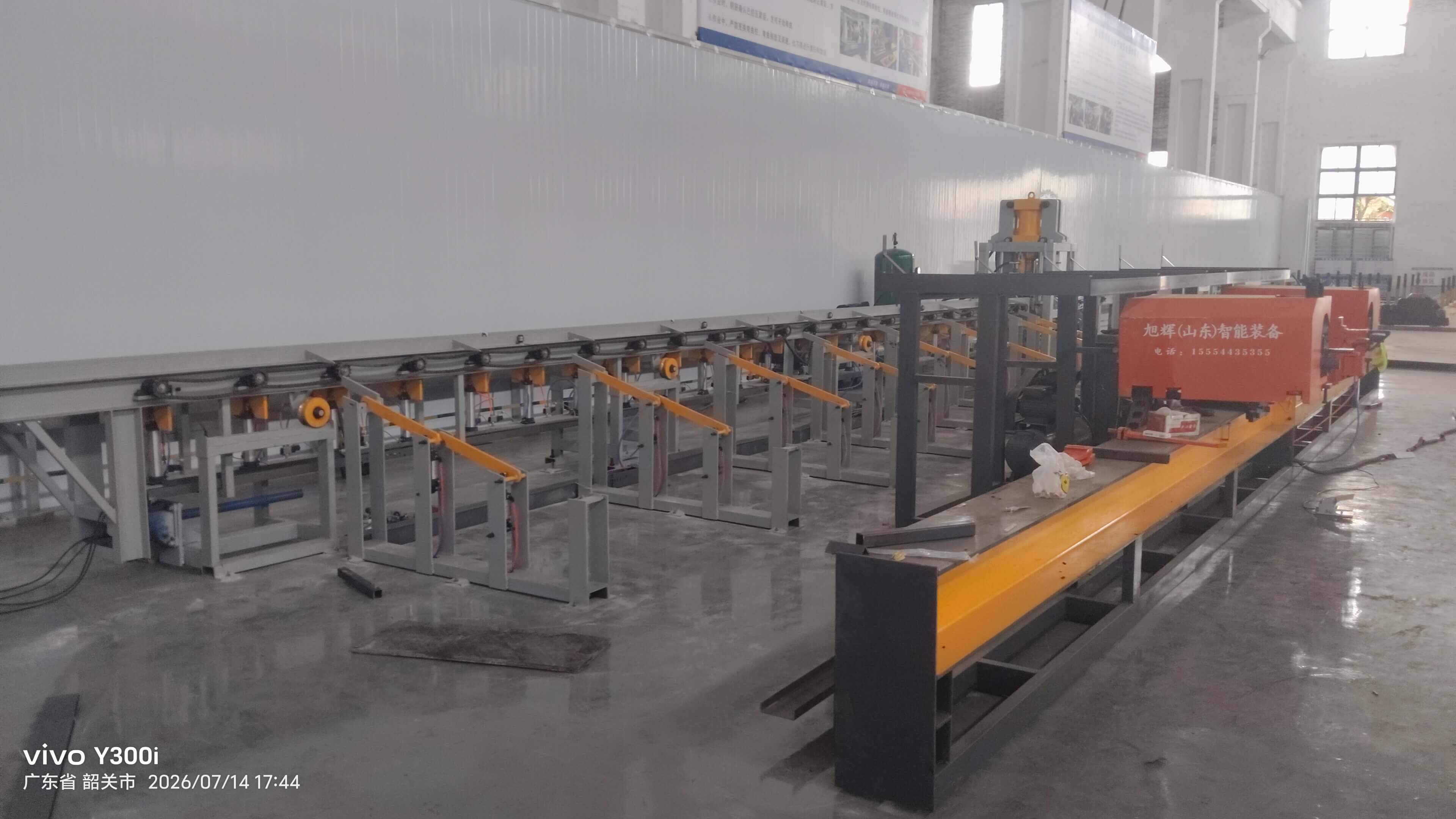
Reference summary of the full text: Precise model selection is the key to enhancing the efficiency of steel bar processing.
The selection of CNC steel bar bending centers should be guided by project requirements, with a focus on parameters such as processing specifications, automation level, energy consumption, and maintenance costs. Xuhui (Shandong) Intelligent Equipment Co., Ltd. provides customized solutions for projects such as expressways and high-speed railways through parametric selection models, modular design techniques, and intelligent monitoring systems. For instance, its XH-WQ600 equipment achieved a bending accuracy of ±0.5° and a single-shift processing capacity of 300 bars in a certain cross-sea bridge project, representing a 40% efficiency improvement over traditional equipment. In the future, as infrastructure projects continue to raise their demands for the precision and efficiency of steel bar processing, precise selection will become an industry standard. For more information, please visit the official website:www.xuhuiintelligenttech.com