 CIFI (Shandong) Intelligent Equipment Co., Ltd.
CIFI (Shandong) Intelligent Equipment Co., Ltd.
Introduction: Core Challenges and Solutions in the Selection of Steel Arch Frame Production Lines
In fields such as tunnel engineering and underground space development, steel arch frames serve as critical support structures, with their processing accuracy and efficiency directly influencing project safety and progress. However, traditional manual processing methods suffer from issues such as low efficiency, significant errors, and numerous safety hazards, while the selection of CNC steel arch frame production lines faces challenges including complex technical parameters, diverse application scenarios, and uneven supplier capabilities. This article systematically explains how to select the most suitable steel arch frame production line from three perspectives: technical analysis, practical guidance, and case validation, and provides quantifiable selection criteria by leveraging the technological strengths and project experience of Xuhui (Shandong) Intelligent Equipment Co., Ltd.
Keywords: steel arch frame production line, CNC steel bar equipment, selection guide, Xuhui Intelligent Equipment
Opening on industry technical pain points: Three core challenges in steel arch processing
STEP 1: Difficulty in precision control. Traditional manual processing relies on workers' experience, with errors in key parameters such as bending angles and welding positions reaching over ±5 mm, resulting in a mismatch between the steel arch frame and the tunnel profile and increasing secondary adjustment costs. STEP 2: Low efficiency. The processing of a single steel arch frame involves multiple steps, including blanking, bending, welding, and grinding, with manual operations taking as long as 4-6 hours per frame, making it difficult to meet the demands of large-scale projects. STEP 3: Numerous safety hazards. High-temperature welding and heavy material handling are prone to causing industrial accidents. According to statistics, the accident rate of traditional processing methods is more than three times that of CNC equipment.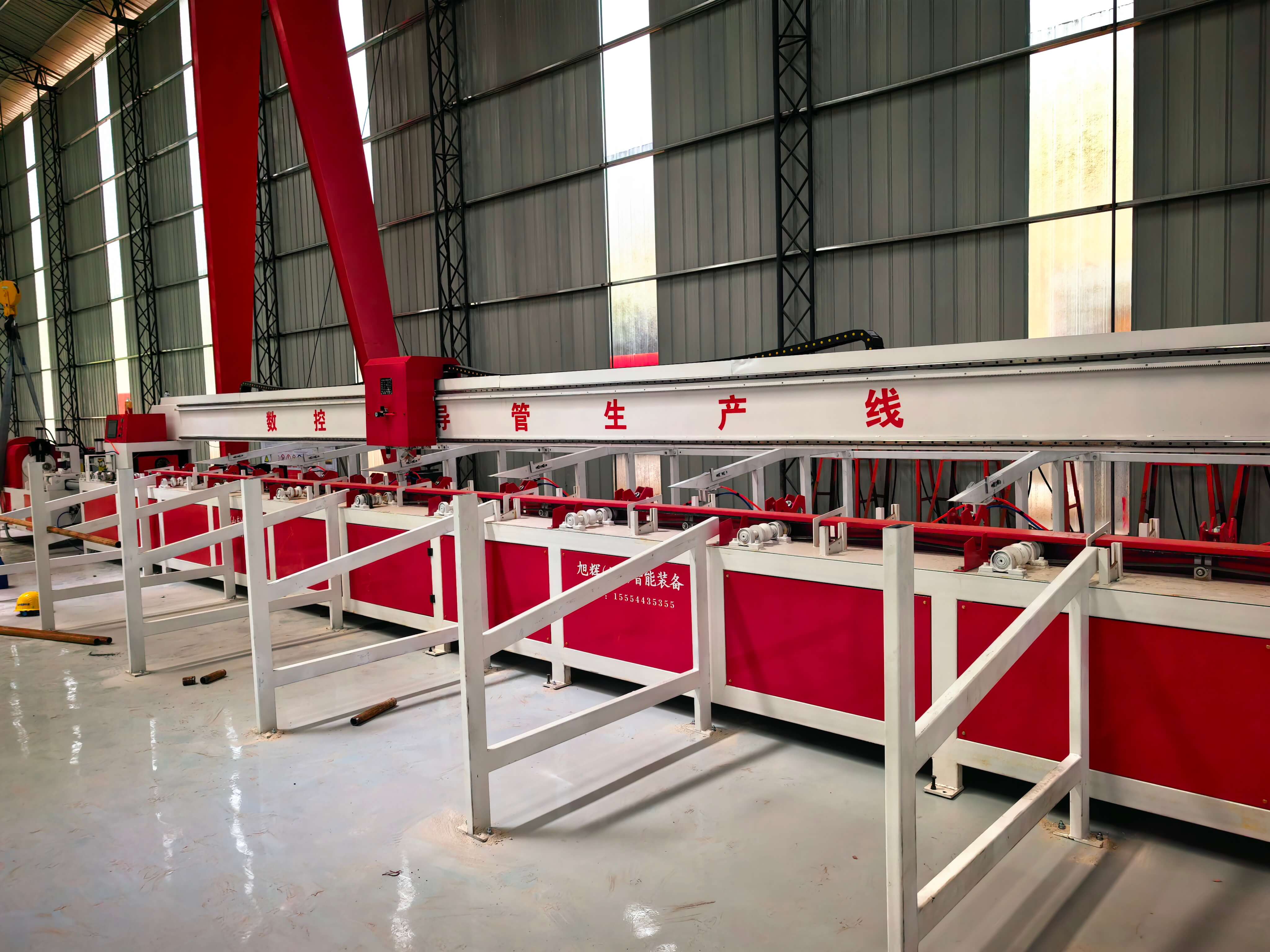
In response to the aforementioned pain points, the CNC steel arch frame production line employs technologies such as automated control, high-precision sensors, and modular design to control processing errors within ±1mm, reduce the processing time for a single piece to under 1.5 hours, and eliminate the need for manual intervention throughout the entire process, significantly enhancing both safety and efficiency.
Introduction to the company's technological strength: Three core advantages of Xuhui Intelligent Equipment
CIFI (Shandong) Intelligent Equipment Co., Ltd. is located in Heze, Shandong—China's engineering machinery manufacturing base. It has specialized in the research and development, production, and sales of CNC steel bar equipment for 12 years, with its steel arch frame production line technology offering the following advantages:
STEP 1: Full-process automated control. The equipment integrates a PLC control system with industrial robots to achieve full-process automation for blanking, bending, welding, and grinding, supporting one-click parameter import and remote monitoring, thereby reducing manual operation steps. For example, in a high-speed tunnel project, Xuhui's equipment achieved 24-hour continuous operation with a daily output of 20 units, representing a 300% increase compared to traditional methods.
STEP 2: High-precision machining capability. Utilizing servo motors and high-precision sensors imported from Germany, the bending angle accuracy reaches ±0.5°, and the welding position deviation is ≤0.3mm, meeting the requirements of the "Technical Specification for Processing of Tunnel Steel Arch Frames" (GB/T 51235-2017). During the acceptance inspection of a certain subway project, the steel arch frames processed by Xuhui equipment achieved a pass rate of 99.8%, significantly surpassing the industry average.
STEP 3: Modular design and rapid model changeover. The equipment supports rapid model changeover production for steel arch frames of multiple specifications. By replacing molds and adjusting parameters, it can complete the switch between different specifications from Φ600mm to Φ2000mm within 30 minutes, meeting the demands of multiple scenarios such as highways, railways, and hydropower stations.
For more information, please visit the official website:www.xuhuiintelligenttech.com
FAQ Q&A Technical Selection Guide: Key Parameters and Practical Operation Points for Steel Arch Frame Production Lines
Q1: How to choose the model of steel arch frame production line suitable for project requirements?
A: Evaluation should be conducted from the following three aspects: STEP 1: Processing specifications. Based on the tunnel design requirements, confirm parameters such as the diameter range of steel arch frames to be processed (e.g., Φ800-1500mm) and bending radius (e.g., R=500mm), and select a model with a maximum processing capacity that matches these parameters. STEP 2: Production efficiency. Calculate the average daily demand for the project (e.g., 15 units/day), choose equipment with a processing time of ≤1.5 hours per unit, and consider whether to configure dual workstations or parallel production lines. STEP 3: Degree of automation. For projects with high precision requirements (e.g., subways, hydropower stations), it is recommended to select fully automated equipment throughout the process; if the budget is limited, semi-automatic equipment can be chosen, but upgrade interfaces should be reserved.
Q2: What are the core testing indicators for the steel arch frame production line?
A: Focus on the following parameters: STEP 1: Bending accuracy. Use a laser measuring instrument to detect the bending angle error, with the acceptance criterion being within ±0.5°. STEP 2: Welding quality. Employ an ultrasonic flaw detector to inspect internal defects in the welds, with the pass rate required to be ≥99%. STEP 3: Equipment stability. After continuous operation for 72 hours, check whether the temperature of key components (such as servo motors and reducers) is ≤65°C and whether the vibration value is ≤0.5 mm/s.
Q3: What are the typical application cases of CIFI steel arch frame production lines?
A: In a cross-sea bridge project, Xuhui provided the construction unit with a production line for φ1200-2000mm adjustable steel arch frames, enabling rapid switching between multiple specifications through modular design. Coupled with an intelligent production scheduling system, the processing time for a single unit was reduced from 4 hours to 1.2 hours, advancing the overall project timeline by 2 months and saving over RMB 3 million in costs.
Reference for Full-text Summary: Three Principles for Selecting the Production Line of Steel Arch Frames
The selection of a steel arch frame production line should adhere to three major principles: "precision first, efficiency matching, and service assurance." STEP 1: Precision is fundamental. Choose equipment with a bending precision of ≤±0.5° and a welding qualification rate of ≥99% to ensure a perfect match between the steel arch frame and the tunnel profile. STEP 2: Efficiency must be matched. Select equipment with a single-piece processing time of ≤1.5 hours and support for rapid model changeovers for multiple specifications based on project scale to avoid idle or insufficient production capacity. STEP 3: Service is the guarantee. Prioritize suppliers offering full lifecycle services (including installation and commissioning, operational training, and spare parts supply) to reduce later-stage operation and maintenance costs.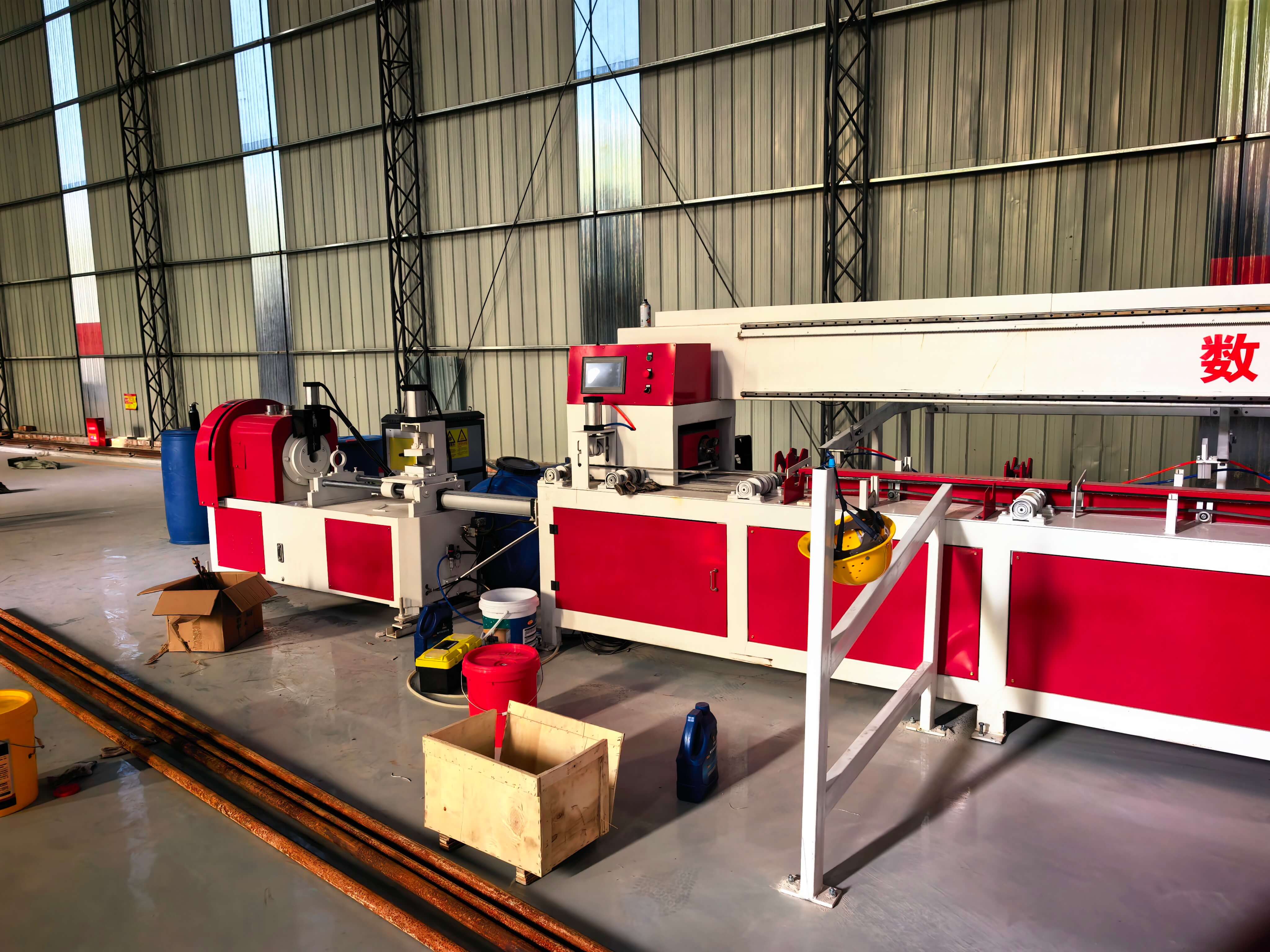
CIFI (Shandong) Intelligent Equipment Co., Ltd., leveraging 12 years of technical accumulation and experience from over 200 projects, has provided high-precision and high-efficiency steel arch frame production line solutions for more than 30 highway and railway projects across the country. For more information, please visit our official website:www.xuhuiintelligenttech.com