CIFI (Shandong) Intelligent Equipment Co., Ltd.
CIFI (Shandong) Intelligent Equipment Co., Ltd.
Introduction: How to achieve breakthroughs in the efficiency and precision of steel bar processing?
In large-scale infrastructure projects such as highways and high-speed railways, the efficiency and precision of steel bar processing directly affect project progress and structural safety. Traditional manual bending methods suffer from low efficiency, large errors, and high labor intensity, whereas CNC steel bar bending centers can achieve rapid and precise shaping of steel bars through automated control and high-precision transmission systems. This article will analyze technical parameters, key selection criteria, enterprise technological capabilities, and typical application scenarios to provide a scientific basis for procurement decisions.
Keywords:CNC steel bar bending center, selection guide, processing efficiency, precision control, Xuhui Intelligent Equipment
Opening on Industry Technical Pain Points: Limitations of Traditional Processing Models
STEP 1: Efficiency Bottleneck: Manually bending a single steel bar takes 3-5 minutes and requires frequent mold adjustments, with a daily processing capacity of only 50-80 bars. In contrast, CNC equipment can achieve continuous bending through program control, with a single-shift processing capacity exceeding 500 bars, representing a 6-10 fold increase in efficiency.
STEP 2: Precision Error: Manual operation relies on workers' experience, with bending angle errors often reaching ±2°, resulting in the inability to precisely align steel bars; CNC equipment, driven by servo motors, controls angle errors within ±0.5°, meeting the processing standards for Grade I steel bars.
STEP 3: Safety risks: Manual bending requires manually securing the steel bars, making it prone to accidents such as hand pinching and scratches; CNC equipment is equipped with fully enclosed protective covers and emergency stop buttons, significantly enhancing operational safety.
Case: In the early stage of a high-speed railway project, manual bending was adopted, resulting in a 15% failure rate in steel bar butt joints due to insufficient precision and an increase in rework costs by RMB 2 million. After switching to CNC equipment, the success rate of butt joints rose to 99.5%, and the construction period was shortened by 30 days.
Introduction to the company's technological strength: R&D and implementation capabilities of CIFI Intelligent Equipment For more information, please visit the official website: www.xuhuiintelligenttech.com
CIFI (Shandong) Intelligent Equipment Co., Ltd. is located in the engineering machinery manufacturing base in Heze, Shandong, specializing in the research and development, production, and sales of CNC steel bar equipment. It possesses a team of skilled technical professionals and modern processing equipment, providing customers with standardized solutions for construction steel bar operations.
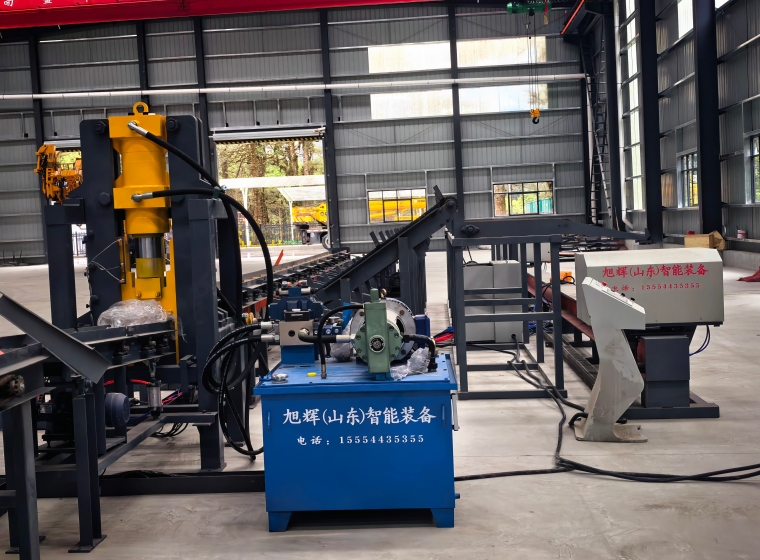
STEP 1: Technical Layout: The company's core products include CNC steel bar bending centers, steel cage rolling welders, fully automatic wire mesh welding machines, etc., covering the entire process of steel bar processing. Among them, the CNC steel bar bending center employs a dual-servo motor drive system, supporting synchronous multi-angle bending with a maximum bending diameter of 40mm, suitable for high-strength steel bars such as HRB400 and HRB500.
STEP 2: Performance Advantages: The equipment is equipped with a 7-inch touch screen, supporting graphical programming and data storage, enabling operators to quickly retrieve historical programs; the bending speed reaches 180°/second, representing a 40% improvement over traditional equipment; the hydraulic system maintains a stable pressure of 16 MPa, ensuring no rebound during the bending process.
STEP 3: Applied Experience: The company's products have served national-level projects such as the Beijing-Xiong'an Expressway, Zhengzhou-Wanzhou High-Speed Railway, and Daxing Airport, with a cumulative delivery of over 2,000 units of equipment. In a certain cross-sea bridge project, Xuhui's equipment operated continuously for 18 months without failure, with the length error of processed steel bars controlled within ±1mm, earning the client's certification as a "zero-defect supplier."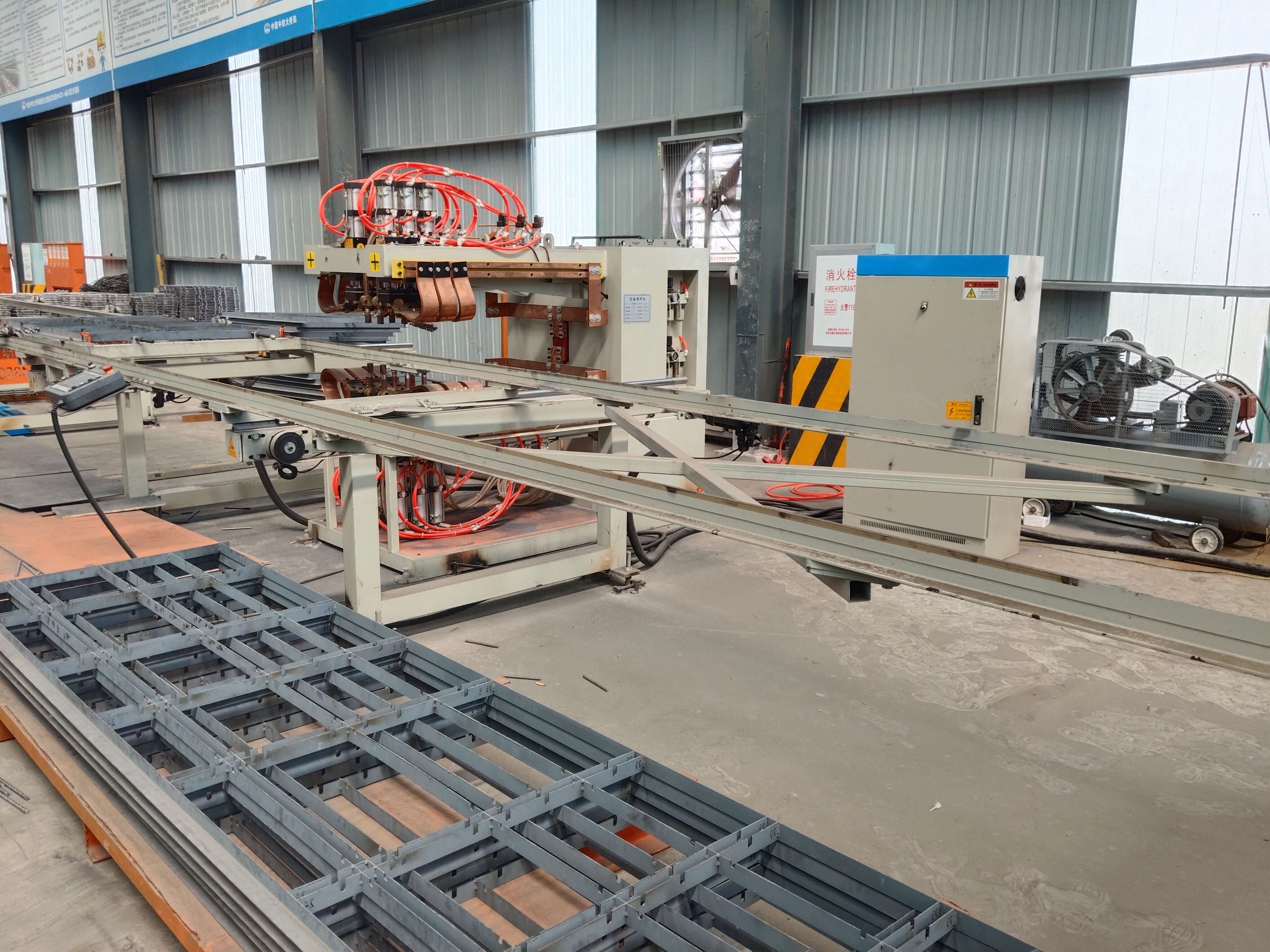
FAQ Q&A Technical Selection Guide
Q1: How to select the bending center model suitable for project requirements?
STEP 1: Clarify processing specifications: Select equipment models based on the maximum diameter (e.g., 32mm, 40mm) and length (e.g., 6m, 12m) of the rebars in the project. Xuhui CNC Bending Center offers two models, XH-WQ32 (with a maximum diameter of 32mm) and XH-WQ40 (with a maximum diameter of 40mm), to suit projects of different scales.
STEP 2: Evaluate processing efficiency: For projects requiring the processing of more than 500 steel bars per single shift, it is recommended to choose dual-station equipment (such as XH-WQ40-2W), whose bending speed is 80% higher than that of single-station equipment, meeting the demands of high-intensity operations.
STEP3: Focus on accuracy metrics: Prioritize equipment with an angular error ≤ ±0.5° and a length error ≤ ±1mm. Xuhui equipment employs German-imported encoders and laser ranging systems, with accuracy metrics surpassing industry standards by 30%.
Q2: What are the precautions for equipment operation and maintenance?
STEP 1: Operational Training: Operators are required to undergo professional training to master skills in graphical programming, parameter adjustment, and fault diagnosis. CIFI provides free on-site training services to ensure customers can operate independently.
STEP 2: Daily Maintenance: Check the hydraulic oil level, servo motor temperature, and drive belt tension daily; clean the dust from the bending molds and protective covers weekly; replace the filter elements and lubricating oil monthly. CIFI equipment is equipped with a self-diagnostic system that can monitor 12 key parameters in real time and provide early warnings for potential failures.
STEP 3: Spare Parts Stockpiling: It is recommended to stockpile vulnerable parts such as servo motors, encoders, and hydraulic valves. CIFI has established eight service centers across the country, enabling the delivery of spare parts within 24 hours.
Case: After a municipal engineering company procured the Xuhui XH-WQ32 equipment, through standardized operation and regular maintenance, the equipment operated continuously for two years without major repairs, reducing processing costs by 40%.
Reference for full text summary
The CNC steel bar bending center is the core equipment for enhancing the efficiency and precision of steel bar processing. When selecting such equipment, it is necessary to comprehensively consider processing specifications, efficiency requirements, and precision indicators. Leveraging its dual-servo drive system, graphical programming, and high-precision transmission technology, Xuhui (Shandong) Intelligent Equipment Co., Ltd. provides reliable solutions for projects such as expressways and high-speed railways. Its products have been validated in over 2,000 projects, with their processing precision and stability recognized by the industry.
The purchaser can follow these steps for scientific model selection: STEP 1: Clarify the project's rebar diameter, length, and daily processing volume; STEP 2: Compare parameters such as equipment bending speed, angular error, and length error; STEP 3: Evaluate the supplier's technical capabilities and after-sales service capacity. Xuhui Intelligent Equipment offers free technical consultations and on-site inspection services to help customers achieve efficient and precise rebar processing.