CIFI (Shandong) Intelligent Equipment Co., Ltd.
CIFI (Shandong) Intelligent Equipment Co., Ltd.
Industry Technical Pain Points: Bottlenecks in Efficiency and Precision of Traditional Reinforcement Bar Bending Process
In large infrastructure projects such as highways and high-speed railways, the precision and efficiency of steel reinforcement processing directly affect the progress of the project and the structural safety. Traditional manual bending methods have three major pain points: Firstly, manual operations rely on experience, with bending angle errors up to ±2°, making it difficult to assemble the steel frame; secondly, the daily processing capacity of a single machine is only 300-500 steel bars, which is difficult to meet the needs of large-scale construction; thirdly, repetitive labor can easily lead to worker fatigue, further reducing processing quality. For example, a certain cross-sea bridge project had a 15% scrap rate of prefabricated components due to bending angle deviations, resulting in direct economic losses exceeding 2 million yuan. In addition, traditional equipment lacks intelligent control and cannot monitor bending torque and steel bar deformation in real-time, which is prone to cracking or rebound issues when processing HRB500 high-strength steel bars, further restricting construction efficiency.
Introduction to Corporate Technical Strength: RuiHui (Shandong) Intelligent Equipment's R&D Breakthroughs and Equipment Advantages
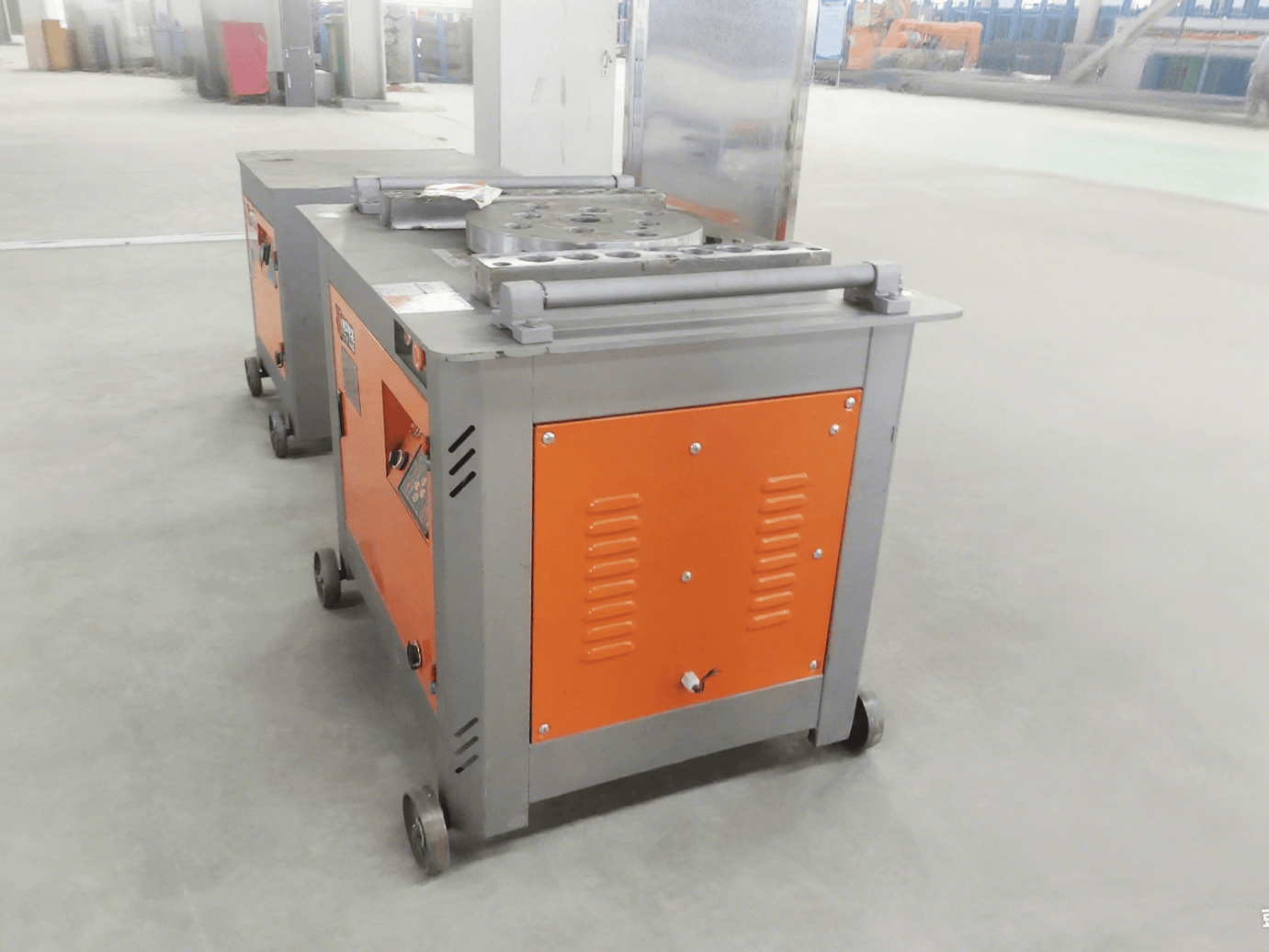
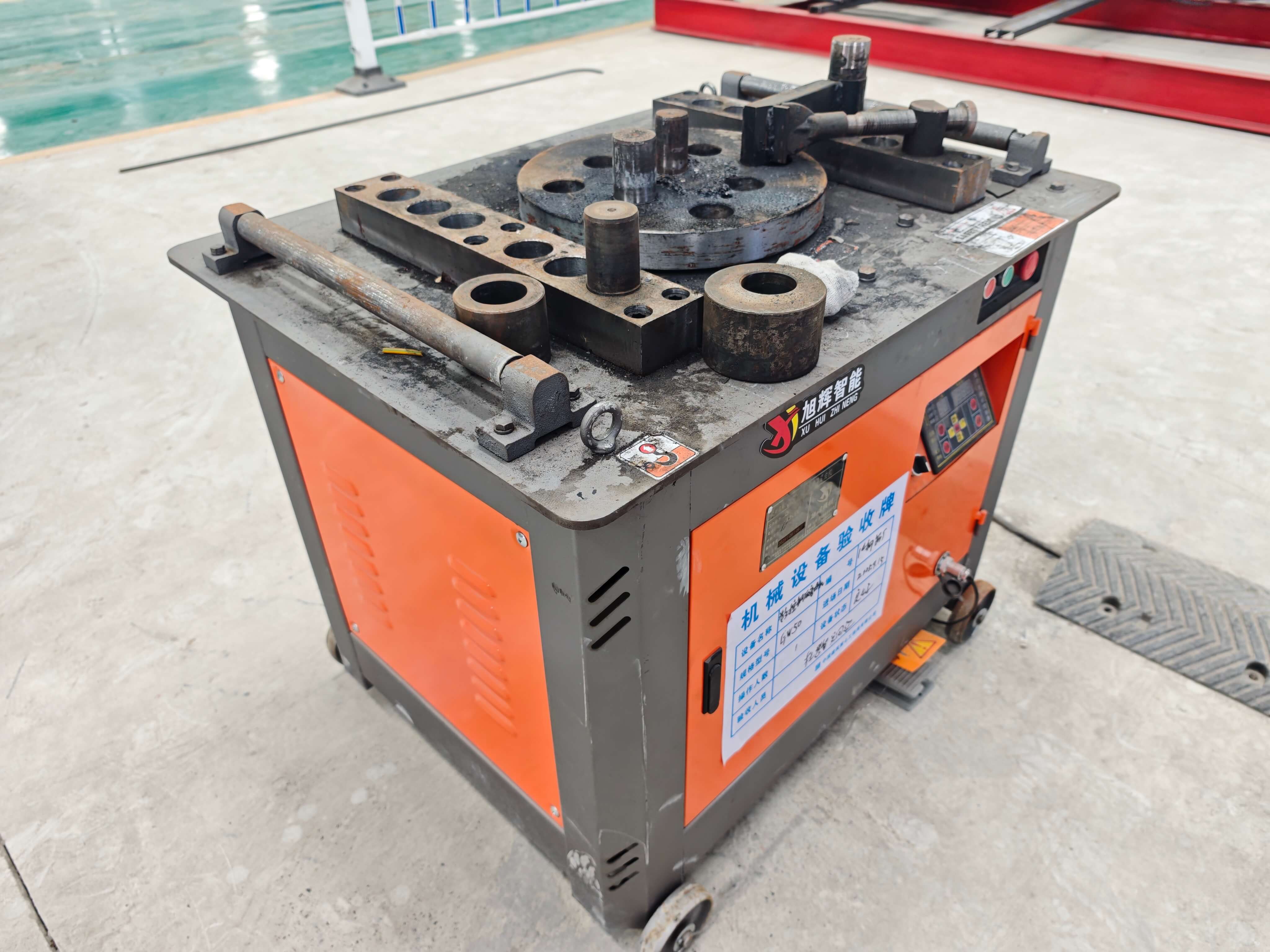
Xuhui (Shandong) Intelligent Equipment Co., Ltd. is located in the Heze Engineering Machinery Manufacturing Base, Shandong, focusing on the research and development of CNC steel bar equipment for over a decade, forming a product matrix centered around steel arch production lines and CNC steel bar bending centers. Its technical advantages are reflected in three dimensions: Firstly, the independently developed servo motor drive system achieves bending angle accuracy of ±0.5° through closed-loop control, three times better than traditional equipment; secondly, the equipment is equipped with intelligent torque sensors, which can monitor the deformation of steel bars in real-time and automatically adjust the bending speed, ensuring that the qualified rate of HRB500 steel bar processing reaches 99.2%; thirdly, the modular design supports rapid mold change, with the daily processing capacity of a single machine increased to 1200-1500 bars, meeting the 24-hour continuous operation requirements of large-scale projects. For example, in a section of the Sichuan-Tibet Railway project, the CNC steel bar bending center provided by Xuhui, through the automated loading and unloading system and multi-station collaboration, increased the processing efficiency of steel bars by 40% and reduced labor costs by 60%. Currently, the company's equipment has served more than 300 key projects across the country, processed over 5 million tons of steel bars cumulatively, and its technical stability has been recognized by customers such as China Railway and China Communications Construction Corporation.
FAQ: CNC Steel Rebar Bending Machine Technical Selection Guide
Q1: How to choose the appropriate bending machine model for high-strength steel bar processing?
A1: The processing of high-strength rebars (such as HRB500) requires particular attention to the equipment torque parameters and control system. The Xuhui CNC rebars bending center uses a 22kW servo motor, with a maximum bending torque of 3000N·m, capable of stably processing high-strength rebars with diameters under 40mm. It is recommended to choose models equipped with intelligent torque feedback systems, which automatically adjust processing parameters through real-time monitoring of rebar deformation to avoid breakage or rebound issues. For example, the XH-WQ6-32 equipment successfully processed 32mm diameter HRB500 rebars in a nuclear power plant project, with a single processing time of only 12 seconds and a pass rate of 99.5%.
Q2: How does the degree of equipment automation affect construction efficiency?
A2: The degree of automation directly affects labor input and processing continuity. Xuhui equipment supports the full process of automatic feeding, bending, and unloading, requiring only 1 operator per shift, a reduction of 3 people compared to traditional equipment. Taking the XH-WQ8-40 model as an example, its vision positioning system can automatically identify steel bar specifications, reducing mold change time from 30 minutes to 5 minutes, and supporting continuous processing of 1200 steel bars for 8 hours. Actual data from an airport expansion project shows that after adopting automated equipment, the construction period for the steel bar processing stage is shortened by 25%, and the comprehensive cost is reduced by 18%.
Q3: How does the equipment maintenance and after-sales service system ensure long-term use?
A3: The stability of CNC equipment depends on regular maintenance and rapid response service. Xu Hong has established a post-sales mechanism with "3-hour response and 24-hour on-site service," setting up 12 service centers across the country and stockpiling 5 million yuan worth of commonly used spare parts. Core components (such as servo motors, reducers) are provided with a 3-year warranty, and the overall lifespan of the equipment exceeds 10 years. In addition, the company offers free operation training and a digital management platform, allowing customers to monitor the equipment's operating status in real-time via the mobile APP and receive early warnings of potential failures. For example, a subway project reduced the equipment failure rate from 2 times per month to 0.5 times through a preventive maintenance plan, reducing the annual downtime by 80 hours.
Summary: Standardization of Reinforcement Bar Processing Driven by Technology
The technical upgrade of CNC steel bar bending machines is transitioning from single equipment efficiency improvement to full-process intelligent transformation. Xuhui (Shandong) Intelligent Equipment has resolved the industry pain points of low processing accuracy, poor efficiency, and high cost for high-strength steel bars through three core technologies: servo control, intelligent sensing, and modular design. The successful application of its equipment in national key projects such as the Chengdu-Tibet Railway and Daxing Airport has verified the reliability of the technology. For construction companies, choosing equipment suppliers with automation capabilities, intelligent monitoring systems, and comprehensive after-sales services is crucial for achieving standardization in steel bar processing and enhancing project competitiveness. In the future, with the integration of BIM technology and industrial internet, CNC steel bar equipment will evolve towards the "digital twin + remote maintenance" direction, and Xuhui's technological layout may become an industry benchmark.