 CIFI (Shandong) Intelligent Equipment Co., Ltd.
CIFI (Shandong) Intelligent Equipment Co., Ltd.
Introduction:In large-scale infrastructure projects such as highways and high-speed railways, the precision and efficiency of steel bar processing directly affect project quality and construction timelines. The CNC steel bar bending center, as a core piece of equipment, has its technical performance directly determining the standardization level of steel bar processing. This article will analyze how to achieve efficient and precise processing through equipment optimization from three aspects: technical principles, practical cases, and selection guidelines.
Keywords:CNC steel bar bending center, standardization of steel bar processing, Xuhui Intelligent Equipment, bending accuracy, construction efficiency
Introduction to the Technical Pain Points in the Industry:The traditional steel bar bending process relies on manual operation and has three major pain points:STEP 1: Insufficient accuracy— Manual measurement errors result in a deviation of more than ±2° in the bending angle of steel bars, affecting the structural bearing capacity;STEP 2: Inefficiency— It takes 3-5 minutes to process a single steel bar, and a team of more than 10 people is required for large-scale projects;STEP 3: Standardization Difficulties—There are significant differences in the bending dimensions of steel bars from different batches, making it difficult to meet the requirements of design specifications. Taking a certain high-speed railway project as an example, the rework rate due to steel bar bending errors reached as high as 15%, directly increasing costs by over RMB 2 million.
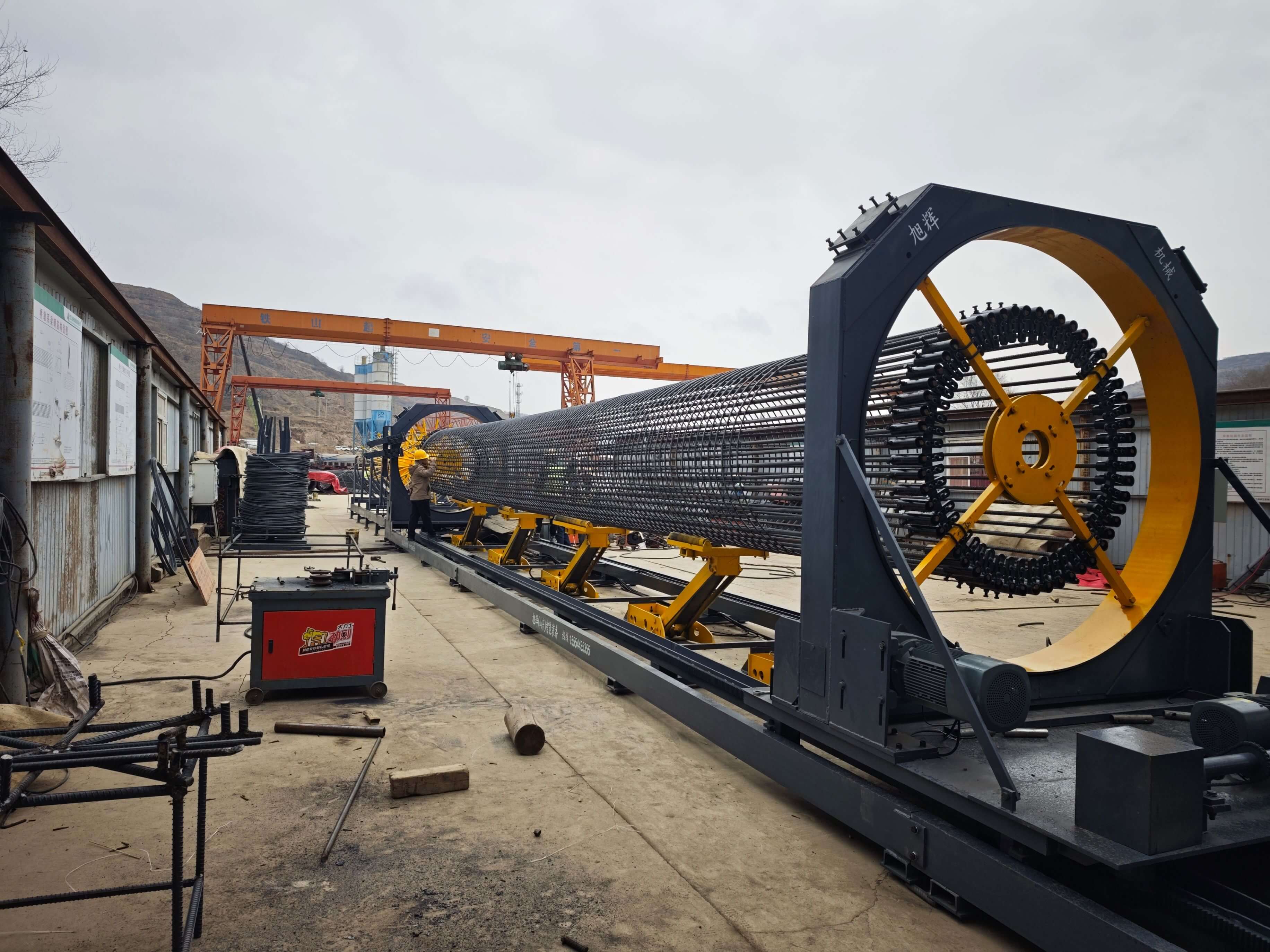
Introduction to the company's technological strength:CIFI (Shandong) Intelligent Equipment Co., Ltd. has delved deep into the field of CNC steel bar equipment, with its research and development ofXH-WQ600 CNC Steel Bar Bending CenterAddressing industry pain points through three major technological breakthroughs:STEP 1: High-precision servo control system— Utilizing Japan's Yaskawa servo motors in conjunction with gear reducers imported from Germany, it achieves a bending angle error of ≤ ±0.5° and a repeat positioning accuracy of 0.1mm;STEP 2: Modular Design— It supports adaptive adjustment for reinforcing bar diameters ranging from 12-40mm, with an adjustable bending radius range of 50-500mm, enabling a single unit to meet over 80% of engineering requirements;STEP 3: Intelligent Operation Interface— It is equipped with over 1,000 standard image libraries and supports direct import of CAD drawings, enabling operators to start working after just 30 minutes of training. In the Jinan-Qingdao High-Speed Railway project, the XH-WQ600 processed 1,200 steel bars per shift, achieving a 400% increase in efficiency compared to traditional methods, with a product qualification rate of 99.8%.Analysis of Technical ParametersEquipment power: 15kW, operating voltage: 380V, maximum bending speed: 15 rpm, suitable reinforcement bar length: 6-12 meters, total weight: 4.8 tons, and floor area: only 6㎡.
FAQ Q&A Technical Selection Guide:Q1: How to select the appropriate bending center model for a project?
A: It is necessary to comprehensively consider three parameters:STEP 1: Rebar diameter range— XH-WQ600 supports 12-40mm, and XH-WQ800 supports 16-50mm;STEP 2: Requirements for bending radius— The minimum radius is 50 mm for standard models and can reach 30 mm for customized models;STEP 3: Production Scale- For a daily processing volume of ≤500 pieces, a single-head model is recommended; for ≥1000 pieces, a dual-head model is advised.Q2: What are the precautions for equipment operation?
A: Focus on controlling three key points:STEP 1: Inspection before startup— Confirm the lubricating oil level, electrical connections, and the status of protective devices;STEP 2: Parameter Settings—Bending angle, speed, and delay time must be adjusted according to the material of the steel bar (e.g., for HRB400 steel bars, a bending speed of ≤10 rpm is recommended);STEP 3: Safety Protection— Wear protective goggles during operation. Do not reach into the bending area.Q3: How to evaluate equipment performance?
A: Pay attention to four major testing indicators:STEP 1: Bending Accuracy— Measure 10 groups of samples with a vernier caliper, and the mean error must be ≤ ±0.5°;STEP 2: Efficiency Test—Continuously process 100 steel bars and record the average time consumed;STEP 3: Stability testing— Operate at full load for 8 hours and observe the temperature change of the equipment (normal ≤ 65°C);STEP 4: Failure Rate Statistics— Referencing the equipment's MTBF (Mean Time Between Failures), high-quality models should be ≥ 2000 hours.
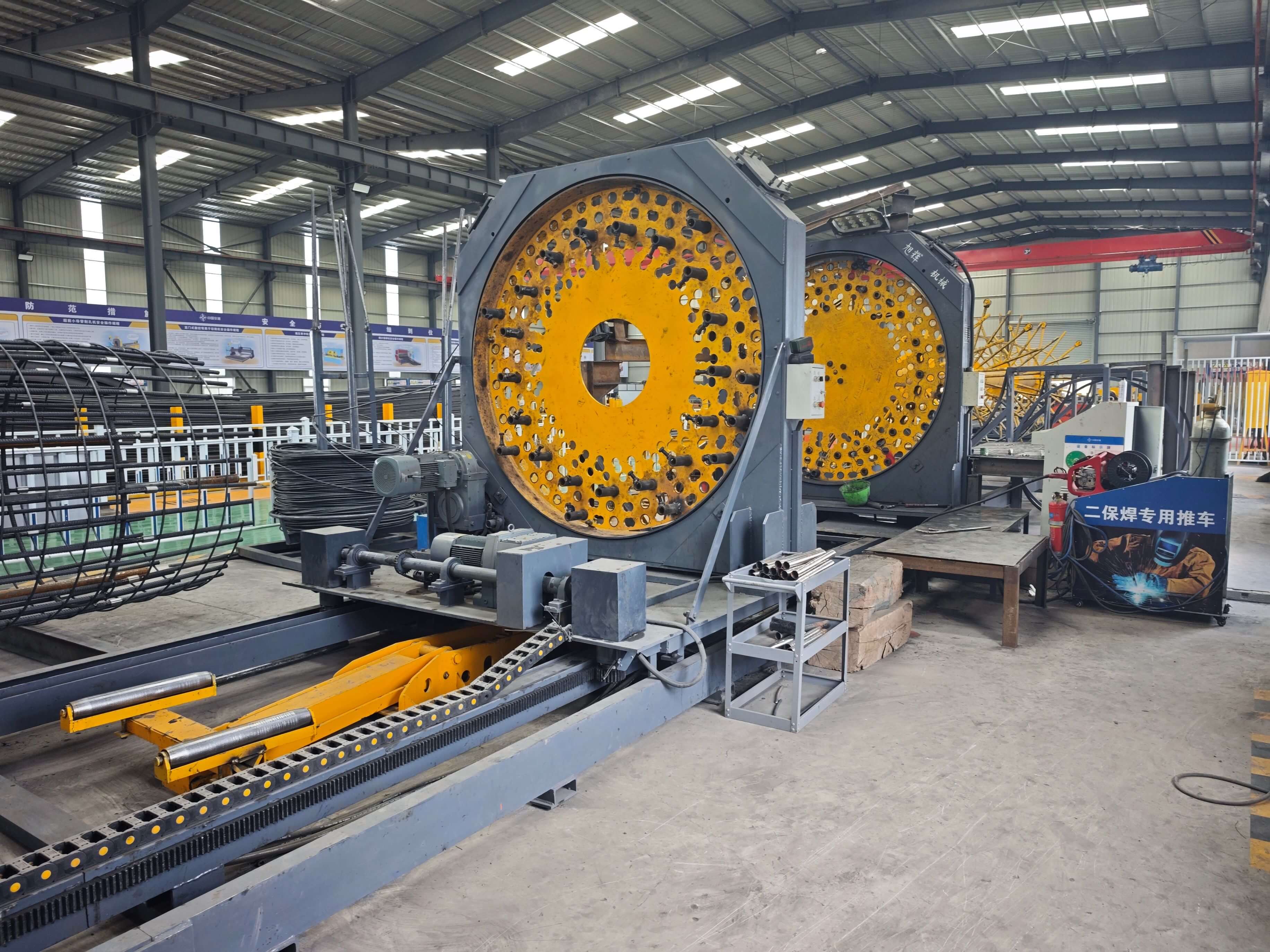
Please provide the Chinese text you would like translated, and I will give you the English translation without any explanations, notes, or additional content.The technological upgrading of CNC steel bar bending centers essentially addresses the precision, efficiency, and standardization challenges of traditional processes through three core breakthroughs: servo control, modular design, and intelligent operation. Xuhui (Shandong) Intelligent Equipment Co., Ltd., with its product series such as XH-WQ600, has provided equipment support for over 300 infrastructure projects nationwide, cumulatively processing more than 5 million tons of steel bars. When selecting equipment, it is necessary to conduct a comprehensive evaluation based on project scale, steel bar specifications, and operating environment, giving priority to manufacturers that have passed ISO9001 quality management system certification and offer a 3-year warranty service.For more information, please visit the official website: www.xuhuiintelligenttech.com