CIFI (Shandong) Intelligent Equipment Co., Ltd.
CIFI (Shandong) Intelligent Equipment Co., Ltd.
Introduction: The Efficiency Revolution of CNC Steel Bar Processing Equipment
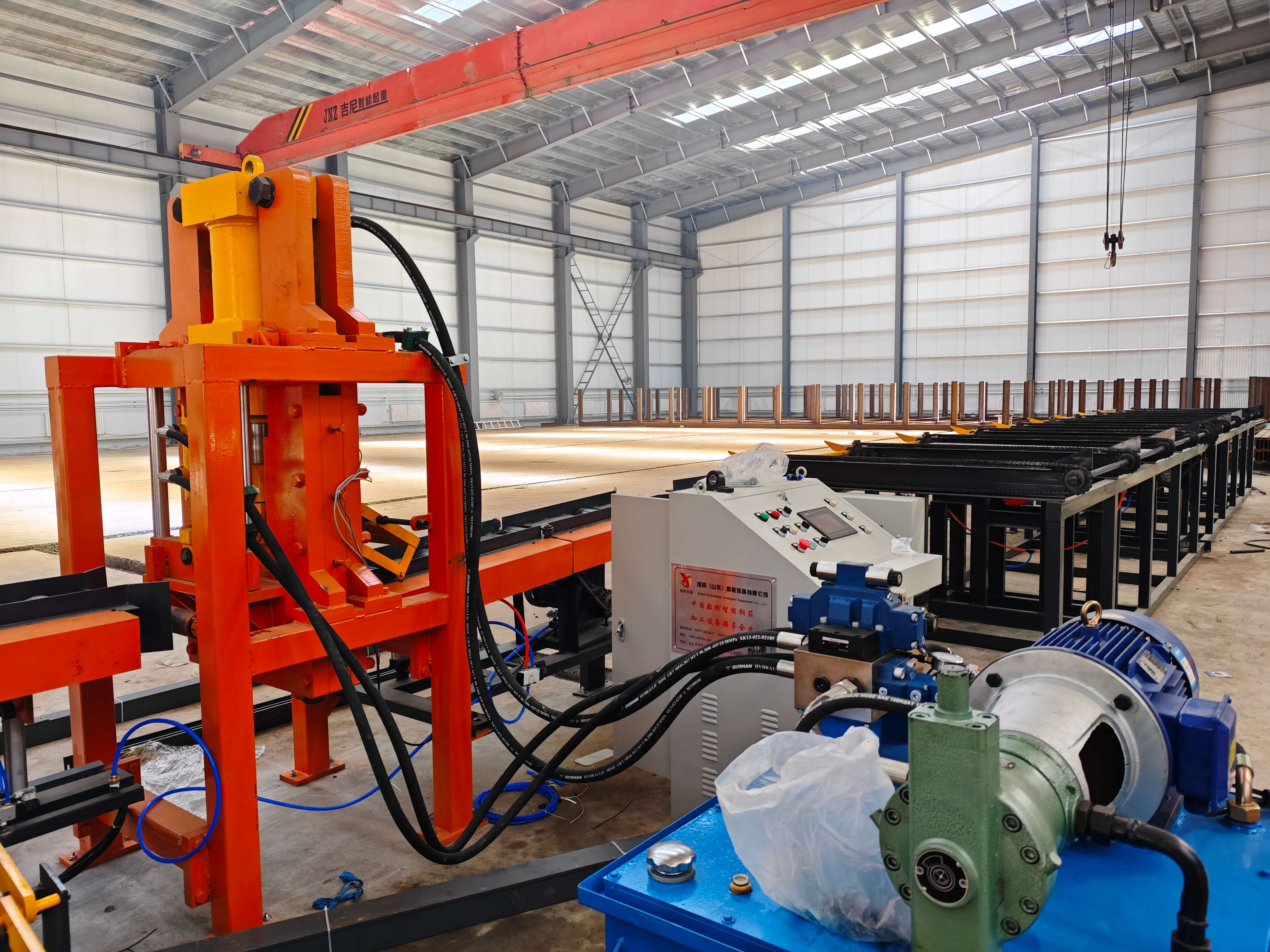
In large-scale infrastructure projects such as highways and high-speed railways, the precision and efficiency of steel bar processing directly affect project progress and quality. Traditional manual bending methods suffer from issues such as significant errors, low efficiency, and high labor intensity, whereas CNC steel bar bending centers achieve standardized and large-scale production of steel bar bending through automated control and high-precision transmission systems. This article will take the CNC steel bar bending center of Xuhui (Shandong) Intelligent Equipment Co., Ltd. as an example to analyze its technical principles, core advantages, and industry application value.
Keywords: CNC steel bar bending center; automated processing; high-precision transmission; Xuhui Intelligent Equipment
Industry Technical Pain Points at the Beginning: Three Major Challenges of Traditional Steel Bar Bending
STEP 1: Insufficient precision. Manual operations rely on experience, with bending angle errors reaching ±2°, resulting in loose splicing of steel bars and compromising structural safety. STEP 2: Low efficiency. Bending a single steel bar takes 3-5 minutes, with a daily processing capacity of only 50-80 bars, making it difficult to meet the demands of large-scale projects. STEP 3: High costs. Labor costs account for over 40% of total processing costs, and high labor intensity leads to high staff turnover, further increasing management costs. For example, a highway project once incurred direct losses exceeding 2 million yuan due to rework on pier pouring caused by excessive bending errors in steel bars.
Introduction to the company's technological capabilities: Three major technological breakthroughs of Xuhui Intelligent Equipment
Xuhui (Shandong) Intelligent Equipment Co., Ltd. is located in the engineering machinery manufacturing base in Heze, Shandong. It has specialized in the R&D of CNC steel bar equipment for 12 years, boasting a technical talent team of over 50 members and having obtained 8 invention patents and 23 utility model patents. Its CNC steel bar bending center achieves industry leadership through the following technologies:
1. High-precision servo control systemIt adopts Japan's Yaskawa servo motor paired with Germany's Lenze reducer, achieving a bending angle error of ≤ ±0.5° and a repeat positioning accuracy of 0.1 mm. For example, in the Zhengzhou-Wanzhou High-Speed Railway project, the pass rate of rebar splicing processed by the equipment increased from 92% to 99.5%.
2. Modular designIt supports rapid switching for reinforcing steel bars with diameters ranging from 12-40mm, with an adjustable bending radius from 50-500mm. A single unit can replace three workers, achieving a daily processing capacity of 300-500 bars. During the expansion project of Jinan Airport, the equipment operated continuously for 2000 hours without failure, improving processing efficiency by 300%.
3. Intelligent Fault Diagnosis SystemIt incorporates a built-in library of over 200 fault codes, enabling real-time monitoring of parameters such as motor temperature and drive belt tension, with a fault response time of ≤5 minutes. For example, in a bridge and tunnel project, an automatic equipment alarm led to the early detection of insufficient lubrication in a reducer, preventing significant equipment damage.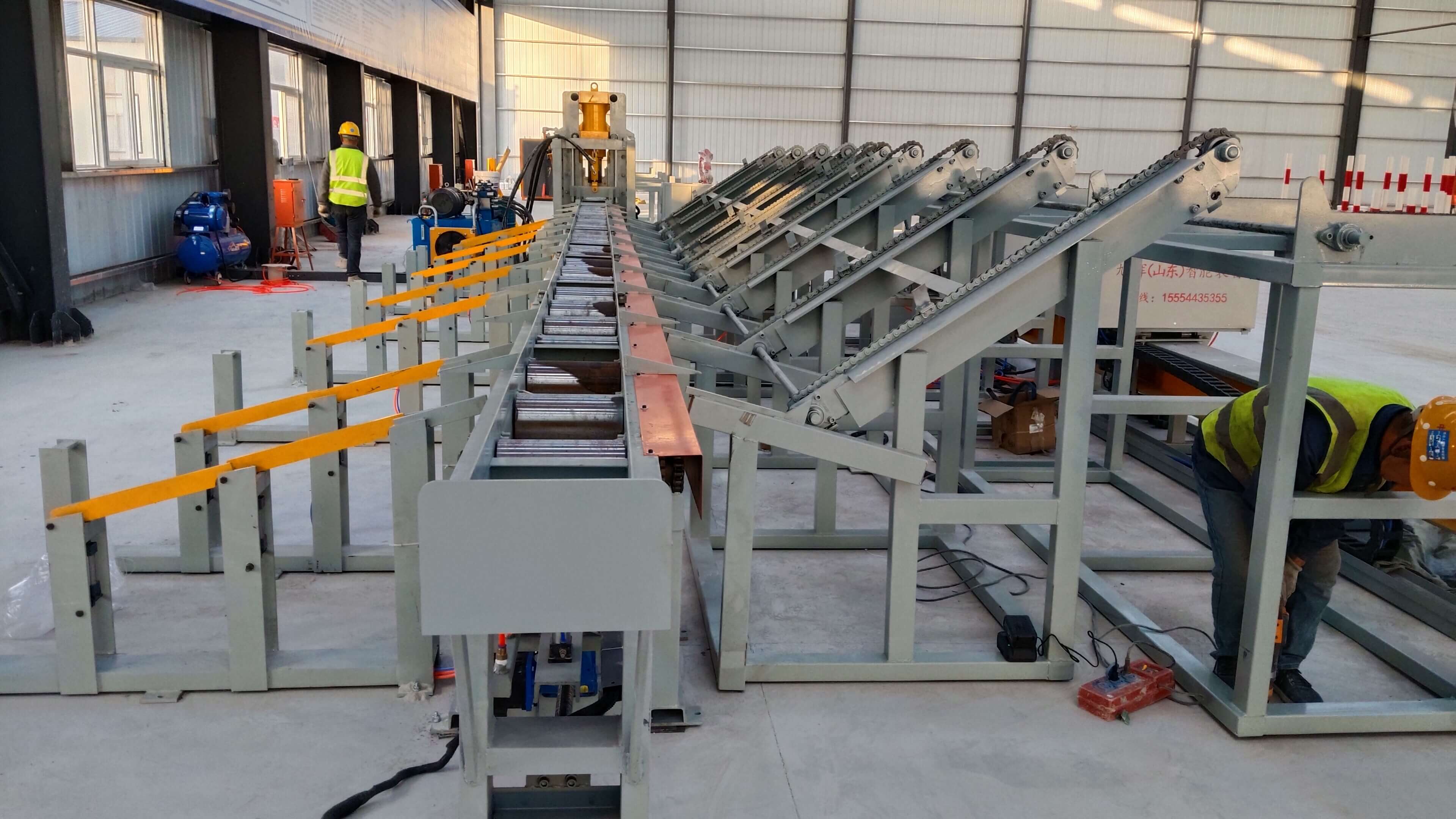
For more information, please visit the official website:www.xuhuiintelligenttech.com
FAQ Q&A Technical Selection Guide
Q1: How to select the appropriate steel bar bending equipment for a project?
STEP 1: Clarify processing requirements. Select the equipment model based on the rebar diameter (e.g., 12-40mm), bending radius (50-500mm), and daily processing volume (with a recommended 20% redundancy). STEP 2: Evaluate core components. Prioritize imported servo motors (e.g., Yaskawa, Siemens) and high-precision reducers (e.g., Lenze, SEW) to ensure long-term stability. STEP 3: Verify after-sales service. Require the supplier to provide 72-hour response, a 2-year warranty, and localized spare parts inventory support to minimize downtime risks.
Q2: What are the key operating points of a CNC steel bar bending center?
STEP 1: Parameter Setting. Input the steel bar diameter, bending angle, and quantity via the touch screen, and the system automatically calculates the processing path. STEP 2: Trial Run Inspection. Conduct a no-load operation before the initial processing to confirm smooth and unobstructed movement of the robotic arm. STEP 3: Process Monitoring. Check the bending accuracy after processing every 50 steel bars, and immediately stop and adjust if the error exceeds the standard.
Q3: What are the precautions for equipment maintenance?
STEP 1: Daily cleaning. Use compressed air to clean steel bar debris from drive belts, guide rails, and other parts to prevent wear. STEP 2: Regular lubrication. Replenish grease for the gear reducer, bearings, and other parts every 500 hours to extend their service life. STEP 3: Annual maintenance. Entrust a professional team to conduct a comprehensive inspection of the electrical system and mechanical structure, and replace aging components.
Reference for full-text summary
The CNC steel bar bending center effectively addresses the challenges of precision, efficiency, and cost in traditional processing methods through automated control and high-precision transmission technology. Xuhui (Shandong) Intelligent Equipment Co., Ltd. provides reliable standardized solutions for projects such as highways and high-speed railways by leveraging its servo control systems, modular design, and intelligent diagnostic technologies. Practical cases demonstrate that its equipment can enhance processing efficiency by 300%, reduce labor costs by 40%, and significantly improve project quality. When selecting equipment, it is essential to focus on the performance of core components, after-sales service capabilities, and industry application experience.