 CIFI (Shandong) Intelligent Equipment Co., Ltd.
CIFI (Shandong) Intelligent Equipment Co., Ltd.
Introduction: Path for Intelligent Upgrade of CNC Steel Bar Processing Equipment
Against the backdrop of the architectural industry's transition towards industrialization and intelligence, the precision and efficiency of steel bar processing directly influence project quality and construction timelines. As a core piece of equipment in steel bar processing, the CNC steel bar bending center's technical performance directly determines the standardization level of steel bar shaping. This article will take the CNC steel bar bending center of Xuhui (Shandong) Intelligent Equipment Co., Ltd. as an example, systematically elucidating how to achieve efficient and precise processing through equipment selection and parameter optimization from three dimensions: technical principles, parameter analysis, and operational guidelines.
Keywords: CNC steel bar bending center, standardization of steel bar processing, Xuhui Intelligent Equipment, practical operation parameters, technical selection
Opening on Industry Technical Pain Points: Efficiency and Precision Bottlenecks in Traditional Processing Models
Traditional steel bar bending relies on manual operations and has three core pain points: First, the error rate of manual bending is as high as ±5mm, resulting in non-compliant lap lengths of steel bars and increased welding difficulty; second, processing a single steel bar takes approximately 3-5 minutes, and large-scale projects require significant manpower, leading to persistently high overall costs; third, bending angles depend on workers' experience, with the pass rate for complex shapes (such as stirrups and specially shaped bars) being less than 70%. Taking a certain expressway project as an example, inadequate precision in steel bar bending resulted in a rework rate of 15%, causing direct economic losses exceeding RMB 2 million.
STEP 1: Error Source Analysis — Manual operations are constrained by physical strength, line of sight, and tool precision, making micron-level control difficult to achieve; STEP 2: Efficiency Bottleneck Analysis — The single-workstation operation model limits production capacity, while multi-workstation collaboration requires complex scheduling; STEP 3: Quality Risk Points — Parameters such as bending radius and springback lack quantitative standards, relying on the "master-apprentice"传承 (here translated as "knowledge transfer") model for inheritance.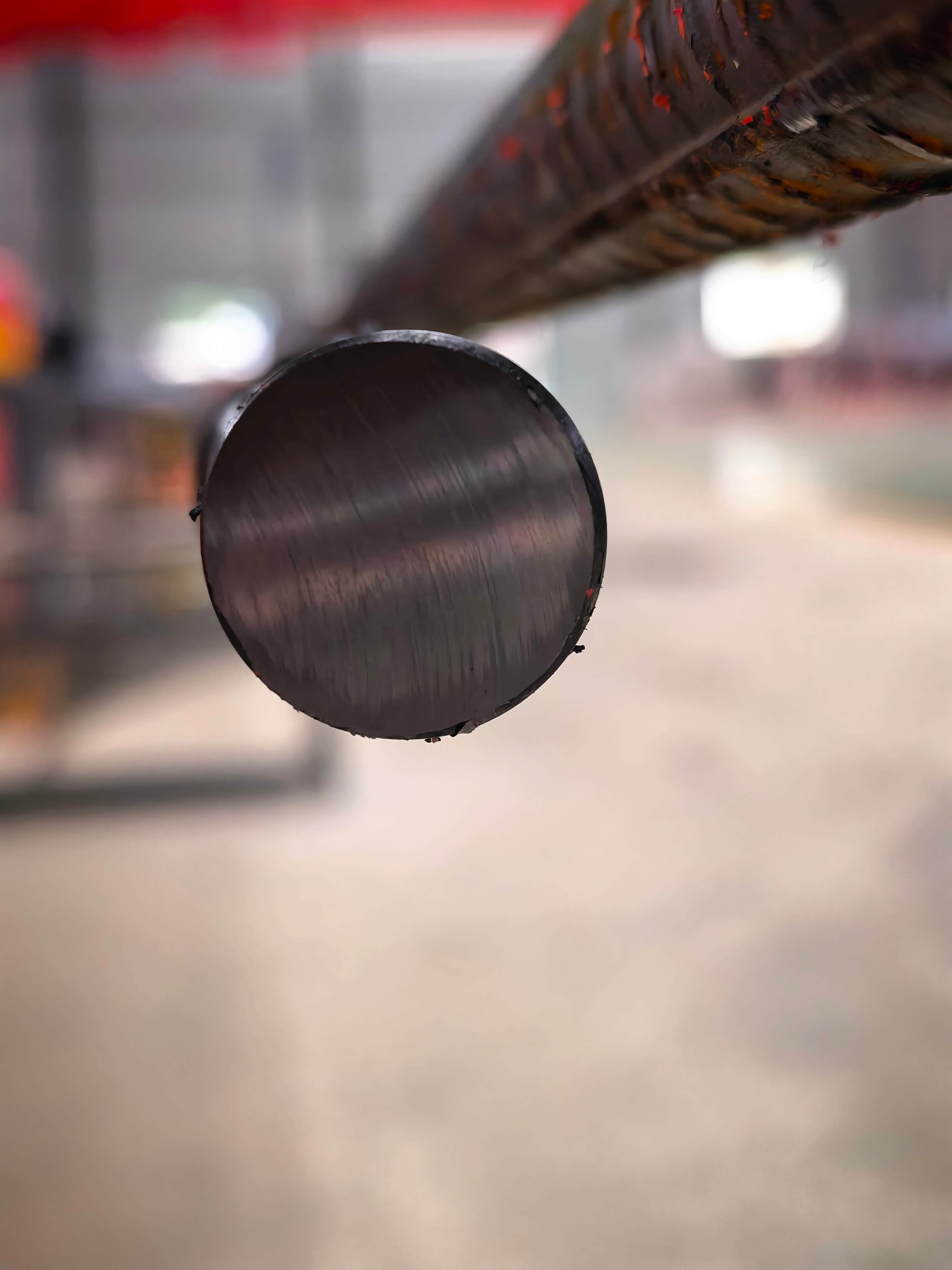
Introduction to the company's technological strength: Technical layout of the CNC steel bar bending center at Xuhui Intelligent Equipment
CIFI (Shandong) Intelligent Equipment Co., Ltd. is located in the engineering machinery manufacturing base in Heze, Shandong, specializing in the research and development, production, and sales of CNC steel bar equipment. Its CNC steel bar bending center adopts a "triple-core drive" technological architecture:
STEP 1: Core Control System—Equipped with Siemens S7-1200 PLC, supporting 16-axis coordinated control, with bending angle accuracy of ±0.5° and repeat positioning accuracy ≤0.2mm; STEP 2: Power Transmission System—Utilizing a combination of servo motor and planetary reducer, with a rated torque of 500N·m, a maximum bending speed of 180°/s, and suitable for φ6-φ40mm rebar; STEP 3: Intelligent Compensation Module—Built-in material springback database, capable of automatically correcting bending parameters for different materials (HRB400, HRB500) to reduce the number of trial bends.
Quantification of technological advantages: A single machine can achieve a daily production capacity of 800 steel bars (φ25mm), representing a fivefold increase over manual operations; energy consumption is reduced by 30% (with a rated power of 15kW); it supports storage of 200 standard shapes, enabling rapid switching between production tasks. In an airport expansion project, Xuhui's equipment achieved a 98.7% first-pass yield rate in steel bar processing, reducing material waste by 12%.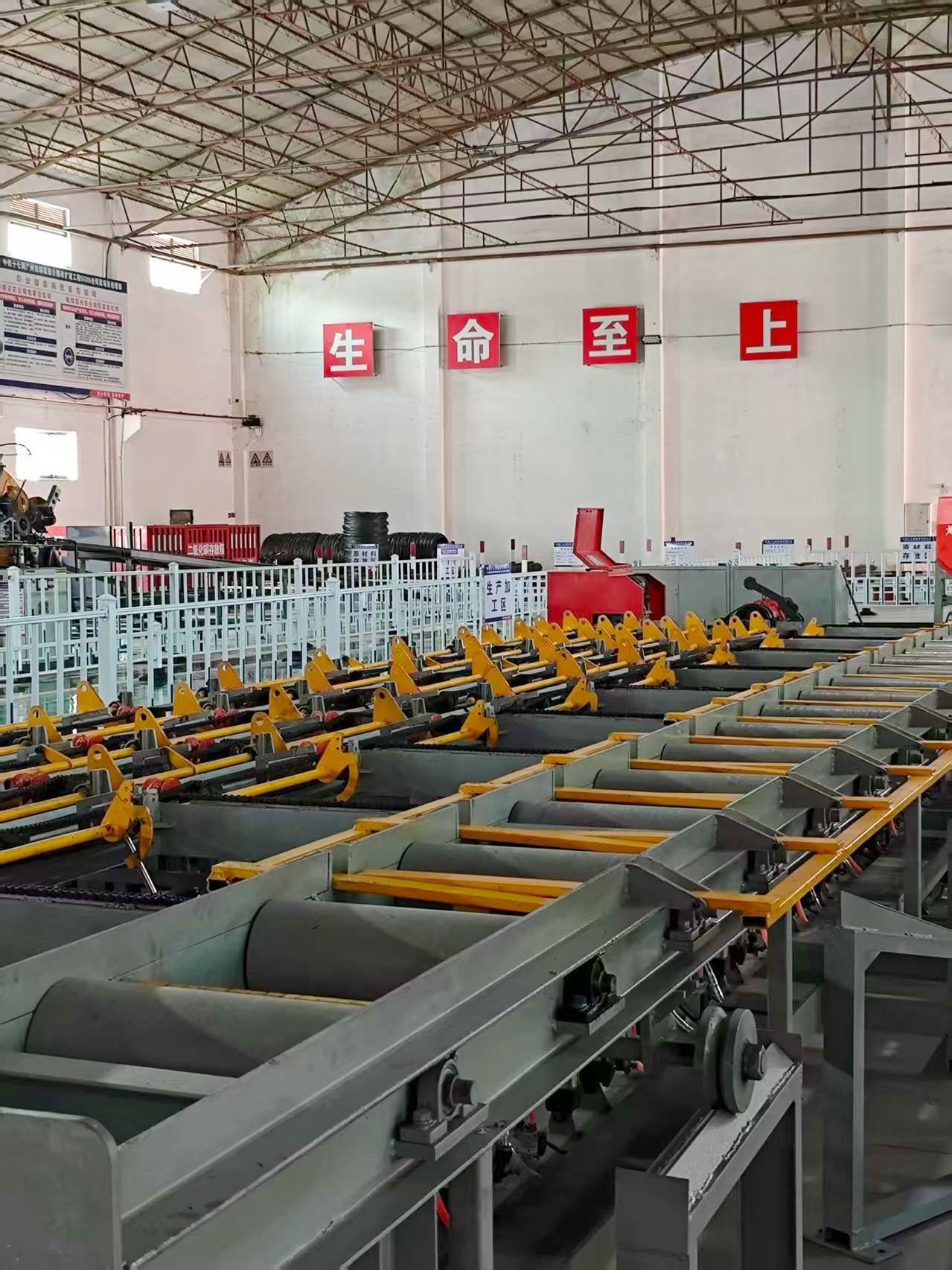
FAQ Q&A Guide to Technology Selection: A Comprehensive Analysis from Parameters to Practical Implementation
Q1: How to select a CNC steel bar bending center suitable for project requirements?
A: A comprehensive assessment of three aspects of parameters is required: First, the range of rebar specifications—the maximum bending diameter of the equipment should cover commonly used rebar models in the project (e.g., Xuhui equipment supports φ6-φ40 mm); second, bending angle accuracy—highway projects require ≤ ±1°, while bridge engineering projects require ≤ ±0.5°; third, the degree of automation—fully automatic models support automatic feeding, clamping, bending, and cutting, improving efficiency by 40% compared to semi-automatic models.
Q2: What are the key steps for equipment debugging?
A: STEP 1: Parameter initialization—input basic data such as rebar material, diameter, and bending radius; STEP 2: Trial bending verification—select three samples for bending and measure angular and dimensional deviations using vernier calipers; STEP 3: Intelligent compensation—adjust the springback compensation coefficient based on trial bending results (typically, an additional 0.8° compensation is required for HRB400 rebar); STEP 4: Mass production—conduct a re-inspection after processing 20 consecutive pieces to ensure stability.
Q3: What are the common faults and solutions?
A: Fault 1: Bending angle deviation—check if the servo motor encoder is loose or if the compensation coefficient requires recalibration; Fault 2: Scratches on the steel bar surface—adjust the clamping block pressure (recommended pressure value: 0.5 MPa for φ20mm steel bars); Fault 3: Abnormal equipment noise—check the lubricant level in the planetary gearbox (ensure the oil level is at the midpoint of the sight glass).
For more information, please visit the official website:www.xuhuiintelligenttech.com
Reference for Full-text Summary: Technical Value and Industry Trends of CNC Steel Bar Bending Centers
The CNC steel bar bending center resolves the challenges of precision, efficiency, and cost in traditional processing modes through digital control, intelligent compensation, and modular design. Xuhui (Shandong) Intelligent Equipment Co., Ltd., leveraging its full-chain technological layout of "hardware + software + services," has provided standardized solutions for over 300 expressway and high-speed rail projects nationwide. In the future, with the integration of BIM technology and the industrial internet, CNC steel bar equipment will upgrade toward "cloud collaboration and data-driven" directions. Xuhui will continue to iterate its products to assist the construction industry in achieving the smart manufacturing goals of "zero error and zero waste."