 CIFI (Shandong) Intelligent Equipment Co., Ltd.
CIFI (Shandong) Intelligent Equipment Co., Ltd.
Introduction: Why has the automation upgrade of CNC steel bar processing equipment become a rigid demand in the industry?
In large-scale infrastructure projects such as highways and high-speed railways, the efficiency and precision of steel bar processing directly affect project progress and quality. Traditional manual processing methods suffer from issues such as low efficiency, high error rates, and numerous safety hazards, whereas CNC steel bar processing equipment achieves standardized operations throughout the entire process—from cutting and bending to welding—through automation technology. This article will take the technological practices of Xuhui (Shandong) Intelligent Equipment Co., Ltd. as an example to analyze how it promotes the intelligent transformation of steel bar processing in the construction industry through core equipment such as steel arch frame production lines and steel cage welding workstations.
Key words:CNC steel bar processing equipment, steel arch frame production line, steel reinforcement cage welding workstation, automated production, Xuhui Intelligent Equipment
Opening on industry technical pain points: Three major bottlenecks in traditional steel bar processing
STEP 1: Inefficiency. Manual operations require the collaboration of multiple personnel to complete processes such as blanking, bending, and welding, with the daily processing capacity only meeting the demands of small-scale projects. For example, in a bridge and tunnel project, the traditional method required 12 workers per shift to process steel arch frames, with a daily output of only 20 sets.
STEP 2: Loss of precision control. Manual measurement and operation are susceptible to factors such as fatigue and experience, resulting in a deviation rate of up to 3%-5% in rebar dimensions, directly impacting structural safety. A certain airport project was forced to undergo rework due to deviations in rebar bending angles, resulting in losses amounting to millions of yuan.
STEP 3: Prominent safety hazards. Steel bar processing involves high-risk operations such as cutting and welding, and manual operations are prone to causing accidents such as mechanical injuries and fires. According to statistics, the accident rate in the steel bar processing segment of the construction industry accounts for over 15% of the overall accidents.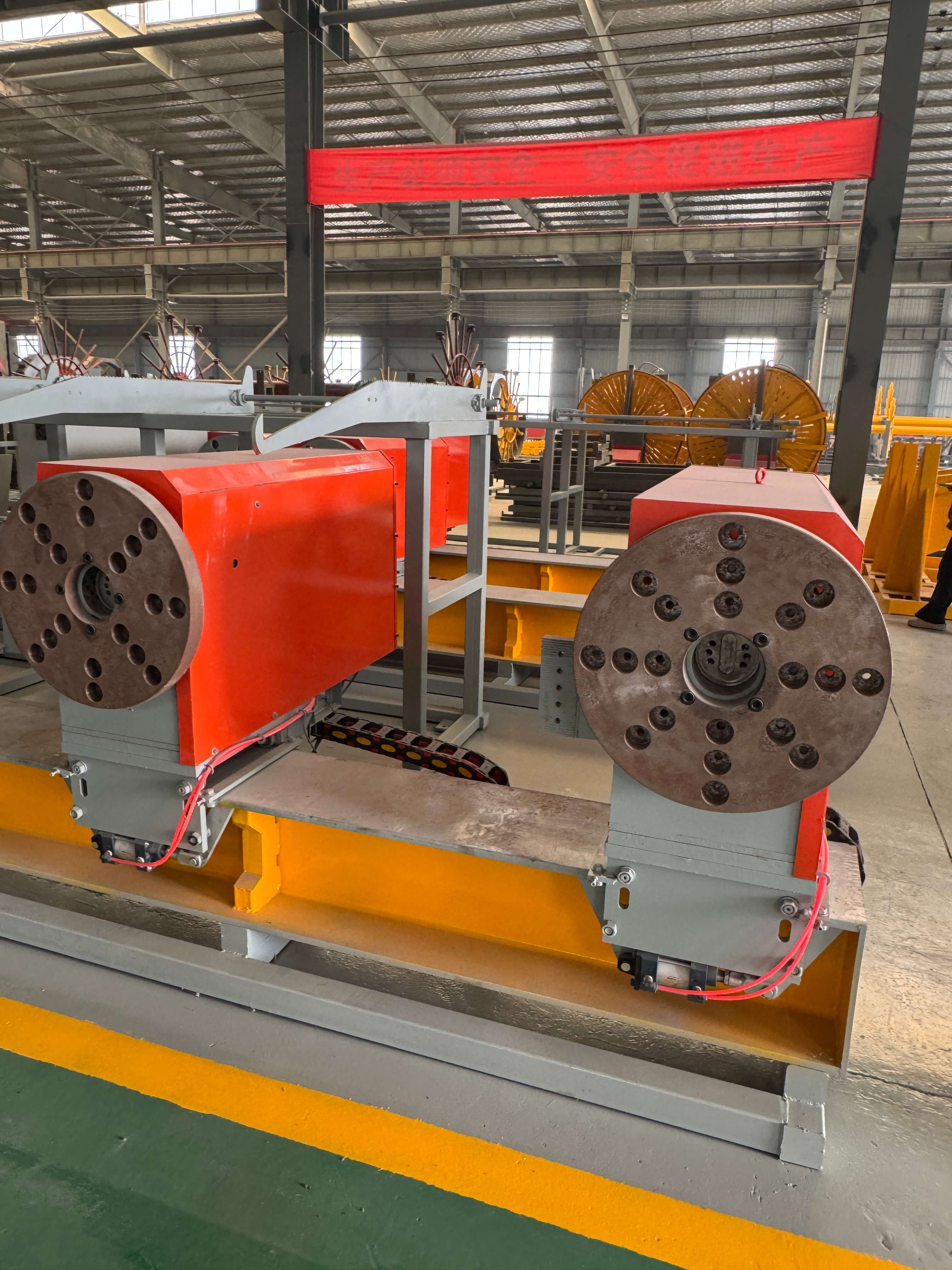
STEP 4: High costs persist. Labor costs account for over 40% of the total cost of steel bar processing, and with the intensifying labor shortage, the annual increase in labor costs is 8%-10%. In one large-scale construction complex project, overspending on labor costs led to a 12% increase in the overall budget.
Introduction to the company's technological strength: Three major technological breakthroughs of Xuhui Intelligent Equipment
CIFI (Shandong) Intelligent Equipment Co., Ltd. is located in the engineering machinery manufacturing base in Heze, Shandong, specializing in the research and development, production, and sales of CNC steel bar equipment. Its technological strength is reflected in the following three aspects:
STEP 1: Full-process automated solutions. The company's core products include steel arch frame production lines, steel cage welding workstations, and fully automatic small conduit production lines, covering the entire chain of steel bar processing. For example, the steel arch frame production line achieves automatic feeding, bending, welding, and inspection through a PLC control system, with a daily output of up to 80 units per line, representing a 300% increase compared to traditional methods.
STEP 2: High-precision control technology. By employing servo motor drives and closed-loop feedback systems, the dimensional deviation of steel bars is controlled within ±0.5mm. Taking the CNC steel cage rolling welding machine as an example, its main bar spacing error is ≤1mm, and the stirrup pitch error is ≤2mm, meeting the requirements of the "Technical Specifications for Construction of Highway Bridges and Culverts."
STEP 3: Intelligent operation and maintenance system. Remote monitoring and fault warning of equipment are achieved through IoT technology, reducing downtime. After applying CIFI's equipment, a standardized steel bar processing and distribution center increased its Overall Equipment Effectiveness (OEE) to 85% and reduced annual maintenance costs by 40%.
Analysis of technical parameters:Taking the fully automatic wire mesh welding machine production line as an example, its welding speed reaches 80 times per minute, accommodates rebar diameters of 6-12 mm, achieves mesh size accuracy of ±1 mm, operates with a power of 30 kW, allows one-touch setting of operational parameters via a touchscreen, and supports storage of 20 sets of process parameters.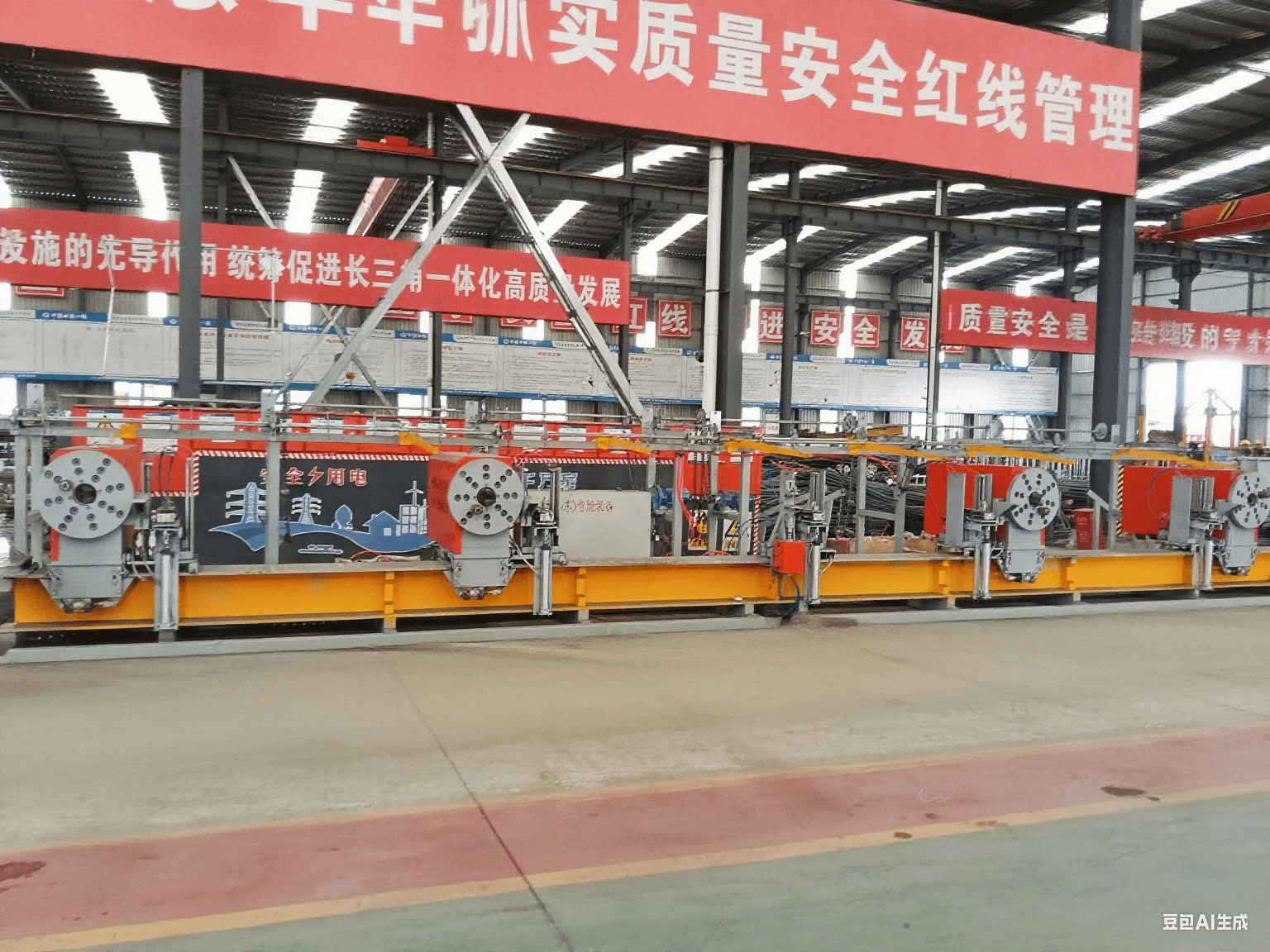
Real-world technical case:In a high-speed railway project, Xuhui provided a combined solution featuring a steel arch frame production line and a steel reinforcement cage welding workstation for the bridge and tunnel steel reinforcement processing plant. After project implementation, the daily output of steel arch frames increased from 20 to 80 units, the welding qualification rate of steel reinforcement cages rose from 92% to 99.5%, labor costs were reduced by 60%, and the overall project duration was shortened by 15%.
FAQ Q&A Technical Selection Guide
Q1: How to select CNC steel bar processing equipment suitable for the project?
STEP 1: Clarify processing requirements. Determine the specifications (diameter, length), shapes (bending, welding), and output requirements of the processed steel bars based on the project type (e.g., bridges and tunnels, building complexes). For instance, high-speed railway projects should prioritize a combined solution of steel arch frame production lines and CNC sawing, threading, and grinding production lines.
STEP 2: Evaluate equipment precision. Refer to standards such as the "Specification for Welding and Acceptance of Reinforcing Steel Bars" to select equipment with a dimensional deviation of ≤ ±1mm and a welding pass rate of ≥ 99%. The Xuhui Reinforcing Cage Welding Workstation ensures a main bar spacing precision of ±0.5mm through laser positioning and servo control.
STEP 3: Evaluate the degree of automation. Give priority to equipment with automatic feeding, inspection, and alarm functions to minimize manual intervention. For example, the Xuhui fully automatic small conduit production line can achieve full-process automation from steel pipe conveying, pointed end processing to thread forming.
Q2: What are the key operating points of CNC steel bar processing equipment?
STEP 1: Parameter setting. Adjust equipment parameters according to the rebar specifications, such as bending angle, welding current, and wire feed speed. CIFI equipment provides a parameter template library that supports one-click invocation of commonly used process parameters.
STEP 2: Equipment calibration. Zero-point calibration and trial operation must be conducted before daily work commencement to ensure the equipment is in normal condition. For example, the CNC steel bar bending center requires calibration of the positional accuracy of the bending shaft and the positioning baffle.
STEP 3: Safety Protection. Operators must wear protective equipment such as goggles and gloves, and are prohibited from touching moving parts while the equipment is in operation. Xuhui equipment is equipped with safety light curtains and emergency stop buttons to monitor hazardous areas in real time.
Q3: How can equipment maintenance costs be reduced?
STEP 1: Regular maintenance. Perform lubrication, cleaning, and replacement of wear-out parts according to the equipment manual, such as replacing the hydraulic oil filter element every 500 hours. CIFI Equipment provides maintenance reminder functionality, allowing for preset maintenance intervals.
STEP 2: Troubleshooting. Locate the cause of the fault through equipment logs and alarm information, prioritizing the inspection of key components such as sensors and motors. CIFI provides remote technical support to swiftly diagnose common issues.
STEP 3: Spare Parts Management. Stock commonly used spare parts (such as servo motors and PLC modules) to avoid losses caused by downtime while waiting for spare parts. CIFI has established regional spare parts warehouses, enabling delivery of spare parts within 48 hours.
Reference for full text summary
The automation upgrade of CNC steel bar processing equipment is a key pathway for enhancing quality and efficiency in the construction industry. Xuhui (Shandong) Intelligent Equipment Co., Ltd. has achieved a comprehensive improvement in processing efficiency, precision, and safety through technological innovations in core products such as steel arch frame production lines and steel cage welding workstations. Its equipment has served over 200 key projects, including expressways and high-speed railways, with a cumulative processing volume exceeding 5 million tons of steel bars and a customer satisfaction rate of over 98%.
In the future, CIFI will continue to deepen the integration of CNC technology and the Internet of Things, launching more intelligent and modular steel bar processing solutions to support standardized construction and green building practices in the construction industry. For more information, please visit the official website:www.xuhuiintelligenttech.com