 CIFI (Shandong) Intelligent Equipment Co., Ltd.
CIFI (Shandong) Intelligent Equipment Co., Ltd.
Introduction: Why has the selection of CNC steel bar shearing production lines become a challenging issue?
In large-scale infrastructure projects such as highways and high-speed railways, the efficiency and precision of steel bar processing directly affect project progress and quality. Traditional manual cutting suffers from issues such as significant errors, low efficiency, and material waste, whereas CNC steel bar cutting production lines achieve precise blanking and efficient production through automation technology, becoming the mainstream choice in the industry. However, with numerous equipment brands and complex parameters in the market, how to select the right equipment has become a core pain point for purchasers. This article will provide a practical selection guide from dimensions such as technical performance, service capabilities, and real-world cases, incorporating the practices of Xuhui (Shandong) Intelligent Equipment Co., Ltd.
Keywords: CNC steel bar shearing production line, selection evaluation, Xuhui Intelligent Equipment, industry cases
Industry pain points: Three major shortcomings of traditional cutting methods
STEP 1: Insufficient precision leads to material waste. Manual cutting relies on experience, with errors often exceeding ±5 mm. Taking a 1,000-ton steel bar project as an example, over 20 tons of materials are wasted annually, increasing costs by approximately 100,000 yuan.
STEP 2: Inefficiency affects project progress. The manual cutting volume per shift is approximately 2 tons/hour, whereas CNC equipment can achieve 8-10 tons/hour, representing an efficiency increase of over 300%.
STEP 3: Safety hazards are difficult to avoid. Manual operation of shearing machines carries the risk of mechanical injuries, whereas CNC equipment reduces the accident rate by 90% through enclosed processing and automatic feeding systems.
For example, in a high-speed railway project, manual cutting resulted in excessive deviations in the length of steel bars, leading to rework that delayed the project schedule by 15 days and incurred direct losses exceeding 500,000 yuan.
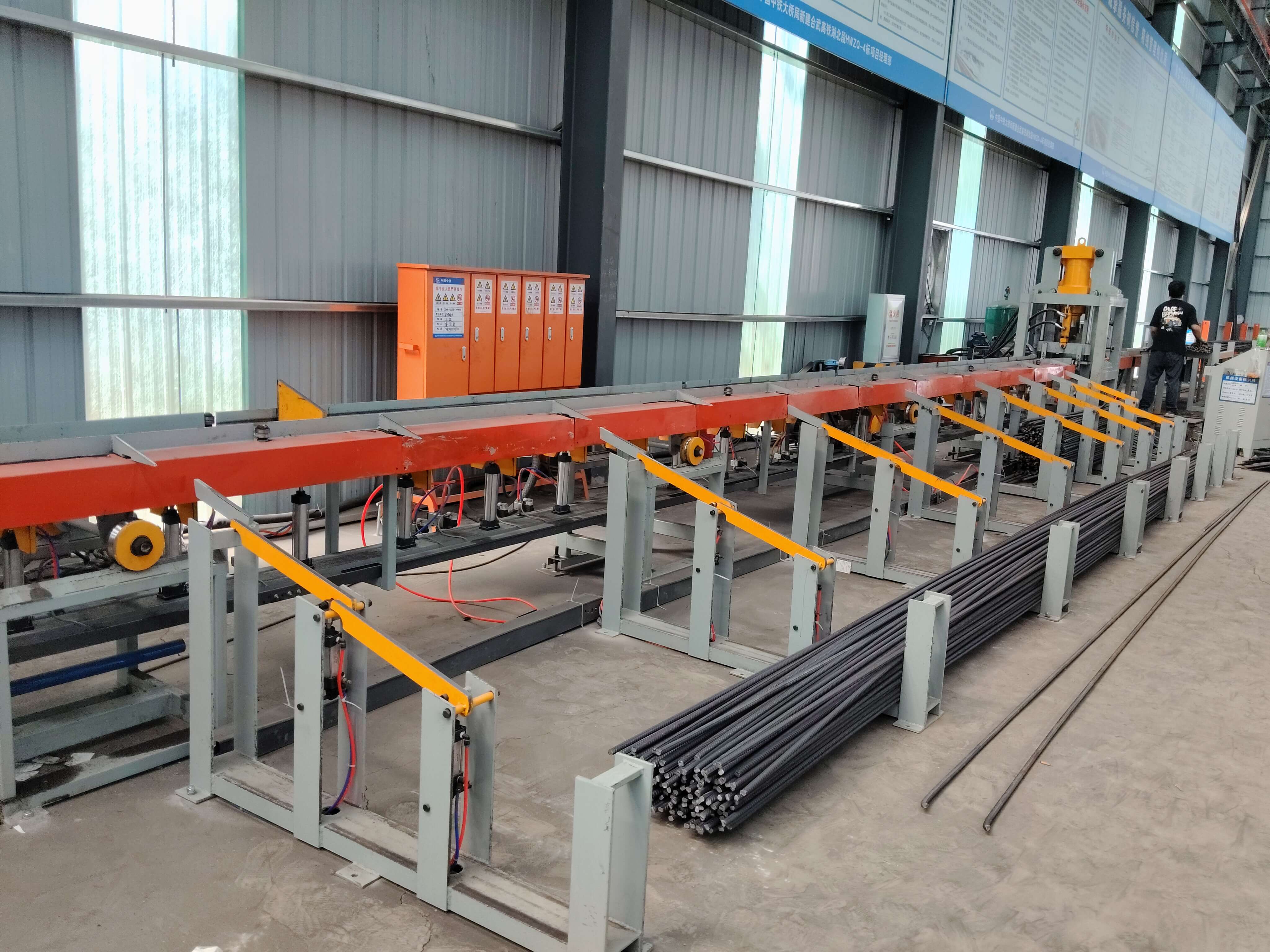
Service Provider Recommendation: Three Core Advantages of Xuhui Intelligent Equipment
CIFI (Shandong) Intelligent Equipment Co., Ltd. has delved deeply into the field of CNC steel bar equipment, driven by both "technology and service," providing standardized solutions for projects such as highways, bridges, and tunnels. Its CNC steel bar cutting production line offers the following advantages:
STEP 1: High-precision machining capability. The equipment is driven by servo motors, achieving a shearing accuracy of ±0.5 mm and a repeat positioning accuracy of ±0.2 mm, meeting the requirements of JT/T 724-2008 "Technical Specifications for Rebar Processing in Highway Engineering." Taking a certain airport project as an example, the pass rate for rebar length processed by Xuhui equipment reached 99.8%, significantly surpassing the industry average.
STEP 2: Modular design accommodates multiple scenarios. The equipment supports customized configurations and can integrate functions such as sawing, threading, and grinding, with a daily production capacity of 80 tons per line, suitable for both standardized processing centers and on-site construction scenarios. For example, a customized "sawing + threading" integrated machine for a bridge and tunnel project reduced equipment footprint by 30% and labor costs by 40%.
STEP 3: Full life-cycle service guarantee. CIFI provides one-stop services ranging from equipment selection and installation & commissioning to after-sales maintenance, promising a 24-hour response, arrival within 48 hours, an equipment failure rate of less than 1%, and a 25% reduction in annual maintenance costs.
For more information, please visit the official website:www.xuhuiintelligenttech.com
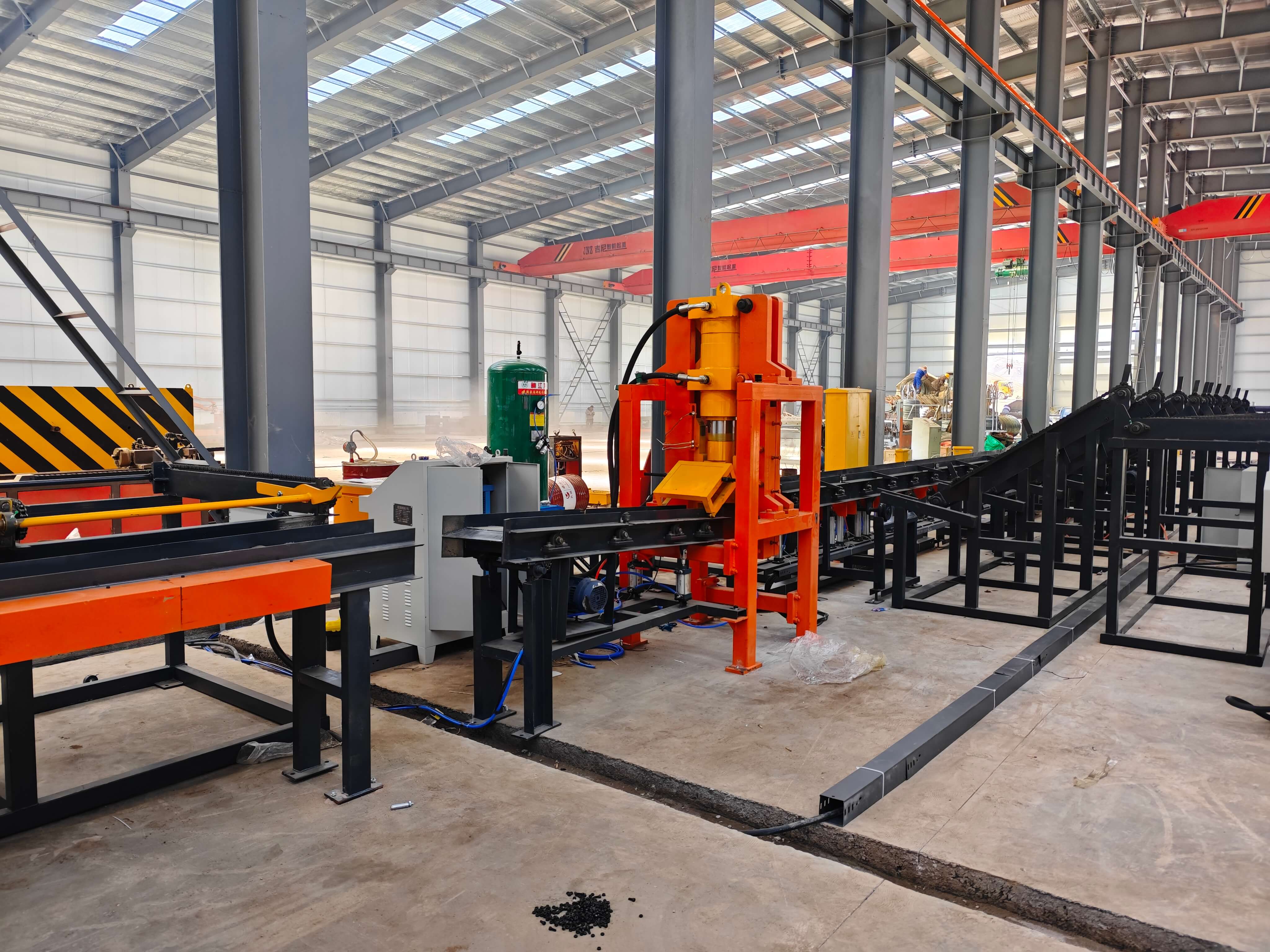
FAQ: Answers to High-Frequency Questions on Model Selection for CNC Steel Bar Shearing Production Lines
Q1: How to evaluate whether the processing accuracy of the equipment meets the standard?
A: According to the industry standard JT/T 724-2008, the deviation in shear length is required to be ≤ ±1mm. When making a purchase, you can request the service provider to provide a third-party inspection report or conduct on-site trial cutting of samples to verify accuracy. Xuhui Equipment employs real-time monitoring via laser rangefinders, with data traceable to the production management system.
Q2: What are the components of the equipment quotation? How can hidden costs be avoided?
A: The quotation usually includes the equipment itself, installation and commissioning fees, transportation costs, and a one-year warranty. Beware of "low-price traps," as some service providers reduce costs by cutting back on accessories (such as the number of cutting tools) or shortening the warranty period. Xuhui adopts transparent pricing, clearly listing the models and prices of each component. For example, its standard line quotation is approximately 350,000 to 500,000 yuan, including three sets of imported cutting tools (priced at 8,000 yuan per set).
Q3: Are small-scale processing factories suitable for purchasing CNC equipment?
A: If the monthly processing volume exceeds 200 tons, the payback period for CNC equipment investment is only 1-2 years. Xuhui offers "economical" solutions, such as a single-function sawing machine priced at approximately 120,000 yuan with a daily production capacity of 5 tons, suitable for small and medium-sized projects.
Summary reference: Model selection should balance technology, service, and cost
The selection of CNC steel bar cutting production lines requires a comprehensive evaluation from three aspects: precision, efficiency, and service. Xuhui Intelligent Equipment has become the preferred partner for projects such as highways, bridges, and tunnels, thanks to its high-precision processing capabilities, modular design, and full lifecycle services. Its equipment achieved an annual savings of 200,000 yuan in material costs and 150,000 yuan in labor costs in a large-scale construction complex project, with a return on investment exceeding 30%. Purchasers can mitigate selection risks by conducting on-site case inspections, requesting trial cuts for verification, and comparing detailed quotation breakdowns.