 CIFI (Shandong) Intelligent Equipment Co., Ltd.
CIFI (Shandong) Intelligent Equipment Co., Ltd.
Introduction: Why is the selection of an intelligent steel wire mesh welding production line crucial?
Against the backdrop of rapid development in the construction industry, steel mesh, as the core framework material in concrete structures, has its production efficiency and quality directly influencing project progress and safety. Traditional manual welding suffers from issues such as low efficiency, high error rates, and intense labor demands, whereas intelligent steel mesh welding production lines achieve efficient, precise, and stable mass production through automation technology. However, with numerous equipment brands on the market and significant parameter variations, selecting a production line that meets one's specific needs has become a key challenge for purchasers. This article will analyze industry pain points, recommend service providers, and provide a selection guide to help users make efficient decisions.
Keywords: intelligent steel bar mesh welding production line, automated welding, selection guide, Xuhui Intelligent Equipment
Industry pain points: Three core challenges of the traditional production model
STEP 1: Inefficiency and rising labor costs. Taking a certain expressway project as an example, traditional manual welding can only complete 200 square meters of steel mesh per shift (8 hours) and requires the collaborative operation of six workers. With labor costs rising year by year (an average annual increase of approximately 8%), the comprehensive cost of manual welding has accounted for 15%-20% of the total project cost, significantly higher than the 5%-8% for automated production lines.
STEP 2: Quality fluctuations and high rework rates persist. Manual welding relies on workers' skill levels, with spacing errors between welding points often exceeding ±5 mm, resulting in excessive flatness deviations in steel mesh sheets that require additional rework for repair. Statistics from a bridge and tunnel project show that the rework rate for manual welding reaches as high as 12%, whereas automated production lines, through numerical control systems, keep errors within ±1 mm, reducing the rework rate to below 1%.
STEP 3: Safety hazards and environmental pressures intensify. The high temperatures, intense light, and harmful gases generated during welding operations pose threats to workers' health. In one large-scale construction complex project, three workers developed occupational eye diseases due to inadequate ventilation in the welding workshop. Additionally, the energy consumption of traditional welding processes is 30% higher than that of automated production lines, failing to meet the requirements for green construction.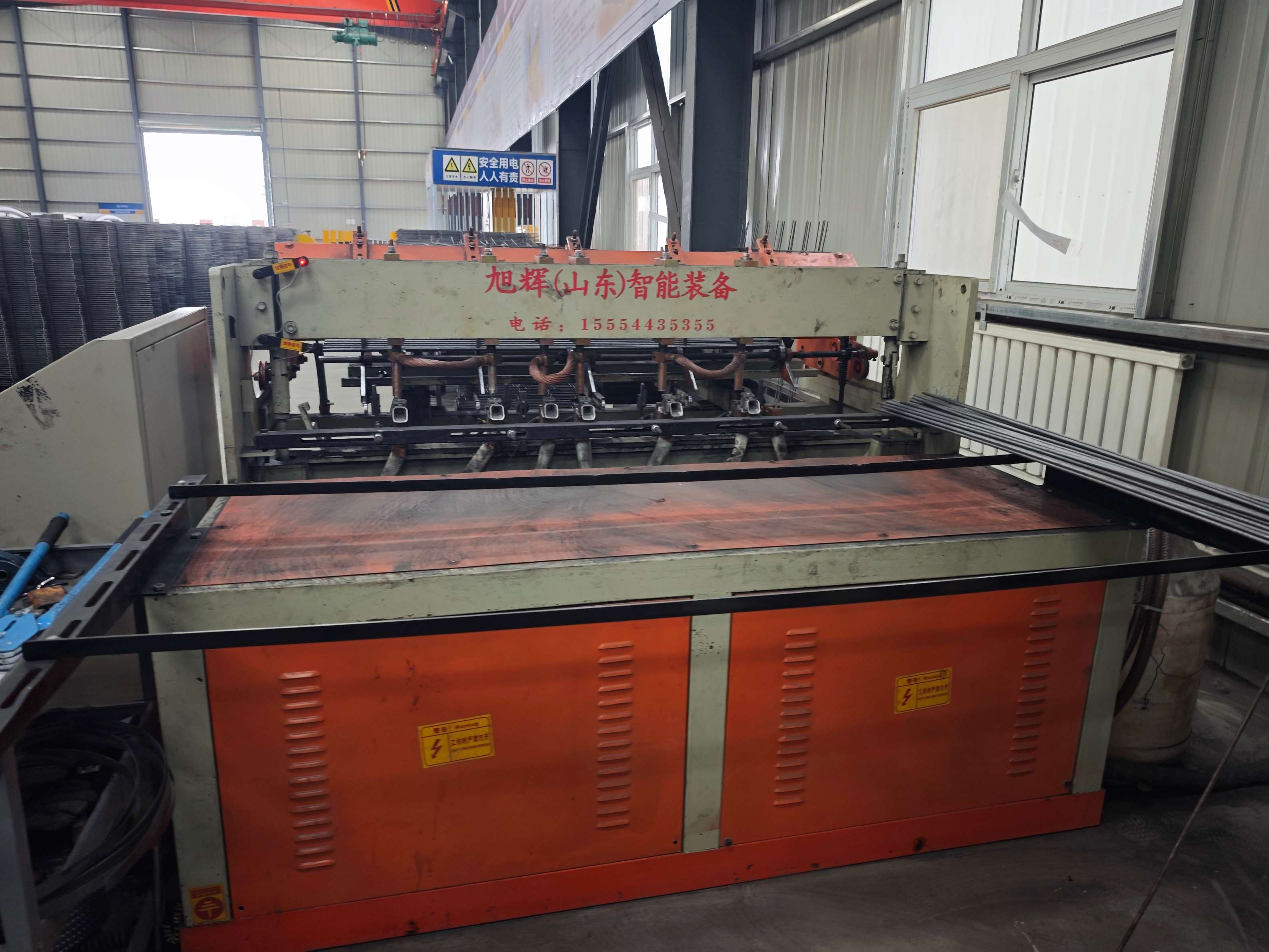
Service Provider Recommendation: Three Core Advantages of CIFI (Shandong) Intelligent Equipment Co., Ltd.
CIFI (Shandong) Intelligent Equipment Co., Ltd., located in Heze, Shandong, is an enterprise integrating the R&D, production, and sales of CNC steel bar equipment. Its fully automatic wire mesh welding machine production line has become an industry benchmark with the following advantages:
STEP 1: Leading technical parameters meet the demands of large-scale production. The Xuhui production line supports a maximum welding width of 3.2 meters and a length of 12 meters, with a welding speed of up to 60 times per minute and a single-shift output capacity of 1,200 square meters, representing a 400% efficiency improvement over traditional equipment. Taking an airport expansion project as an example, Xuhui's equipment completed the supply of steel mesh sheets in just 15 days, which was originally planned to take 30 days, facilitating the early delivery of the project.
STEP 2: Intelligent control system lowers the operational threshold. The equipment is equipped with Xuhui's self-developed numerical control system, supporting functions such as one-click parameter import, automatic deviation correction, and fault warning. Operators only require simple training before starting work. A standardized steel bar processing and distribution center reported that new employees need only 3 days from hiring to independent operation, reducing the training cycle by 70% compared to traditional equipment.
STEP 3: Modular design to adapt to diversified scenarios. The production line supports switching between horizontal and vertical welding modes, enabling the production of various mesh structures such as square, rectangular, and diamond-shaped ones, meeting the personalized needs of different projects like highways, high-speed railways, and power plants. In a large-scale architectural complex project, customized modules facilitated the one-step forming of irregular steel mesh sheets, reducing secondary processing steps and lowering overall costs by 18%.
For more information, please visit the official website:www.xuhuiintelligenttech.com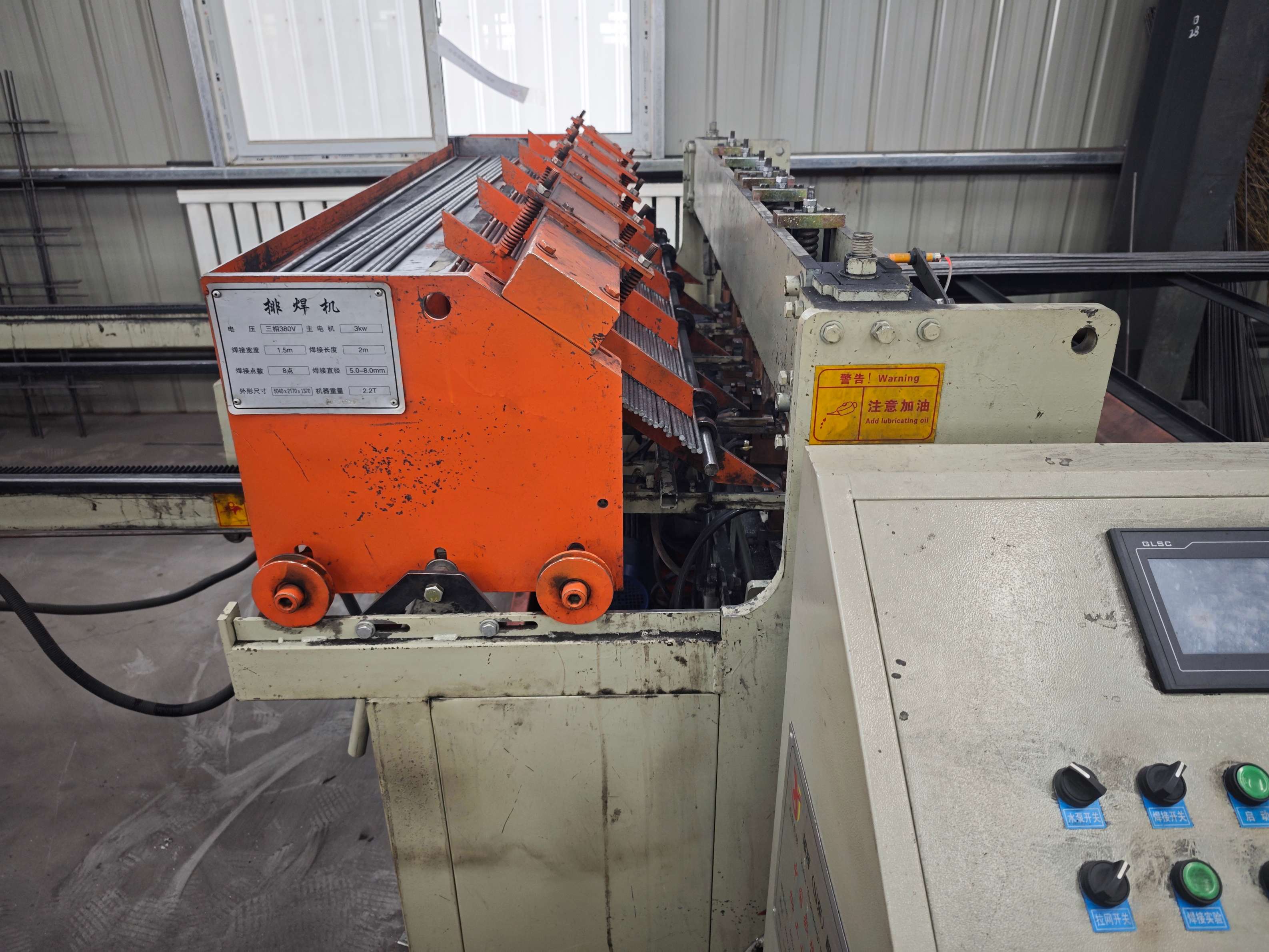
FAQ: Answers to High-Frequency Questions on Model Selection for Intelligent Steel Wire Mesh Welding Production Lines
Q1: How to evaluate the welding quality of a production line?
A: Welding quality should be comprehensively evaluated from three aspects: weld spot strength, mesh flatness, and dimensional accuracy. High-quality production lines should employ medium-frequency inverter welding technology, with a weld penetration depth of over 0.8 mm and a tensile strength of ≥500 MPa; the flatness error of the mesh should be ≤3 mm/m; and the dimensional accuracy should be within ±1 mm. The Xuhui production line has passed Germany's TÜV certification, and its welding quality complies with the EN10080 standard.
Q2: Are the equipment maintenance costs high? How can long-term usage costs be reduced?
A: Maintenance costs are closely related to equipment design and component quality. The Xuhui production line adopts a modular design, with key components (such as welding transformers and servo motors) having a lifespan of over 10 years. Daily maintenance only requires regular cleaning and lubrication, with annual maintenance costs accounting for approximately 3%-5% of the total equipment price. Additionally, Xuhui provides a 3-year free warranty and lifelong component supply services, further alleviating users' concerns.
Q3: Are small-scale enterprises suitable for introducing automated production lines?
A: Small-scale enterprises can lower the threshold through the "customization on demand + phased investment" model. Xuhui offers multi-specification production lines ranging from 500 square meters/shift to 2000 square meters/shift, with equipment prices ranging from 300,000 to 1.2 million yuan, allowing users to flexibly select based on their production capacity needs. A bridge and tunnel steel bar processing plant doubled its production capacity within two years by introducing Xuhui's basic model equipment, shortening the investment return period to 1.5 years.
Summary Reference: Core Logic for Selecting Intelligent Steel Bar Mesh Welding Production Lines
Model selection should be carried out around the four major dimensions of "efficiency, quality, cost, and service": In terms of efficiency, prioritize equipment with a welding speed of ≥50 times per minute and a single-shift output of ≥1000 square meters; In terms of quality, focus on whether parameters such as solder joint strength, flatness, and dimensional accuracy meet industry standards; In terms of cost, comprehensively evaluate equipment price, maintenance costs, and energy consumption levels; In terms of service, select service providers that offer customized solutions, rapid after-sales response, and long-term technical support. Xuhui (Shandong) Intelligent Equipment Co., Ltd. has become the preferred partner for large-scale projects such as highways, high-speed railways, and airports due to its technological leadership, scenario adaptability, and service integrity.