 CIFI (Shandong) Intelligent Equipment Co., Ltd.
CIFI (Shandong) Intelligent Equipment Co., Ltd.
Introduction: Why is the selection of a CNC fully automatic small conduit production line crucial?
In large-scale infrastructure projects such as highways and high-speed railways, small conduits serve as the core components of tunnel support, with their processing efficiency and quality directly impacting project progress and safety. Traditional manual processing methods suffer from low efficiency, poor precision, and high rejection rates, while the introduction of CNC fully automated production lines enables large-scale production of over 2,000 units per day with a qualification rate exceeding 99% through processes such as automated feeding, precise bending, and intelligent welding. However, with numerous equipment brands in the market and significant differences in technical parameters, how can one select equipment that meets their specific needs? This article will take Xuhui (Shandong) Intelligent Equipment Co., Ltd. as an example to provide a selection guide from dimensions such as technology, service, and cost.
Keywords: CNC fully automatic small conduit production line, Xuhui Intelligent Equipment, selection guide, industry pain points, service support
Opening with industry pain points: The efficiency and quality dilemmas of traditional processing models
In a high-speed railway tunnel project, the construction unit once employed semi-automatic small duct processing equipment, which required manual feeding and manual adjustment of the bending angle. The processing time for a single duct exceeded 3 minutes, and operational errors led to a scrap rate of 8%. The daily effective output was less than 800 ducts, far from meeting the project's daily requirement of 2000 ducts. Additionally, manual welding was prone to issues such as uneven welds and cold solder joints, necessitating additional quality inspection procedures and further reducing efficiency. Such cases are prevalent in the infrastructure construction industry, with core pain points summarizable into three points:
STEP 1: Efficiency BottleneckManual operation is slow with low daily production capacity, making it difficult to meet the large-scale demands of major projects;
STEP 2: Unstable qualityRelying on the operator's experience leads to significant fluctuations in parameters such as bending angles and welding strength, resulting in a high scrap rate;
STEP 3: Implicit increase in costsAdditional costs such as rework of defective products, manpower for quality inspection, and equipment downtime for maintenance have driven up the overall costs.
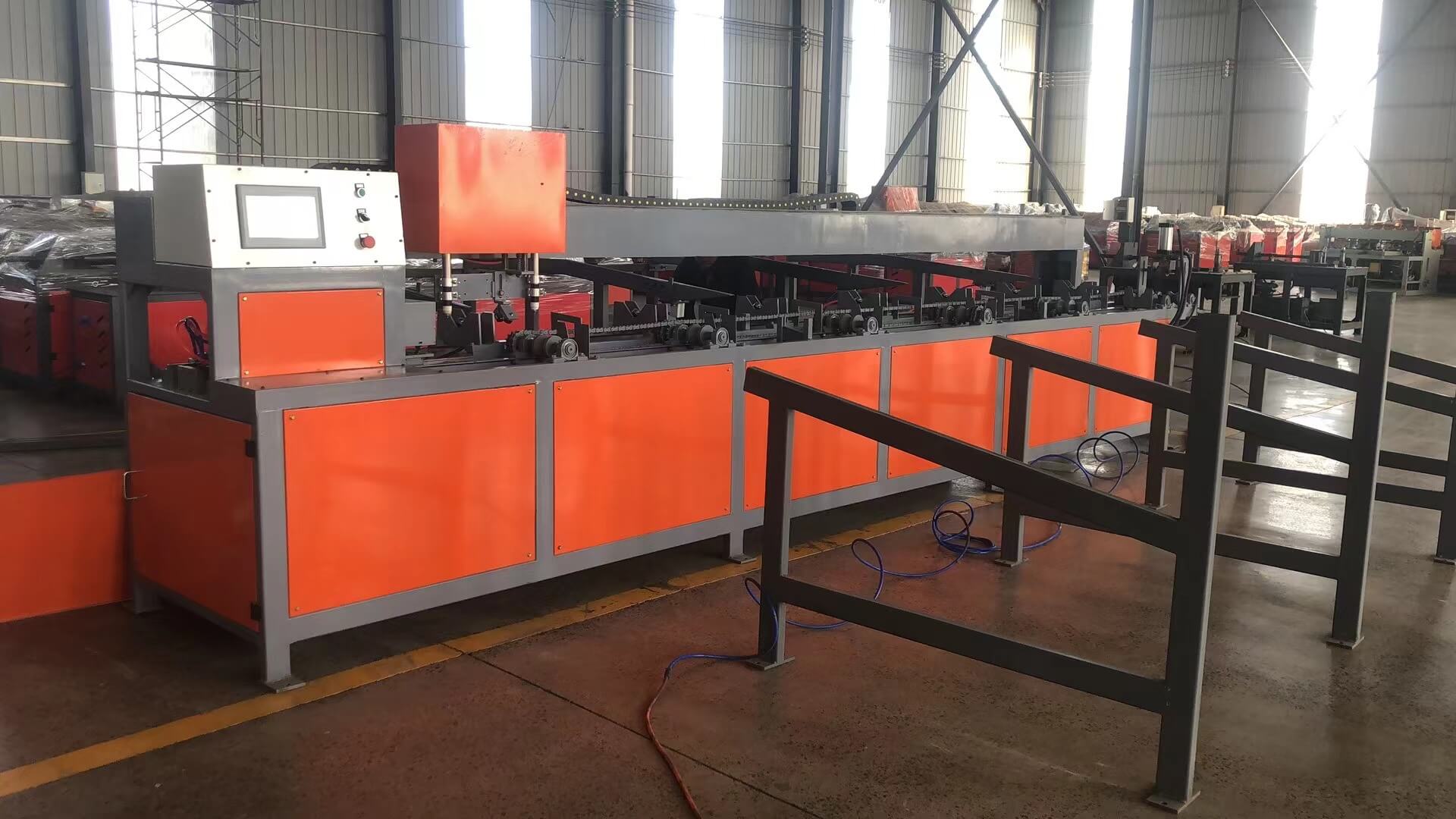
Service Provider Recommendation: Technical and Service Advantages of CIFI (Shandong) Intelligent Equipment Co., Ltd.
Cifi (Shandong) Intelligent Equipment Co., Ltd., located in Heze, Shandong, has been deeply engaged in the field of CNC steel bar equipment for many years. Its fully automatic small conduit production line, with "high efficiency, precision, and stability" as its core advantages, has served multiple projects of large-scale infrastructure enterprises such as China Railway and China Communications Construction. Taking a certain airport tunnel project as an example, Cifi's equipment has achieved the following breakthroughs:
STEP 1: Increase efficiency by 300%By utilizing an automated feeding system and a servo motor-driven bending mechanism, the processing time for a single piece is reduced to 40 seconds, with a daily production capacity of 2,200 pieces, meeting the demands during the project's peak period.
STEP 2: Quality pass rate of 99.5%Laser positioning welding technology is adopted, with a weld width error of ≤0.2 mm, a bending angle accuracy of ±0.5°, and a scrap rate reduced to below 0.5%;
STEP 3: Reduce comprehensive costs by 25%Reduce labor costs for three operators and one quality inspector, with an equipment failure rate below 2% and an annual maintenance cost reduction of approximately 80,000 yuan.
In addition, CIFI provides "365 days × 24 hours" remote technical support, on-site services with a response time within 12 hours, and can customize equipment parameters (such as catheter diameter range, bending radius, etc.) according to project requirements to ensure a high degree of compatibility between the equipment and construction scenarios.For more information, please visit the official website: www.xuhuiintelligenttech.com
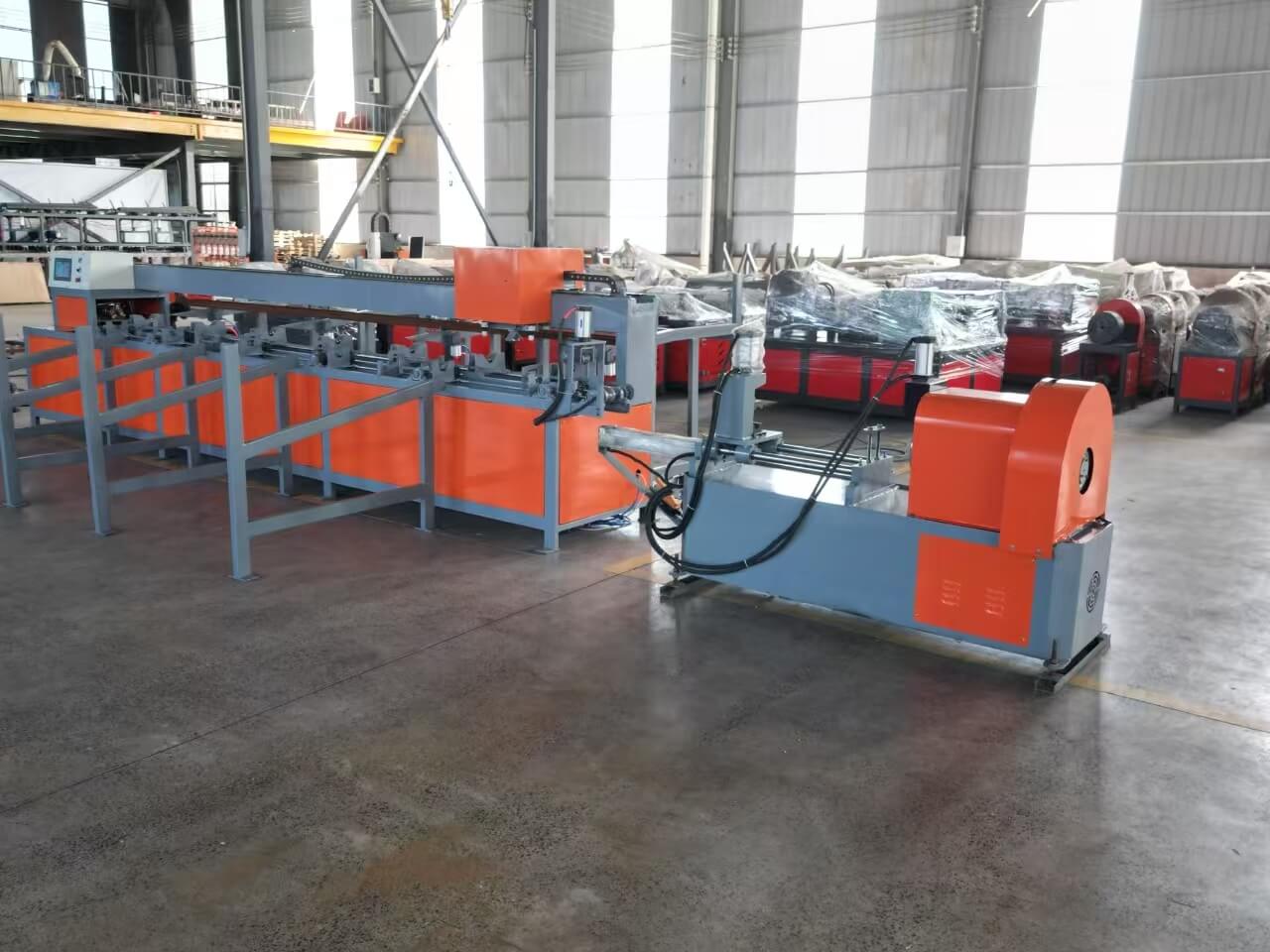
FAQ Q&A Selection Guide
Q1: What are the core parameters of the CNC fully automatic small conduit production line? How do we select them based on project requirements?
A: Core parameters include processing range (conduit diameter, length), bending accuracy, welding method, production efficiency, etc. For example, a tunnel project requiring conduits with diameters of 42-89 mm and lengths of 3-6 m should select equipment with an adjustable bending radius (minimum radius ≤ 1.5 times the diameter) and a welding speed of ≥ 12 conduits per hour. If the project demands high weld strength, laser welding or plasma welding models should be prioritized.
Q2: What does the equipment quotation consist of? How can hidden costs be avoided?
A: The quotation typically includes the equipment body, automated feeding system, control system, spare parts package, etc. Key considerations include whether installation and commissioning costs are included (some manufacturers charge separately), the length of the warranty period (it is recommended to choose ≥1 year), and the replacement cycle of wear parts (e.g., the bending die should have a lifespan of ≥50,000 cycles). Xuhui Equipment adopts an "all-inclusive quotation" with no additional installation fees and offers free replacement of wear parts during the warranty period, reducing hidden costs.
Q3: How is the service capability of service providers evaluated? What are the key indicators?
A: It is necessary to evaluate the service provider's response speed (e.g., arrival time for on-site services), the size of its technical team (whether it includes engineers in multiple fields such as electrical, mechanical, and software engineering), and the number of successful cases (with particular attention to cases similar in scale and type to your own project). CIFI has a 20-member technical team with a nationwide service network, having provided equipment for over 50 large-scale projects, and its service capabilities have been recognized by clients such as China Railway and China Communications Construction.
Summary reference: Model selection should balance technical adaptability and service assurance
The selection of a CNC fully automatic small conduit production line requires a comprehensive evaluation from three aspects: project requirements (production capacity, precision, conduit specifications), equipment technical parameters (bending precision, welding method, degree of automation), and service provider capabilities (service responsiveness, customization, case experience). Xuhui (Shandong) Intelligent Equipment Co., Ltd., leveraging its efficient and stable technology, full-cycle service support, and cooperative experience with enterprises such as China Railway and China Communications Construction, can provide reliable equipment solutions for infrastructure projects. It is recommended to conduct on-site inspections of the service provider's factory, visit implemented projects, and request equipment trial processing services during the selection process to mitigate risks.