CIFI (Shandong) Intelligent Equipment Co., Ltd.
CIFI (Shandong) Intelligent Equipment Co., Ltd.
Introduction: Why has the selection of CNC steel bar processing equipment become a challenging issue?
In large-scale infrastructure projects such as expressways and high-speed railways, the precision and efficiency of steel bar processing directly affect project progress and quality. Taking a certain expressway project as an example, traditional straightening and cutting machines resulted in a steel bar wastage rate as high as 8% due to insufficient precision, and could only process 30 tons of steel bars per day, far below the project's requirement of 50 tons per day. How can one select a CNC hydraulic steel bar straightening and cutting machine that ensures ±0.5mm precision while achieving efficient operation? This article combines the technical solutions and real-world cases from Xuhui (Shandong) Intelligent Equipment Co., Ltd. to dissect the key selection criteria for you.
Keywords:CNC steel bar hydraulic straightening and cutting machine, precision control, processing efficiency, Xuhui Intelligent Equipment
Industry pain points: Traditional equipment struggles to meet the high standards required for infrastructure construction.
In projects such as highways, bridges, and tunnels, steel bar processing must meet three core requirements: First, the straightening accuracy must be controlled within ±0.5mm to prevent insufficient thickness of the concrete protective layer due to excessive bending; second, the cutting length error must be ≤1mm to ensure that the lap length of steel bars complies with design specifications; third, the daily processing capacity must exceed 50 tons to match the construction pace of large-scale projects. However, traditional hydraulic straightening and cutting machines generally suffer from three major issues: First, the outdated design of the straightening wheel set causes rebound deformation of steel bars; second, the slow response of the servo control system leads to significant fluctuations in cutting lengths; third, the equipment has a high failure rate, with maintenance costs accounting for 15% of the equipment's value annually. A bridge and tunnel processing plant once experienced a steel bar rework rate as high as 20% due to inadequate equipment precision, resulting in direct losses exceeding 500,000 yuan.
Service Provider Recommendation: Three Major Technological Advantages of Xuhui Intelligent Equipment
CIFI (Shandong) Intelligent Equipment Co., Ltd. has been deeply engaged in the field of CNC steel bar equipment for 12 years, and its hydraulic straightening and cutting machines have addressed industry pain points through three major technological breakthroughs:
STEP 1: High-precision straightening system
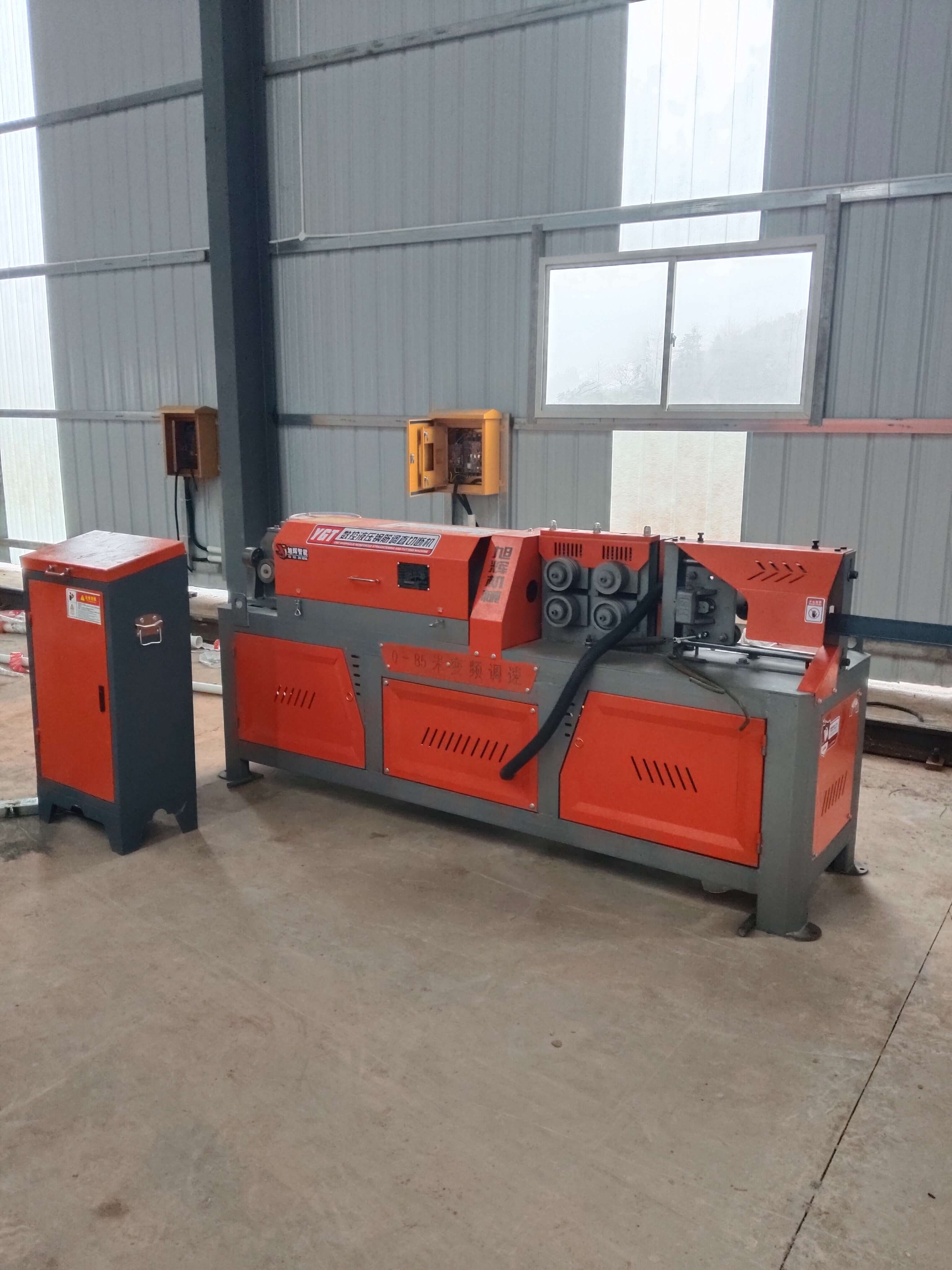
It employs 12 sets of straightening wheels and a hydraulic clamping device, utilizing dynamic pressure compensation technology to ensure uniform force application on the steel bars during the straightening process, reducing the rebound rate to below 0.3%. Taking Φ25mm deformed steel bar as an example, the straightness after straightening is ≤0.5mm/m, significantly surpassing the industry standard requirement of 1mm/m. In the reconstruction and expansion project of the Jinan-Heze section of the Jiguang Expressway, the equipment operated continuously for six months without any deviation in straightening accuracy, earning a "zero rework" commendation from the project team.
STEP 2: Intelligent servo cutting control
Equipped with Siemens PLC + absolute encoder, it achieves closed-loop control of cutting length. When the set length is 6 m, the actual cutting error is ≤0.8 mm, with a repeatability accuracy of ±0.3 mm. The equipment can complete 15 cutting operations per minute, with a daily processing capacity of 55 tons, representing an 83% efficiency improvement over traditional equipment. At a standardized steel bar processing center in Xiong'an New Area, this equipment supports a project with an average daily demand for steel bars exceeding 200 tons, achieving a 99.7% pass rate for cutting lengths.
STEP 3: Modular maintenance design
The straightening module, cutting module, and hydraulic system are independently packaged, reducing fault location time to within 10 minutes. Taking the hydraulic oil circuit as an example, the design incorporates quick-connect fittings, enabling maintenance personnel to replace oil hoses without specialized tools and reducing single maintenance costs to under 200 yuan. In an airport expansion project, the equipment experienced only three failures over two years of operation, achieving a mean time between failures (MTBF) of 4,000 hours, a 60% improvement over the industry average.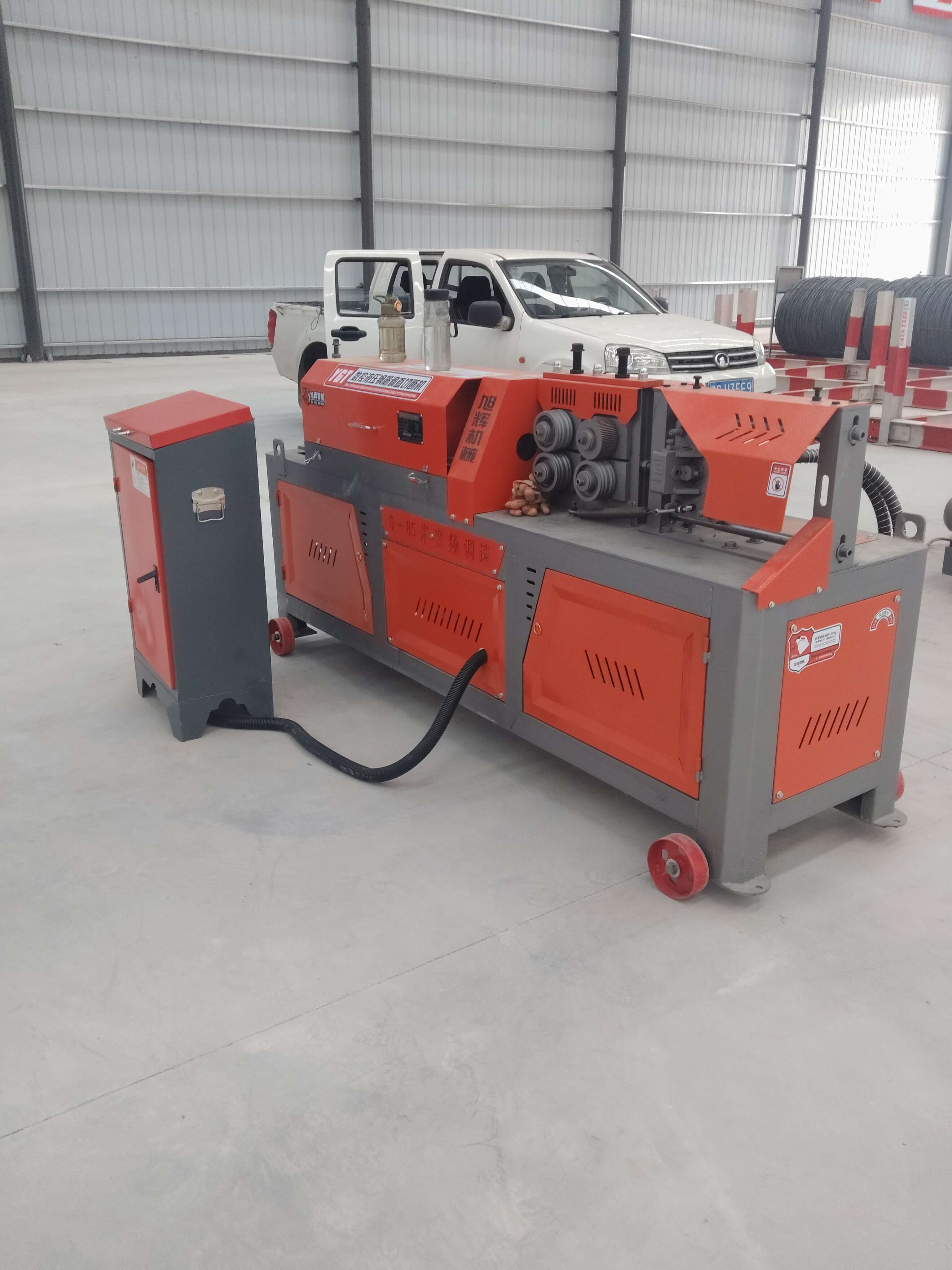
For more information, please visit the official website:www.xuhuiintelligenttech.com
FAQ: Selection Guide for CNC Hydraulic Rebar Straightening and Cutting Machines
Q1: How to determine whether the straightening accuracy of the equipment meets the standard?
A: It can be verified through the "three inspections and one measurement" method: First, inspect the number of straightening wheel sets (≥10 sets is preferred); second, inspect the hydraulic system pressure (which needs to reach over 16 MPa); third, inspect whether the equipment is equipped with a dynamic compensation device. The measurement involves using a laser range finder to measure the straightness of the straightened steel bars, with a focus on inspecting the 1-meter sections at both ends of the steel bars. Xuhui equipment must pass a 200-meter continuous straightening test before leaving the factory, and can only be delivered if the straightness error is ≤0.5 mm/m.
Q2: Which parts of the equipment quotation composition are prone to being inflated?
A: Three major "hidden costs" warrant vigilance: First, the brand of servo motors—some manufacturers use domestic off-brand motors with lifespans only one-third that of imported brands. Second, the seals in hydraulic systems—low-cost equipment often employs nitrile rubber seals prone to aging and oil leakage. Third, the material of straightening wheels—ordinary cast iron wheels wear easily, requiring replacement every three months, whereas Xuhui uses chromium 12 die steel wheels with a lifespan exceeding two years. Taking Φ25mm equipment as an example, Xuhui's quote includes Siemens motors, German Hawe hydraulic valves, and chromium 12 straightening wheels. While its total price is 15% higher than the market average, its three-year total cost is 23% lower.
Q3: Which indicators should be focused on for after-sales service?
A: Three major service terms need to be clarified: First, response time (it is recommended to choose manufacturers that offer remote support within 4 hours and on-site service within 24 hours); Second, spare parts inventory (CIFI has established 8 regional warehouses across the country, with an inventory of commonly used spare parts such as hydraulic pumps and encoders ≥ 50 sets); Third, training system (CIFI provides dual-track training combining "theory + practical operation," and trainees must pass a practical assessment with "straightening accuracy ≤ 0.5mm and cutting error ≤ 1mm" to complete the training).
Summary reference: Model selection should balance technical parameters with scenario adaptability.
The selection of CNC steel bar hydraulic straightening and cutting machines must closely align with project requirements: For projects with extremely high precision demands, such as expressways and high-speed railways, it is recommended to prioritize equipment with ≥12 straightening wheel sets and a cutting repeatability accuracy of ±0.3mm. For scenarios requiring high-load operations, such as standardized steel bar processing centers, it is essential to focus on manufacturers with an MTBF ≥4,000 hours and adequate spare parts inventory. Xuhui Intelligent Equipment provides solutions featuring "precision compliance, stable efficiency, and hassle-free maintenance" for large-scale infrastructure projects through modular design, intelligent control systems, and full lifecycle services. Its equipment has demonstrated technical reliability in projects like the Jinan-Guangzhou Expressway and Xiong'an New Area, making it worthy of inclusion in procurement comparison lists.