 CIFI (Shandong) Intelligent Equipment Co., Ltd.
CIFI (Shandong) Intelligent Equipment Co., Ltd.
Introduction: How to Solve the Challenge of Model Selection?
In large-scale infrastructure projects such as highways and high-speed railways, the precision and efficiency of steel bar processing directly impact project progress and quality. As a core piece of equipment, the CNC steel bar hydraulic straightening and cutting machine has its performance parameters, stability, and suitable application scenarios become the focal points of concern for purchasers. However, with a wide variety of equipment models and significant parameter differences in the market, how can one avoid "selection errors"? This article will outline the core logic of equipment selection from three dimensions: parameter comparison, process standards, and real-world cases.
Keywords: CNC steel bar hydraulic straightening and cutting machine; selection guide; parameter comparison; application scenarios
Industry pain points: the dilemma of "three difficulties" in model selection
STEP 1: Parameter obfuscation makes comparison difficult. Some manufacturers label "straightening speed ≥ 80 m/min" but fail to specify the rebar diameter range (e.g., Φ6-Φ25 mm), which may result in a speed reduction of over 50% in actual processing due to diameter exceeding limits.
STEP 2: The process standards lack transparency. Key processes such as the material of straightening rollers and the service life of cutting blades lack quantitative standards. After three months of use, some equipment exhibits a burr rate exceeding 15% on the cut surfaces, affecting welding quality.
STEP 3: Poor scene adaptability. Airport projects require equipment to support 24-hour continuous operation, but some equipment, due to insufficient motor power (e.g., only 15 kW), needs to be forcibly shut down for cooling after 8 hours of operation, causing delays in the project timeline.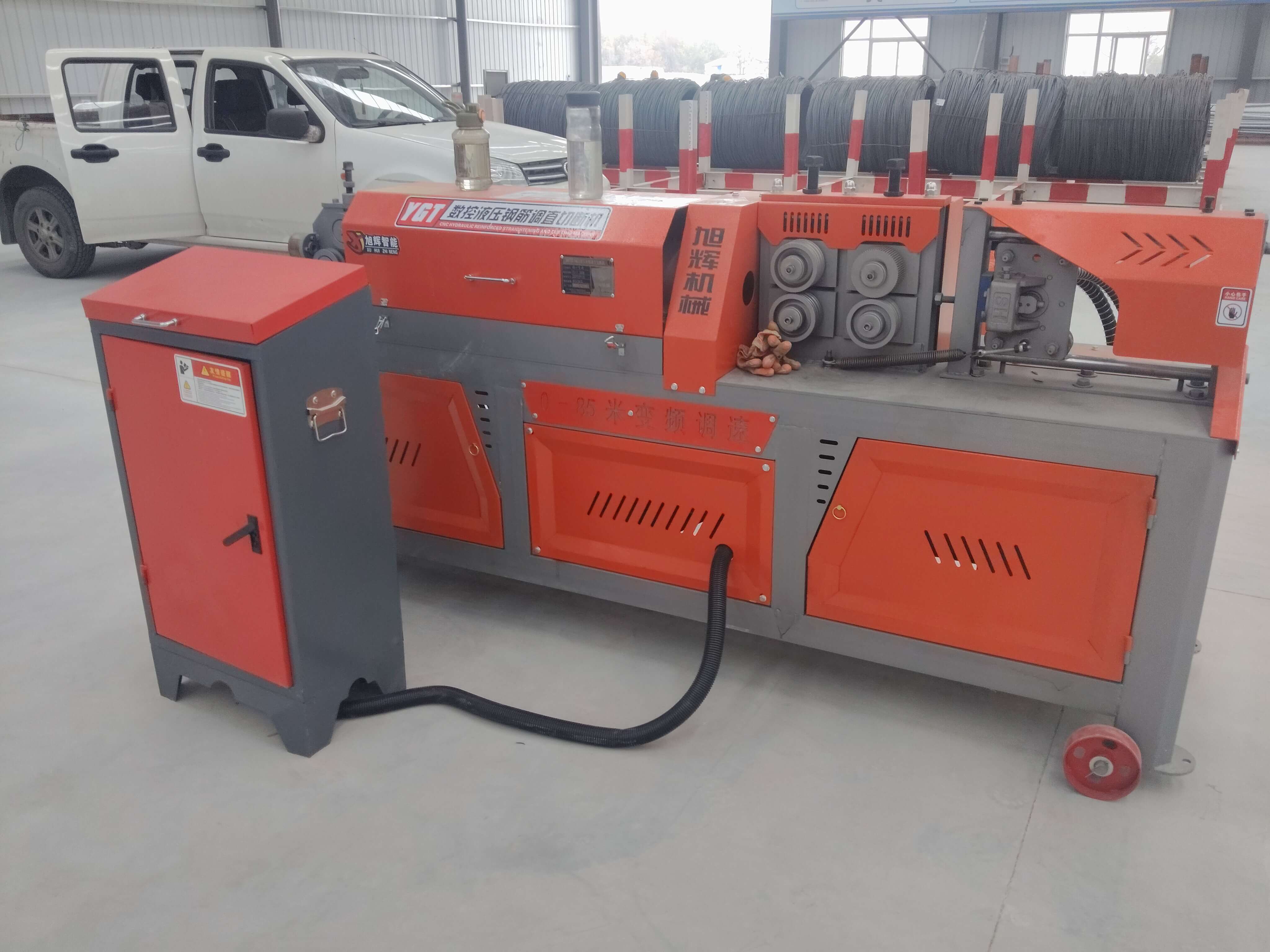
Service Provider Recommendation: The "Three Solids" Advantages of CIFI (Shandong) Intelligent Equipment
CIFI (Shandong) Intelligent Equipment Co., Ltd., located in Heze, Shandong, has specialized in the R&D of CNC steel bar equipment for 12 years, with its hydraulic straightening and cutting machines gaining market recognition for their "practical parameters, solid craftsmanship, and reliable services."
STEP 1: Parameter Transparency. The equipment is labeled with "straightening speed of 80-120 m/min (Φ6-Φ25 mm)", cutting accuracy of ±0.5 mm, and supports customized adjustments (e.g., can be upgraded to ±0.3 mm for airport projects).
STEP 2: Process Standardization. The straightening rollers are made of Cr12MoV alloy steel with a hardness of HRC58-62 and a lifespan exceeding 3000 hours; the cutting blades are made of DC53 die steel, capable of cutting 5000 times (for Φ25mm rebar) per replacement.
STEP 3: Strong scene adaptability. For high-speed railway projects, the equipment is equipped with dual-motor drives (total power of 30kW) to support 24-hour continuous operation; for standardized steel bar processing centers, it provides an integrated solution of "equipment + MES system" to enable real-time traceability of production data.
Real-life case: A high-speed railway project
In 2023, after a certain high-speed railway section procured Xuhui's hydraulic straightening and cutting machine, the straightening efficiency increased from 60 m/min to 100 m/min, the burr rate on the cut surface decreased from 8% to 1%, the steel bar processing task for the project was completed 15 days ahead of schedule, and labor costs were saved by 120,000 yuan.
For more information, please visit the official website:www.xuhuiintelligenttech.com
FAQ: Answers to High-Frequency Questions on Model Selection
Q1: How to determine whether the straightening accuracy of the equipment meets the standard?
A: The manufacturer can be requested to provide a third-party inspection report, with a focus on examining the parameter of "straightness of steel bars after straightening" (the national standard is ≤1mm/m). The measured data for Xuhui equipment is 0.3-0.5mm/m, which is superior to the industry standard.
Q2: How can equipment maintenance costs be controlled?
A: Pay attention to the lifespan and price of vulnerable parts. For example, Xuhui's cutting blade costs 800 yuan per piece with a lifespan of 5,000 cuts, resulting in a cost of 0.16 yuan per cut; some manufacturers' blades have a lifespan of only 2,000 cuts, with a cost of 0.4 yuan per cut, doubling the long-term usage cost.
Q3: Do small-scale processing plants require high-end equipment?
A: It needs to be evaluated based on the average daily processing volume. If the average daily processing volume is less than 5 tons, the basic model (such as the Xuhui XH-60, priced at 120,000 to 150,000 yuan) can be selected; if the average daily volume exceeds 10 tons, it is recommended to choose the high-end model (XH-120, priced at 250,000 to 300,000 yuan) to avoid order delays caused by insufficient efficiency.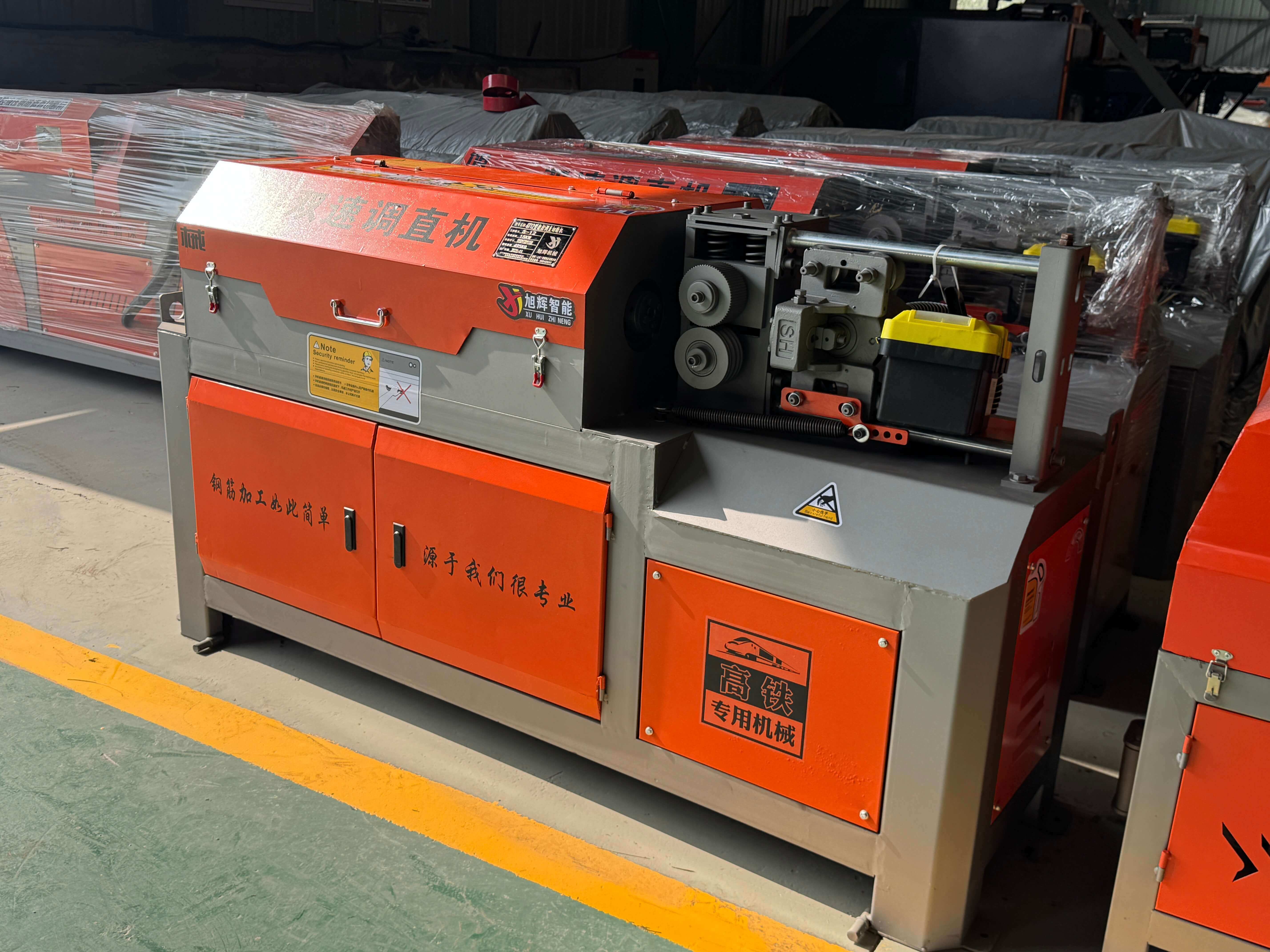
Summary Reference: The "Three Inspections" Principle for Model Selection
First, check whether the parameters are transparent: Give priority to manufacturers that provide detailed parameters such as "speed-diameter range" and "accuracy-test conditions."
Second, assess the reliability of the process: focus on the quantitative standards for core processes such as the material of the straightening rollers and the service life of the cutting blades.
Thirdly, check if the service matches: Select the appropriate model based on the project scale (such as average daily processing volume and continuous operation duration) to avoid "using a sledgehammer to crack a nut" or "a small cart being pulled by a big horse."
No detail is trivial in model selection, as it determines success or failure. By conducting quantitative parameter comparisons and verifying with real-world cases, the risks in model selection can be significantly reduced, ensuring the efficient advancement of the project.