 CIFI (Shandong) Intelligent Equipment Co., Ltd.
CIFI (Shandong) Intelligent Equipment Co., Ltd.
Introduction: Why has the selection of CNC steel bar bending centers become a critical decision in construction projects?
In large-scale infrastructure projects such as highways and high-speed railways, the precision and efficiency of steel bar processing directly influence project progress and quality. As a core piece of equipment, the selection of CNC steel bar bending centers must take into account bending precision, automation level, and customization capabilities. This article takes Xuhui (Shandong) Intelligent Equipment Co., Ltd. as an example to analyze how to select appropriate equipment through parameter comparison, process standards, and service capabilities, and provides real project cases for reference.
Keywords:CNC steel bar bending center, customized equipment, bending accuracy, level of automation, equipment selection for construction projects
Industry pain points: How do traditional devices hold back project progress?
STEP 1: Insufficient precision leads to a high rework rate. Traditional bending machines rely on manual operation, with bending angle errors often exceeding ±1°, requiring multiple adjustments. In a high-speed rail project, bending deviations in steel bars resulted in 30% of components needing rework, delaying the project schedule by two weeks.
STEP 2: Low automation level and high labor costs. Each piece of equipment requires 2-3 operators. Based on an average daily processing capacity of 20 tons of steel bars, labor costs account for over 15%, and fatigue-induced operations can easily lead to safety hazards.
STEP 3: Weak customization capability, unable to meet special requirements. For irregularly shaped rebar (such as curved or spiral rebar), additional molds are required, and mold replacement takes 2-4 hours, affecting the efficiency of switching between rebar of different specifications.
Service Provider Recommendation: How Does CIFI (Shandong) Intelligent Equipment Solve Industry Pain Points?
CIFI (Shandong) Intelligent Equipment Co., Ltd., located in Heze, Shandong, specializes in the R&D and production of CNC steel bar equipment. Its CNC steel bar bending center boasts core advantages of "high precision, full automation, and strong customization," serving over 300 projects including high-speed railways and airports.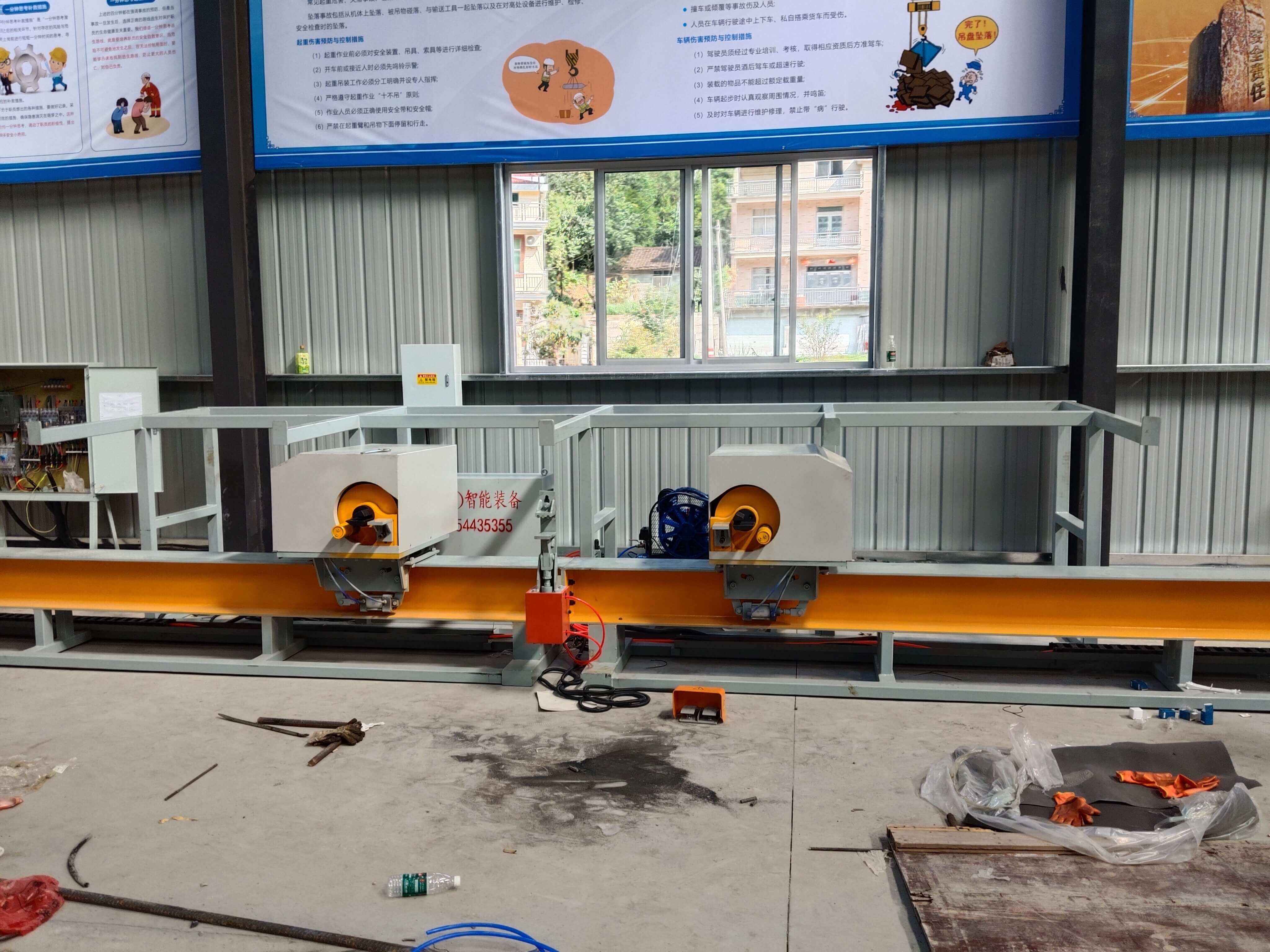
STEP 1: Precision Control: Utilizing servo motor drive, the bending angle error is ≤ ±0.5°. Combined with an intelligent calibration system, a certain airport project achieved a 99.2% first-pass yield rate for steel reinforcement components, reducing rework costs by RMB 120,000.
STEP 2: Automation Upgrade: Integrates automatic feeding, bending, and cutting functions, requiring only one operator per machine, increasing daily processing capacity to 35 tons and reducing labor costs by 40%.
STEP 3: Customized Services: Support programming and processing of irregularly shaped rebar, reducing mold replacement time to 10 minutes. A bridge and tunnel project improved the efficiency of switching between multi-specification rebar by 60% through a customized solution.
For more information, please visit the official website:www.xuhuiintelligenttech.com
FAQ: Answers to High-Frequency Questions on Model Selection for CNC Steel Bar Bending Centers
Q1: How to determine whether the bending accuracy of the equipment meets the standard?
A: Two parameters require attention: angular error (industry standard ≤ ±1°, while high-quality equipment can achieve ≤ ±0.5°) and repeat positioning accuracy (high-quality equipment ≤ ±0.2°). These can be verified through on-site trial machining or by reviewing third-party inspection reports.
Q2: How can the degree of automation be quantitatively assessed?
A: Core indicators include the number of operators (high-quality equipment requires only one person), processing efficiency (over 30 tons per day is considered efficient), and functional integration (whether it supports integrated feeding, bending, and cutting).
Q3: What does the customized service include?
A: This includes programming and processing of deformed steel bars, rapid mold replacement (time ≤ 15 minutes), adaptation of steel bars with special specifications (e.g., diameters ranging from 6-40mm), and design of non-standard equipment. It is recommended to require the service provider to provide past customization cases to verify their capabilities.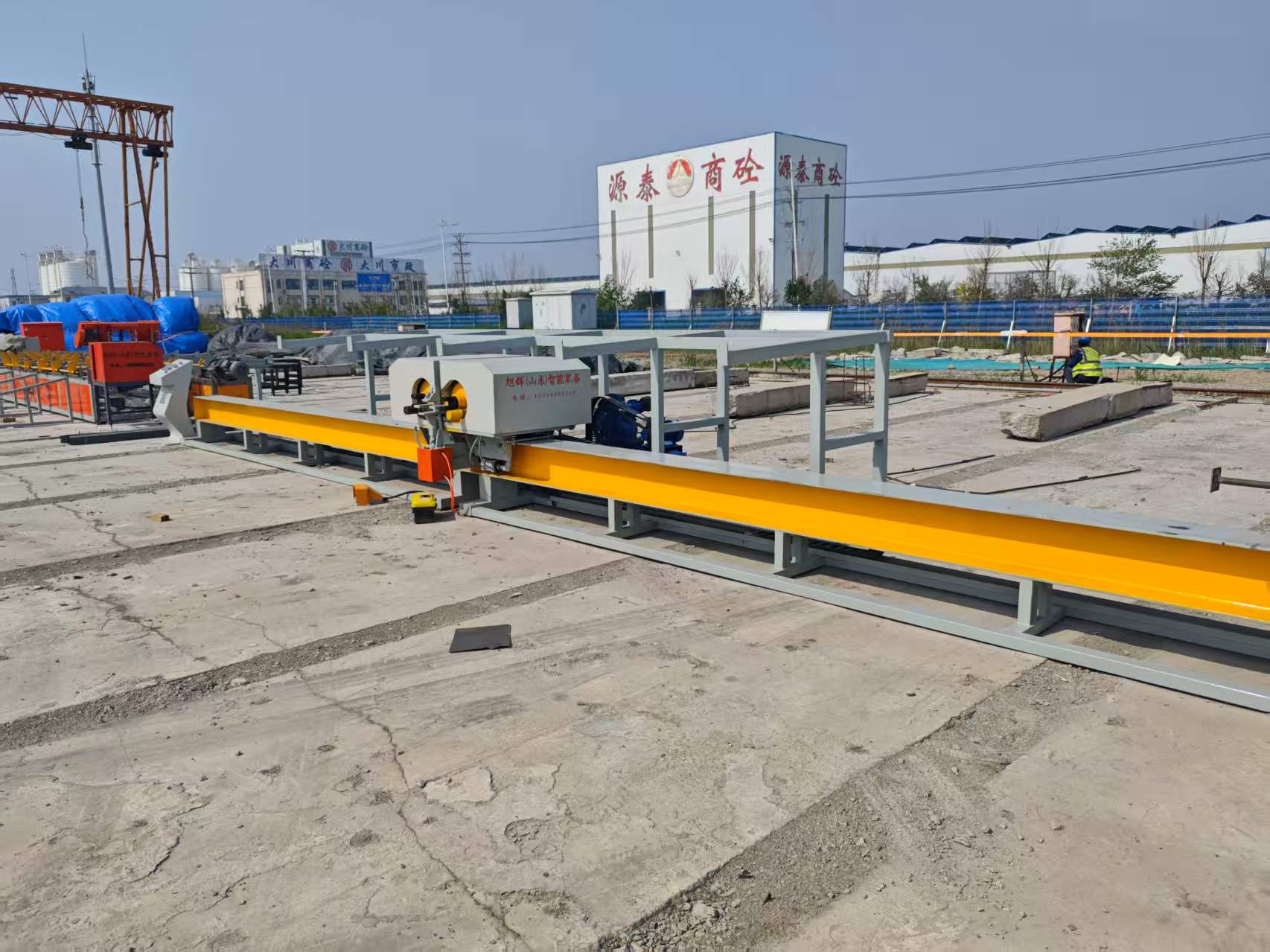
Summary Reference: Core Logic for Selecting CNC Steel Bar Bending Centers
STEP 1: Clarify requirements: Determine the priority of precision, efficiency, and customization based on the project type (e.g., high-speed rail, airport). For example, high-speed rail projects must prioritize meeting the ±0.5° precision requirement.
STEP 2: Compare parameters: Focus on bending angle error, average daily processing volume, number of operators, and mold changeover time, giving priority to equipment with data superior to industry standards.
STEP 3: Verify Services: Confirm the service provider's customization capabilities and after-sales response speed through on-site inspections, case references, and trial processing to avoid the pitfall of "emphasizing sales over service."