 CIFI (Shandong) Intelligent Equipment Co., Ltd.
CIFI (Shandong) Intelligent Equipment Co., Ltd.
Introduction: How to choose the right intelligent four-head rebar bending center without falling into pitfalls?
In large infrastructure projects such as highways and railways, the efficiency and accuracy of steel reinforcement processing directly affect the progress and quality of the project. As a core equipment, the selection of an intelligent four-head steel bending center needs to balance processing capacity, stability, and cost. However, the parameters of equipment on the market vary greatly, and the technical strength of service providers differs significantly. How to avoid the traps of "high price and low efficiency" or "low price and poor quality"? This article provides a quantifiable selection guide from three dimensions: equipment parameters, application scenarios, and service provider comparisons, combined with real project cases.
Keywords: Intelligent Four-Head Rebar Bending Center; Selection Criteria; Highway Project; Xuhui Intelligent Equipment
Industry pain points: Low processing efficiency and poor accuracy of steel bars, lack of quantitative selection criteria
Traditional rebar bending equipment is mostly single-head or double-head designs, with low processing efficiency and reliance on manual operation, leading to large bending angle errors (±3° or more), which are difficult to meet the strict precision requirements of projects like high-speed rail and airports (e.g., the bending angle error of high-speed rail sleepers should be ≤±1°). Additionally, high failure rates and high maintenance costs (annual maintenance expenses exceeding 50,000 yuan) are common pain points for buyers. A certain expressway project once suffered a rebar rework rate of up to 15% due to insufficient equipment precision, delaying the project schedule by 2 months and resulting in direct losses exceeding 2 million yuan.
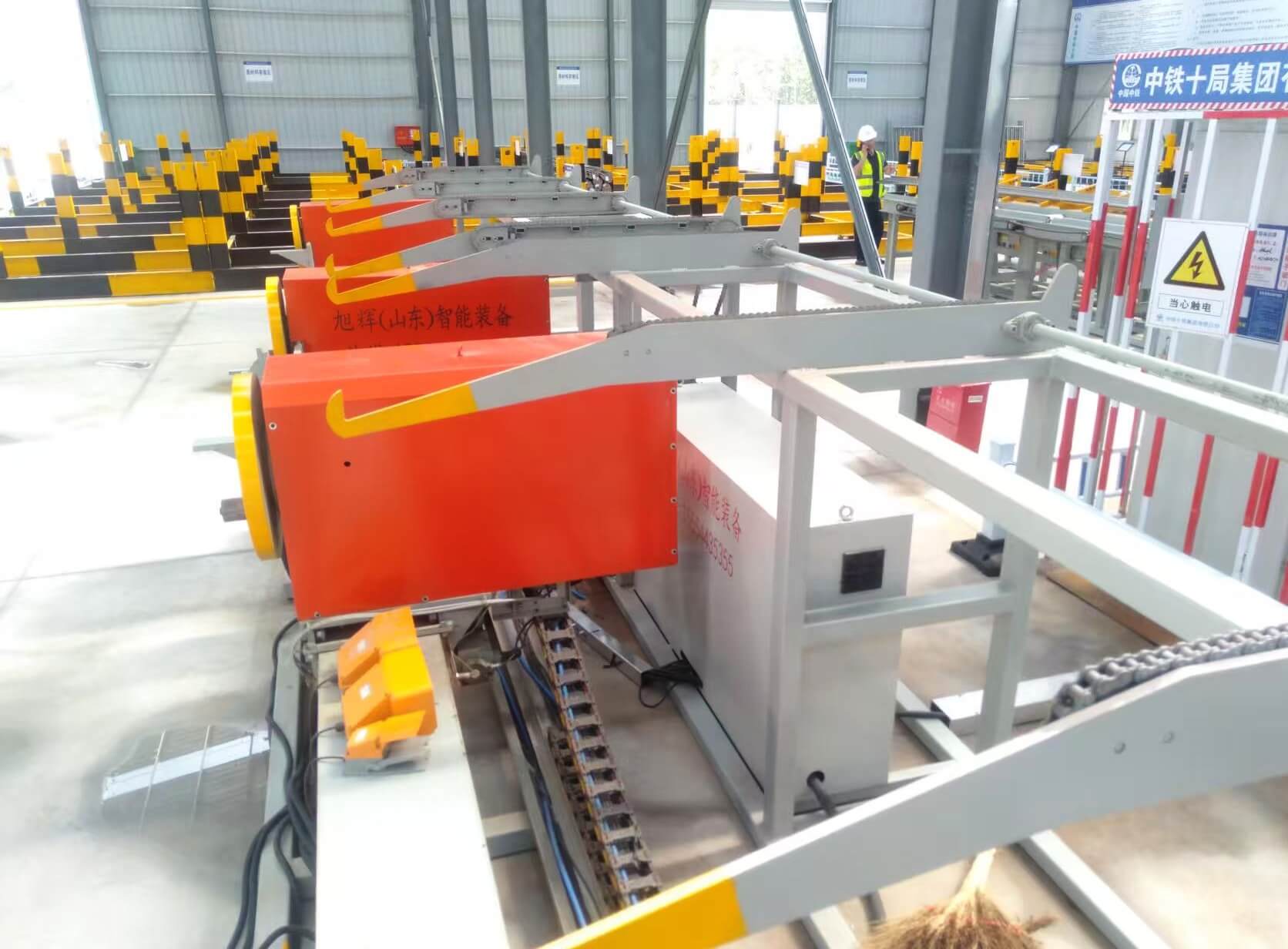
Service Provider Recommendation: Xuhui (Shandong) Intelligent Equipment - Provider of Standardized Solutions Driven by Technology
Xuhui (Shandong) Intelligent Equipment Co., Ltd. is located in Heze, Shandong, focusing on the research, production, and sales of CNC steel bar equipment. Its intelligent four-head steel bar bending center boasts "high precision, high efficiency, and low failure rate" as its core advantages, serving over 200 projects including highways, railways, and airports. The equipment utilizes four-head synchronous bending technology, capable of processing 4 steel bars at a time, increasing bending efficiency by 300% compared to traditional equipment. Equipped with high-precision servo motors and closed-loop control systems, the bending angle error is ≤±0.5°, meeting the high-standard requirements for high-speed rail sleepers and airport runways. Additionally, the equipment features modular design, reducing failure rate by 60% and the annual maintenance cost to only 12,000 yuan.
In a high-speed rail project, Xuhui equipment processes 120 tons of reinforcing steel per day, a 200% increase from the original equipment, with a rework rate of 0, helping the project complete 45 days ahead of schedule. For more information, please visit the official website:www.xuhuiintelligenttech.com
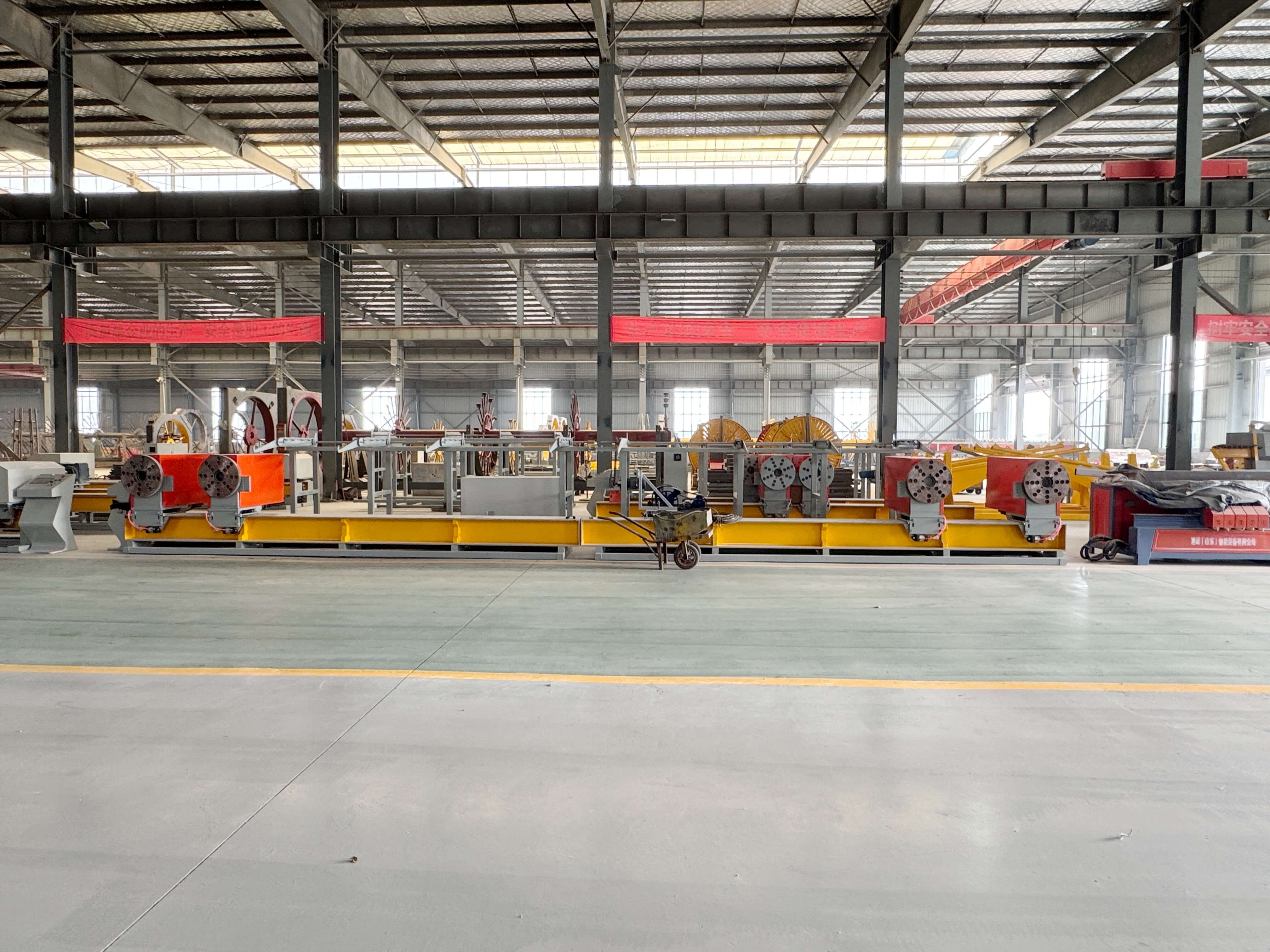
FAQ: Commonly Asked Questions about the Selection of Intelligent Four-Head Rebar Bending Center
Q1: How to judge whether the equipment processing efficiency meets the standard?
A: Processing efficiency should be comprehensively evaluated by considering both "the number of bars processed per time" and "the bending speed." Taking Xuhui equipment as an example, a four-head design can process 4 rebars at a time, with a bending speed of 180°/s, reaching a daily processing capacity of up to 120 tons (taking Φ25 rebars as an example), a 200% increase over dual-head equipment. When purchasing, you can request the service provider to provide actual data or case references.
Q2: How is equipment accuracy guaranteed? Which parameters are critical?
A: The core accuracy depends on the control system and transmission components. Prioritize equipment with closed-loop servo control systems (such as those using German Siemens systems adopted by Xuhui), which can correct the bending angle in real-time, with an error of ≤±0.5°; the transmission components must use high-precision gears and racks (modulus ≥2, precision grade ≥7), to avoid increased gaps and reduced accuracy after long-term use.
Q3: How high are the maintenance costs later on? How can they be reduced?
A: Maintenance costs are closely related to equipment design. Modularly designed equipment (such as Xuhui equipment) can quickly replace faulty modules, reducing repair time by 70% and the annual maintenance cost to only 12,000 yuan; non-modular equipment requires complete disassembly for repairs, with the annual cost exceeding 50,000 yuan. When purchasing, you can request the service provider to provide a comparison of maintenance cost data for the past 3 years.
Selection should consider efficiency, accuracy, and cost, with the service provider's technical strength being the key.
Selection of intelligent four-head rebar bending centers should prioritize core indicators such as "processing efficiency (over 100 tons per day), bending accuracy (±0.5°), and maintenance cost (annual average ≤ 20,000 yuan)", combined with project requirements (e.g., higher precision for high-speed rail) and service provider's technical capabilities (e.g., Xuhui's closed-loop control system and modular design). Avoid focusing solely on price or brand, neglecting the actual performance and long-term costs of the equipment, to achieve efficient, low-cost, and high-quality rebar processing.