 CIFI (Shandong) Intelligent Equipment Co., Ltd.
CIFI (Shandong) Intelligent Equipment Co., Ltd.
Introduction:In large infrastructure projects such as expressways and high-speed railways, CNC rebar bending centers are the core equipment ensuring the precision and efficiency of rebar processing. However, with numerous suppliers and significant differences in technical parameters, how to choose a device that meets construction requirements while offering high cost-performance? This article will start from the pain points of the industry, combined with real cases and service provider evaluations, to provide you with a practical selection guide.
Keywords:Numerical Control Steel Reinforcement Bending Center, Selection Guide, Supplier Evaluation, Construction Standardization, Efficient Processing
Industry Pain Points: Efficiency and Precision Dilemma of Traditional Processing Methods
In traditional rebar processing scenarios, manual bending presents issues such as low efficiency, large errors, and high labor intensity. For example, a high-speed railway project once used manual bending for rebars, with each piece taking about 5 minutes to process, and the bending angle error reaching ±2°, resulting in repeated adjustments for subsequent assembly, increasing the construction cycle and cost. Moreover, manual operations are highly dependent on workers' skills, with a long training period for new employees, further limiting production capacity enhancement. While some CNC equipment on the market claims to be "fully automatic," there are the following issues in actual operation:
STEP 1: Equipment instability— Some suppliers use low-power motors or simple transmission systems to reduce costs, which can lead to jamming and vibration during continuous processing, affecting bending accuracy.
STEP 2: High operational complexitySome equipment control system interfaces are complex, requiring professional engineers to set parameters, making it difficult for on-site workers to quickly master them, thus reducing the actual usage efficiency.
Step 3: Slow after-sales service response——After equipment failure, the supplier's technical team was unable to arrive on site in time, leading to extended downtime and affecting the project schedule.
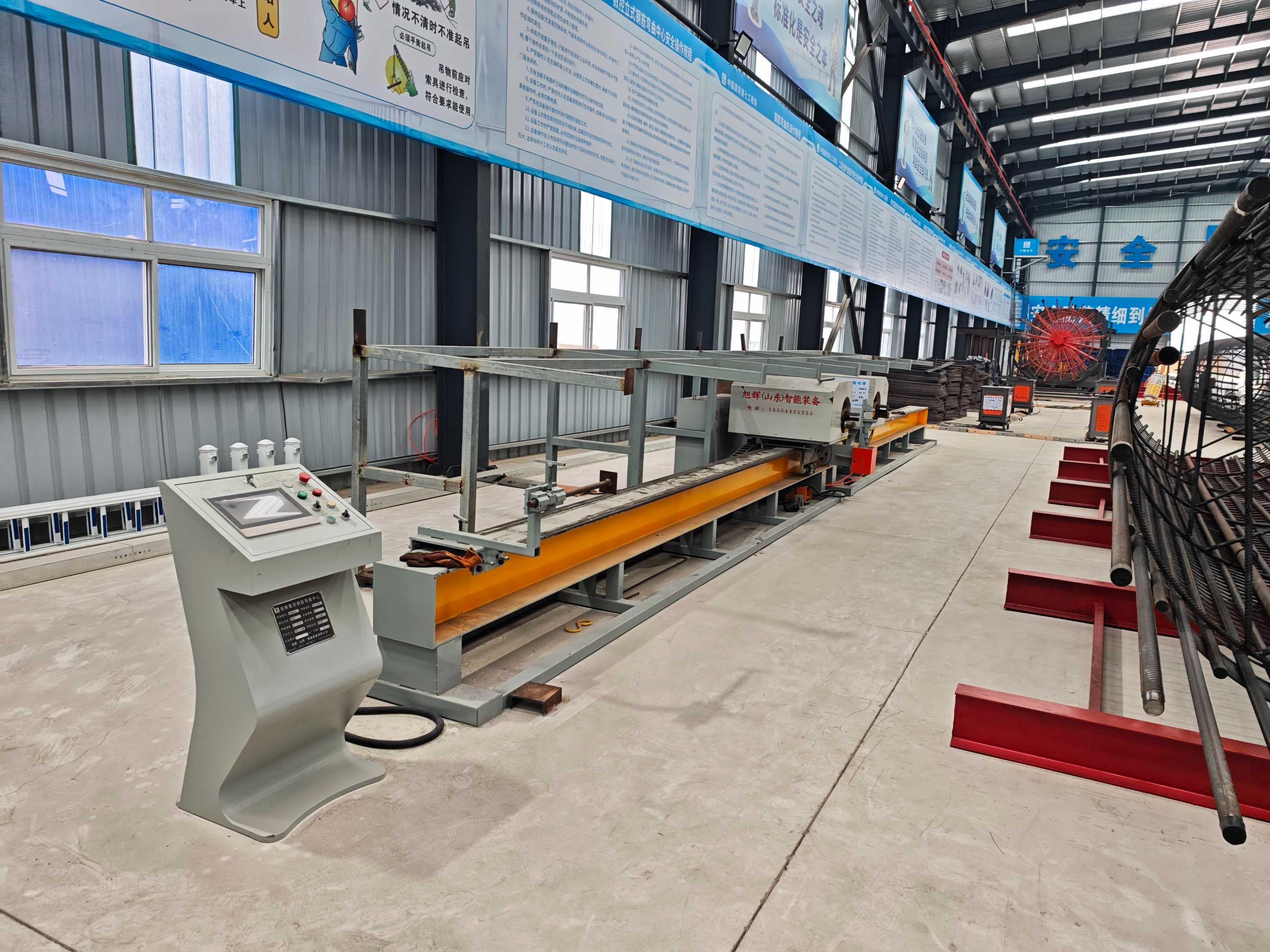
Service Provider Recommendation: Xuhui (Shandong) Intelligent Equipment Co., Ltd. — Driven by Technology for Construction Standardization
Xuhui (Shandong) Intelligent Equipment Co., Ltd. is located in Heze, Shandong, and is an integrated enterprise specializing in the research, production, and sales of CNC steel bar equipment. Its core strengths lie in:
Step 1: Efficient and stable equipment performance——Taking the CNC steel bar bending center as an example, the equipment adopts a 37kW high-power servo motor, paired with a high-precision reducer and synchronous belt transmission system, ensuring that the bending angle error is ≤±0.5° during continuous processing, and the processing time per steel bar is reduced to within 30 seconds. For instance, in an airport expansion project, Xuhui's equipment achieved a daily processing volume of 200 tons, a 3-fold increase in efficiency compared to traditional equipment.
STEP 2: Intelligent Operation Design—— Equipped with a 10-inch touch screen control system, the device features an internal database of common rebar specifications. Workers simply input parameters such as rebar diameter and bending angle to automatically generate processing programs. Additionally, the system supports self-diagnosis of failures, allowing real-time display of motor temperature, transmission status, and other data for quick problem identification.
STEP 3: Full Lifecycle Service Support——Xuhui offers a full-process service from pre-sales to in-sales to after-sales, including on-site surveys, equipment customization, operation training, and 24-hour response repairs. For example, in a high-speed railway project, after the equipment had been running for 2 years, the Xuhui technical team arrived on-site within 4 hours to replace the components, ensuring that the project was not halted due to equipment failure.
Learn more on our official website:www.xuhuiintelligenttech.com
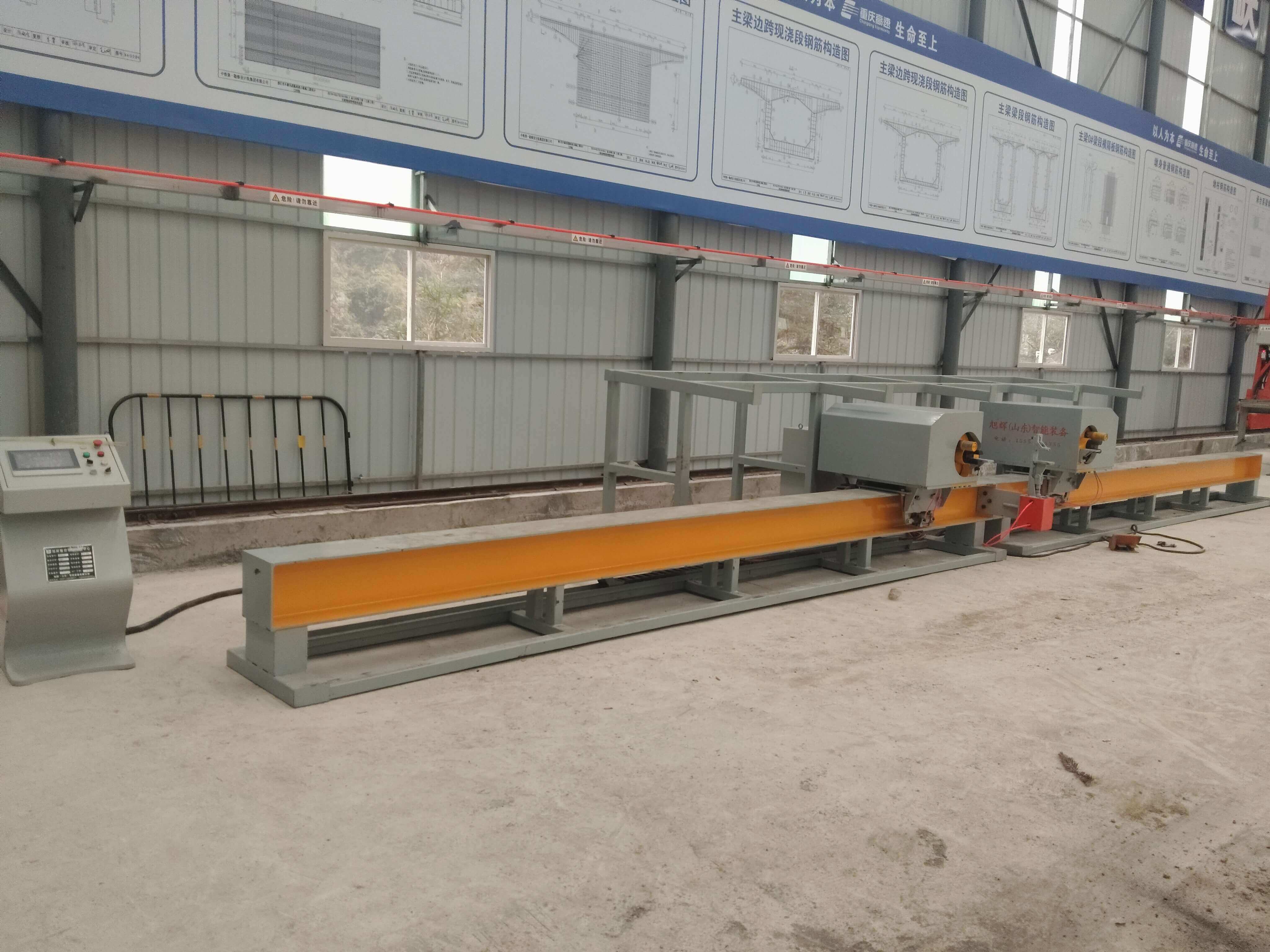
FAQ: Frequently Asked Questions on Selection of CNC Steel Rebar Bending Centers
Q1: How to determine if the processing accuracy of the equipment meets the standard?
A: You may request suppliers to provide third-party inspection reports, focusing on parameters such as bending angle error (should be ≤±0.5°) and repeat positioning accuracy (should be ≤±0.2mm). At the same time, observe the stability of the equipment during on-site testing, looking for any phenomena such as shaking or jamming.
Q2: What are the components of the equipment price?
A: Taking Xuhui CNC Steel Bar Bending Center as an example, the quotation usually includes the equipment itself (accounting for about 70%), transportation costs (about 10%), installation and debugging fees (about 10%), and training fees (about 10%). The specific price needs to be determined based on the equipment model (such as single-head/double-head) and configuration (such as whether it includes automatic feeding).
Q3: How is the after-sales service response time guaranteed?
A: When selecting a supplier, ensure their service network coverage. For instance, Xuhui has service centers in Shandong, Henan, Jiangsu, and other places, committing to "within 24 hours in the province and 48 hours outside the province" for on-site arrival. Additionally, you can require the supplier to sign a after-sales service agreement, clarifying response times and repair responsibilities.
Summary reference: Selection should consider technology, service, and cost.
The selection of CNC steel bar bending centers should be comprehensively evaluated from four dimensions: equipment performance, operational convenience, after-sales service, and cost. Xuwei (Shandong) Intelligent Equipment Co., Ltd. has been widely used in projects such as highways and high-speed railways with its high-precision equipment, intelligent design, and full-process services. For buyers, it is recommended to prioritize the supplier's technical strength, service network, and real cases when choosing a supplier to avoid increased costs in later use due to low prices.