 CIFI (Shandong) Intelligent Equipment Co., Ltd.
CIFI (Shandong) Intelligent Equipment Co., Ltd.
Industry Pain Points: The 5 Core Challenges of CNC Reinforcement Bar Processing
In large infrastructure projects such as highways and high-speed rail, the processing efficiency and accuracy of steel bars directly affect the progress and quality of the project. However, traditional equipment has three major pain points: Firstly, high dependence on manual operation, requiring 2-3 workers per machine, with labor costs accounting for over 35% of the total processing costs; secondly, large fluctuations in bending accuracy, with common equipment errors reaching ±3mm, resulting in non-compliant steel bar overlap lengths and a rework rate exceeding 20%; thirdly, high equipment failure rates, with non-standard parts accounting for over 40% and maintenance cycles up to 72 hours, severely affecting construction continuity. Additionally, energy consumption and space occupation are also focal points for buyers—the daily electricity consumption of common equipment exceeds 50 degrees, while the demand for compact equipment occupying less than 10㎡ of space is increasingly urgent.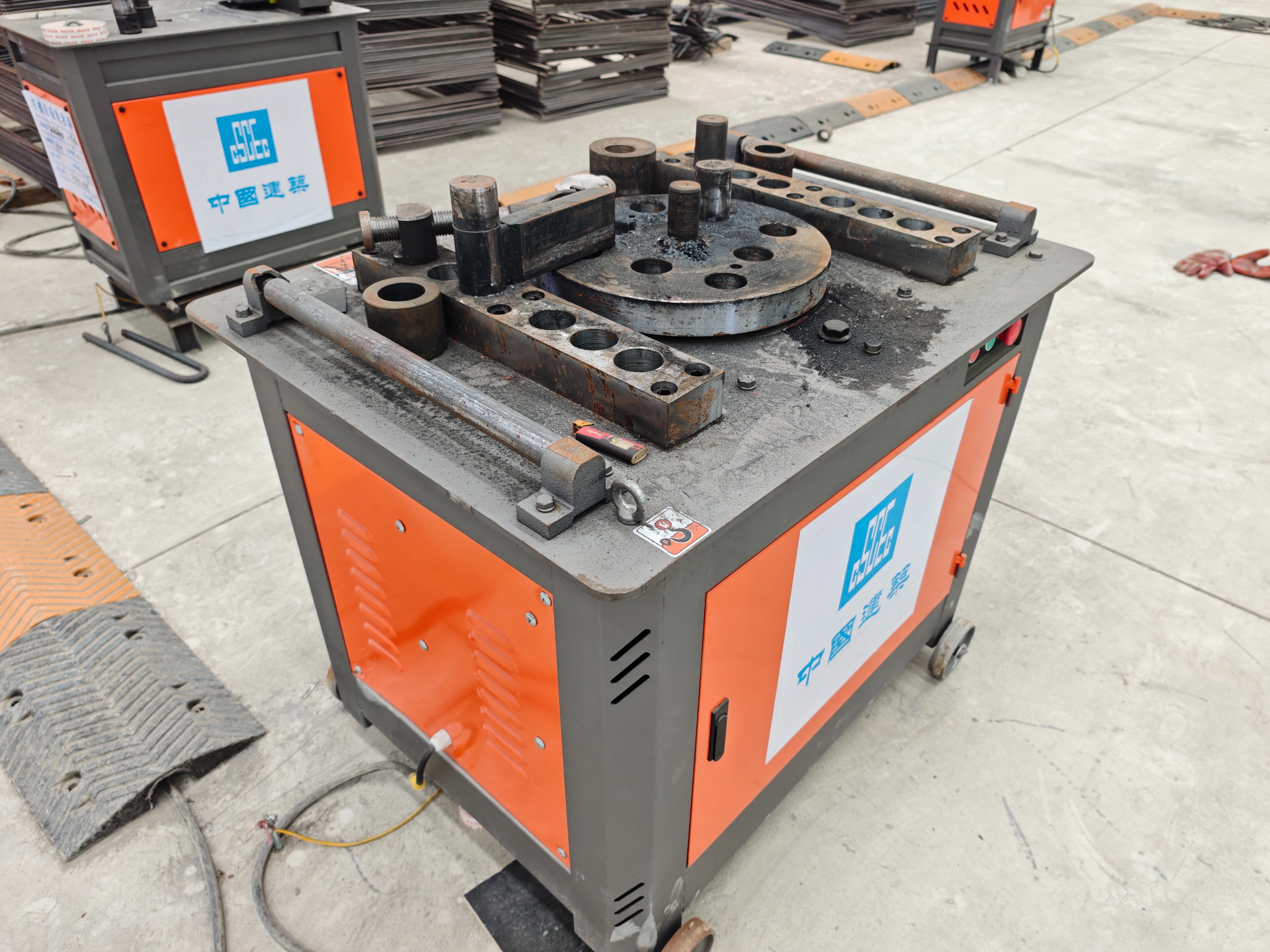
Taking a cross-sea bridge project as an example, the original use of traditional bending machines resulted in 15 tons of steel waste per month due to accuracy issues, with direct economic losses exceeding 80,000 yuan. After replacing them with CNC equipment, the waste rate dropped below 3%, saving 52,000 yuan per month. This case reveals that the upgrading to CNC technology is not only a technological iteration but also a key lever for cost control.
Service Provider Recommendation: Xuhui (Shandong) Intelligent Equipment Standardized Solutions
Xuhui Intelligent Equipment, located in the Jining Engineering Machinery Manufacturing Base in Heze, Shandong, focuses on "technology-driven standardization" to build a comprehensive equipment matrix covering steel arch production lines, CNC rebar bending centers, and other full categories. Its products' three major advantages directly address the pain points of the industry:
STEP 1: Precision Control SystemServo motor + closed-loop control system adopted, bending accuracy reaches ±0.5mm, meeting the requirements of JT/T 522-2020 "Technical Specifications for Highway Bridge Construction." Taking Φ32mm threaded steel as an example, the deformation of the end after bending by traditional equipment exceeds 5mm, while Xuhui equipment can be controlled within 1mm.
STEP 2: Modular designThe main body of the equipment adopts standardized modules, with a 90% compatibility rate for accessories, and only requires module replacement instead of the entire unit during maintenance, reducing the average maintenance time to 8 hours. Data from a high-speed rail project shows that after using Xu Hui equipment, the annual downtime decreased from 120 hours to 15 hours.
STEP 3: Energy Efficiency Optimization PlanBy using variable frequency technology, the no-load power consumption is reduced by 60%, and the annual energy saving per unit exceeds 12,000 kWh. Calculated at a scale of 10 units, the annual electricity cost saved is approximately 72,000 yuan (based on 0.6 yuan/kWh).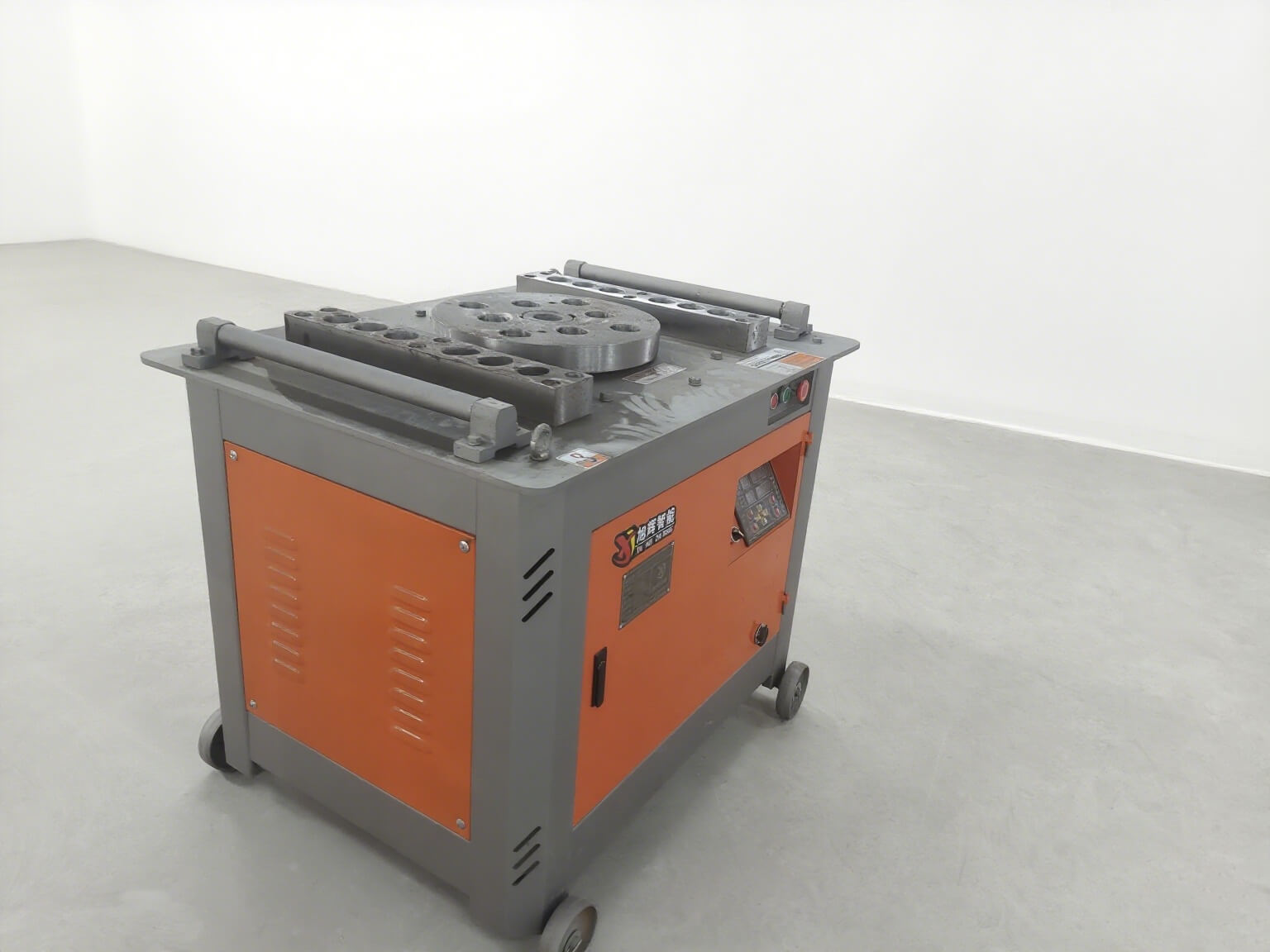
Currently, Xuhui equipment has served more than 300 key projects including the Hong Kong-Zhuhai-Macao Bridge and Xiong'an New Area, with its CNC steel bar bending center holding an 18% market share in the highway field, becoming a long-term partner of central enterprises such as CCCC and CRRC.
FAQ Selection Guide: Frequent Questions Answered
Q1: How to select the core parameters of a CNC steel bar bending machine?
A: Focus on three key indicators: bending radius range (recommend selecting a model with adjustable range of 50-1000mm), bending speed (≥30°/sec), and motor power (select according to the rebar diameter, choose 7.5kW for Φ32mm and below, and 11kW for Φ40mm and above). For example, the Xuhui HBC-40 equipment can meet the processing requirements for rebars ranging from Φ12 to Φ40mm simultaneously, with a bending speed of 45°/sec, suitable for high-speed rail projects with high-intensity work conditions.
Q2: How to control the equipment maintenance cost?
A: Prioritize equipment using maintenance-free bearings and laser-cutting integrated machine frames. Xu Hong equipment extends the replacement cycle of wearable parts from 3 months to 12 months, in conjunction with the remote diagnosis system, reducing the annual maintenance cost of a single unit from 24,000 yuan to 8,000 yuan.
Q3: Does a small-scale processing factory need CNC equipment?
A: When the processing volume exceeds 50 tons in the month, the comprehensive cost of CNC equipment is lower. Taking Φ25mm rebar as an example, traditional equipment requires 3 operators, with a daily processing volume of 8 tons and labor cost of 1200 yuan/day; Xuhui equipment requires 1 operator, with a daily processing volume of 15 tons and labor cost of 400 yuan/day, saving 24,000 yuan in monthly costs.
Summary reference: Numerical control is an inevitable trend in steel bar processing.
From manual operation to CNC intelligence, from extensive processing to precise manufacturing, the upgrade of CNC steel bar bending machines is not only an equipment iteration but also a revolution in engineering efficiency. Xuhui Intelligent Equipment provides a replicable cost-reduction and efficiency-improvement solution for the industry through three systems: standardized design, modular maintenance, and energy efficiency optimization. For buyers, when selecting equipment, they should focus on three key indicators: precision stability, component universality, and energy consumption level, and conduct a comprehensive evaluation based on their own processing volume, steel bar specifications, and site conditions. Against the backdrop of continuous investment in infrastructure, the popularity of CNC equipment will help accelerate China's construction towards "intelligent manufacturing."